

The Barossa is home to one of the worlds’ most complex wine grape grower networks, comprising more than 550 independent growers and 170 wineries with estate vineyards stretched across more than 25,500 acres. St Hallett strives to celebrate this diversity by selecting Shiraz grapes from superior sites across the region, and allowing the different fruit characters to speak clearly in many distinct styles of St Hallett Shiraz.
St Hallett’s Senior Winemaker Helen McCarthy teases out sub-regional variation by working with a diverse network of growers to augment St Hallett’s estate vineyards, from Williamstown in the south, through Tanunda, to the northern reaches of Ebenezer. Such diverse terroirs provide maximum blending options, and significant points of difference.

“St Hallett’s long reliance on relationships with many growers and vineyards throughout the Barossa allows this to happen,” says McCarthy, “and I believe this presents very exciting winemaking opportunities.”

Blackwell Shiraz
is a powerful example. With Shiraz sourced from the Barossa’s northern Maranaga, Moppa, Kalimna, Ebenezer, Greenock and Stockwell parishes, sitting at between 280 and 450m altitude, all noted for their deep, rich red soils that produce muscular grapes of great intensity and opulence, Blackwell Shiraz is characterised by black-fruited power, amplified through maturation in American oak. Tasting notes for 2019 Blackwell Shiraz describe it as “well concentrated but compact, with blackberry and redcurrant fruits, and vigorous, fine chalky tannins”. Destined to mature gracefully in the cellar, best drinking is suggested between 2023 and 2030.

Old Block Shiraz
represents much more than the single site that comprised its original 1986 release. It now boasts fruit from an established selection of old vineyards across the Northern Barossa and Eden Valleys. For a vineyard to be considered for Old Block it must meet the minimum age requirement of the Barossa Old Vine Charter (35 years or more) and be ungrafted, standing on their own rootstock. Most vineyards are, however, significantly older, with an average vine age of 92 years, showcasing the heritage of the two valleys that make up Barossa. McCarthy has a particular affinity with the cooler, more elevated Eden Valley sites, understanding that the liquorice and sharp blackberry bite of these grapes fits neatly into an exciting tapestry of Old Block components.
It shows clearly in the 2017 Old Block Shiraz, striking an ideal balance between light and dark elements. Critics were impressed. “A classic Barossa Shiraz showing the enduring hallmarks of extended oak maturation,” says Andrew Calliard MW, suggesting a prime drinking window from now to 2038, and beyond.

Higher Earth
, on the other hand, shows a different, fresher and more linear expression of Syrah, as the use of the variety’s French name hints at. It is made from fruit hailing from cooler and higher altitude plots (between 220 and 630m) across Eden Valley, each fermented separately, partially whole bunch. The silky, filigreed tannins support an elegant profile that weaves red and blue fruits, dried herbs and violets, all topped by lovely pepperiness. At once elegant and bold, this wine is enjoyable now but will improve with careful cellaring over the next decade.
McCarthy says all these distinctive Shiraz styles will remain significant St Hallett signatures. “We have great respect for the winemaking signatures that have defined St Hallett’s history,” she says, “and we will always allow those very specific wine styles to continue.”
Discover more about St Hallett here
Connect on Instagram | Facebook


-
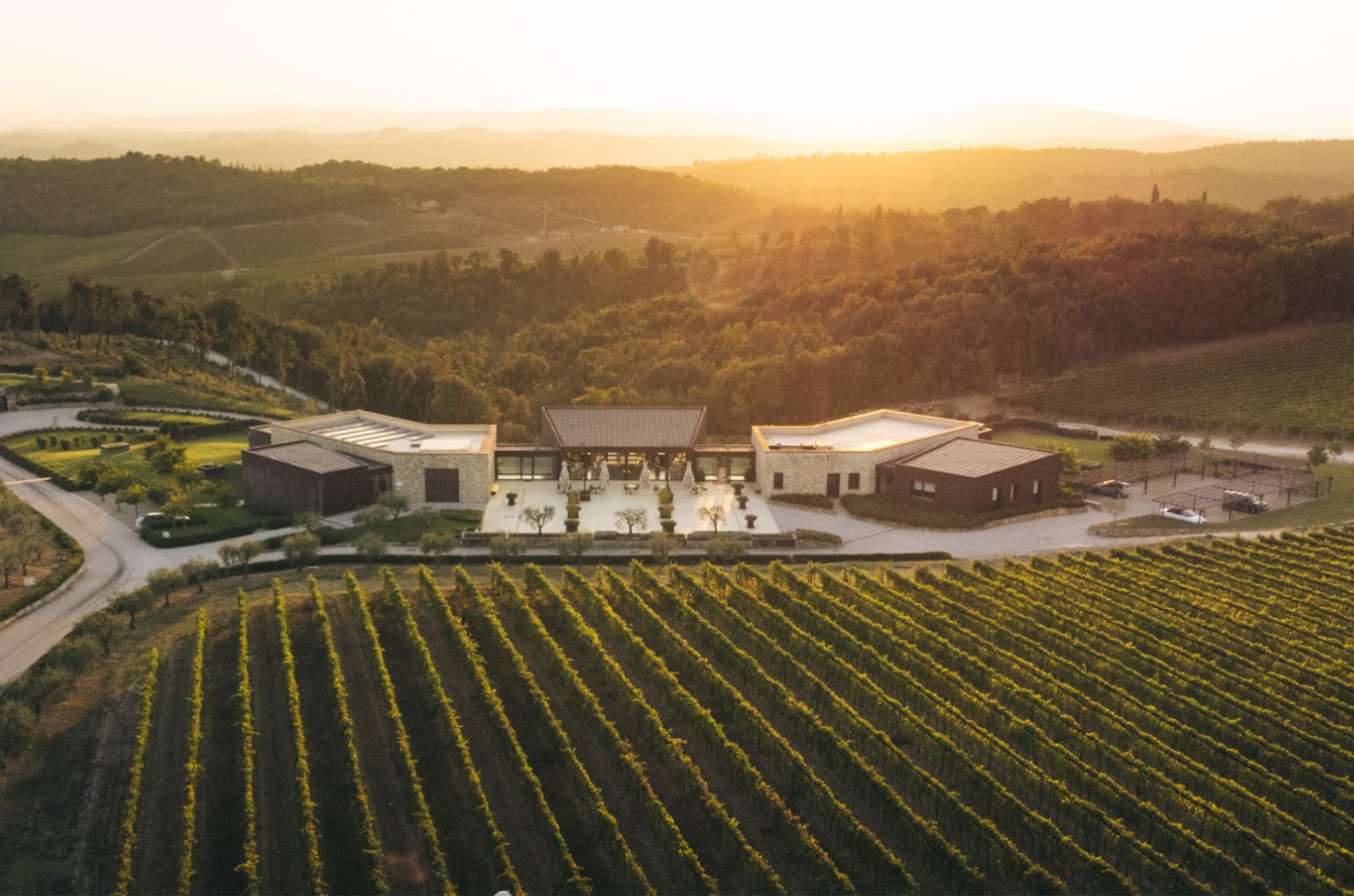 Vallepicciola: Tourism and winemaking in the Chianti hills
Sponsored Winemaking and luxury hospitality...
-
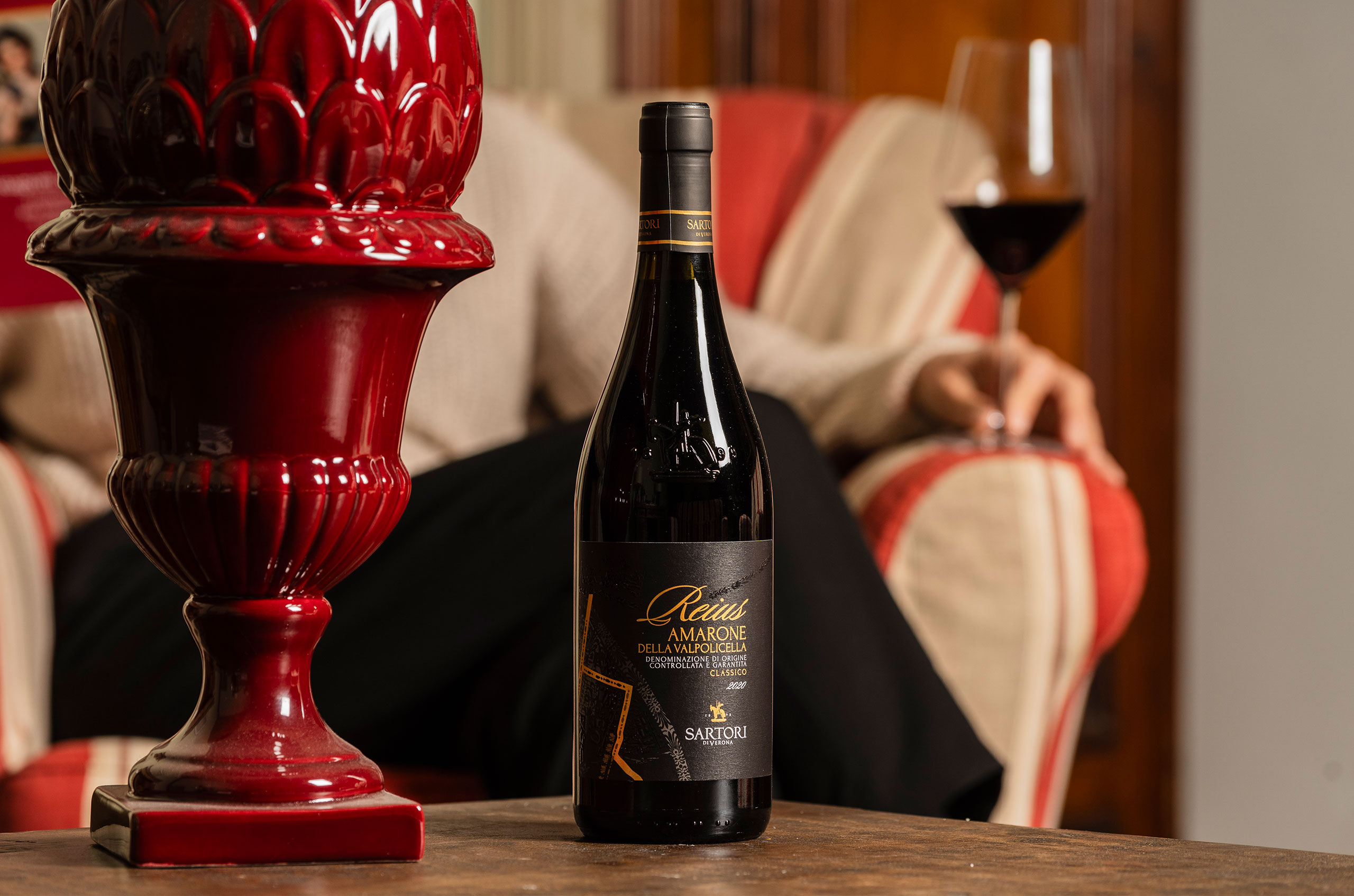 A standout voice in Valpolicella
Sponsored A key name for Valpolicella and Amarone...
-
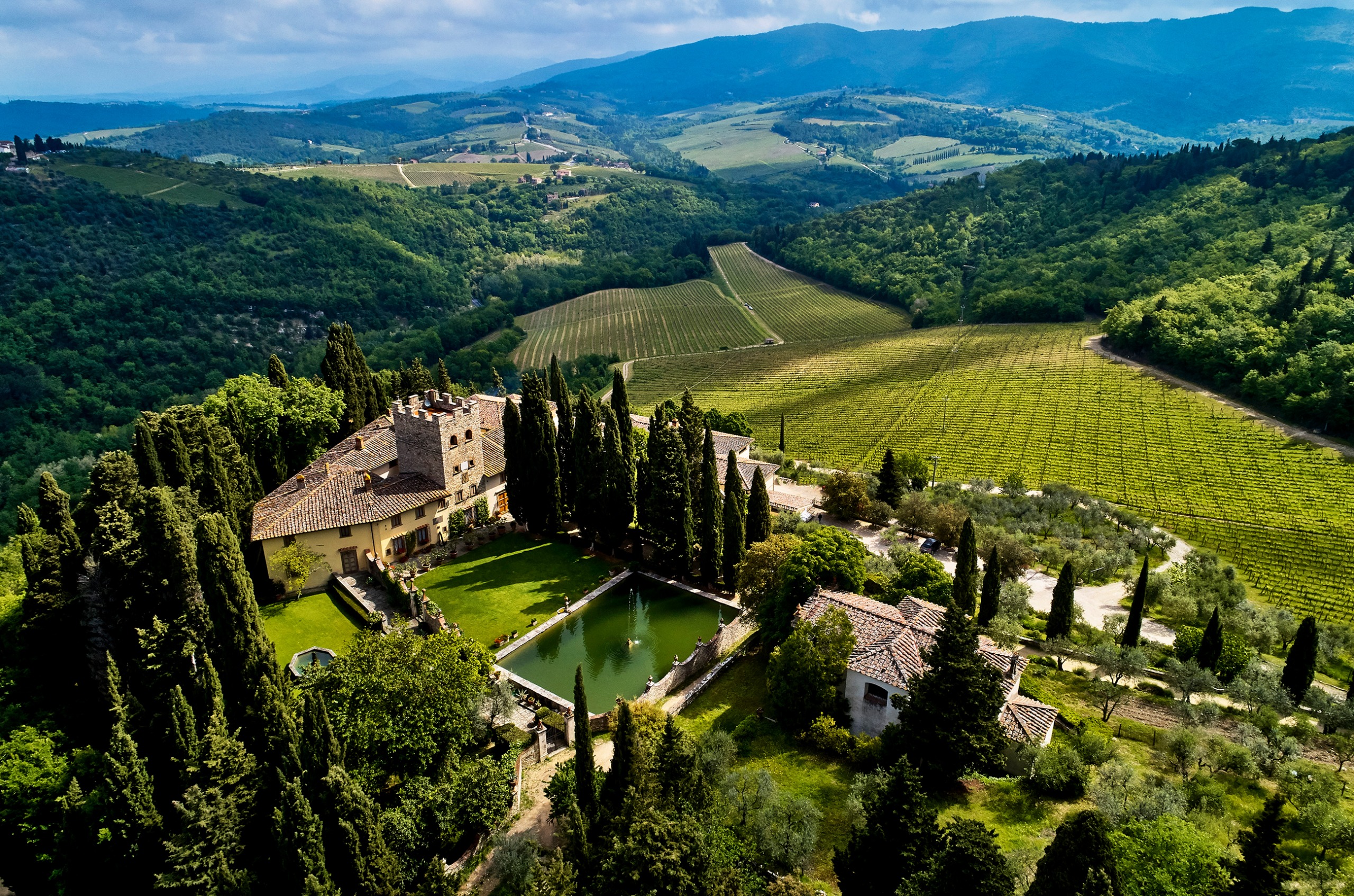 Discover the world of Castello di Verrazzano
Sponsored An ancient castle set amid sprawling vineyards...
-
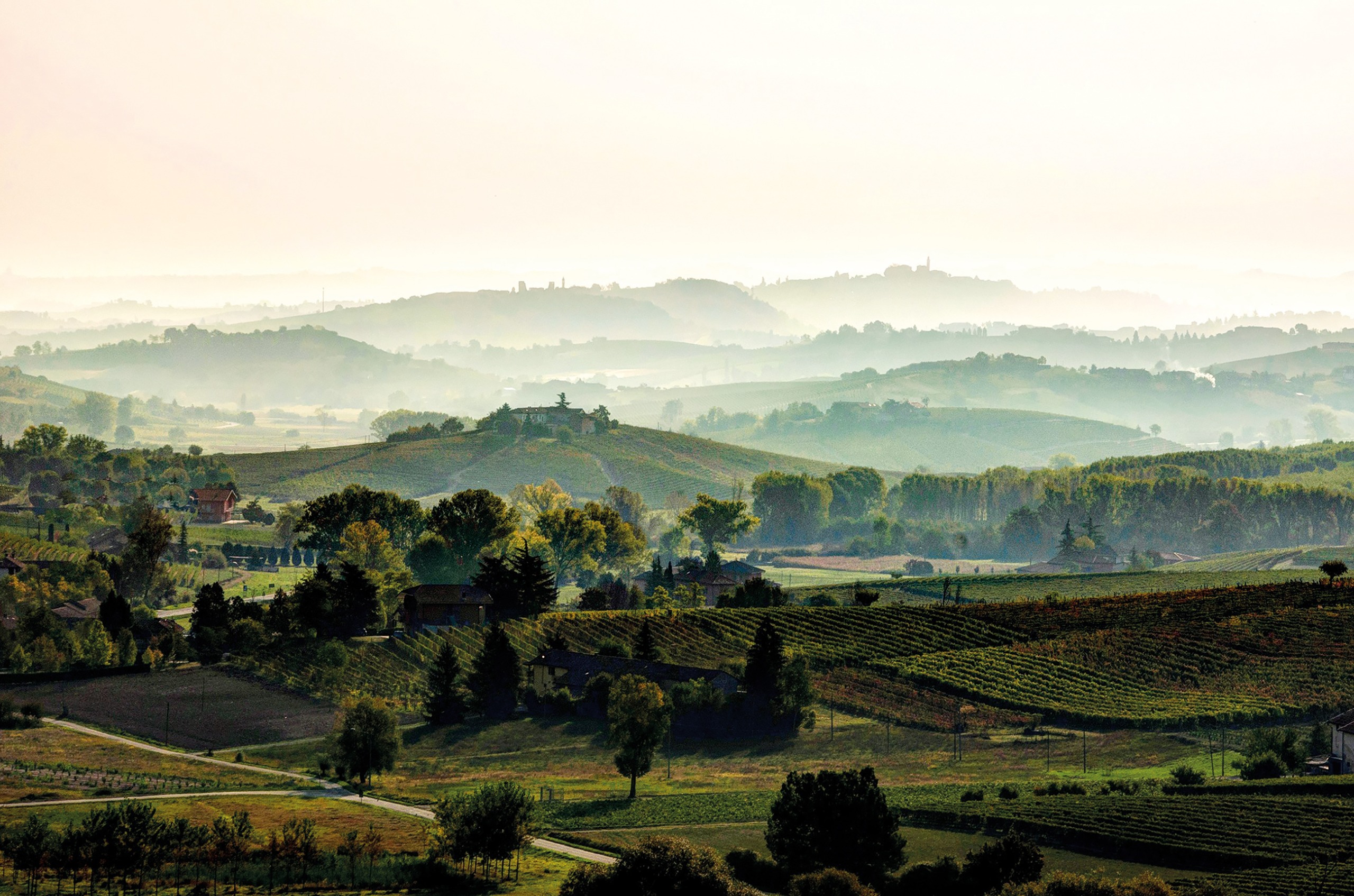 Barbera d'Asti DOCG: Tradition and modernity in Piedmont
Sponsored Many expressions of one variety...
-
 Sergio Mottura: Excellence in Tuscia
Sponsored A renowned figure in Lazio...
-
 Florio: Winning new fans while respecting Marsala’s history
Sponsored An important milestone in Marsala...
-
 Sensi Vini: The gateway to your Italian wine exploration
Sponsored Chianti and beyond...
-
 Celebrating European diversity
Sponsored Introducing the ‘Celebrate the Diversity’ project...


