

You might think of Sicily as a quintessential Mediterranean wine region, producing wines of warm power and hefty strength. Sicily is in fact a place of much complexity, combining multiple, different influences – this identity, at the crossroads of continents and cultures makes it a unique place, making equally unique and diverse wines. Thanks to the variety of terroirs and the experience honed by talented winemakers in recent decades, the island’s wines have evolved to offer continental freshness and stern minerality while respecting the identity of the vines.
A key element in conveying the variety of terroirs and microclimates is understanding the indigenous grape varieties that are best adapted to them. And if Nero d’Avola might be King among them, then Grillo is the Grande Dame of an illustrious court of Sicilian varieties.
While often blended with Chardonnay and Lucido (Catarratto), Grillo is best understood when tasted on its own, as a single-varietal wine. Winemakers are making good use of its expressiveness and plasticity to terroir, vintage and winemaking approach. Grillo can produce very different wines but they all share two fundamental characteristics: structure and elegance. Grillo in fact shares with Chardonnay the ability to deliver a spectrum of styles without losing its varietal identity.

When pressed gently, fermented at lower temperatures and handled without contact with oxygen, Grillo retains incredible aromatic vibrancy, with notes of white grapefruit, lime zest and freshly-cut grass, driven by refreshing acidity. These are wines of uncomplicated elegance, easy-drinking yet intriguing, that serve as a perfect aperitif or alongside a seafood platter.
With a natural gastronomic affinity, Grillo wines have evolved naturally alongside Sicilian cuisine and are a natural companion to seafood, especially grilled fish. The most classical of pairings is swordfish, with its fleshy, white meat.
Many winemakers like to explore, however, the more textural aspects of the grape as well as its ability to age. Fermentation in a variety of vessels, from concrete eggs to oak barrels, brings out a more layered profile, with a wider range of aromas, fuller body and broader palate. Contact with the lees and bâtonnage (lees stirring) can also add a creamy aspect. This results in wines whose aromatic profile combines rich citrus and orchard fruit with nutty and smokey notes and which can age beautifully, developing a honey edge. A sea-kissed minerality provides the trademark structure that holds the wines together through time.
Pairing possibilities are versatile and endless, from cheese, to grilled meat or a quintessentially Sicilian pasta alle sarde.

With poise and unpretentiousness Grillo is a variety as interesting and compelling as the terroirs it hails from – a potential for expressiveness captured by an active community of winemakers eager to explore and innovate and who are creating Grillos in a variety of styles. This Sicilian Dame is capable of wearing different outfits, more or less formal, without ever being less engaging, energetic or elegant.
Discover more about Sicilia Doc here
Connect on: Facebook | Instagram | Twitter |


-
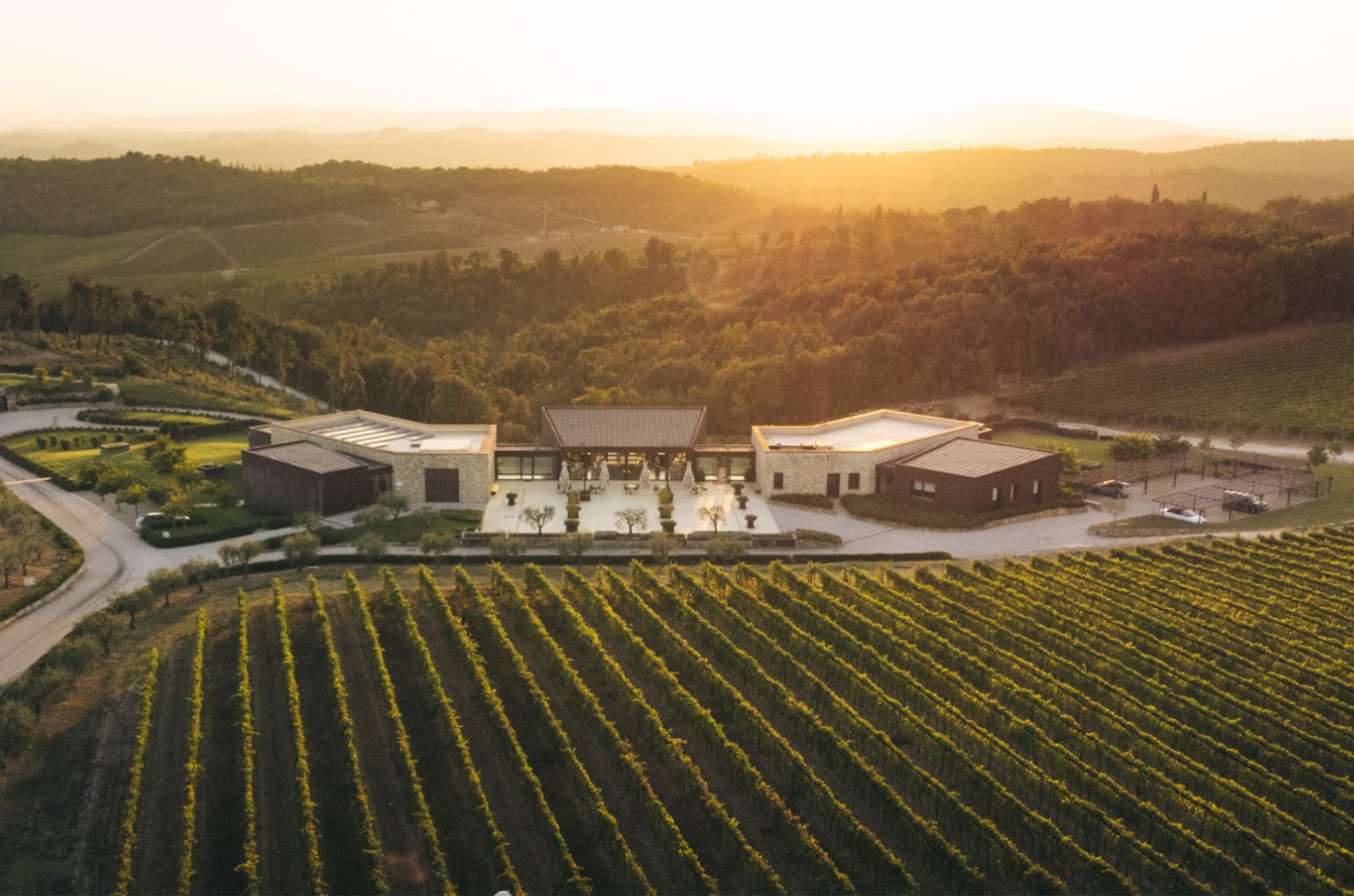 Vallepicciola: Tourism and winemaking in the Chianti hills
Sponsored Winemaking and luxury hospitality...
-
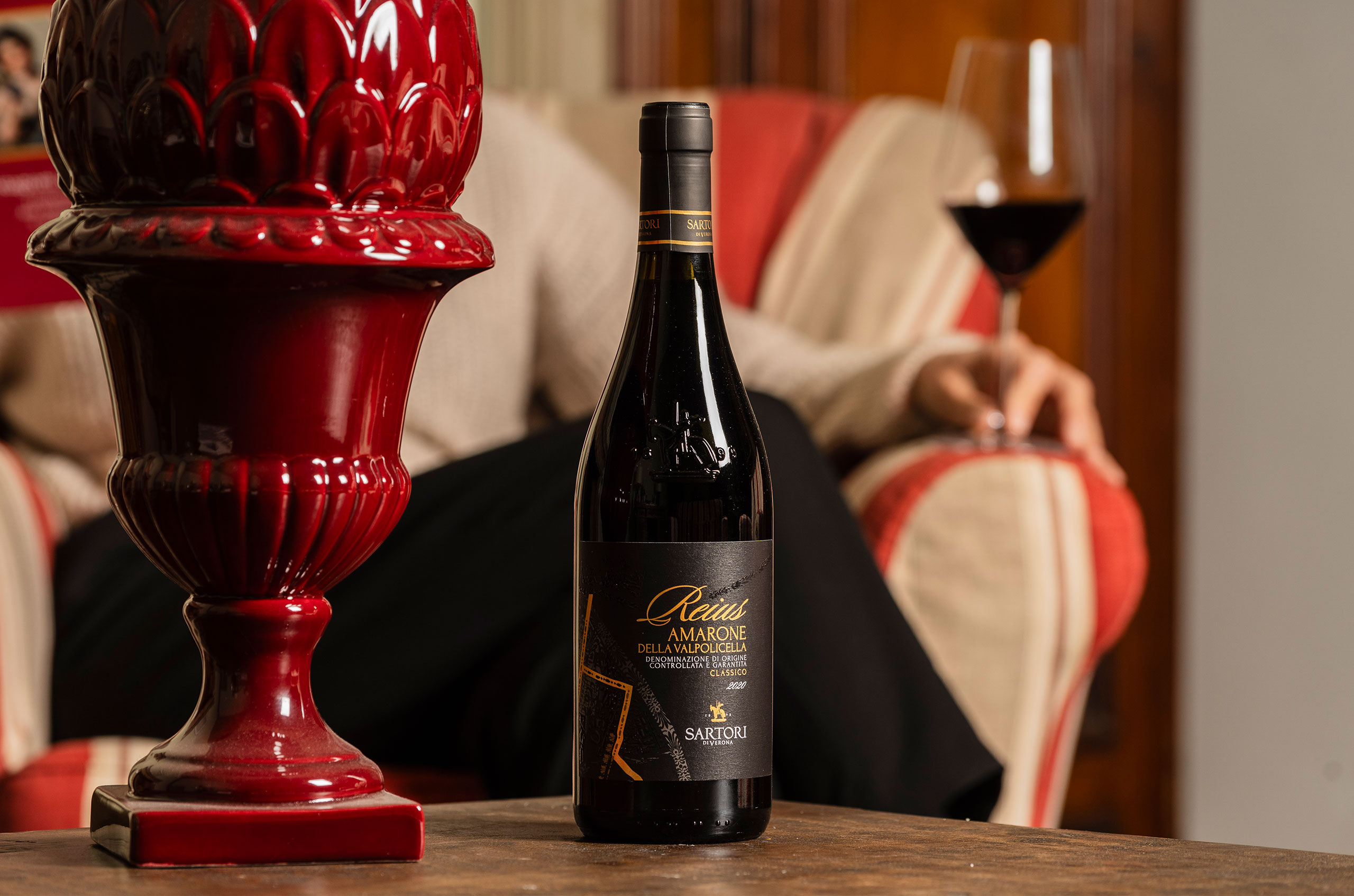 A standout voice in Valpolicella
Sponsored A key name for Valpolicella and Amarone...
-
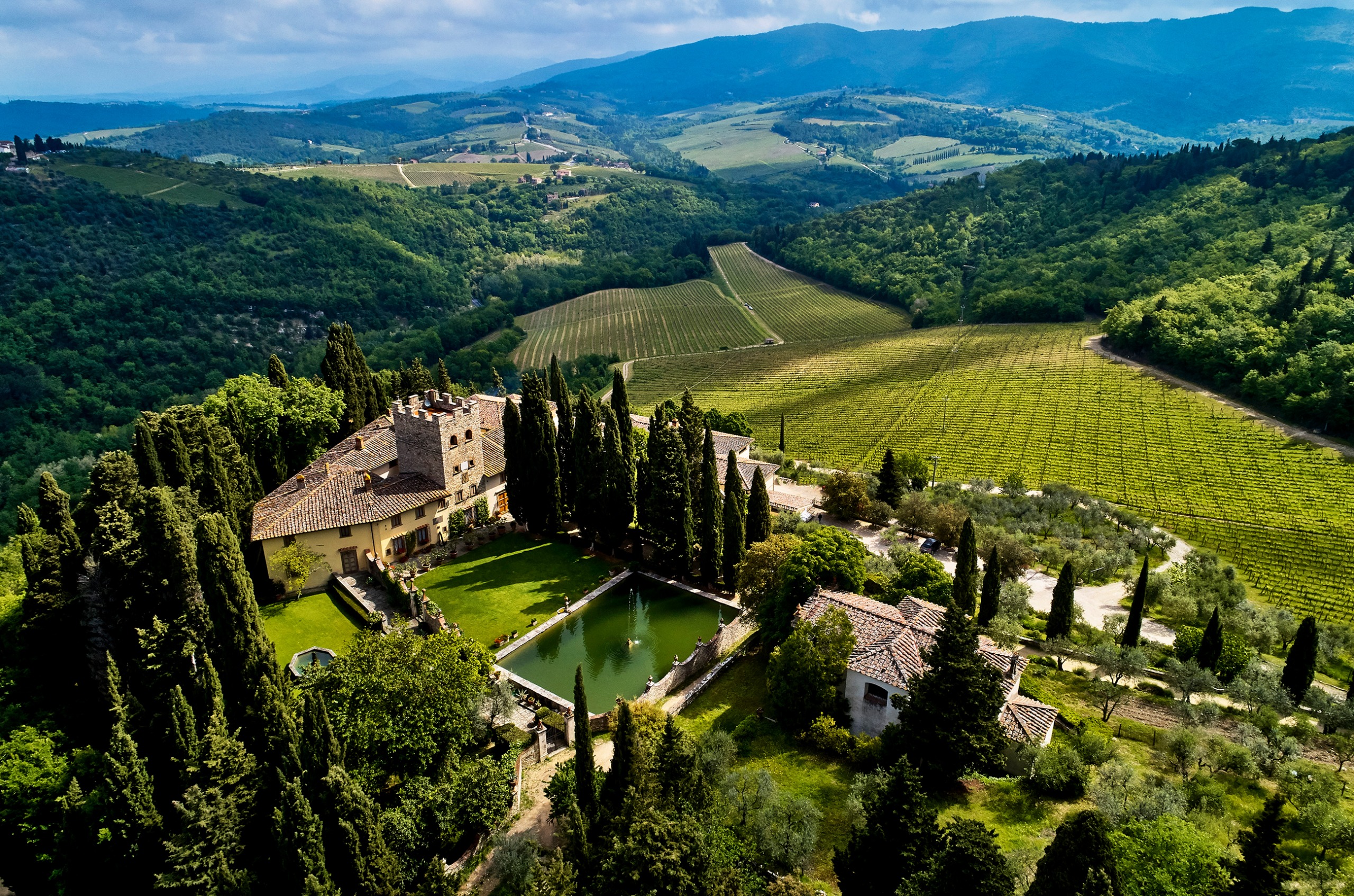 Discover the world of Castello di Verrazzano
Sponsored An ancient castle set amid sprawling vineyards...
-
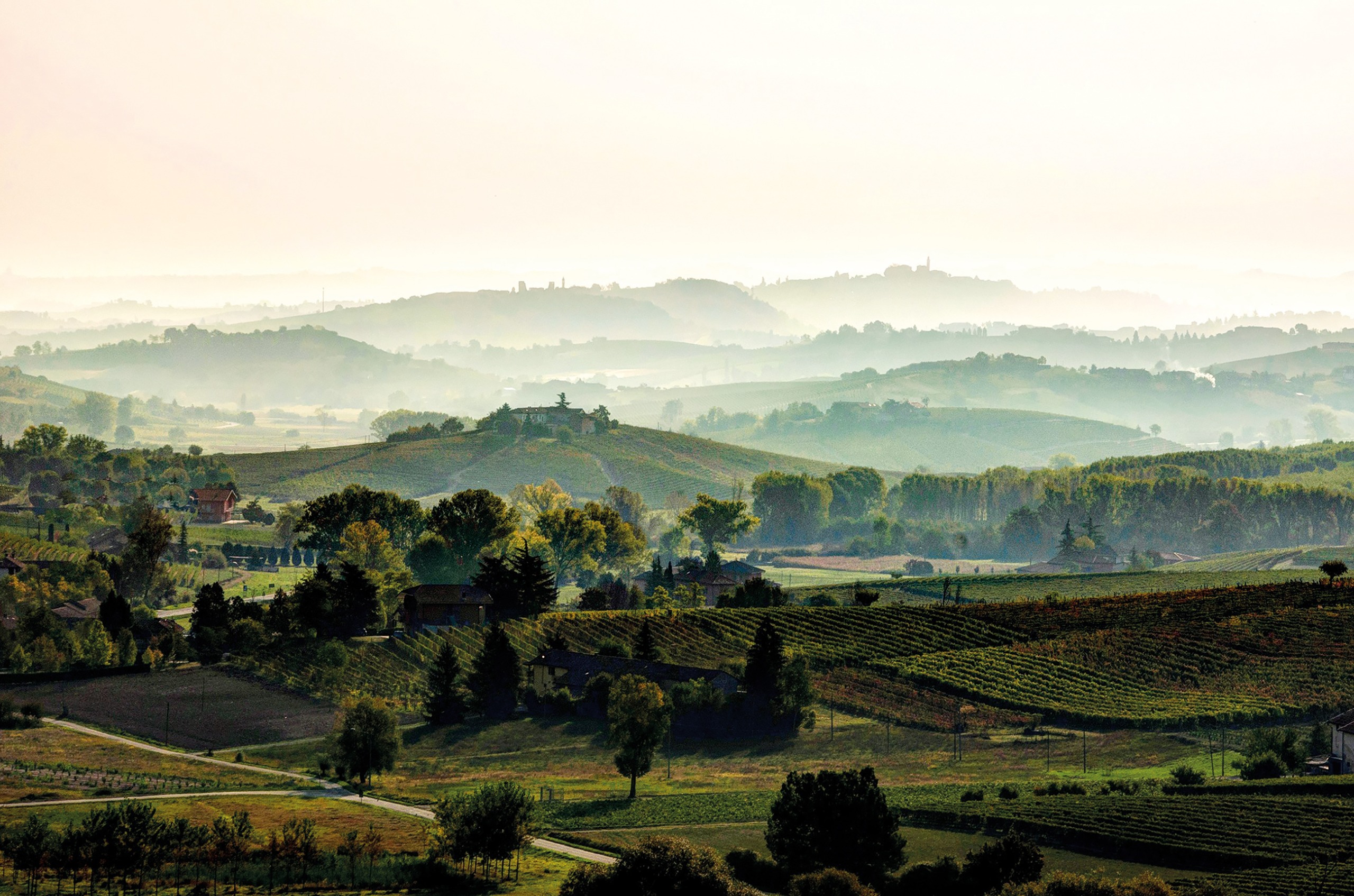 Barbera d'Asti DOCG: Tradition and modernity in Piedmont
Sponsored Many expressions of one variety...
-
 Sergio Mottura: Excellence in Tuscia
Sponsored A renowned figure in Lazio...
-
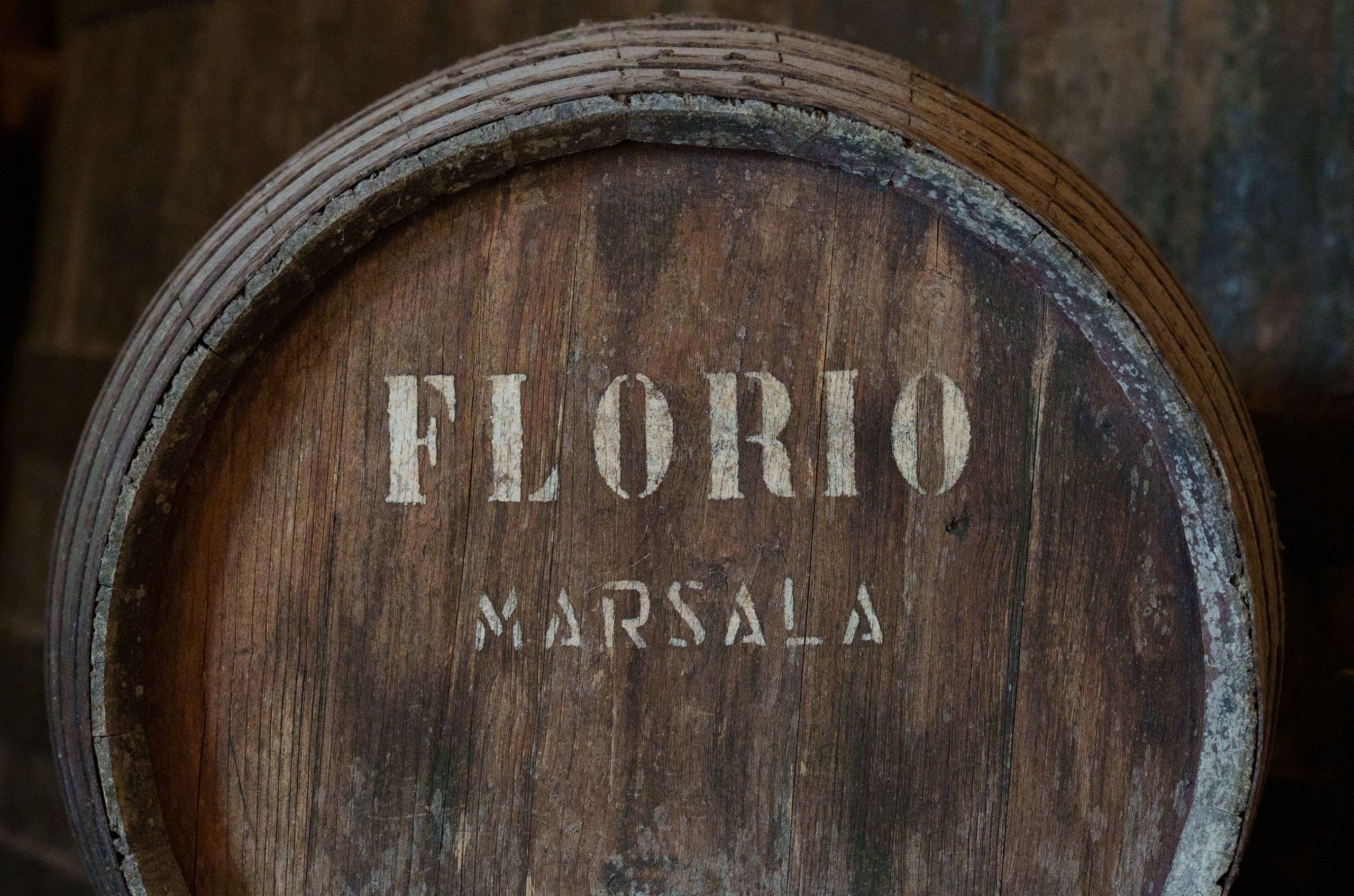 Florio: Winning new fans while respecting Marsala’s history
Sponsored An important milestone in Marsala...
-
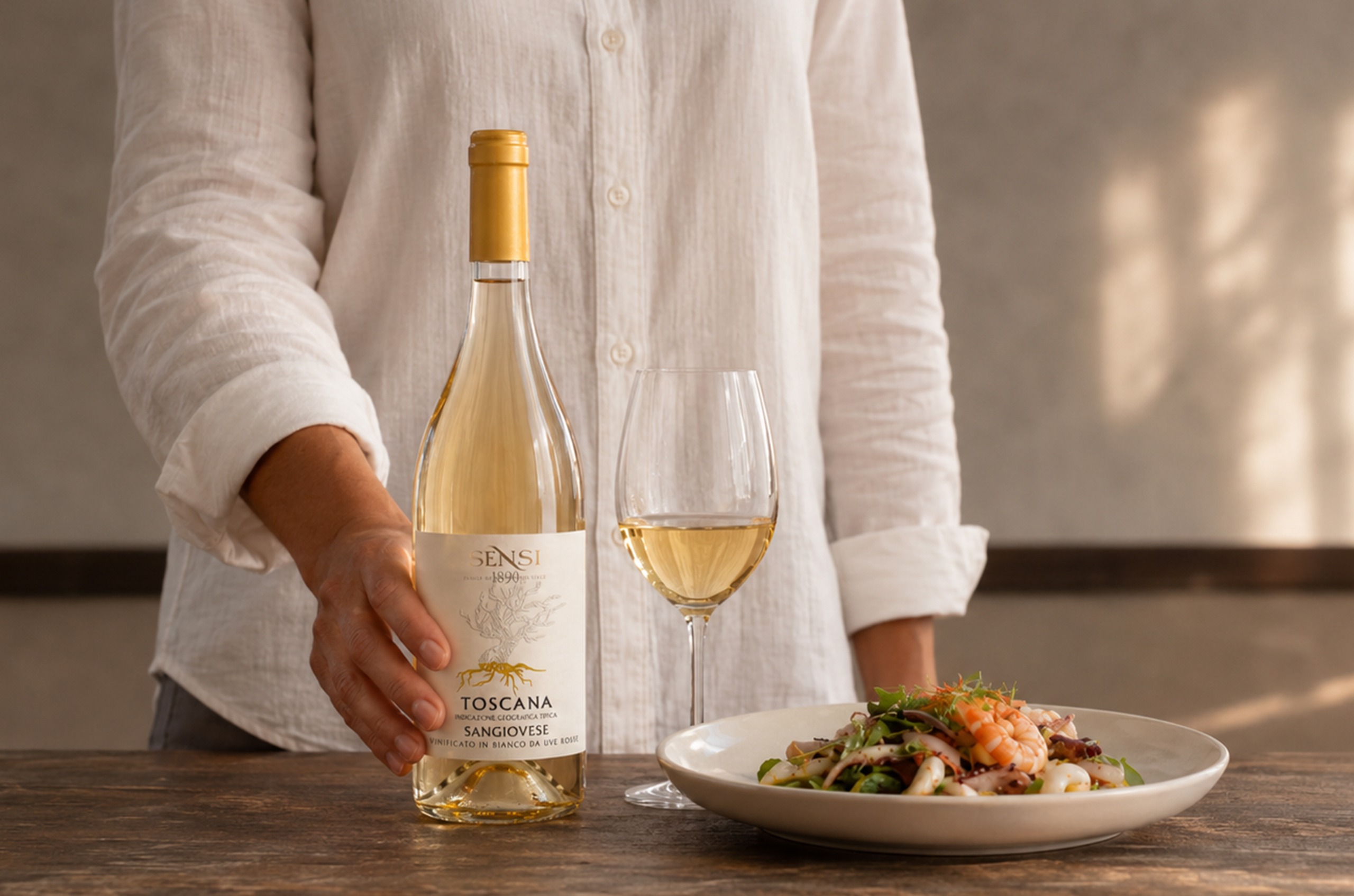 Sensi Vini: The gateway to your Italian wine exploration
Sponsored Chianti and beyond...
-
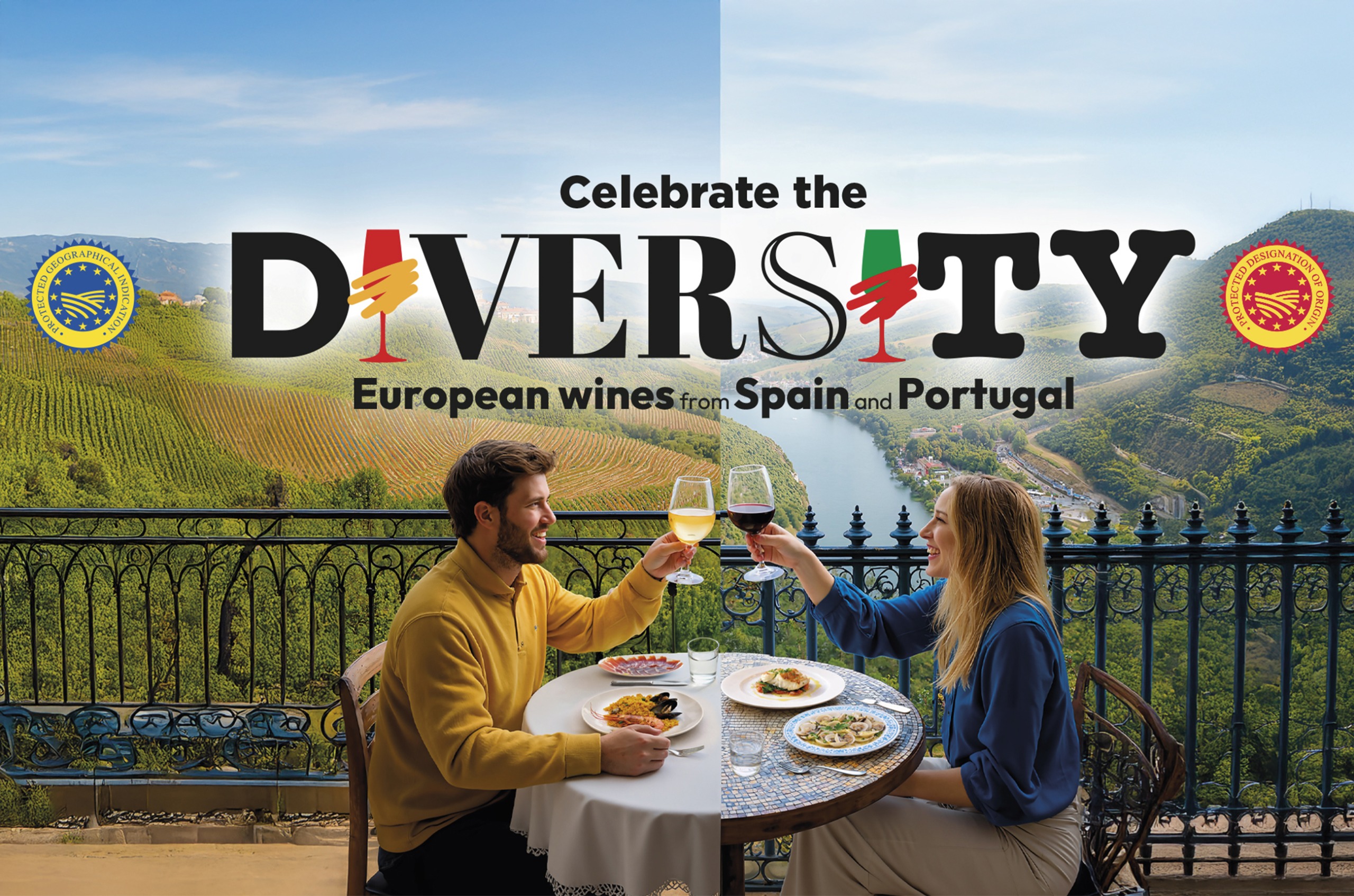 Celebrating European diversity
Sponsored Introducing the ‘Celebrate the Diversity’ project...


