

German Riesling is one of life’s great pleasures. Unrivalled in the world of white wine, its famous aging capacity stems from the combination of electrifying cool-climate acidities and balancing residual sweetness.
Given the right conditions, these stunning traditional Rieslings offer deeply complex, yet utterly joyful, drinking experiences. Justerini & Brooks’ team of buyers have curated a selection of Rieslings that are guaranteed to yield a few epiphanies – a flash of inspiration.

Riesling, Trocken, Okonomierat Rebholz, 2017

The leading estate of the Pfalz, Okonomierat Rebholz represents the region at its most uncompromising, precise and pure. If the Pfalz is often known for producing full-bodied, fruit-forward wines, Hansjorg Rebholz’s wines come as a crisp pure breath of fresh air.
Never chaptalising or de-acidifying, nor allowing his wines to soften through malolactic fermentation, the Rebholz style aims to be as transparent a translation of vintage and site as possible; the house style is bone dry, crystal clear, pure and unadulterated.
From gravel and sandstone soils, clear expressive notes of grapefruit and pithy citrus, lime leaf and cool stones, inherently fresh and charming with some impressive length for a wine at this price. Buy here>>
Nierstein, Riesling, Trocken, Kuhling Gillot, 2017

Kuhling-Gillot and Battenfeld-Spanier represent two estates brought together by marriage but produced by one winemaking team in one cellar. The estate’s history dates back over 200 years, though under different names: the family’s female side has run the estate for generations. Battenfeld-Spanier is a younger affair, set up by the ambitious Oliver Spanier in 1993. His vineyards are further south, centred around the villages of Hohen-Sulzen, Nieder-Florsheim and Molsheim. Both estates are run to certified biodynamic principles and without the use of fertilizer or pesticides.
The fruit comes from the red slate vineyards of Pettenthal, Hipping and Oldberg, the incredible source material for a village-level wine. The terroir shows in the complex array of savoury salty, spiced mineral, mint and chamomile flavours that release across the palate – texture and tension here in rich dry wine of some seriousness. Buy here>>
Lenz Riesling, Emrich Schönleber,2015

A great Nahe estate that was started by Werner Schönleber in the 1960s with just two hectares. Today the estate comprises 14 hectares, mainly Riesling, on the slate and quartzite soils of the Halenberg and Frühlingsplatzchen vineyards. Intense vineyard work and spontaneous fermentation in old oak casks together with ageing in steel vat conspire to produce intense, long-lived Nahe Riesling that combines floral, charming qualities with intense minerality.
Beautiful fine bitter grapefruit flesh, clear shards of citrus fruit and zest, but no sourness such is the ripeness of the acidity. Superb balance, there’s plenty of inviting fruit, but also restraint and tension. Just outside the boundaries of officially trocken, and yet seemingly almost dry. Lots going on for wine of just 11.5% abv. Buy here>>
Brauneberger, Riesling, Kabinett, Screwcap, Fritz Haag, 2017

Weingut Fritz Haag has for decades been in the top tier of quality German wine production, thanks largely to efforts of the late, legendary Wilhelm Haag, who headed up the Mosel VDP for nigh-on twenty years.
Run by son Oliver Haag since 2005, he manipulates the exceptional stony grey/blue slate vineyard of the Juffer in Brauneberg, the finest part of this being a large parcel surrounding the sundial (Sonnenuhr). These are some of the most elegant, pure and enticing wines in Germany.
At 45 grams of residual sugar, this is a touch drier than some recent vintages and yet still displays all the notes of fresh herbs and apples you’d expect. With lovely clear fruit, ripe round acidity and a touch of cream on the finish, this charming Kabinett is likely to provide great pleasure just a few years out of the blocks. Buy here>>
Saarburger Rausch, Riesling, Kabinett, Zilliken, 2017

Possibly one of the coldest and most marginal corners of Germany, the Saar can produce some of the world’s great white wine in hot sunny years such as 1990. However, these are usually outnumbered by cold wet years resulting in over astringent and unripe wines. There are a small band of growers though who have a distinct advantage over the rest in the land that they own. A handful of Saar vineyards are steep enough and exposed enough to ensure a decent level of grape ripening even in poor years. Hanno Zilliken is fortunate enough to have sizeable holdings in Saarburg’s great vineyard, the steep south-facing Rausch.
Pure herbs and fine citrus notes come together in this filigree Kabinett produced from bunches that combined perfectly ripe grapes with a small percentage of golden shrivelled material. The result is a wine of lift and finesse but also Auslese levels of extract. Buy here>>
Maximin Grunhaus, Riesling, Monopol, Von Schubert, 2018

This estate is centred on a former monastic Manor House at the foot of the Maximin Grünhaus hill close to a narrow tributary of the Mosel, the Ruwer. This towering hill is responsible for the world-famous wines of Carl von Schubert whose sensible attitude to vineyard management, careful selection and yield restriction result in classic examples of Ruwer style wines that are bold, racy and mineral. Three of the region’s top vineyards are all situated on this hill.
This cuvee just seems to get better and better, a rare VDP Gutswein produced from a grand cru site. Built on finesse and delicacy, yet with great energy and shape, this delivers enormous refreshment as notes of lime, salt and herbs are presented with a crystalline clarity. Very good indeed. Buy here>>
Justerini & Brooks has just released Germany’s 2020 En Primeur wines. To discover the latest releases from some of the regions’ finest estates please click here.


-
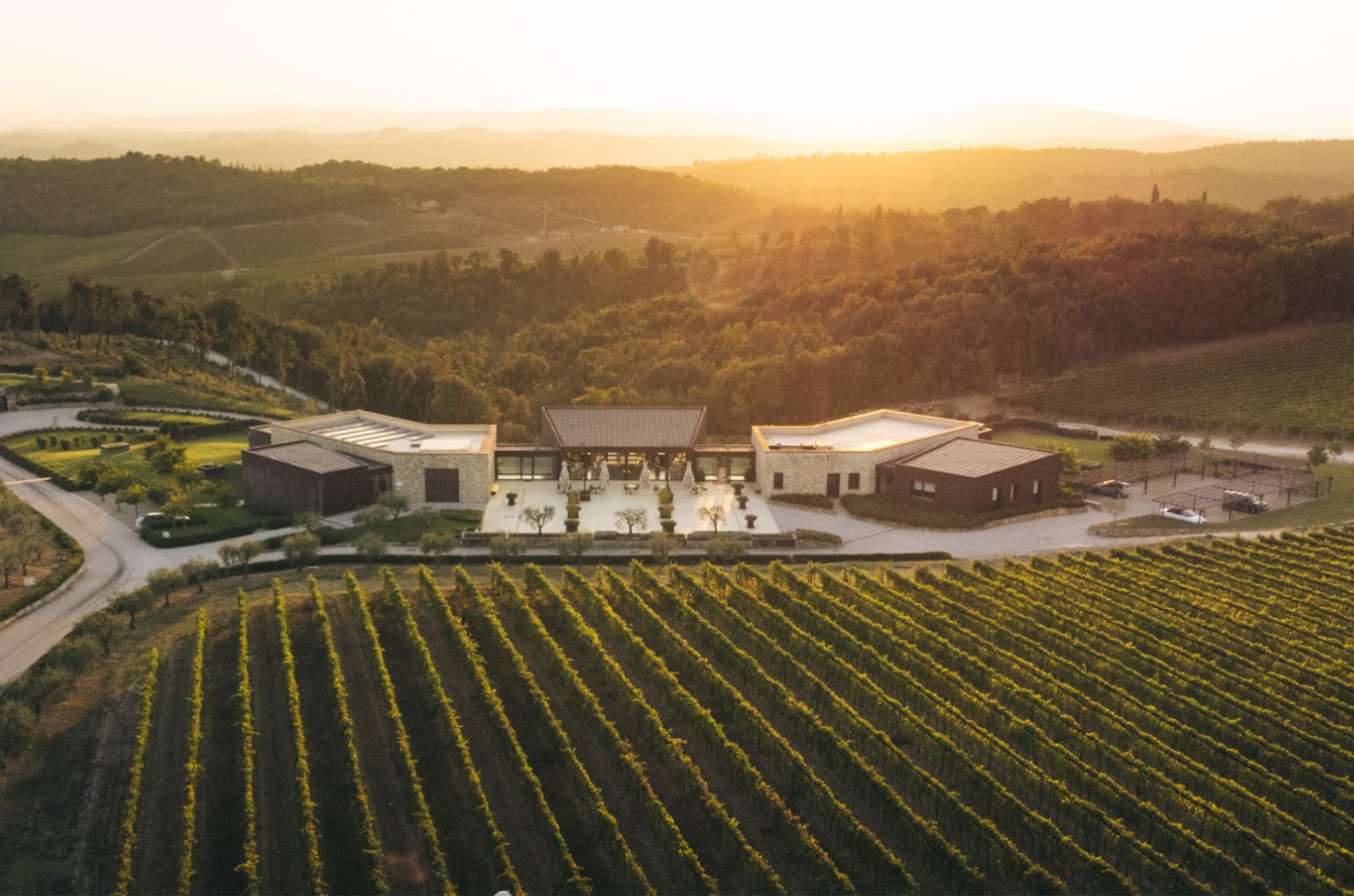 Vallepicciola: Tourism and winemaking in the Chianti hills
Sponsored Winemaking and luxury hospitality...
-
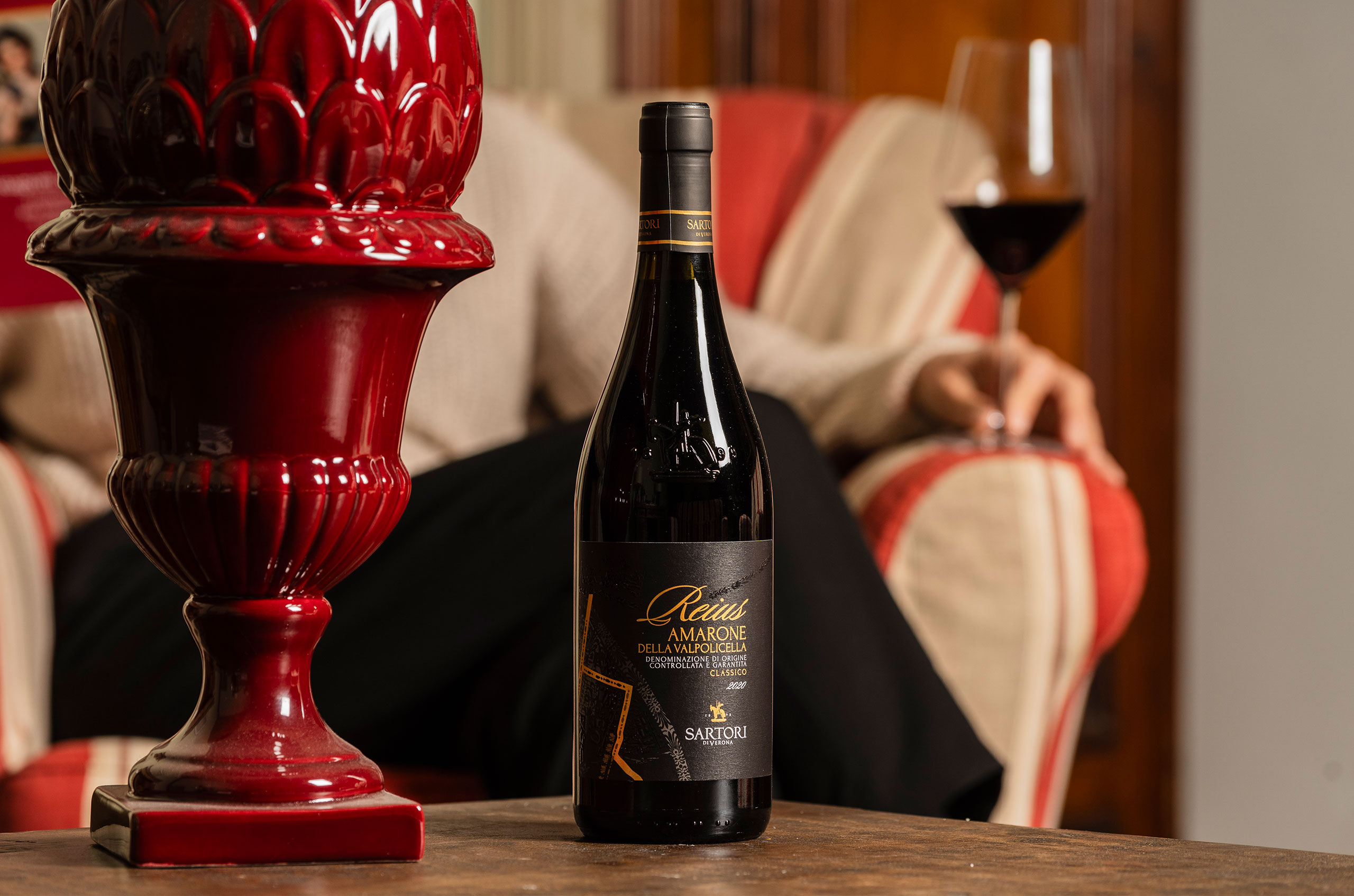 A standout voice in Valpolicella
Sponsored A key name for Valpolicella and Amarone...
-
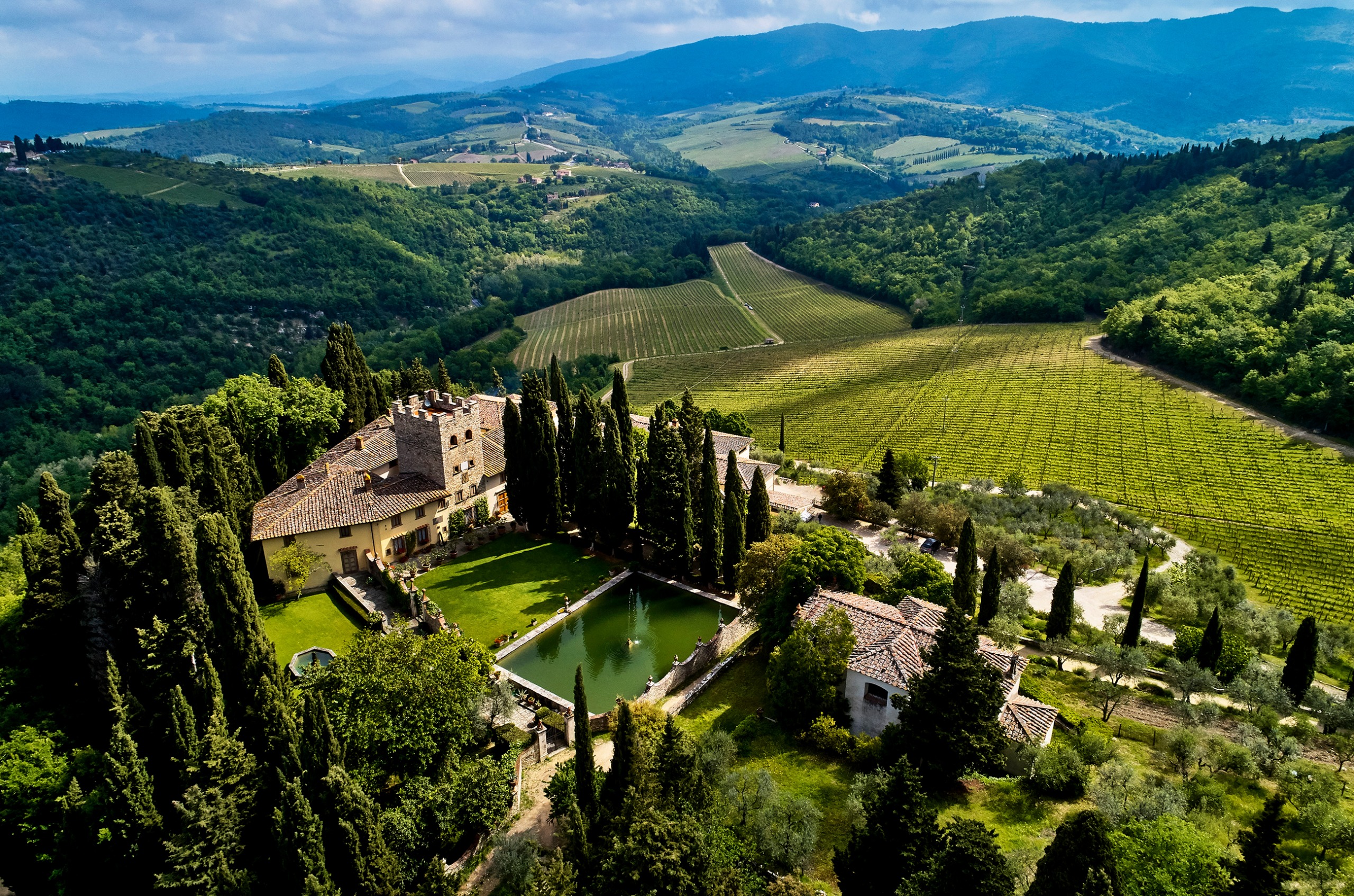 Discover the world of Castello di Verrazzano
Sponsored An ancient castle set amid sprawling vineyards...
-
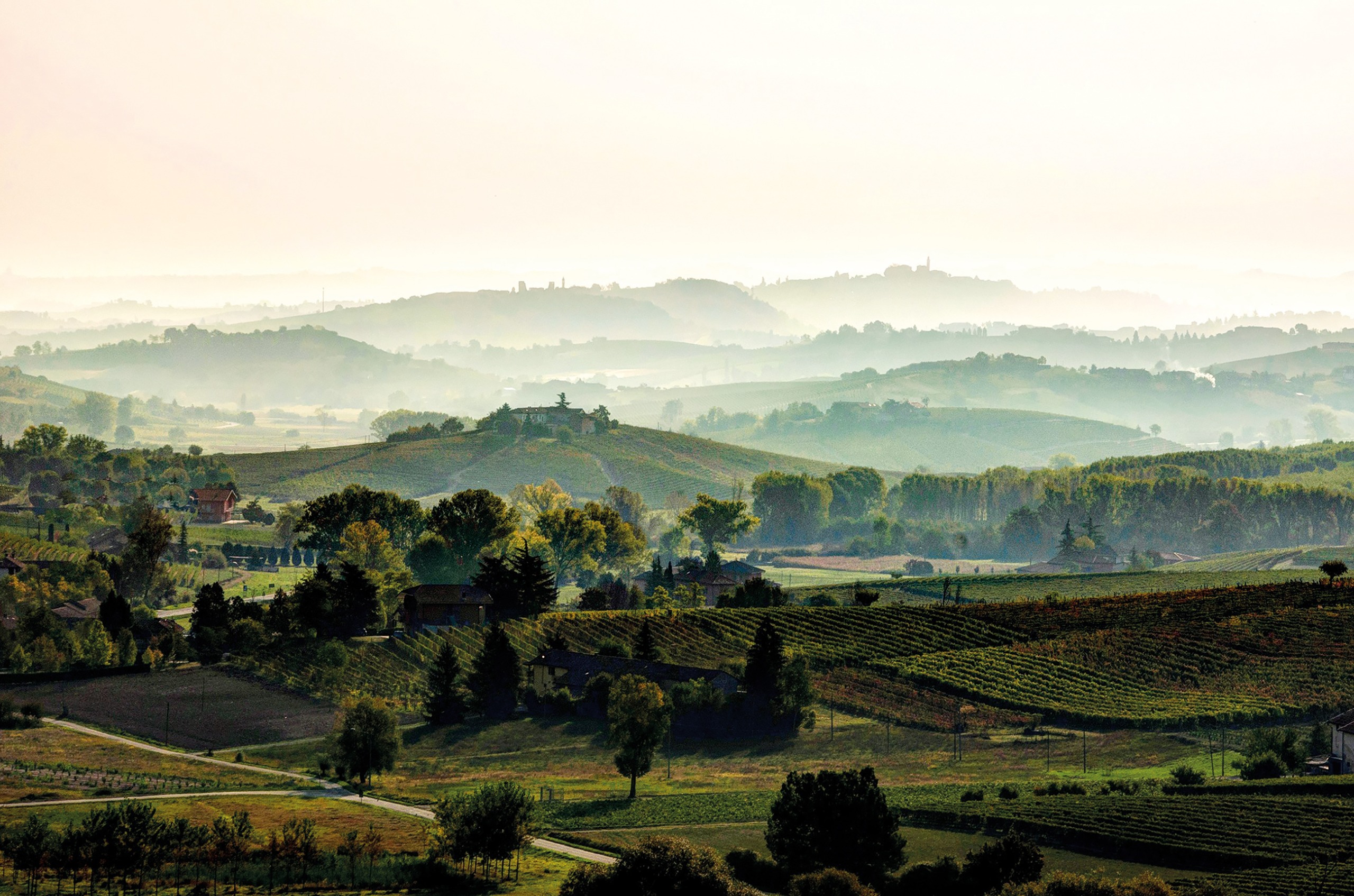 Barbera d'Asti DOCG: Tradition and modernity in Piedmont
Sponsored Many expressions of one variety...
-
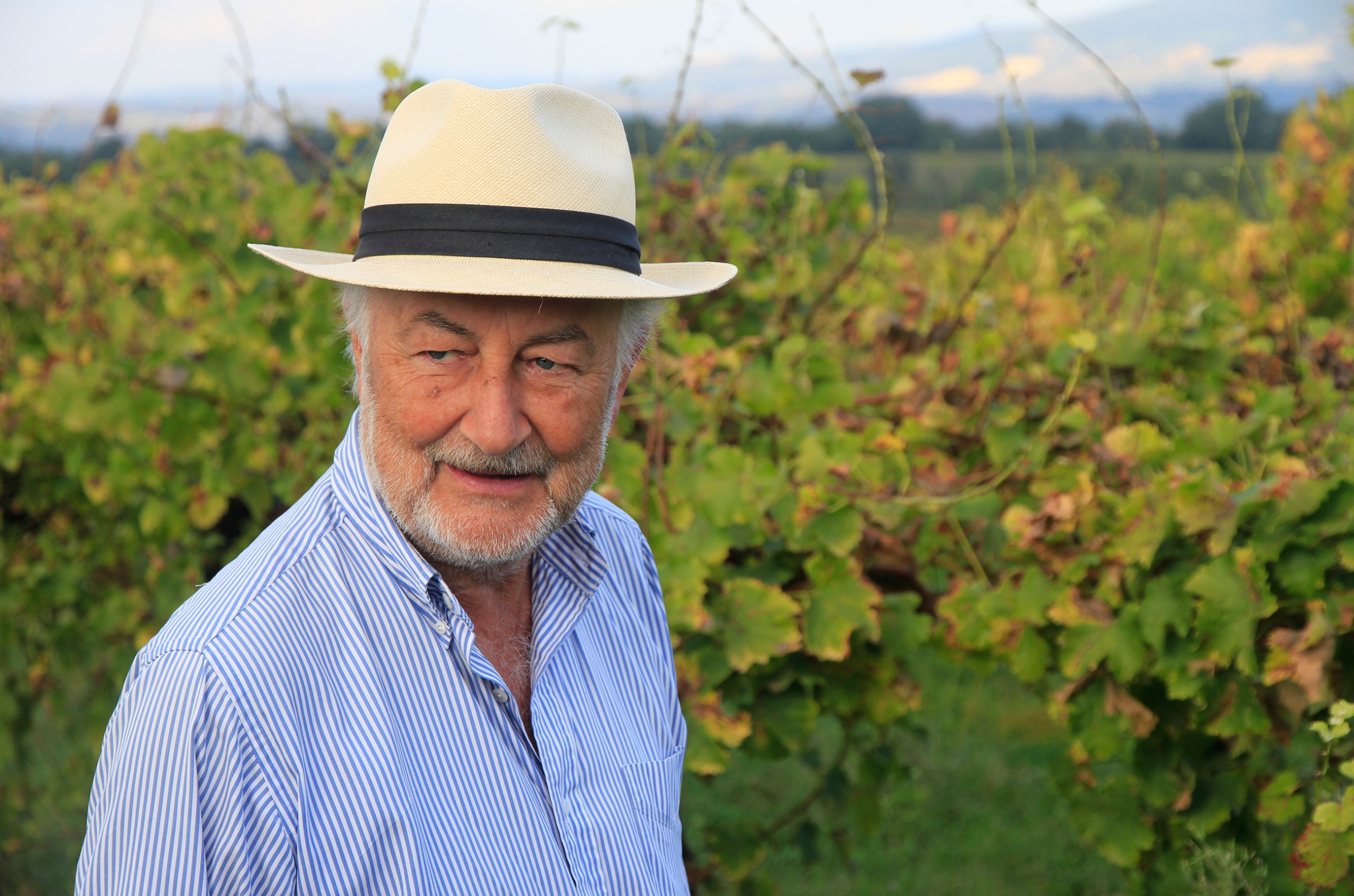 Sergio Mottura: Excellence in Tuscia
Sponsored A renowned figure in Lazio...
-
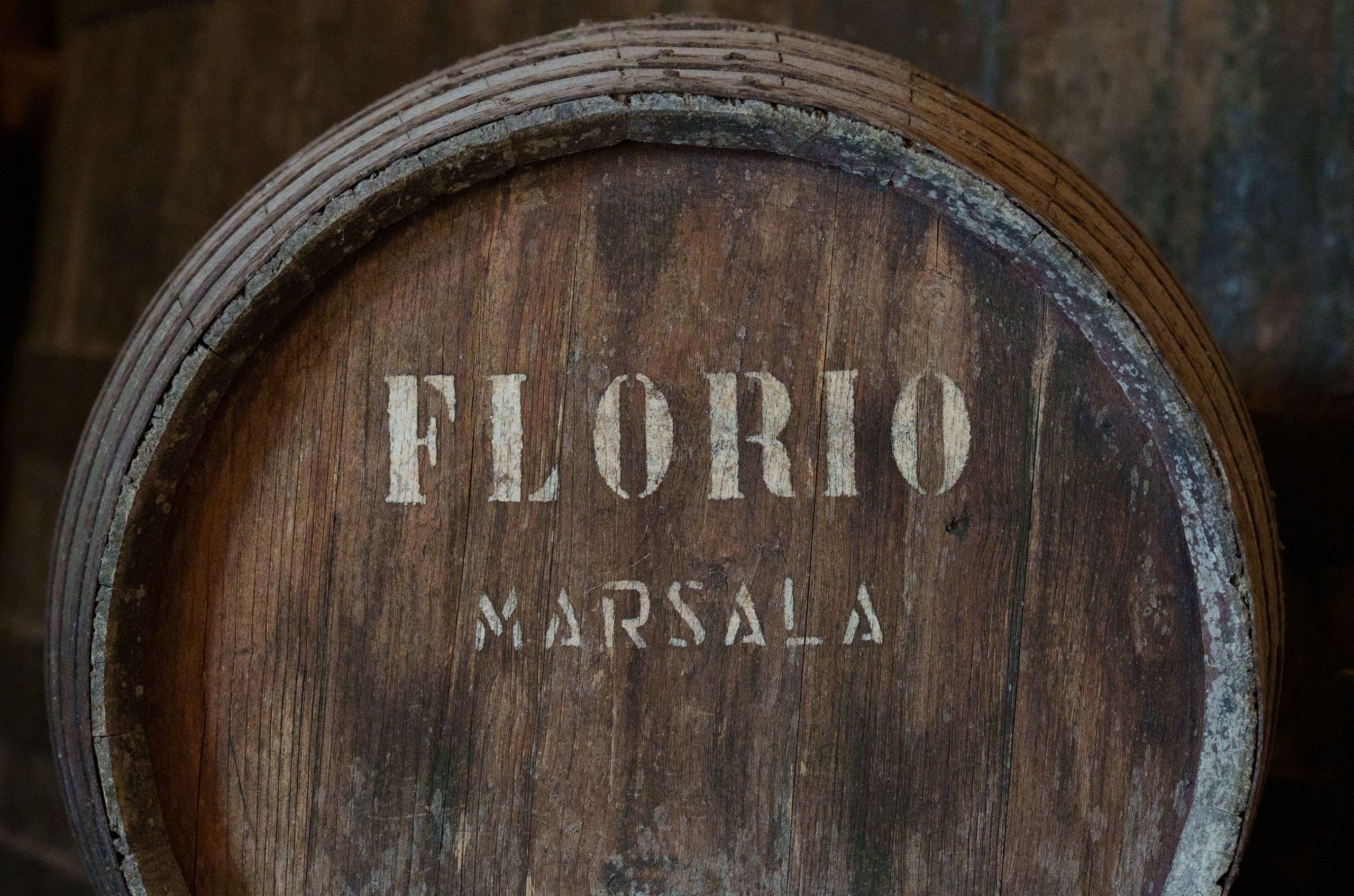 Florio: Winning new fans while respecting Marsala’s history
Sponsored An important milestone in Marsala...
-
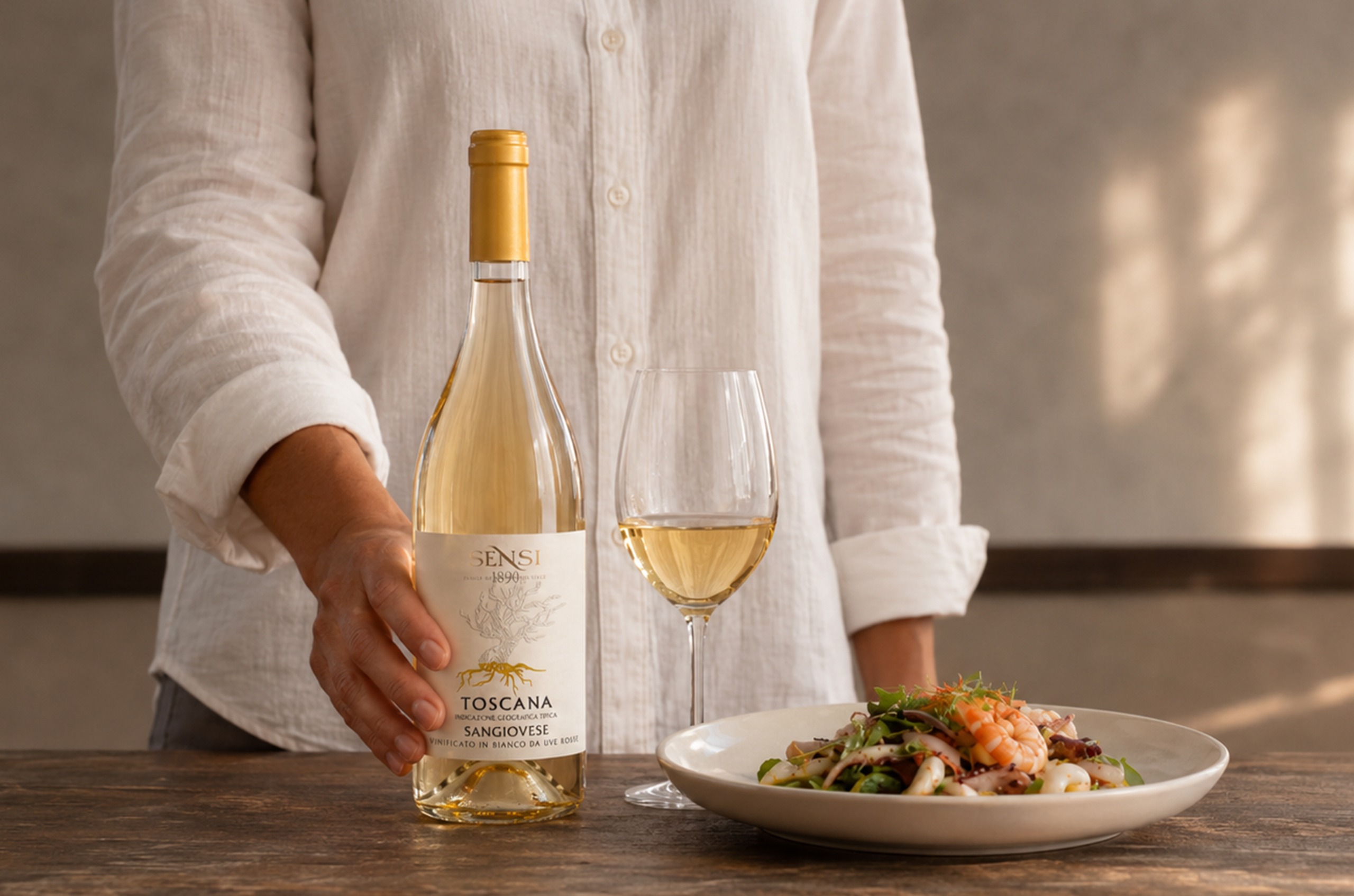 Sensi Vini: The gateway to your Italian wine exploration
Sponsored Chianti and beyond...
-
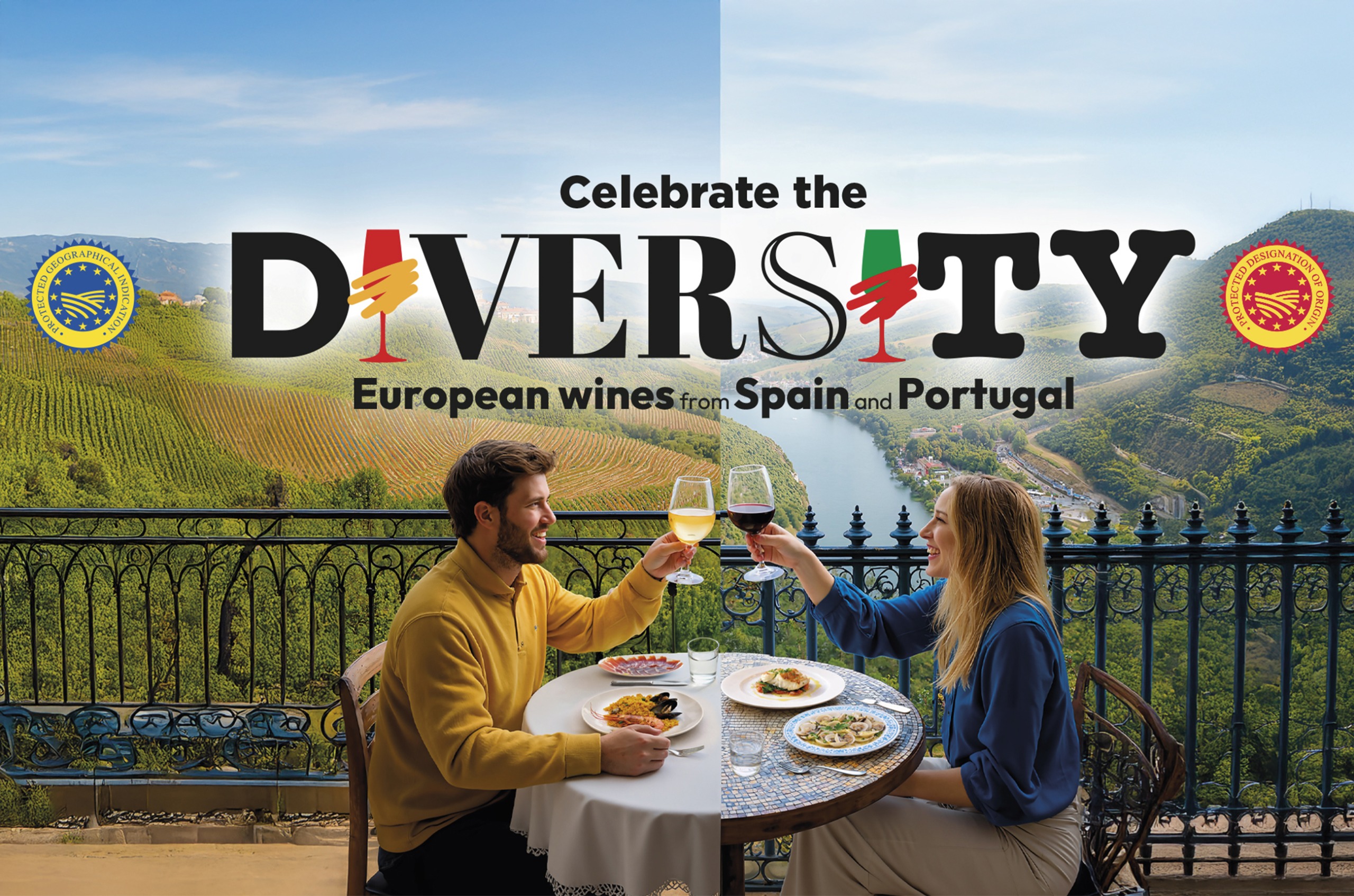 Celebrating European diversity
Sponsored Introducing the ‘Celebrate the Diversity’ project...


