

When Michele and Alfred-Alexandre Bonnie bought Château Malartic-Lagravière in late 1996, they knew they were embarking on much more than a business venture. This was, rather, a life journey built upon centuries of knowledge and a renewed focus on terroir expression and sustainability.
Now with their children, Jean-Jacques and Veronique, the helm of the estate and their daughter-in-law Séverine as Marketing and communications director, Malartic-Lagravière has become increasingly driven by an understanding of the local history and geology to produce wines that speak of their time and place. A deep awareness of the challenges of the future has placed sustainable farming at the core of their approach, seeking the preservation of the precious resources that were handed down to them.
More than terroir: an historical legacy
In the heart of Graves, Malartic-Lagravière is a special terroir in its own right. It sits on a terraced hillock carved through the ages by the Eau Blanche river and its tributaries. The meandering of waters has effectively created an archipelago of gravel islands. It’s on this geologically rich landscape, considered one of Léognan’s finest terroir, that Malartic-Lagravière’s vineyards grow – a total 73 hectares of vines planted to Merlot, Cabernet Sauvignon, Cabernet Franc, Petit Verdot, Sauvignon and Sémillon.
The nuances of each site’s soil profile and aspect result in a mosaic of plots whose fruit has different expressions. These subtleties can only be captured through mindful viticulture and skilful winemaking, both of which are central to how the Bonnies work. Historical understanding, technical expertise and the empirical, intuitive knowledge developed vintage after vintage is what supports the consistency of Malartic-Lagravière’s Cru Classé status.
The wines show both power and elegance, a balance achieved by using ripe, fresh fruit, and vinifying with short macerations and gentle extractions. The resulting wines, with fruit expressiveness and fine tannic structure, are then blended to harmony through rigorous selection and tasting.
A holistic agro-ecological vision
To the reliance on historical knowledge and geological fortune a new focus has been added: a broad understanding of sustainability and of the need to preserve the precious, and fragile, resources that allow such special wines to be produced. Upon acquiring the Château, the Bonnies implemented a holistic farming approach designed to promote biodiversity and soil health. The estate is a diverse and lively farm with work horses, striving local fauna & flora and, from April, a herd of ewes that will naturally control weeds and fertilise the soil while grazing.
Malartic-Lagravière is managed under a rigorous environmental charter having acquired the Haute Valeur Environnementale (HEV) certification in 2015. A new winery was built in 1997 also reflecting these principles; a gravity fed, energy efficient building that still is one of the most advanced production facilities in Bordeaux.

The doors are open at Malartic-Lagravière
A key component of the Bonnies’ effort to consolidate the estate’s sustainable ethos has been the ability to welcome and educate guests. The family has developed a comprehensive hospitality programme that goes well beyond the usual tours and wine tastings.
Instead, visitors and guests are invited to get fully immersed in the biodiversity of the estate’s landscape through ‘Les Chemins de Malartic tour’ and understand how a rich ecosystem plays a key role in growing the healthiest fruit that ultimately delivers the most expressive wines.

Dining is also central to the Malartic-Lagravière universe. The estate has a resident chef who develops ever changing menus based on the season’s produce. The ‘Chef Workshop’ and ‘Lunch at the Château’ experiences have granted the estate the Regional Award of the Best of Wine Tourism in 2020. And there are new experiences in the pipeline! The Bonnie family used The challenging idle lockdown period to write “The Four Seasons of Malartic”, featuring family recipes which visitors will now be able to prepare themselves during cooking classes with the estate’s chef. The perfect pretext to taste the Malartic-Lagravière wines!
Discover more about Malartic-Lagravière here
Connect on: Facebook | Instagram | YouTube


-
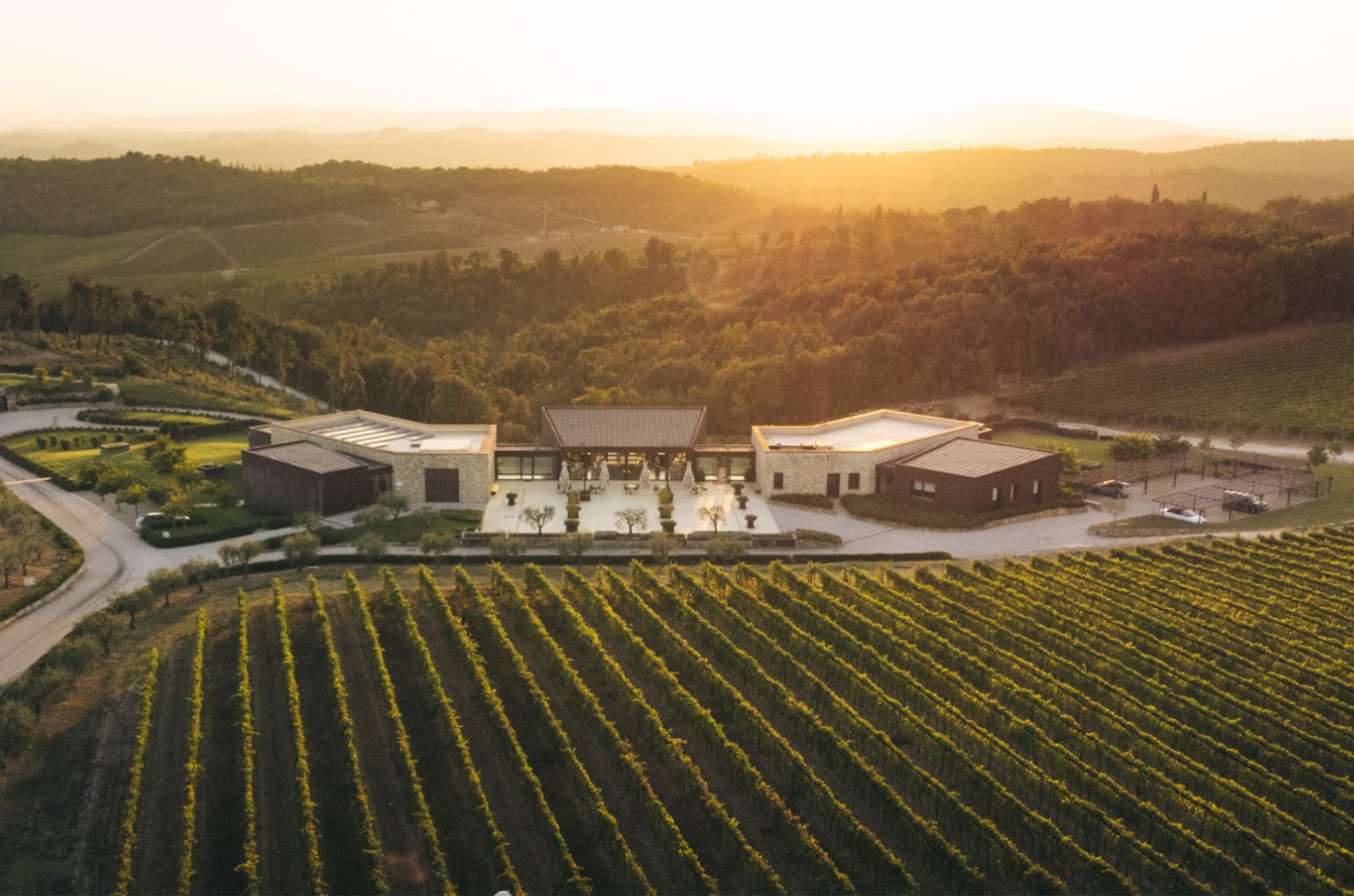 Vallepicciola: Tourism and winemaking in the Chianti hills
Sponsored Winemaking and luxury hospitality...
-
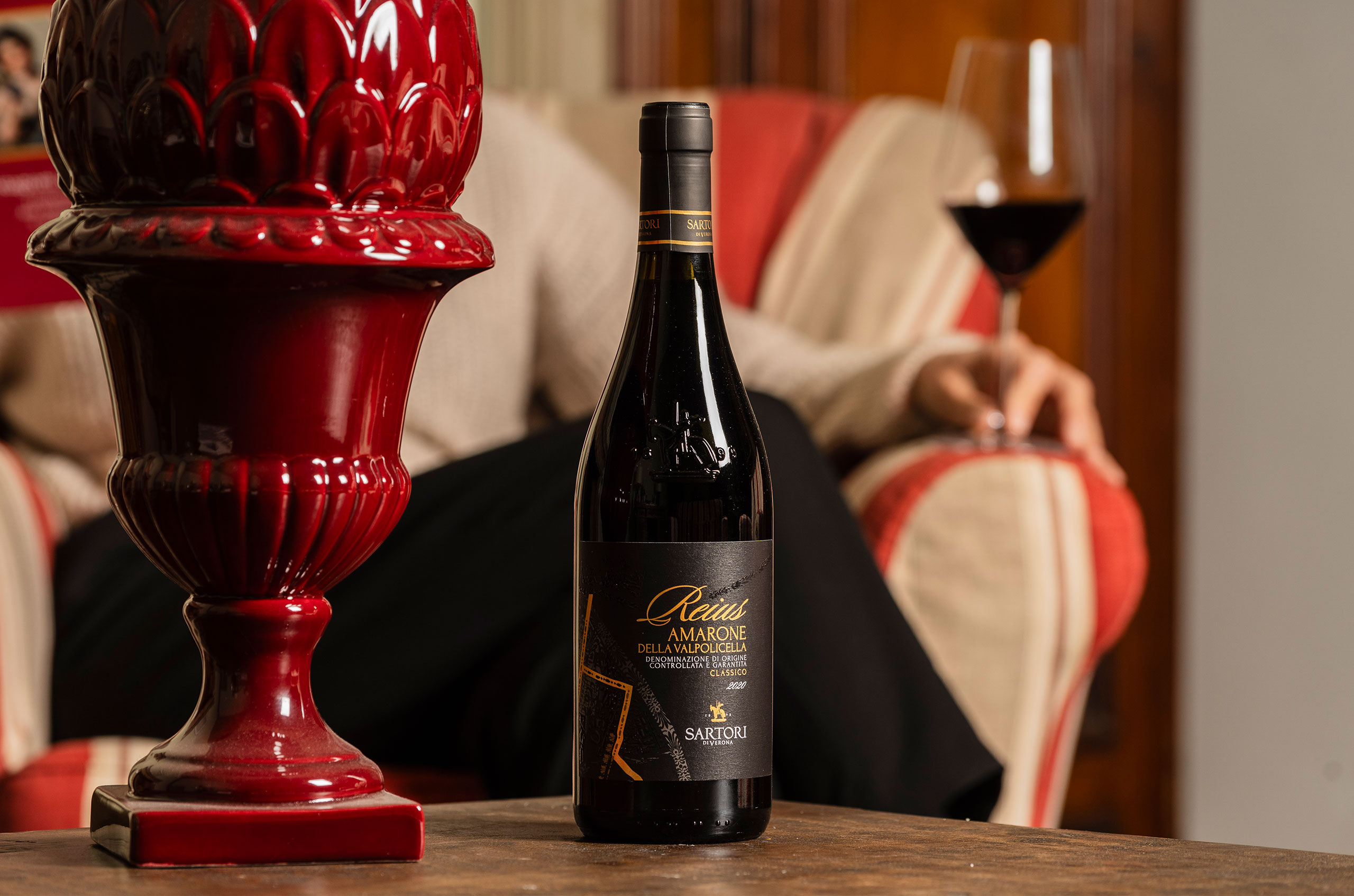 A standout voice in Valpolicella
Sponsored A key name for Valpolicella and Amarone...
-
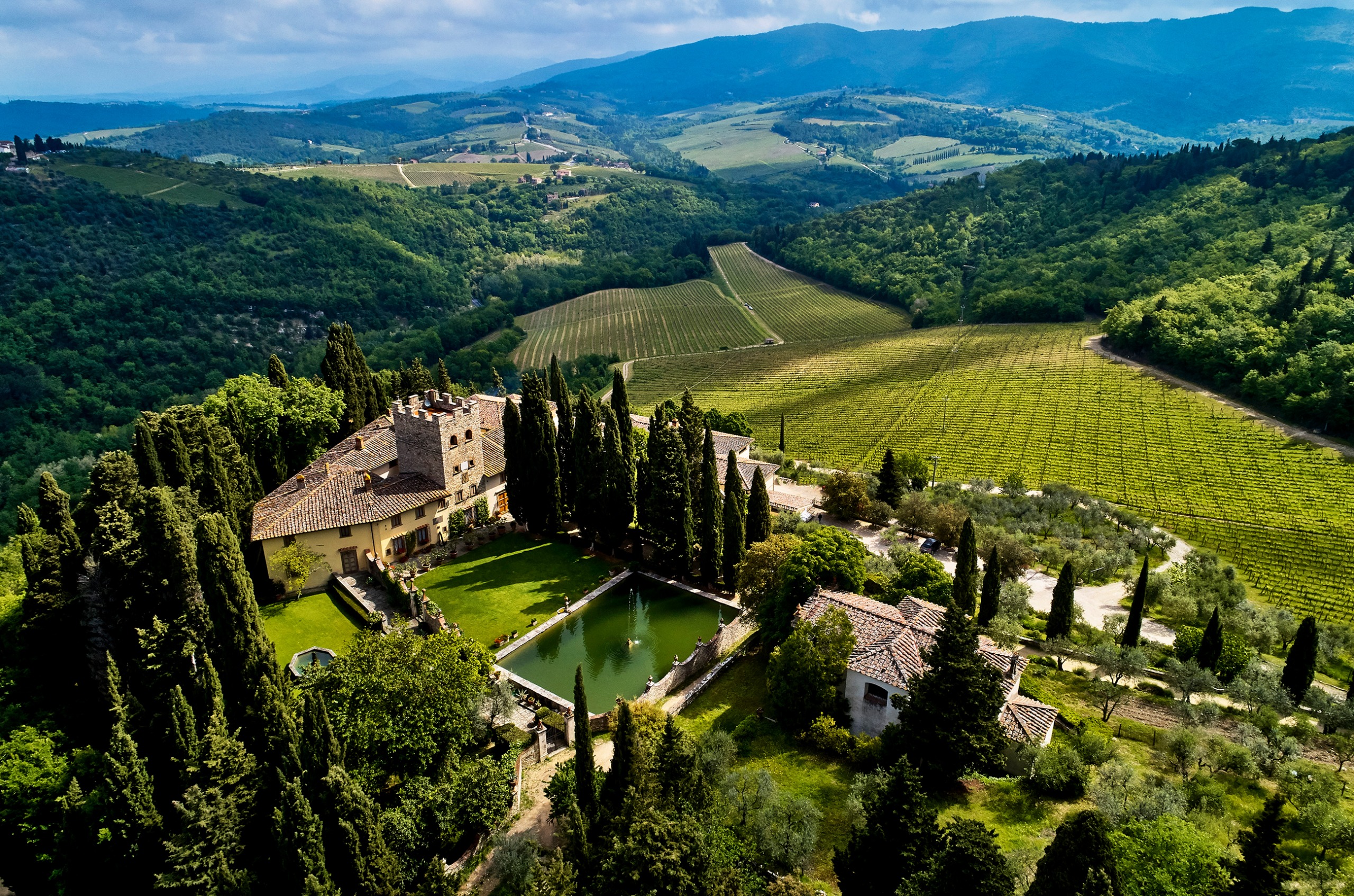 Discover the world of Castello di Verrazzano
Sponsored An ancient castle set amid sprawling vineyards...
-
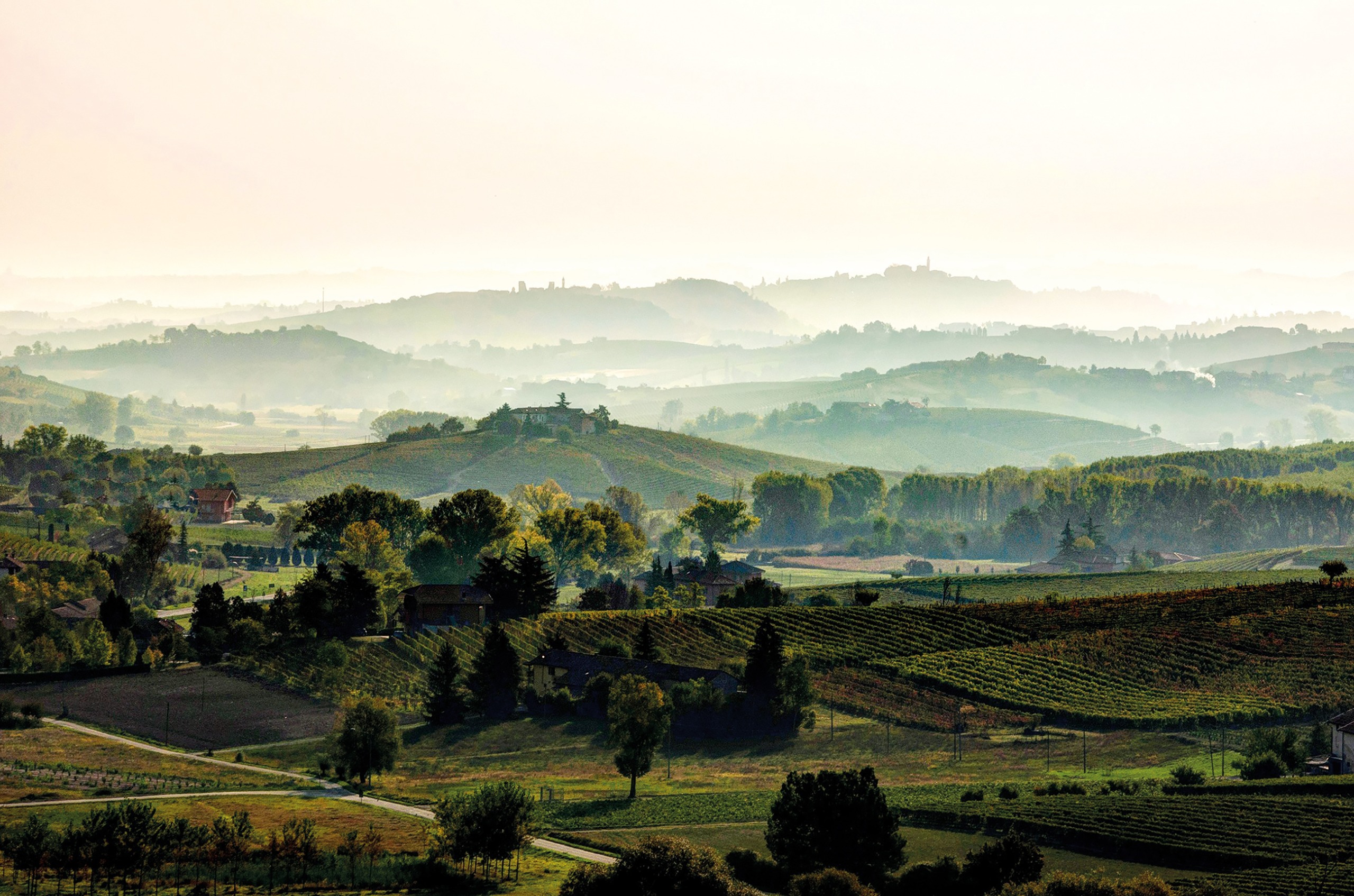 Barbera d'Asti DOCG: Tradition and modernity in Piedmont
Sponsored Many expressions of one variety...
-
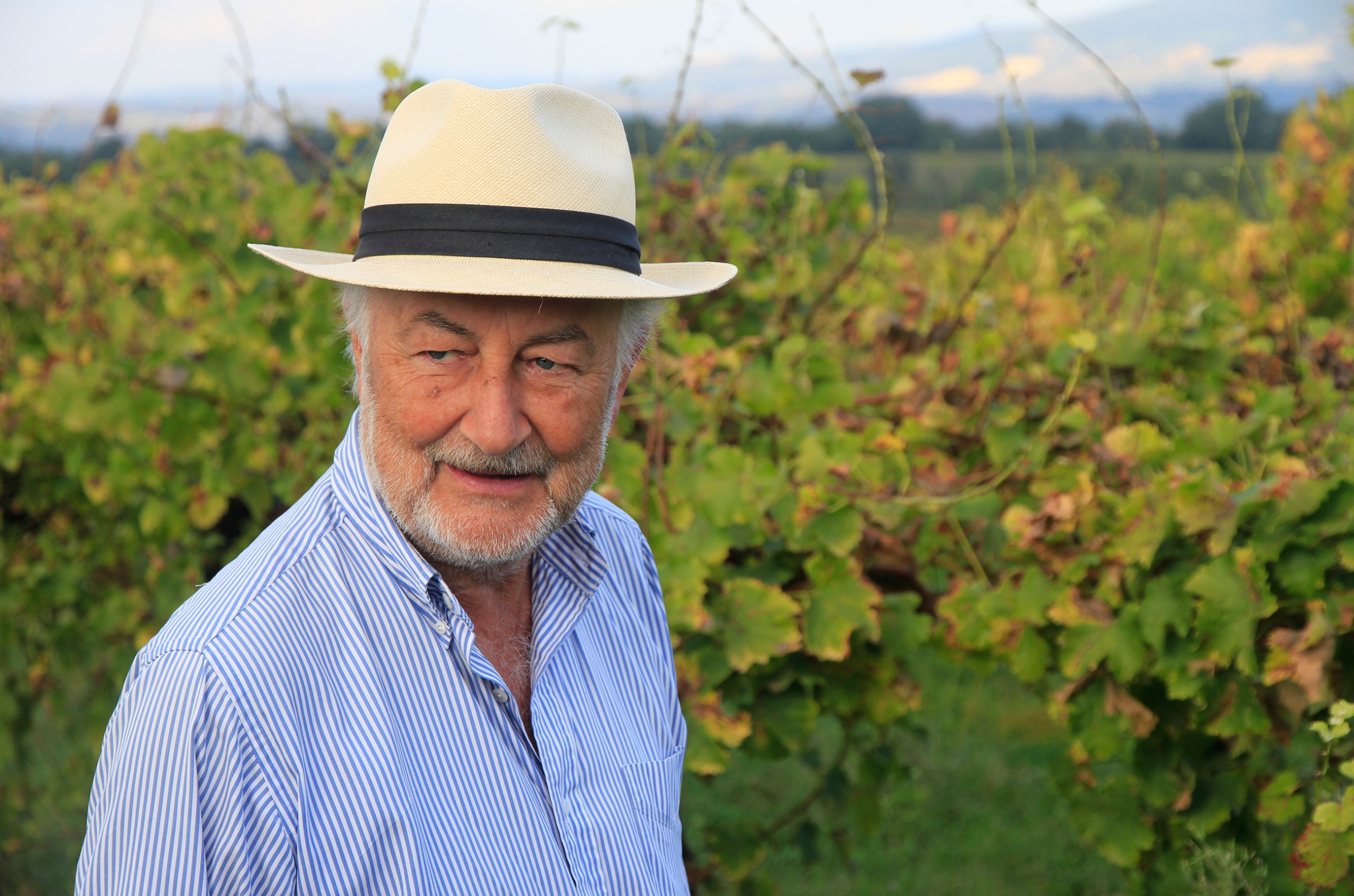 Sergio Mottura: Excellence in Tuscia
Sponsored A renowned figure in Lazio...
-
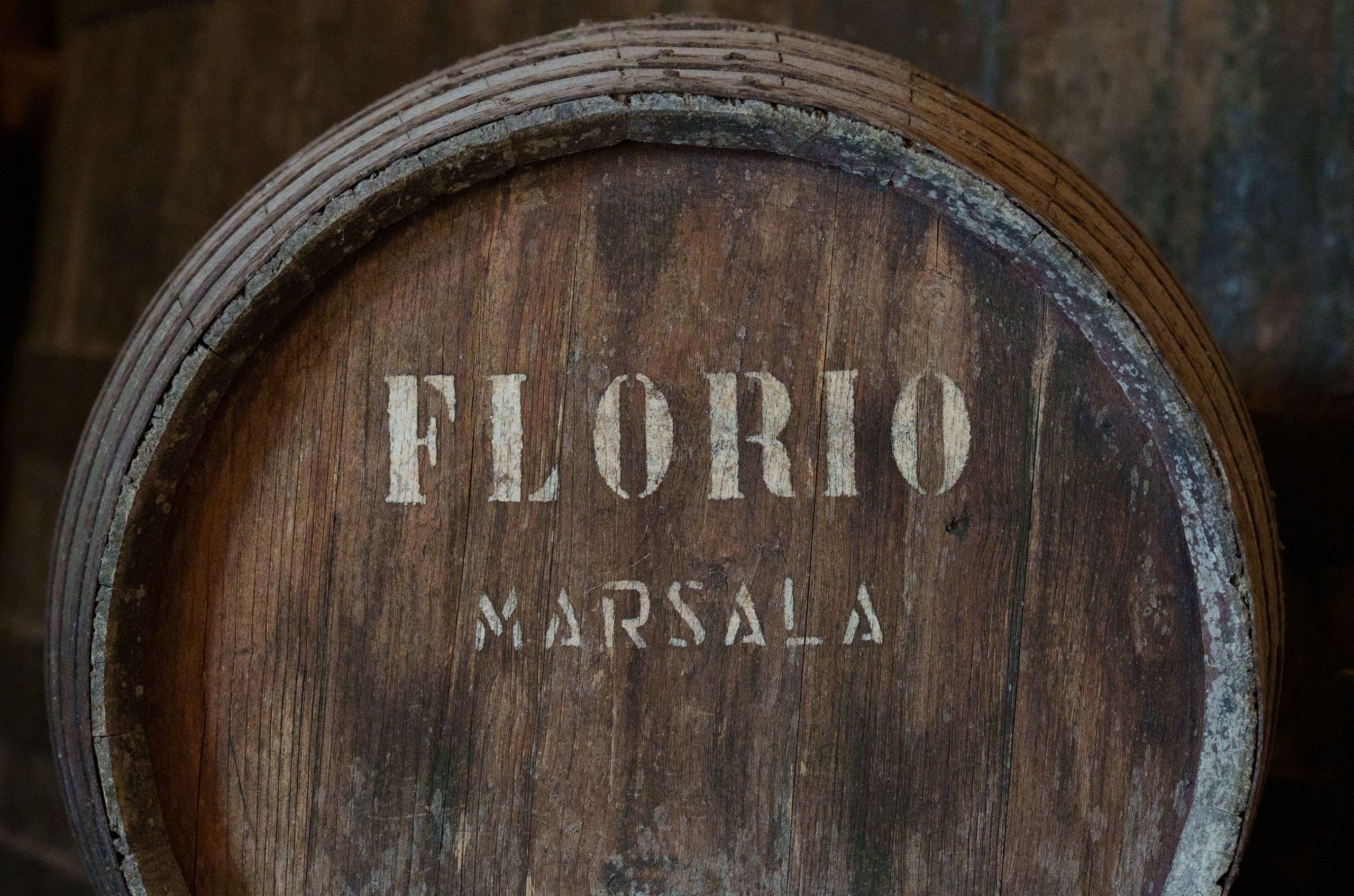 Florio: Winning new fans while respecting Marsala’s history
Sponsored An important milestone in Marsala...
-
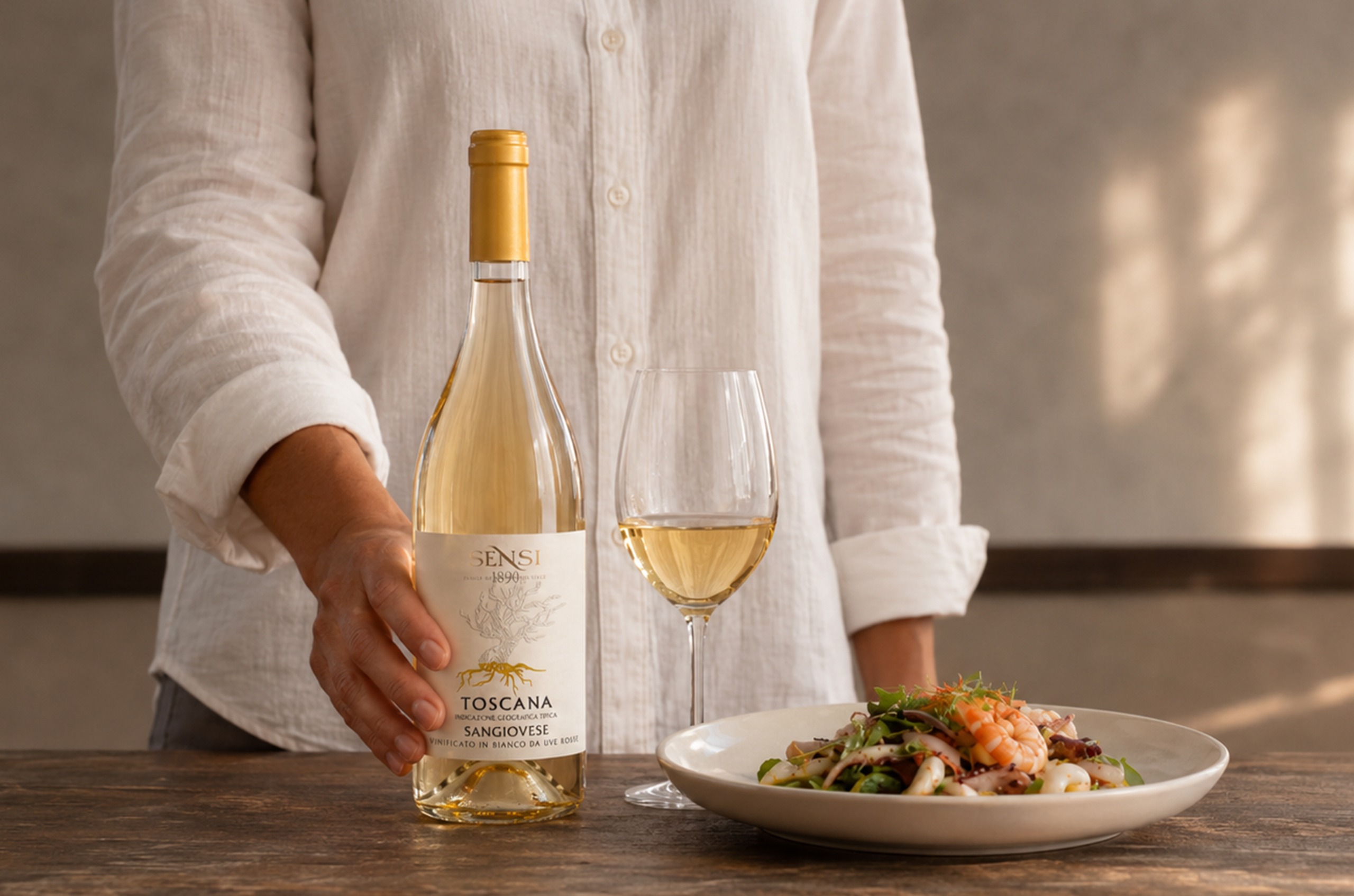 Sensi Vini: The gateway to your Italian wine exploration
Sponsored Chianti and beyond...
-
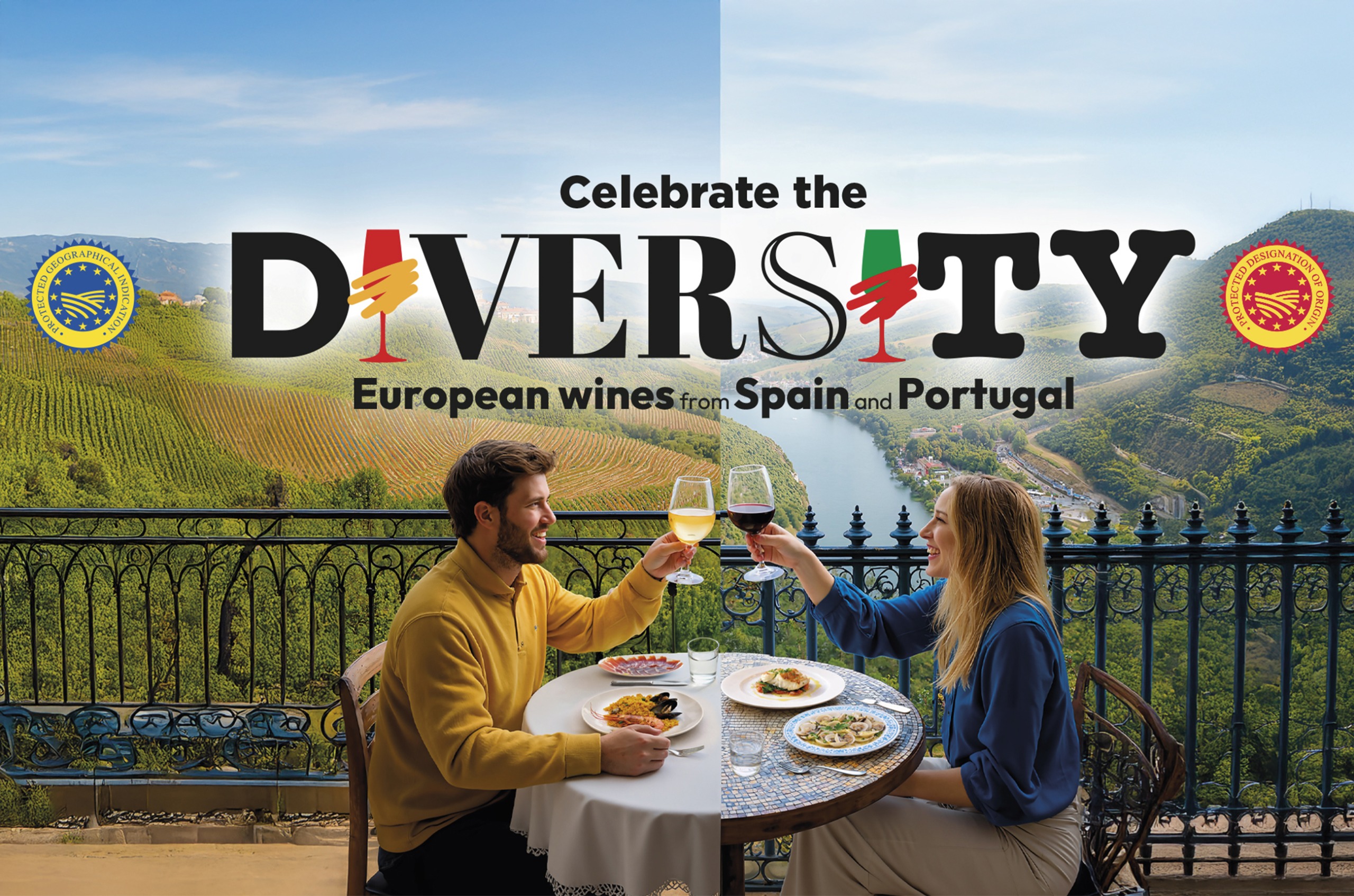 Celebrating European diversity
Sponsored Introducing the ‘Celebrate the Diversity’ project...


