

These vines are at Newton’s heart and have forged its reputation, yet sometimes can still seem as if they are guests, constituting as they do less than one fifth of the entire property.
The majority stakeholder on this land is barely-touched terrain and forest which, other than creating the very environment where the vines thrive, reflect the code by which Newton exists and is itself an old Chinese proverb: ‘If you look after nature, nature will look after you.’
This phrase was a central tenet for Newton’s co-founder, Su Hua, who established Newton Vineyard in 1977 with her English husband, Peter Newton, who used Spring Mountain’s steeply-angled slopes and volcanic soil as a home to red Bordeaux varietals which echoed his enthusiasm for French wine.
Imagination and innovation were both priceless attributes in the early years of the estate, with several farming practices needing to be developed from scratch due to the contours of the hillsides. Furthermore, in order to minimise their impact on the land, the Newtons recruited a crew of Pennsylvanian miners who dug a winery into the hillside meaning that over 80% of the facilities are subterranean and enjoy a constantly-cool temperature dictated by nature which stretch over three earthquake-resistant levels.
Unsurprisingly, a model of hands-off winemaking has always been adopted at Newton, with natural yeasts acting as the instigator for all fermentations which are carried out batch by batch. Several Napa Valley milestones have been marked within the cellar’s walls. Arguably one of the most significant also derived from Peter Newton’s passion for French wines, notably the Burgundian example of bottling without filtering, and with the debut release of an unfiltered Chardonnay in the early 1990s Newton Vineyards broke the mould by becoming the first Napa producer to proudly declare this on the label.
Today, the Newtons’ torch is kept alight by Head of Winemaking, Alberto Bianchi, whose talent has been honed across the world at properties including Terrazes de los Andes in Argentina, Cloudy Bay in New Zealand and Frescobaldi in his homeland of Italy. Working alongside Bianchi is Newton’s Head of Viticulture, Mayacamas Olds, herself having plied her trade both north and south of the equator before returning to the region where as a child she worked in her father’s vineyards, now tending to the land from which she got her name, cementing the legacy of the Newtons for the future guardians of this land.

-
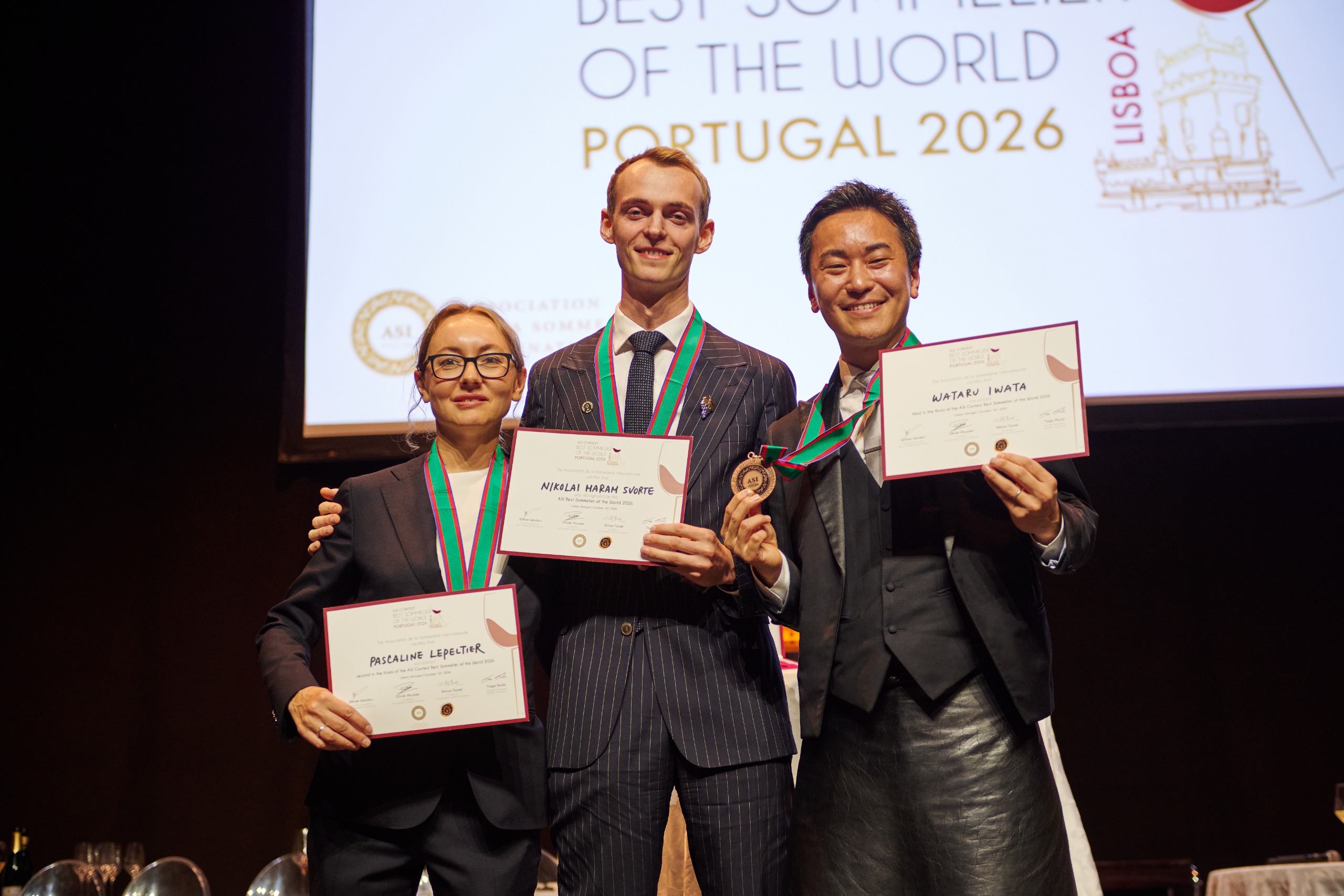 Norway’s Nikolai Haram Svorte crowned ASI Best Sommelier of the World 2026
The 29-year-old won on his debut at the contest, with France’s Pascaline Lepeltier claiming the second spot and Japan’s Wataru Iwata the third.
-
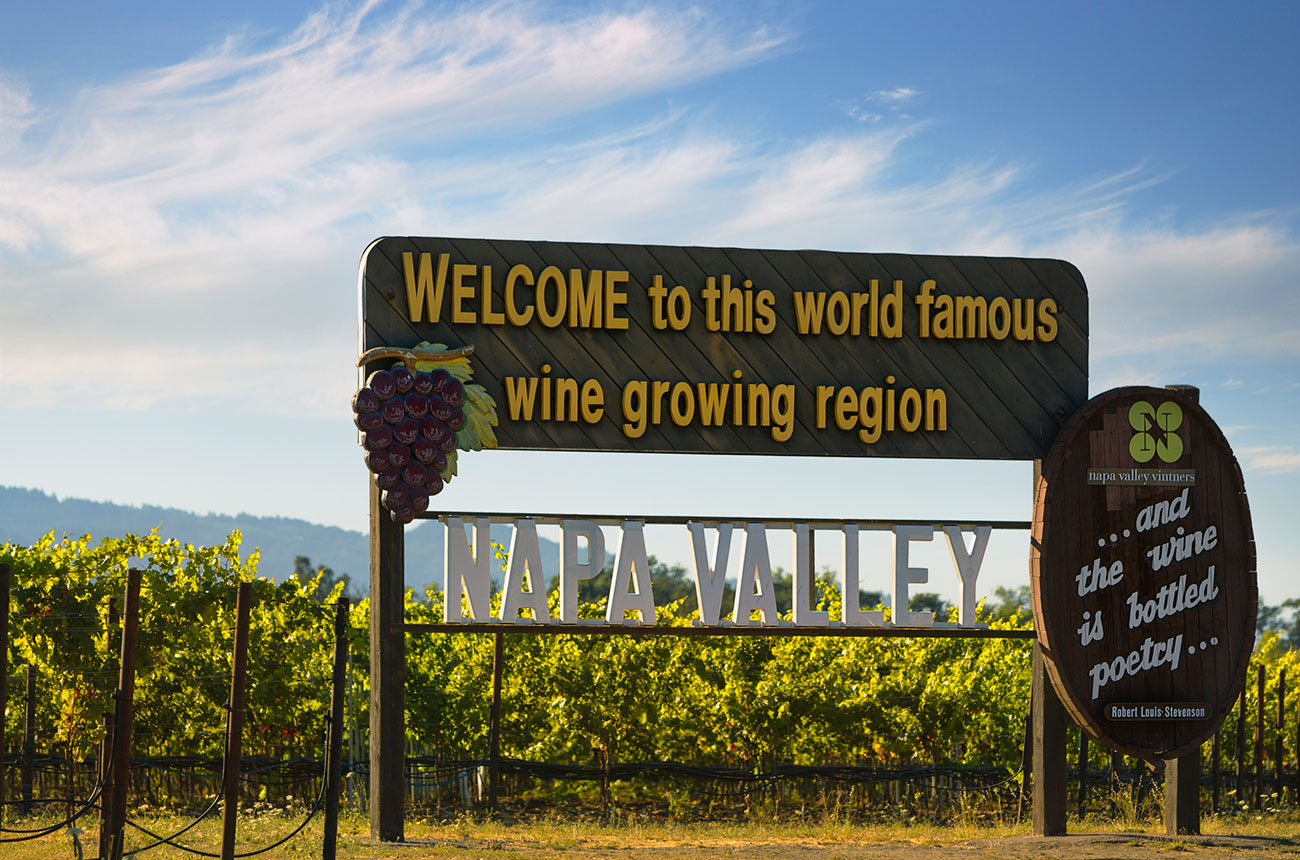 Napa Valley wine quiz: Take our 12-question challenge
Can you get a perfect score?...


-
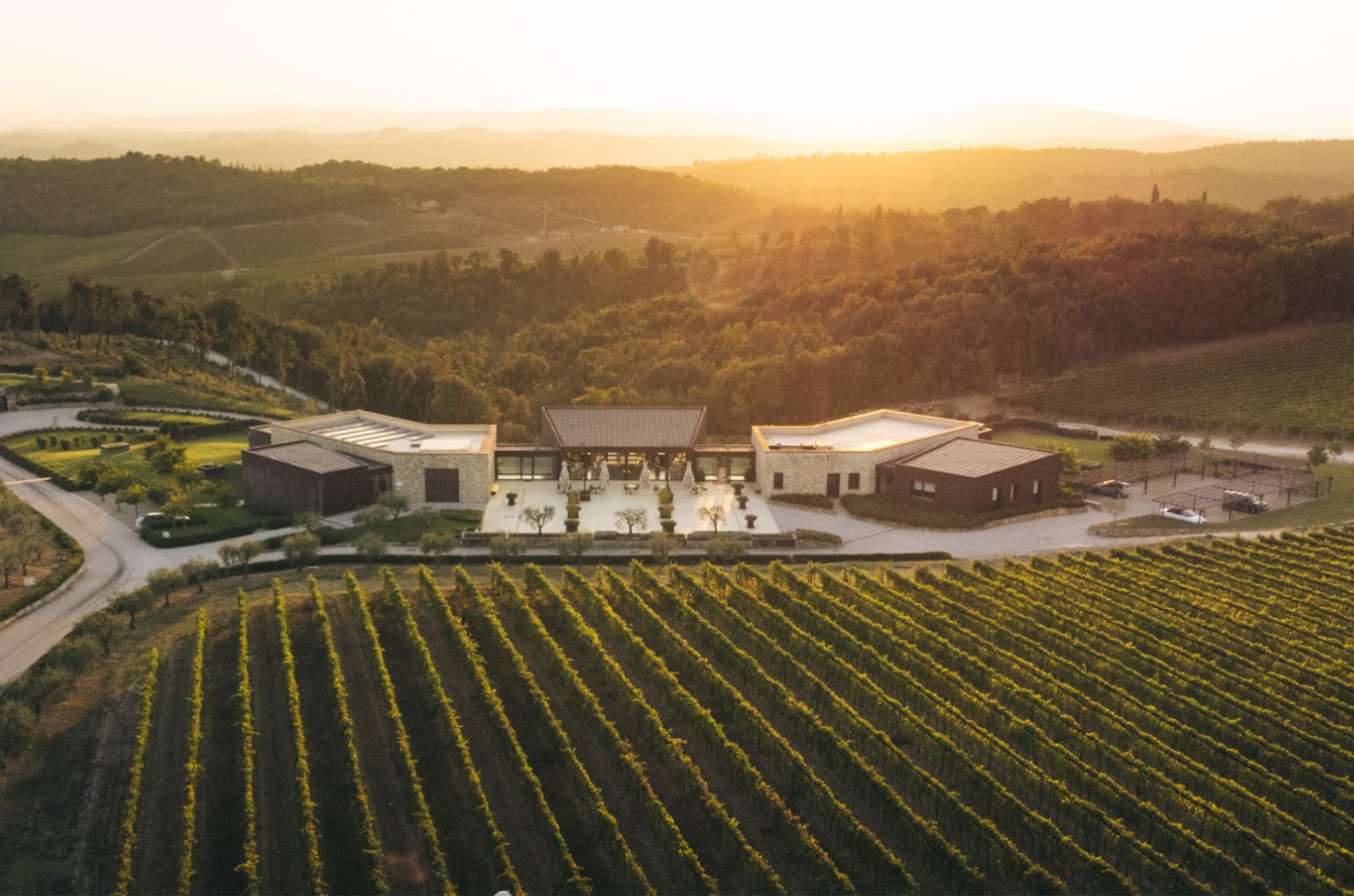 Vallepicciola: Tourism and winemaking in the Chianti hills
Sponsored Winemaking and luxury hospitality...
-
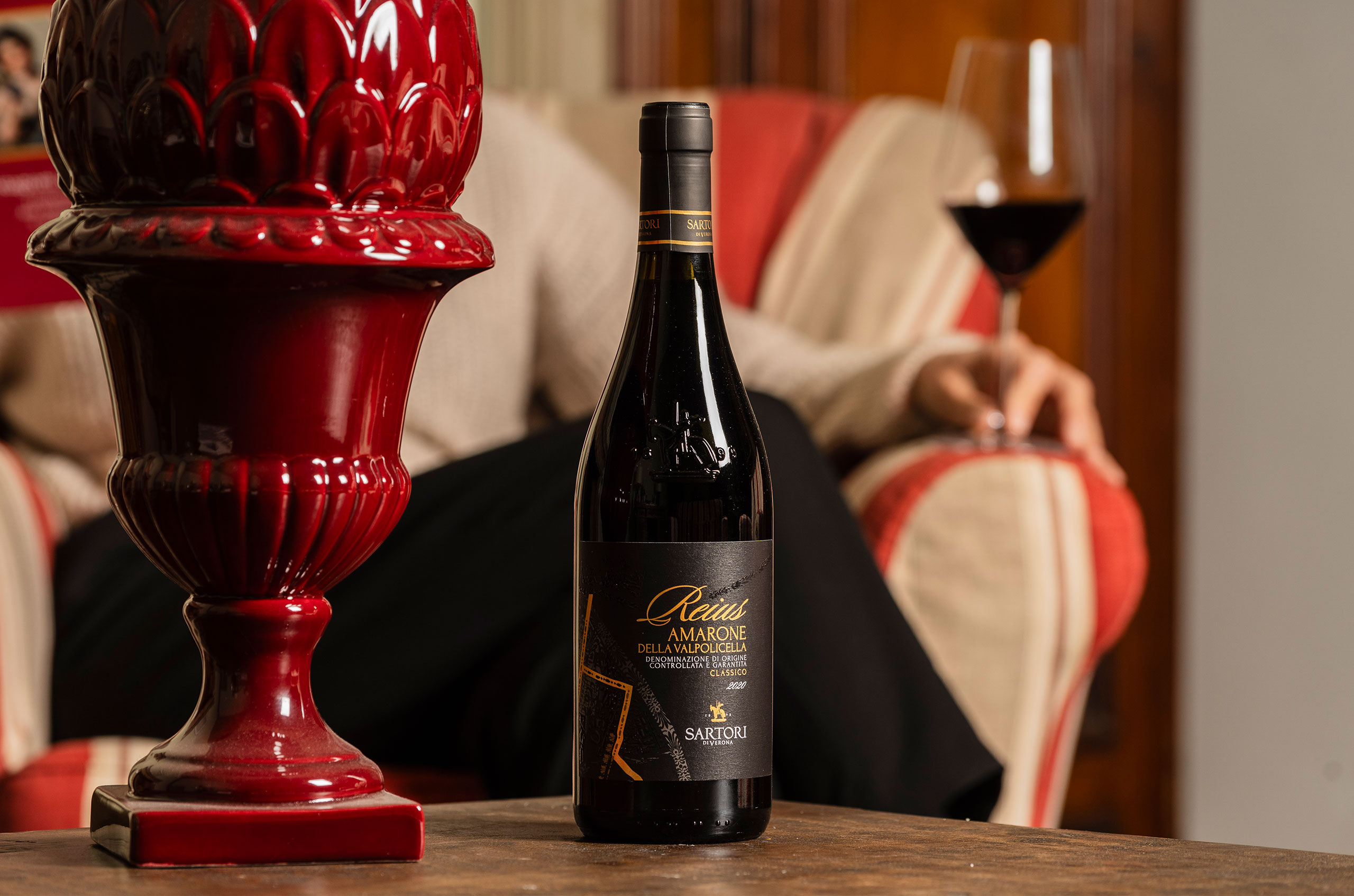 A standout voice in Valpolicella
Sponsored A key name for Valpolicella and Amarone...
-
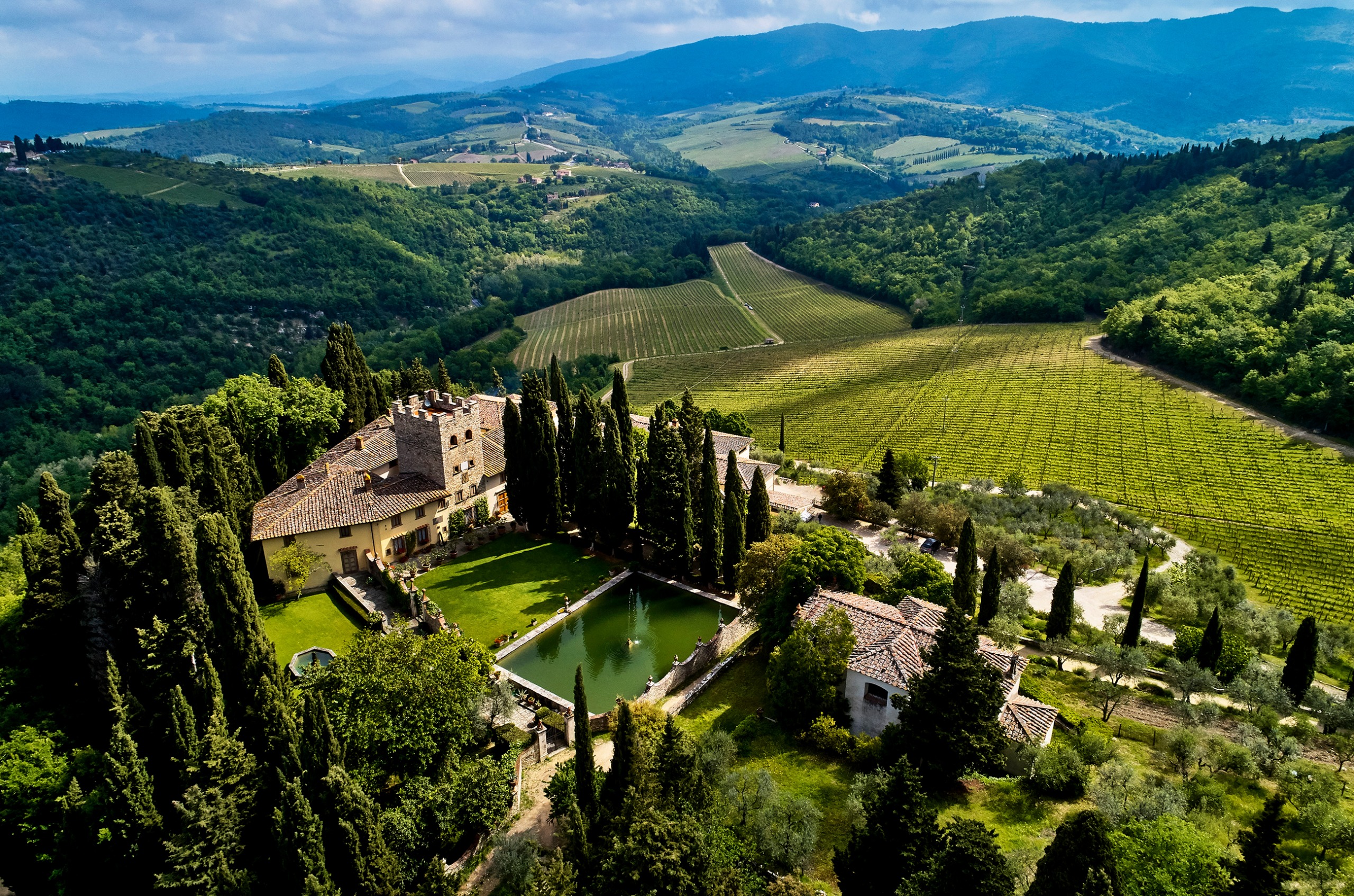 Discover the world of Castello di Verrazzano
Sponsored An ancient castle set amid sprawling vineyards...
-
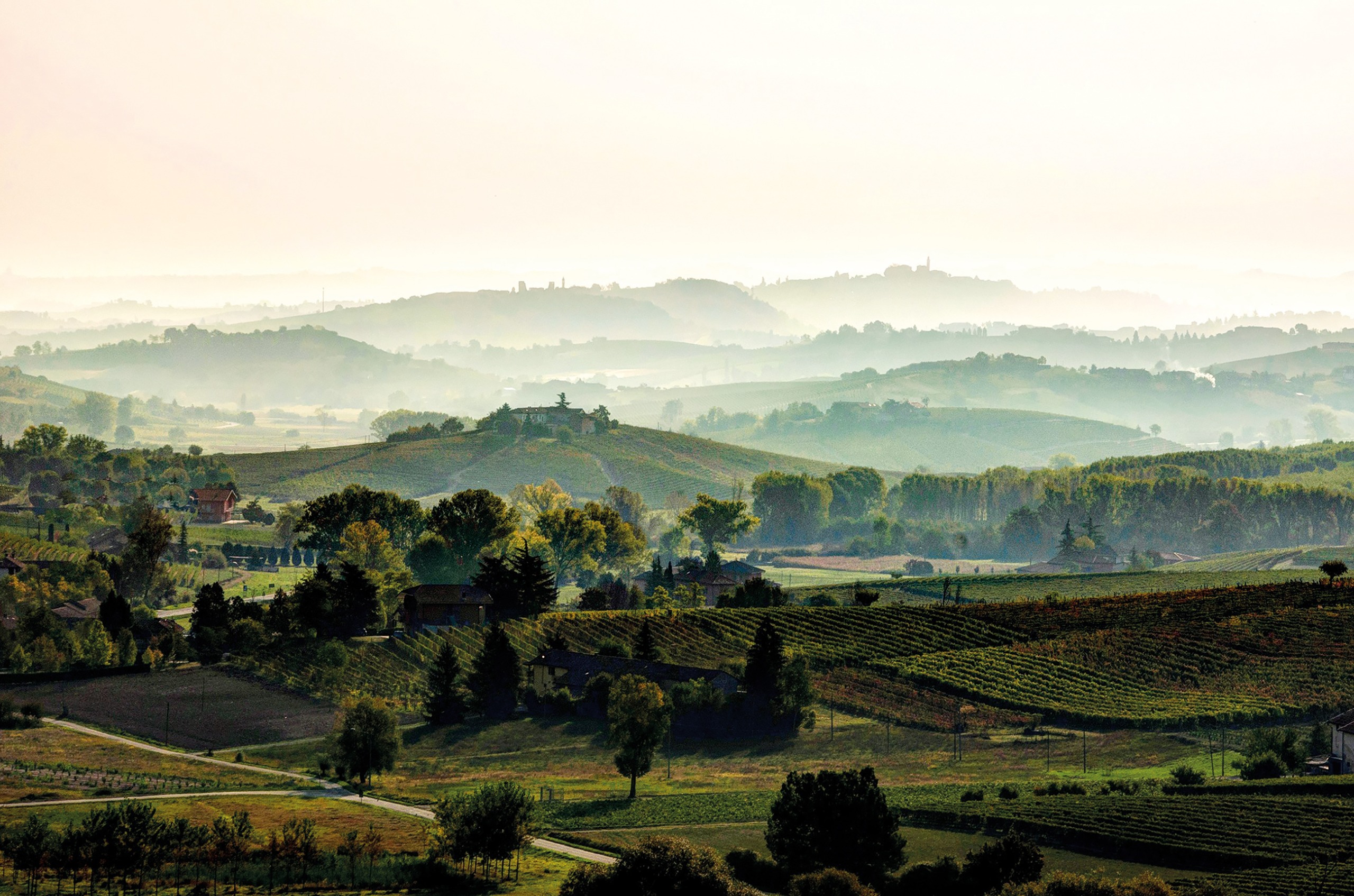 Barbera d'Asti DOCG: Tradition and modernity in Piedmont
Sponsored Many expressions of one variety...
-
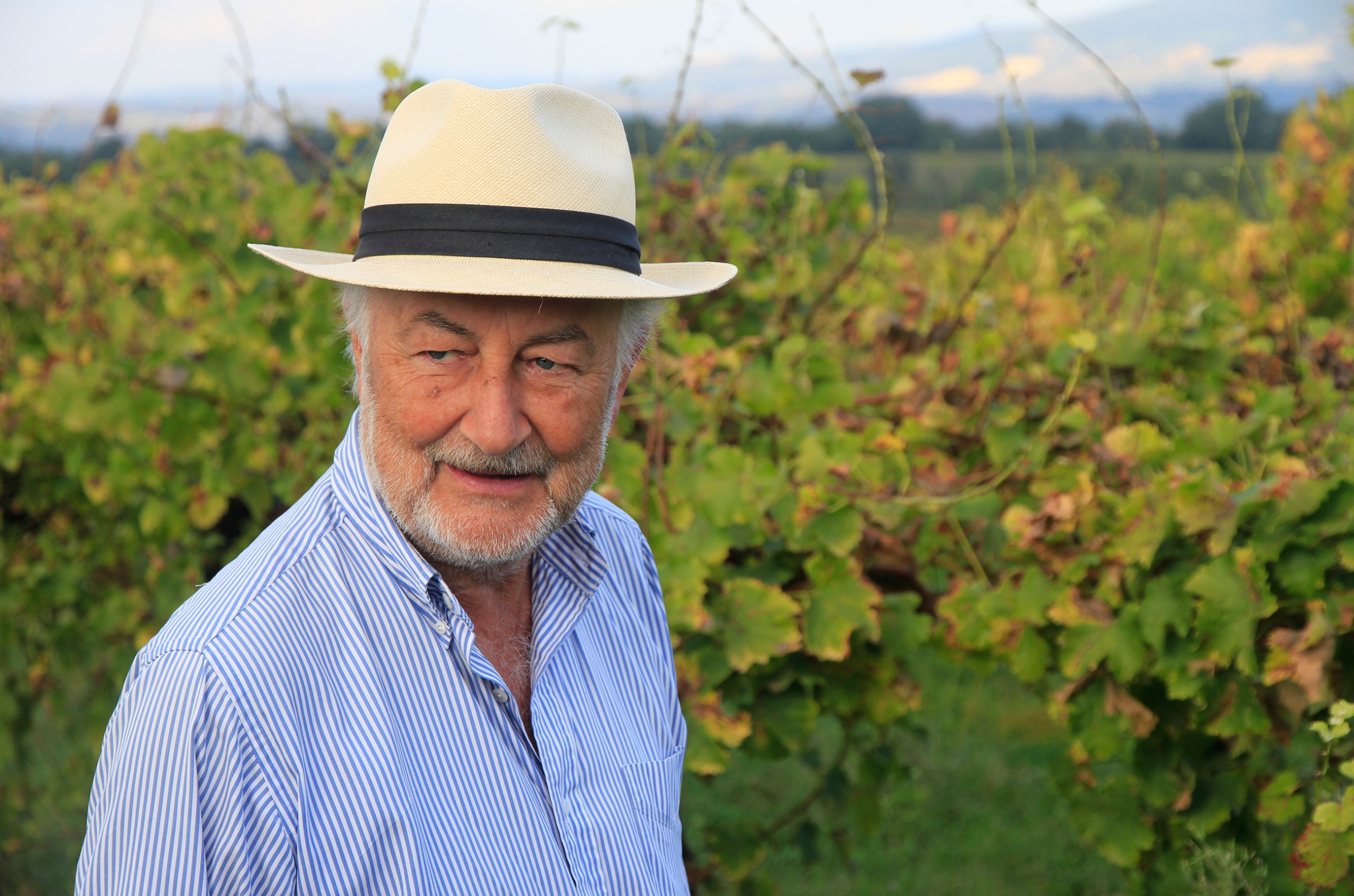 Sergio Mottura: Excellence in Tuscia
Sponsored A renowned figure in Lazio...
-
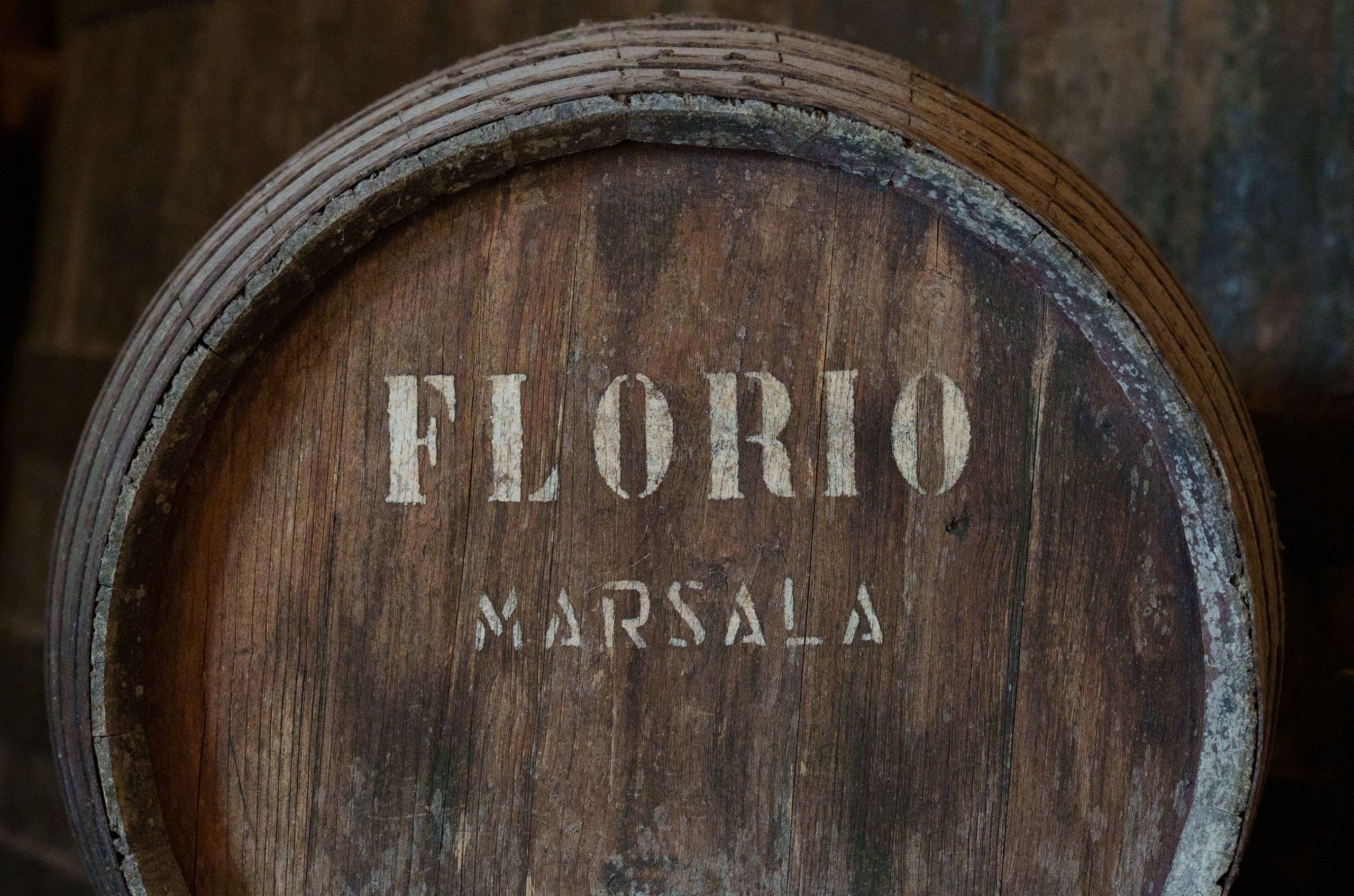 Florio: Winning new fans while respecting Marsala’s history
Sponsored An important milestone in Marsala...
-
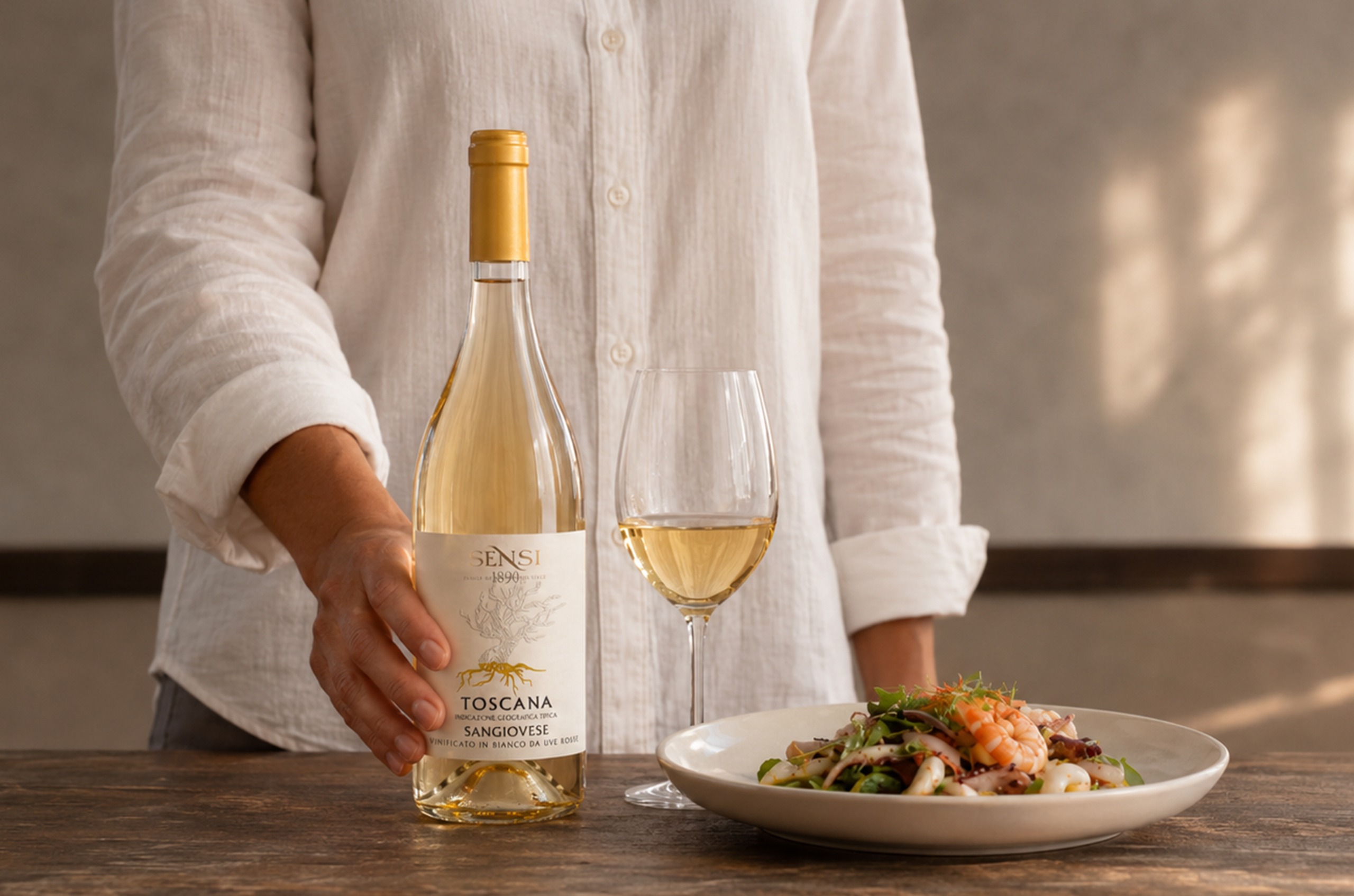 Sensi Vini: The gateway to your Italian wine exploration
Sponsored Chianti and beyond...
-
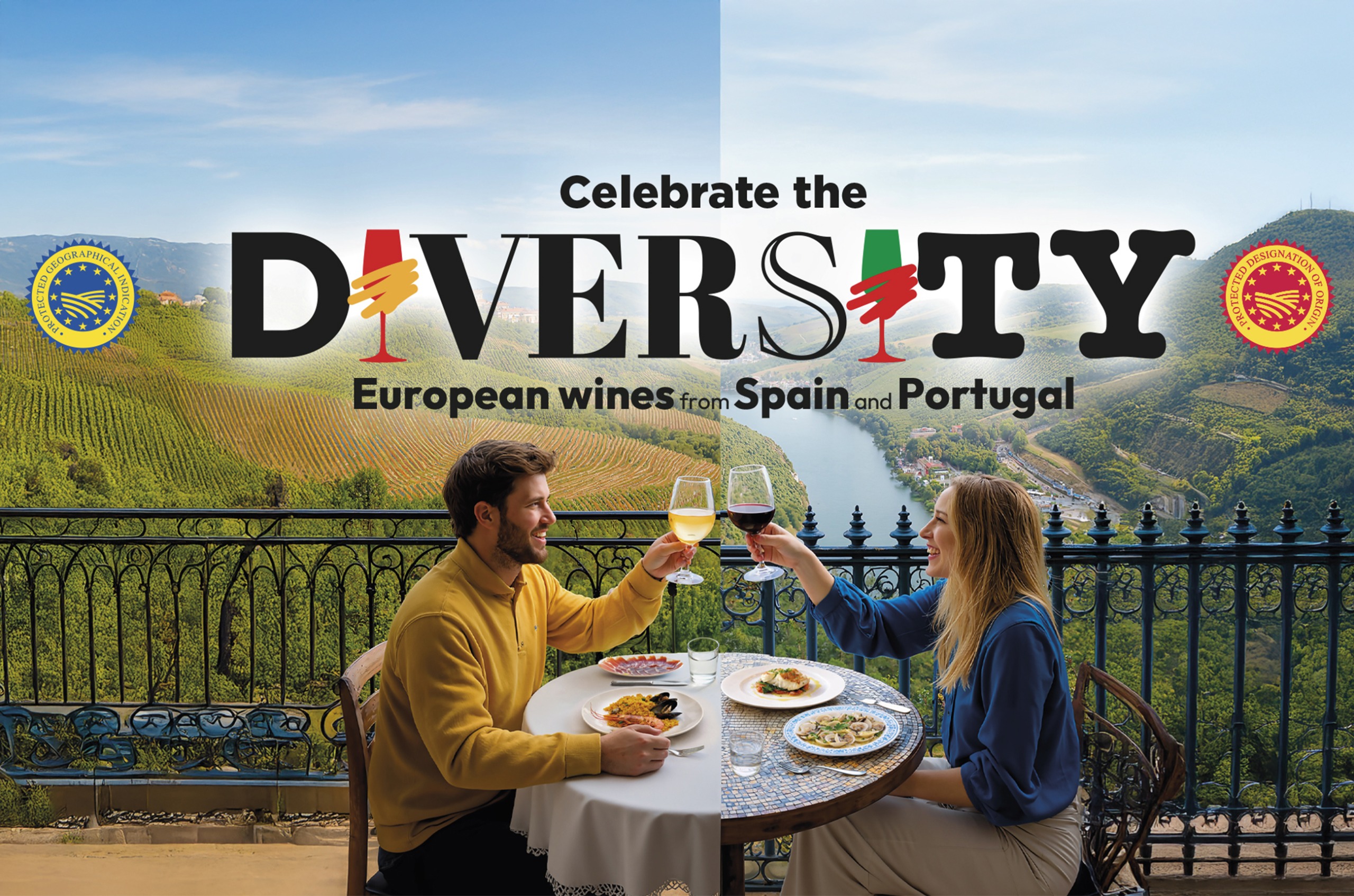 Celebrating European diversity
Sponsored Introducing the ‘Celebrate the Diversity’ project...


