

In 1966, at the tender age of 32, Juan Mari Arzak won Spain’s National Gastronomy Prize and attained the first Michelin star for his eponymous restaurant in San Sebastián. The accolades recognised the chef’s talent and pioneering spirit as one of the leading figures – alongside, among others, Pedro Subijana – of the ‘new basque cuisine movement’, whose international impact can still be felt today. The second Michelin star followed in 1977, with the top, three-star honour bestowed upon the venue in 1989. Since then, the restaurant has never left the three-starred pantheon.
For many, filling Juan Mari’s shoes would be too daunting a challenge. For Elena Arzak, Juan Mari’s daughter, it’s been a joyful privilege and a quest she embarked on while making her own indelible mark in the history of Spanish gastronomy – namely as a trailblazer for female chefs in a male-dominated industry.
Before joining her father in the kitchen at Arzak, Elena completed her hospitality studies in Switzerland and honed her craft at some of the world’s most renowned culinary venues, including Pierre Gagagnaire (Paris), Louis XV (Montecarlo), Le Gavroche (London), Antica Ostería del Ponte (Milan) and El Bulli (Roses, Catalonia).

Her commitment and creativity have been recognised internationally over the years. In 2001 Elena was the recipient of the Chef de l’Avenir (chef of the future) award given by the International Academy of Gastronomy and, in 2010, of the Spanish National Gastronomy Award – the top accolade from the country’s Academy of Gastronomy. The World’s 50 Best Restaurants then awarded her the Veuve Clicquot World’s Best Female Chef title in 2012.
Elena is eager to highlight that the success and longevity of the Arzak project is an ongoing, collaborative team effort, with different professionals contributing with complementary knowledge and different perspectives. Elena, as her father before her, has surrounded herself with a team of talented individuals, who share the same working ethos and attention to detail.
Not least head sommelier Mariano Rodríguez, who has been at Arzak for 45 years, helping to build the restaurant’s comprehensive and ever-evolving programme (with 4,900 references currently on the list).
‘The wine world evolves very rapidly, which is why – with great respect for his knowledge and expertise – I’ve fully delegated the responsibility to Mariano,’ says Elena. ‘We need to retain the [wine] classics while also being constantly up to date. This is essential, especially when it comes to finding the perfect pairings for our food,’ she concludes. The wine list therefore echoes her ongoing research in Arzak’s kitchen and laboratory, searching for new flavours while never losing sight of her Basque origins.

Both Elena and Mariano say that ‘the wines of Remírez de Ganuza have always been there’, when looking back at their respective professional trajectories. ‘Remírez de Ganuza is one of the key references on our wine list – and has been for the past 40 years,’ explains Mariano. ‘The wines have always stood out. Even the classics of Remírez de Ganuza are not like other classics.’
Today, Arzak has all of the wines produced by Remírez de Ganuza on its extensive selection, including multiple vintages of the same label. ‘These are wines with incredible cellaring potential. We have quite a few verticals, especially for the Gran Reservas [Blanco and Tinto],’ he explains.
‘What I value the most,’ adds Elena, ‘is the human aspect of the project. There’s a very strong team spirit and relentless passion for their craft – in this sense Remírez de Ganuza is very similar to Arzak. There’s always been a strong affinity between the two teams because we share this love for perfection.’
Elena Arzak’s perfect pairing

Pichón con delicias de naranja
A personal take on a classical canard à l’orange, a dish that played a central role in Elena’s family and early professional life. Duck from the Landes department, a mere 30km away across the border with France, is roasted and served with dried orange, cocoa powder and carob & orange lokum. Elena’s creation plays on the finesse of seemingly very intense flavours, in a perfect balance of sweetness and savouriness, earthiness and fruitiness.
Paired with

Remírez de Ganuza Reserva 2015
88% Tempranillo, 10% Graciano and 2% skin of white grapes (Viura and Malvasía); 15% abv
The fruit hails from selected parcels with an average age of 60 years; all hand-harvested and carefully selected. Alcoholic fermentation in stainless steel and concrete tanks followed by malolactic fermentation and 27 months ageing in barriques (74% French and 26% American oak, 60% of which new).
The wine’s silky tannins, velvety texture and evolving tertiary notes – tobacco box, leather – made the perfect match, according to Elena and Mariano, for the delicate combination of strong ingredients in the dish. It underscores its citric and subtly sweet notes while also bringing the earthiness of the cocoa and carob to the forefront.
Discover more about Remírez de Ganuza
Connect on: Facebook | X | Instagram | Linkedin


-
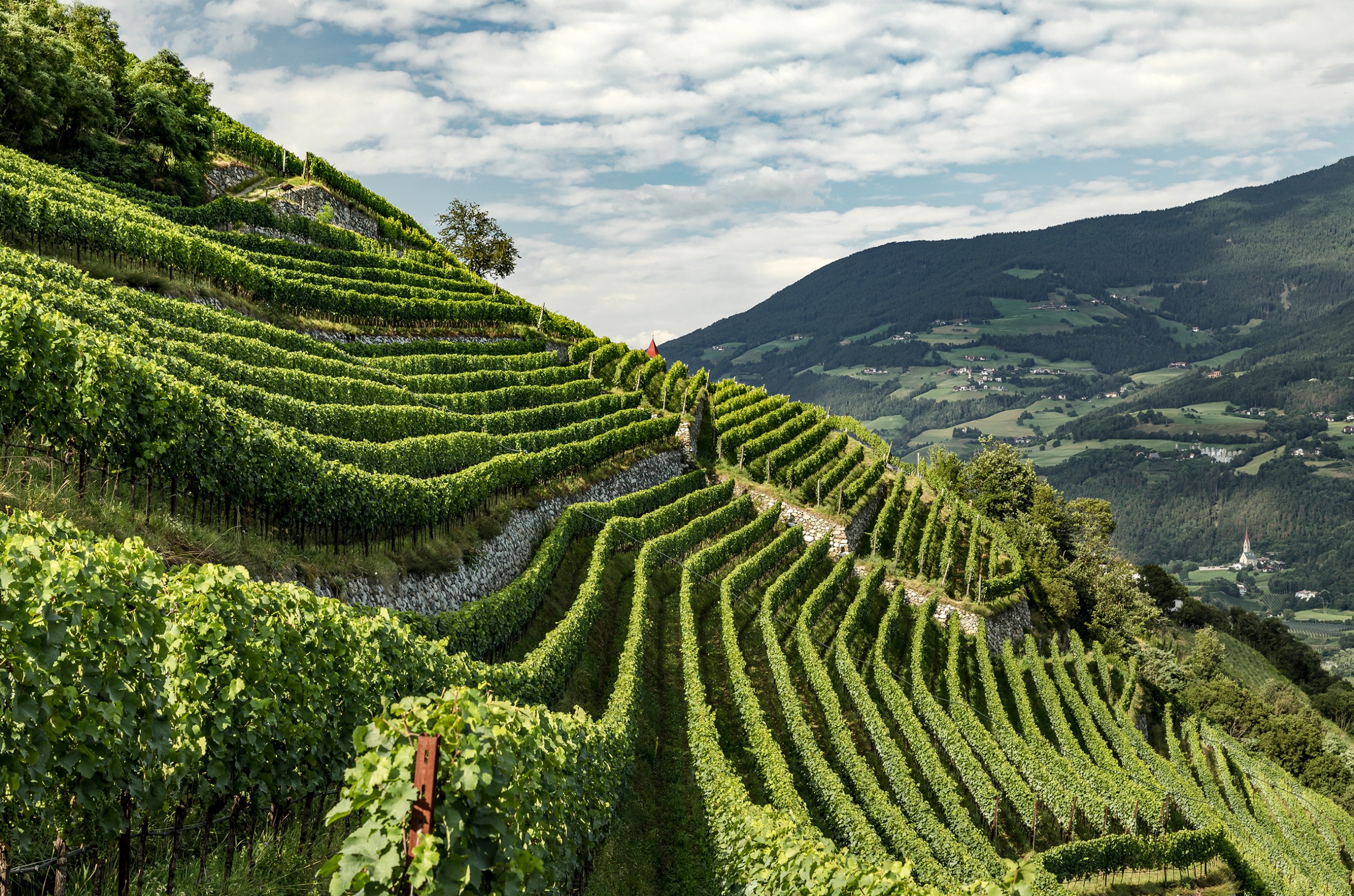 Alto Adige: Where diversity meets quality
Sponsored A hidden gem...
-
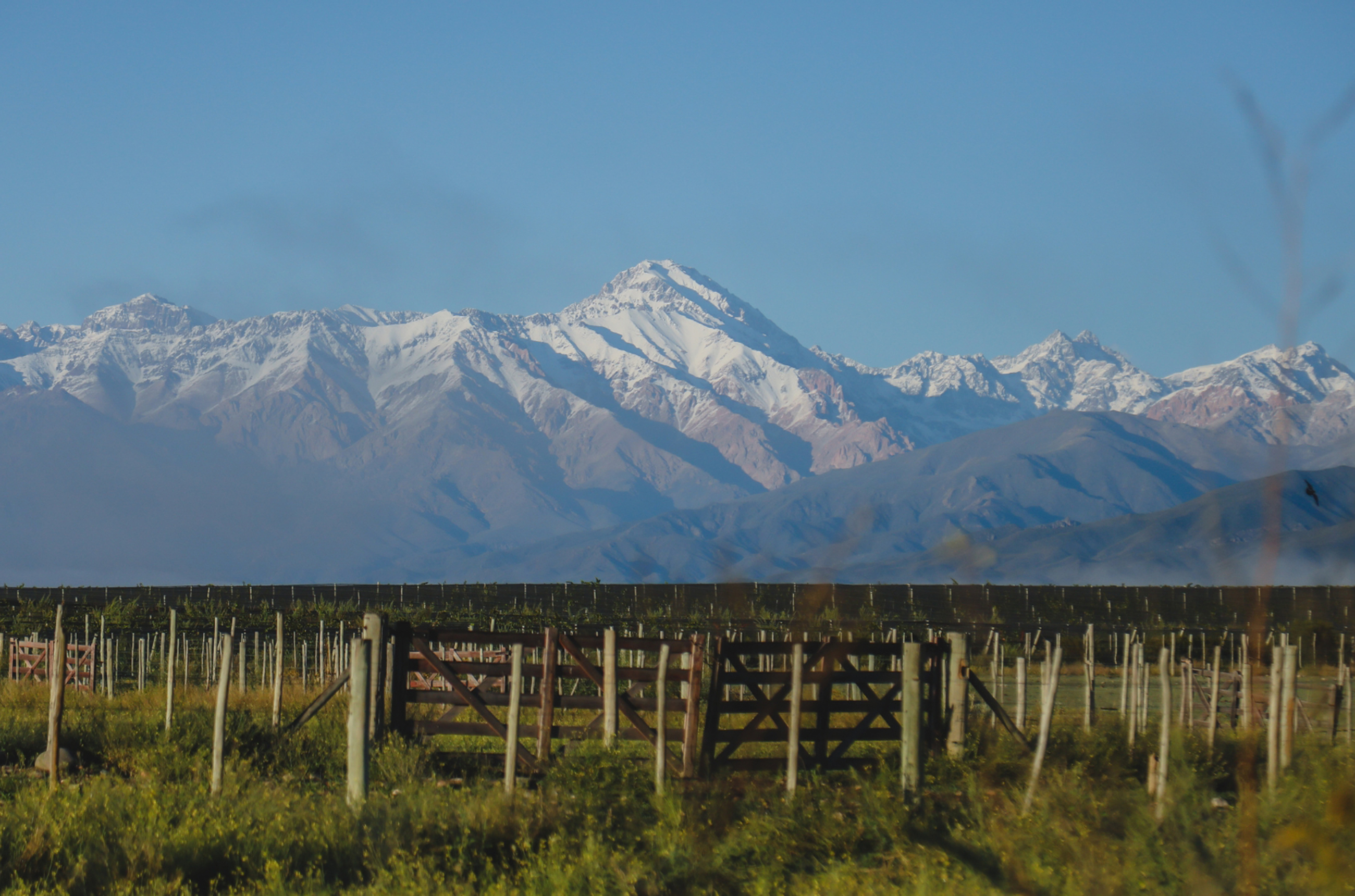 Gualtallary Wines: A Mendoza winery with an international vision
Sponsored Excellence at high altitude...
-
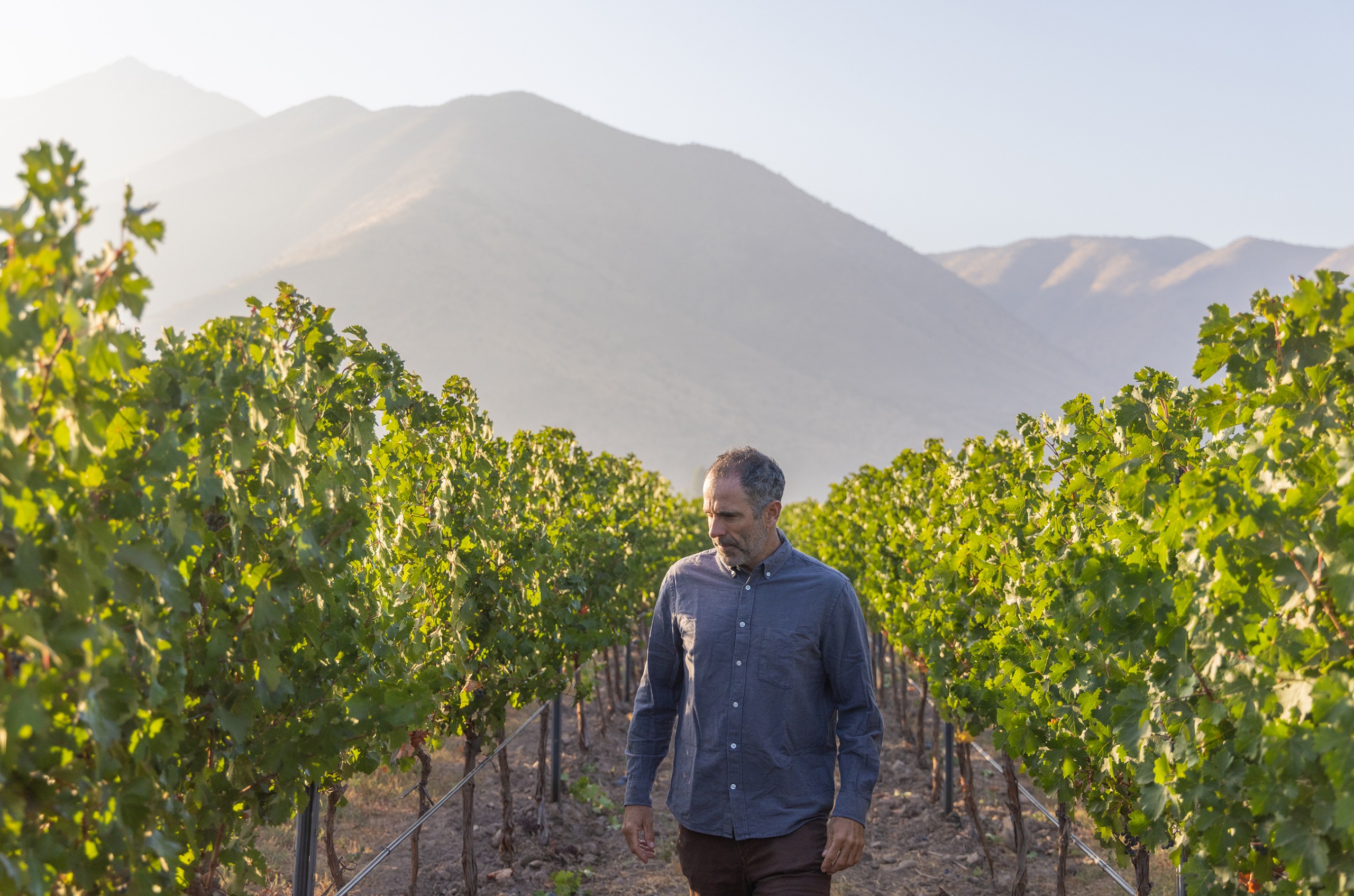 Casa Real 2023: A South American icon
Sponsored A renowned Cabernet Sauvignon...
-
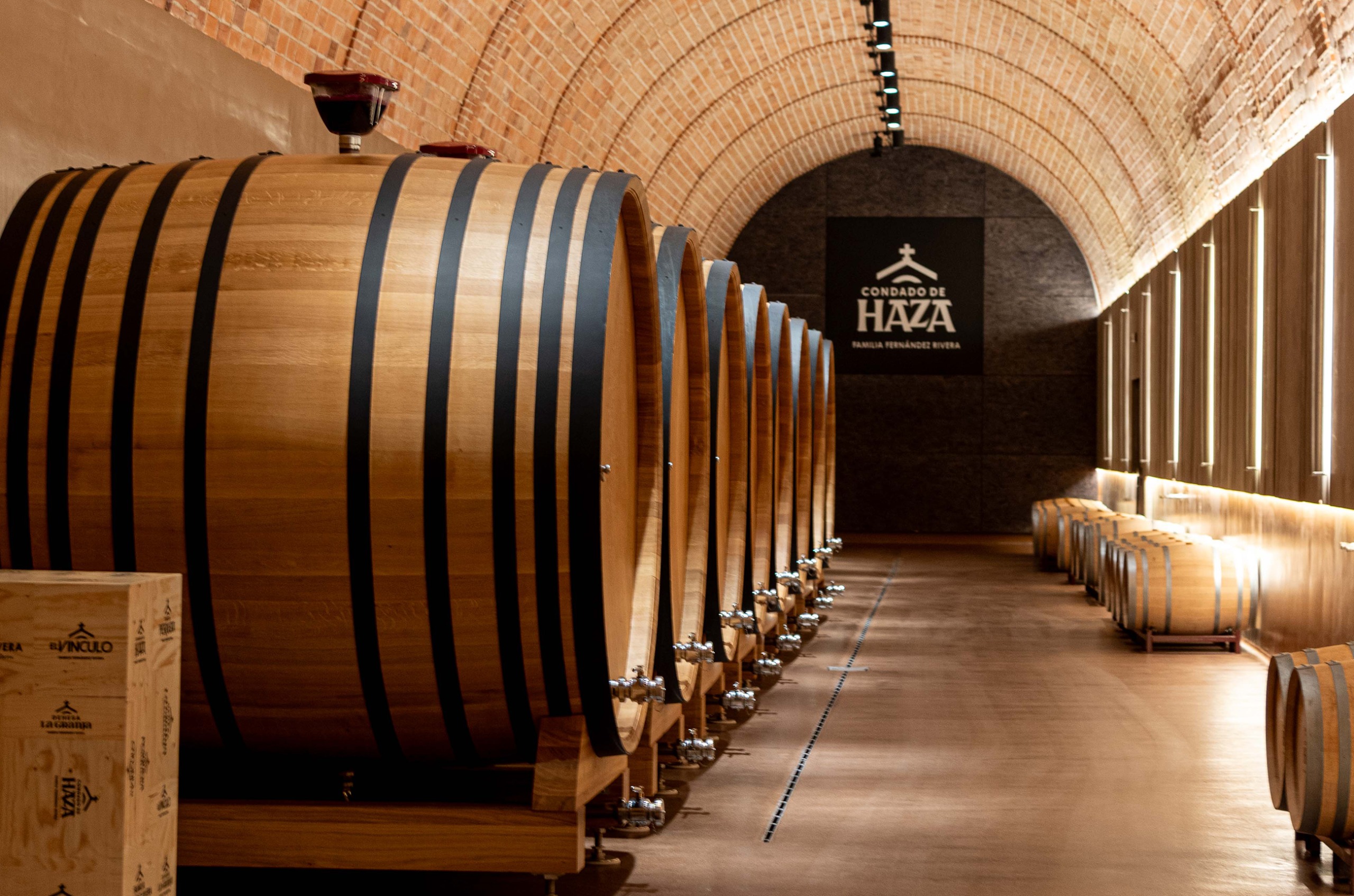 Critical acclaim for Condado de Haza
Sponsored A coveted medal...
-
 The life and soul of Istrian winemaking
Sponsored The region's flagship grapes...
-
 Bringing the spirit of Rioja to the UK
Sponsored Spain's leading wine region...
-
 Apartado: Elegant interpretations of the Uco Valley from Rutini Wines
Sponsored The essence of the Uco Valley...
-
 Award-winning wines from Austria
Sponsored Quality and diversity...


