

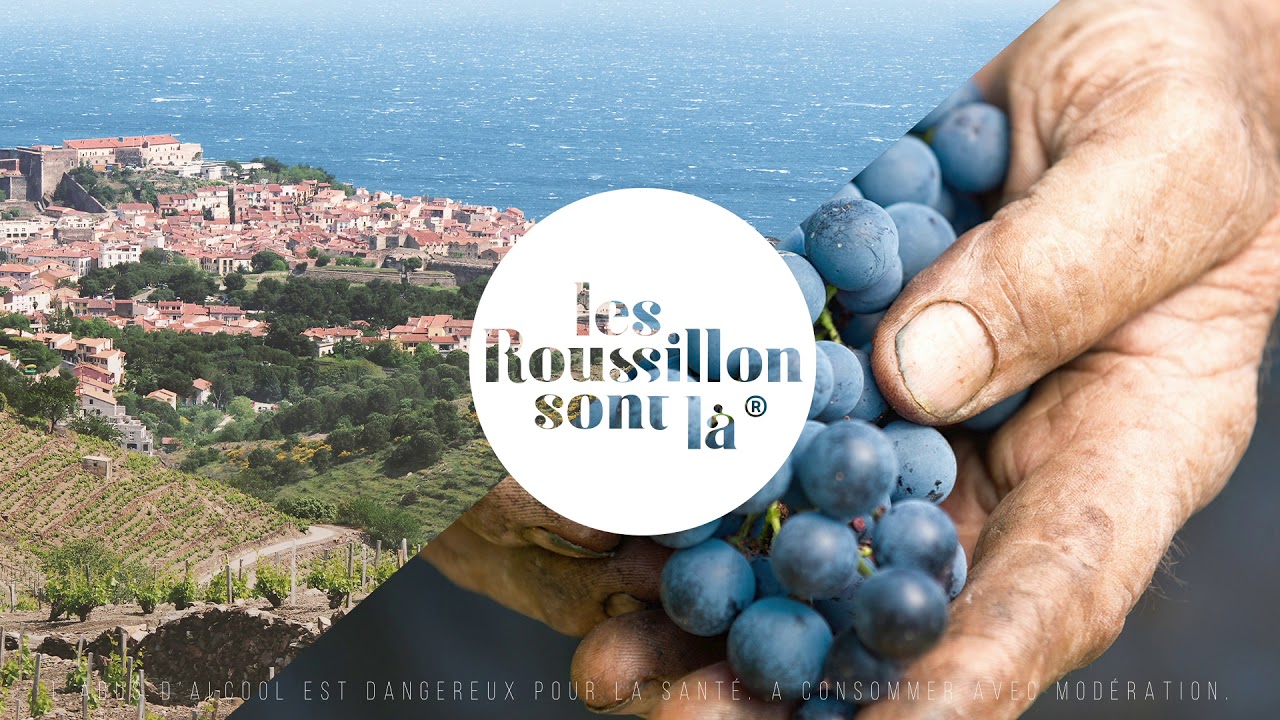
It is not just a name that defines Roussillon as a region. It is a whole culture, founded on deep-rooted traditions – and equally deep-rooted vines – which shape a unique identity within both the French and the European context. Language, landscape and history come together in this special corner of the Mediterranean, where different peoples have, through millennia, met and influenced each other, ultimately shaping the essence of the Catalan soul.
Although usually referred to under the Languedoc-Roussillon overarching regional term, the two regions could not be more distinct, separated by different historical paths, languages and food & wine cultures.
A Mediterranean amphitheatre
Roussillon is a natural amphitheatre open to the Mediterranean to the east and hugged by mountain ranges to the north (Corbières), west (Pyrenees) and south (Albères). Free-draining soils and winds from all quadrants create a unique terroir where vines naturally deliver low yields and sustainable practices have long been the norm. The wines of Roussillon, both dry and sweet, speak of the limestone, granite and schist slopes, covered with perfumed garrigue and kissed by the Mediterranean breezes.
This windswept landscape is blessed with a unique geological diversity, each terroir bringing distinctive characteristics and produces grapes with unique flavour profiles and attributes. The vines themselves are a testament to the region’s rich history, with a range of 24 varieties, many of which indigenous to Roussillon, grown on this mosaic of terroirs. A valuable patrimony of old bush-trained vines – among Europe’s oldest – produces the raw material for wines whose character and texture can firmly be placed here and nowhere else.
Beyond sweet wines
Long recognised for the quality of the Vins Doux Naturels (fortified sweet wines) from Maury, Banyuls, Muscat de Rivesaltes and Rivesaltes, the Roussillon is also home to an exciting scene of dry wine production. The diversity and quality of the region’s reds, rosés and white wines is perhaps one of Europe’s best kept secrets.
There are 9 AOPs for dry wines within Roussillon: Côtes du Roussillon and Collioure for white, rosé and red; Maury Sec and Côtes du Roussillon Villages (along with the possible added terroir – Les Aspres – or village names – Caramany, Latour de France, Lesquerde, and Tautavel) for red wine only.
From textural Grenache Blanc and Gris-based whites to gently herbal Carignan-Cinsault blends and ageworthy Syrah or Grenache-dominant reds, Roussillon produces a uniquely diverse and characterful range of wines that have evolved alongside its quintessentially Catalan gastronomy.
Read the results of Decanter’s Roussillon red wines panel tasting
May the arrival of spring be an invitation to discover the Roussillon region and culture. We cannot think of a better way than opening a bottle of wine paired with a brandade, bread with tomato, anchovies & olive oil or a creamy crema catalana. Centuries of history await in each sip and bite.

Discover more about Wines of Roussillon
Connect on: Facebook | Instagram | Twitter


-
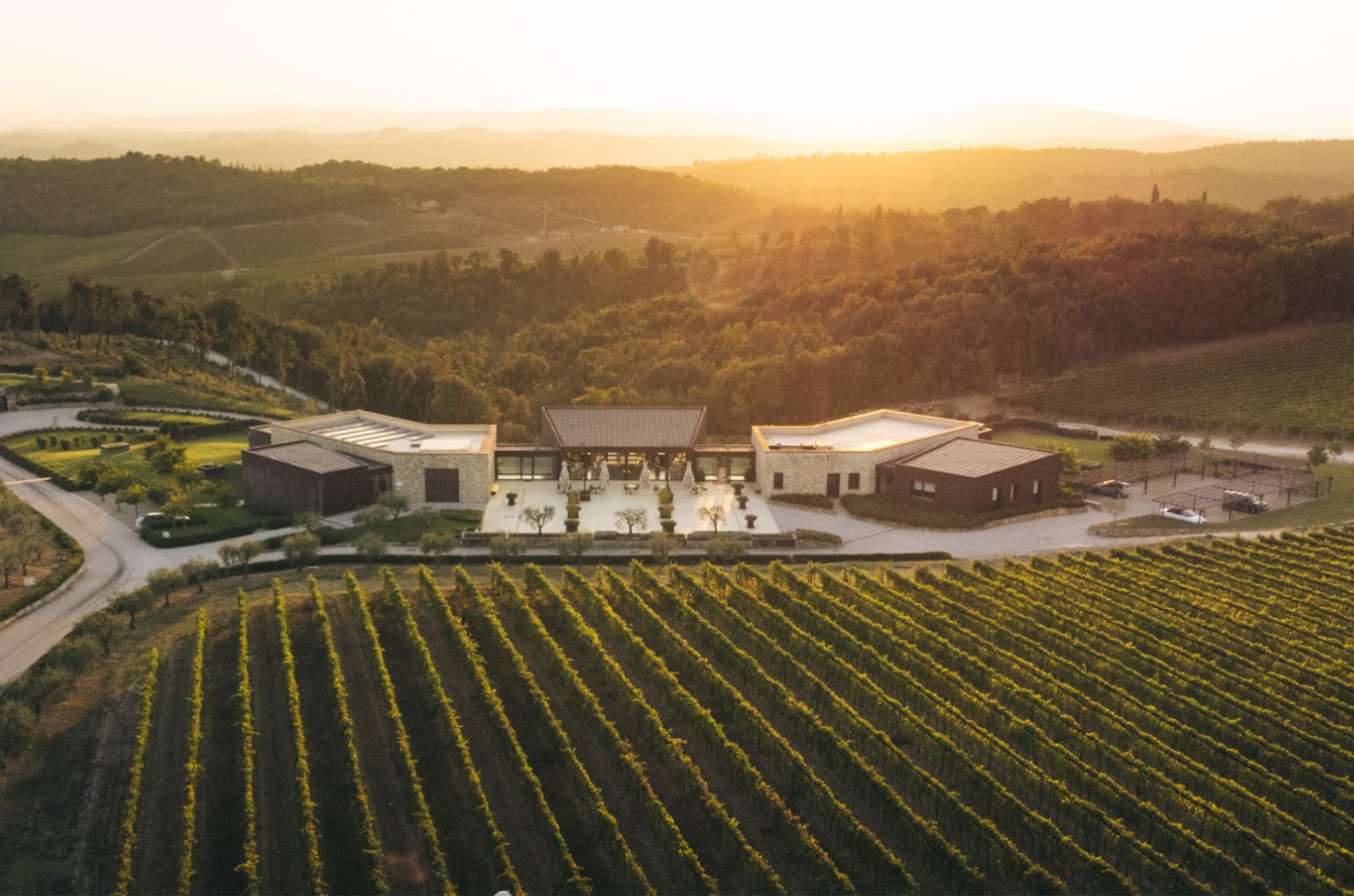 Vallepicciola: Tourism and winemaking in the Chianti hills
Sponsored Winemaking and luxury hospitality...
-
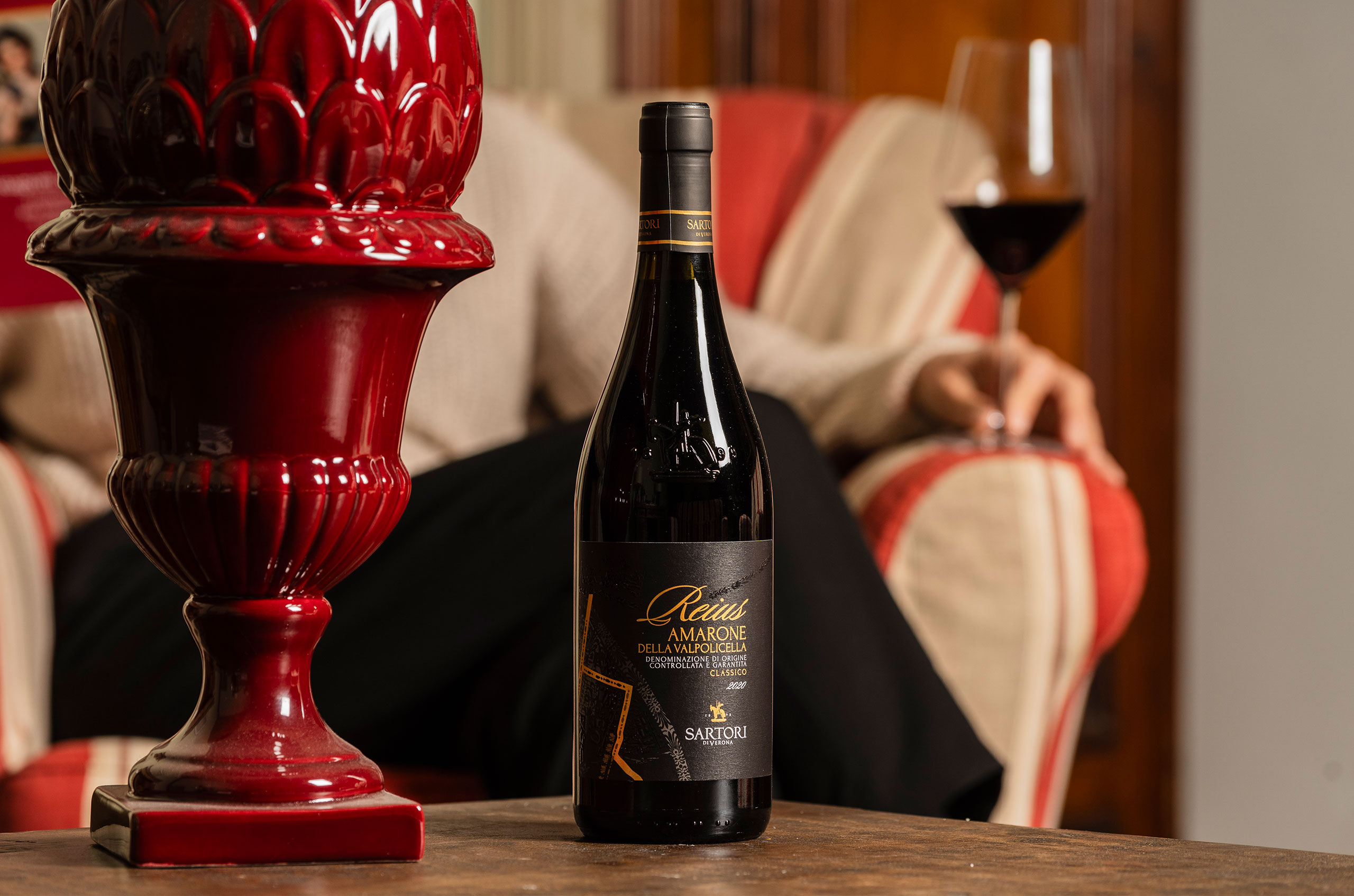 A standout voice in Valpolicella
Sponsored A key name for Valpolicella and Amarone...
-
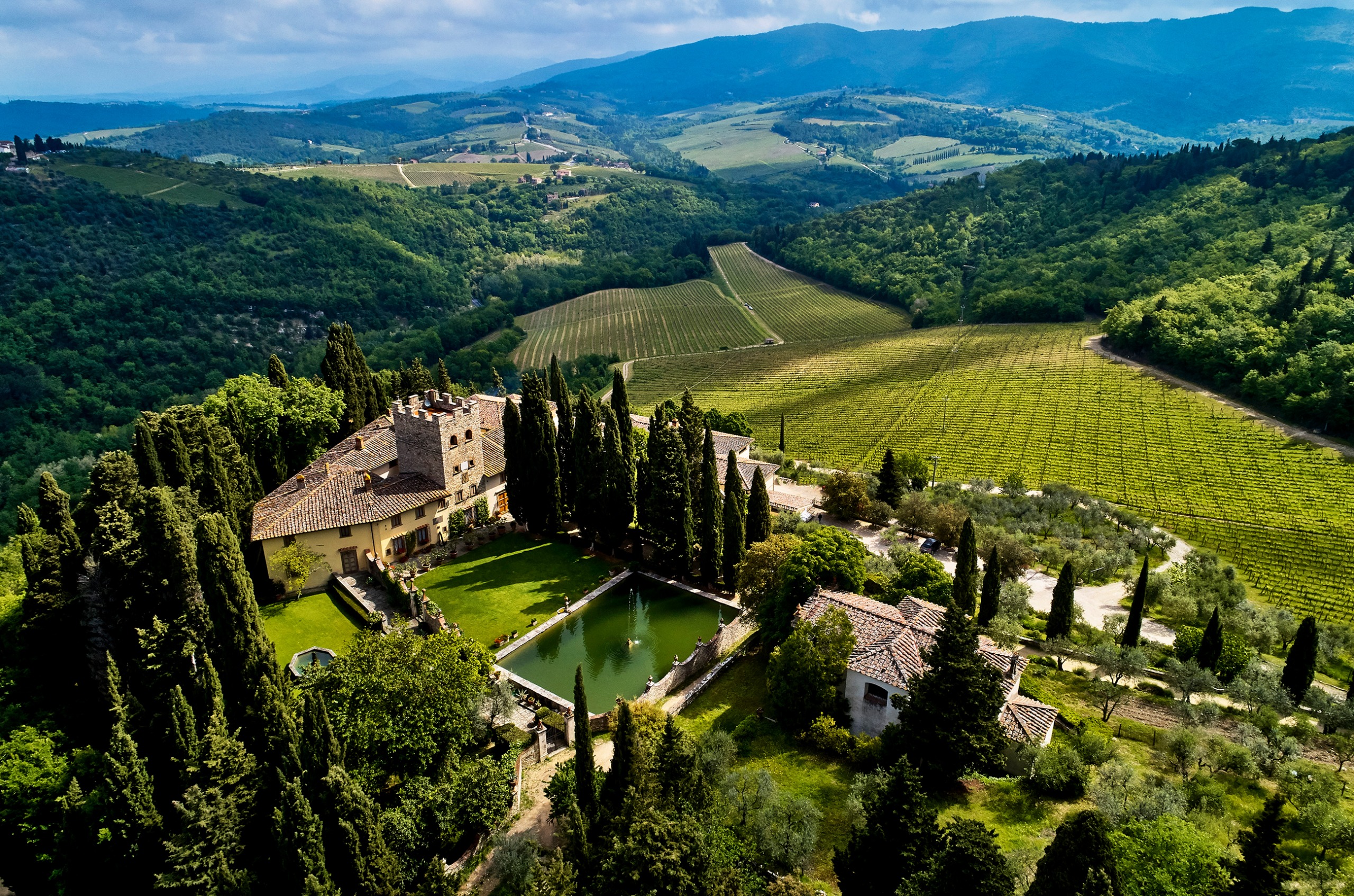 Discover the world of Castello di Verrazzano
Sponsored An ancient castle set amid sprawling vineyards...
-
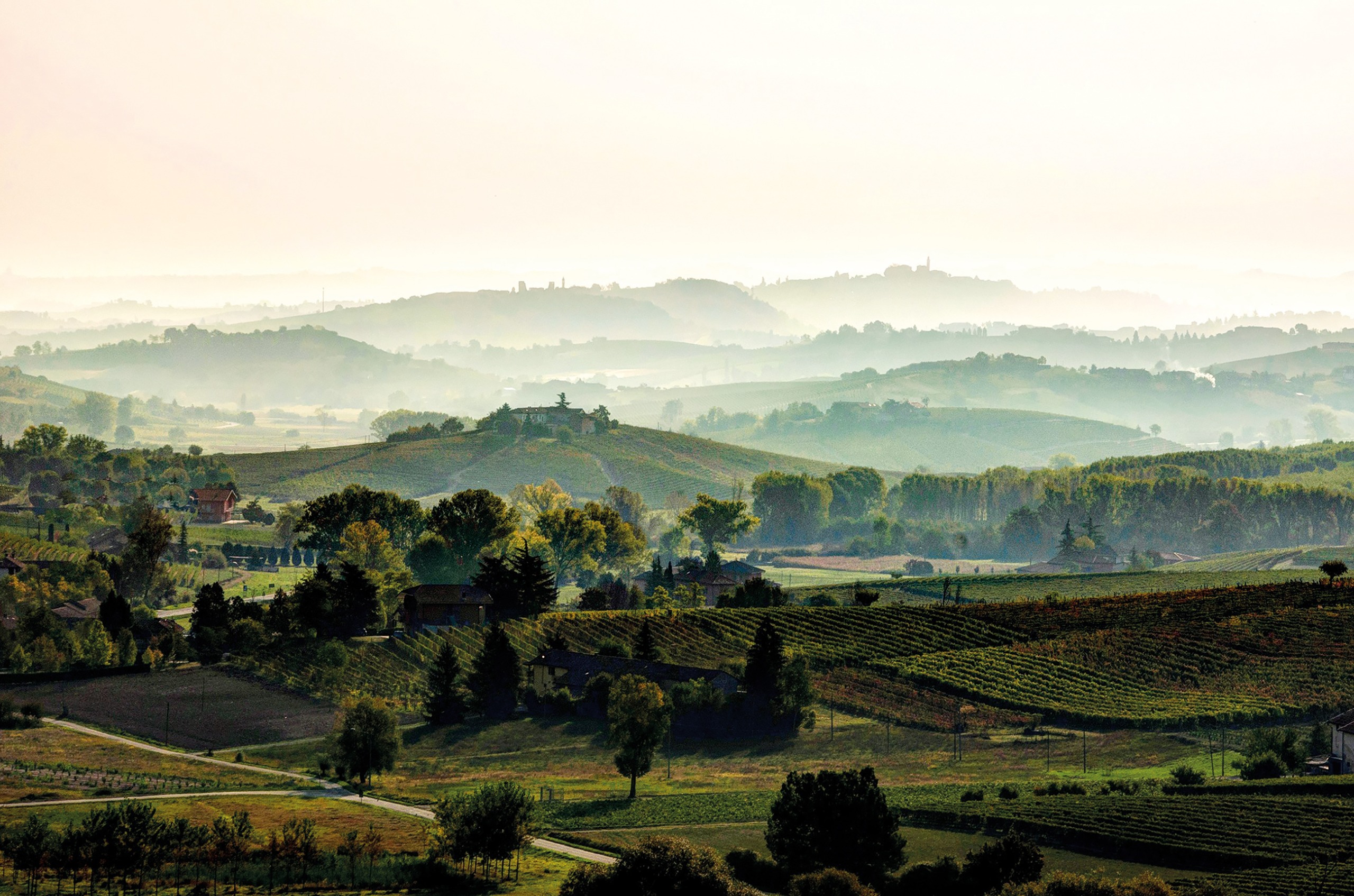 Barbera d'Asti DOCG: Tradition and modernity in Piedmont
Sponsored Many expressions of one variety...
-
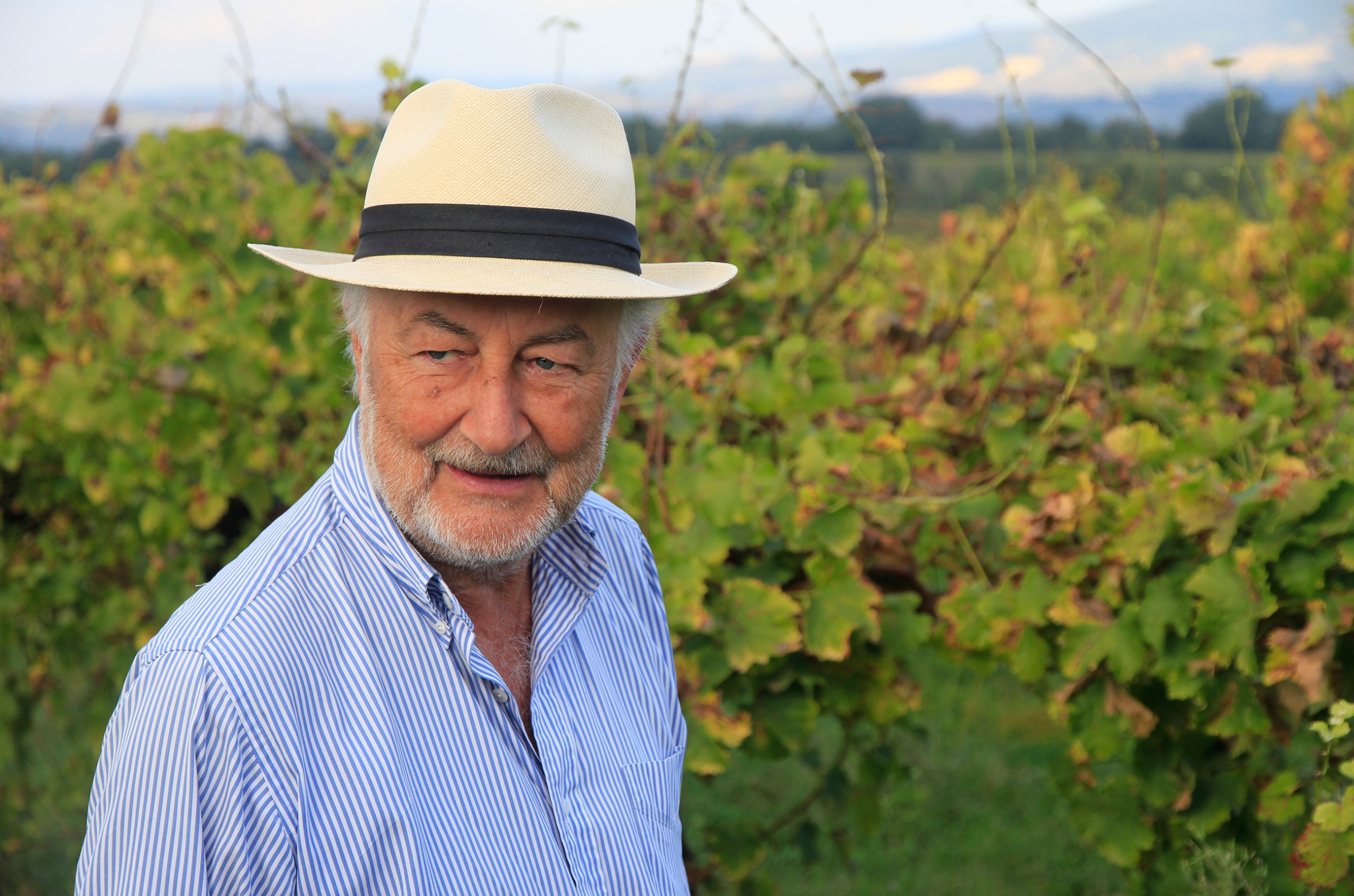 Sergio Mottura: Excellence in Tuscia
Sponsored A renowned figure in Lazio...
-
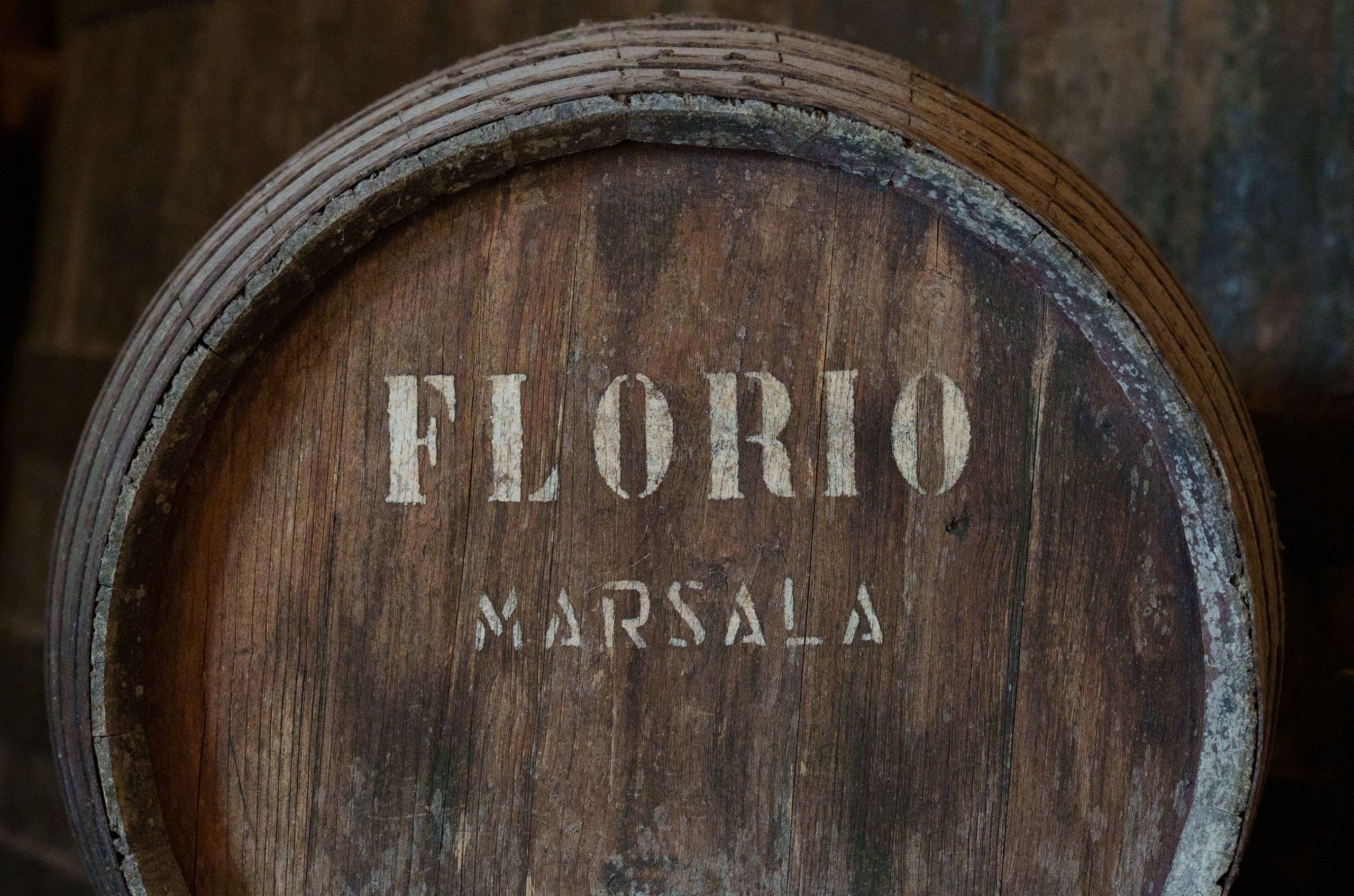 Florio: Winning new fans while respecting Marsala’s history
Sponsored An important milestone in Marsala...
-
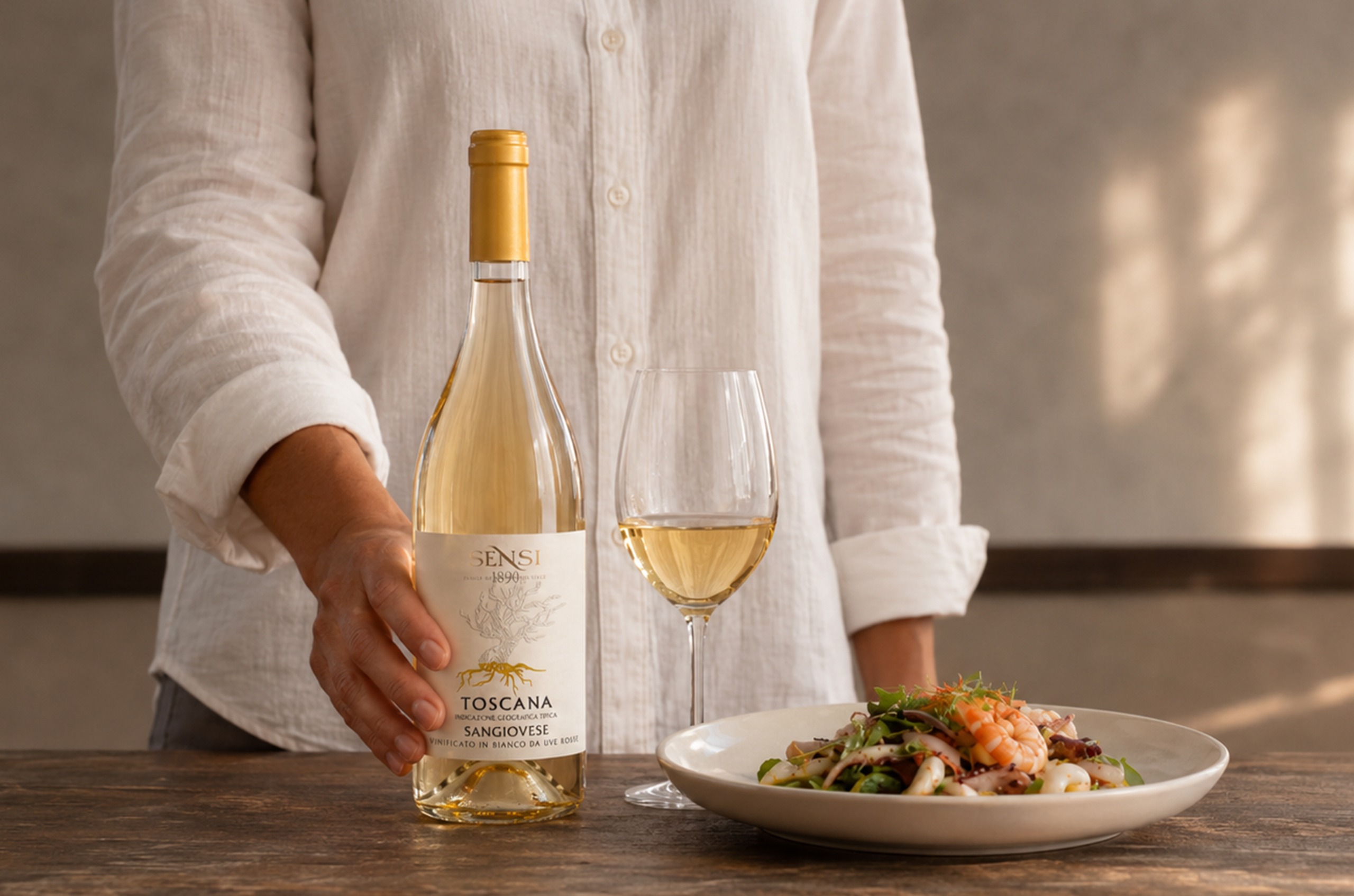 Sensi Vini: The gateway to your Italian wine exploration
Sponsored Chianti and beyond...
-
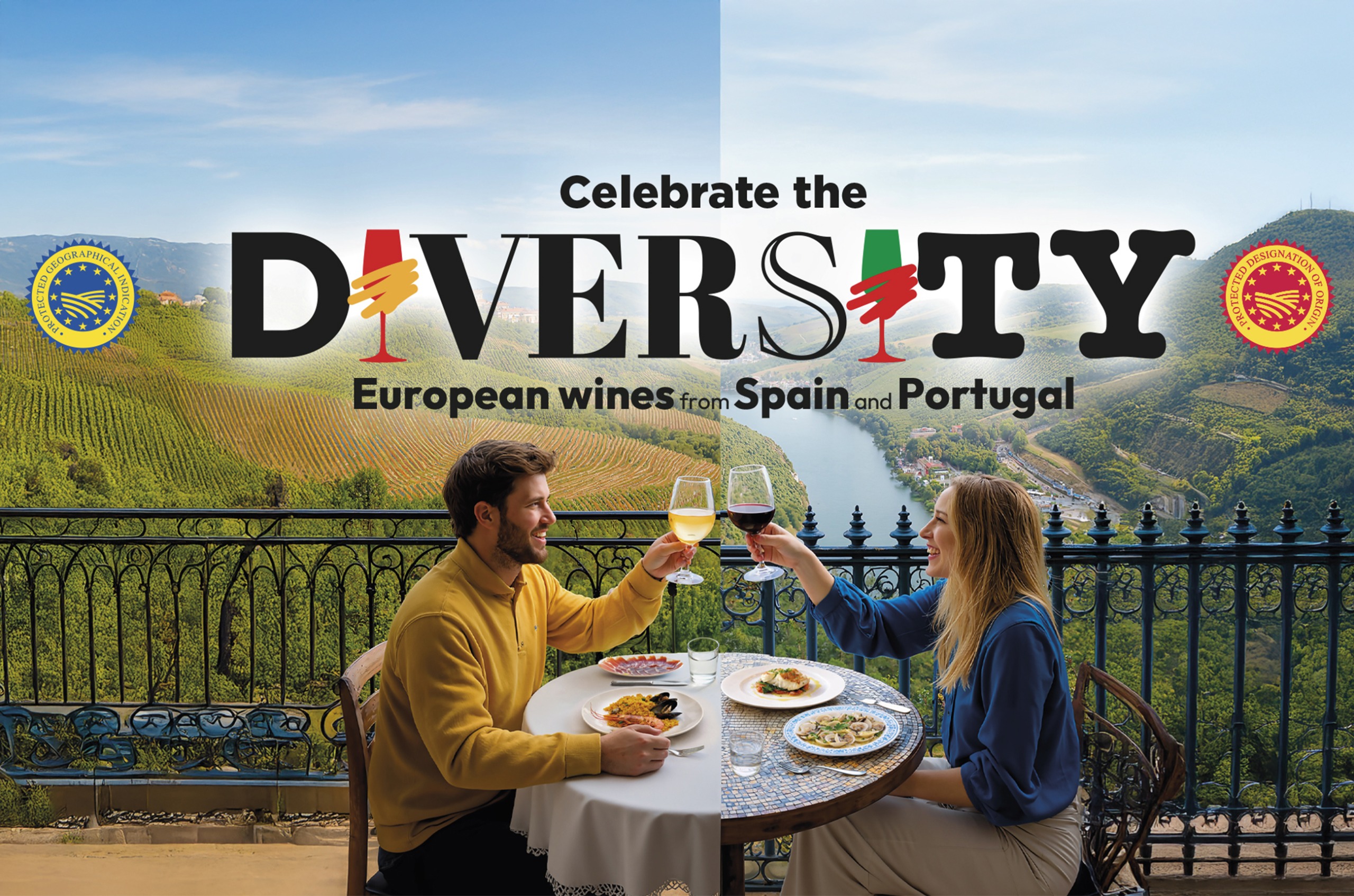 Celebrating European diversity
Sponsored Introducing the ‘Celebrate the Diversity’ project...


