

Pálffy Manor in the Small Carpathians (Malokarpatská)
The Small Carpathians, home to half of Slovakia’s wine producers, bear witness to the nation’s ancient wine culture and its turbulent journey.
Slovakia’s winemaking legacy, primarily rooted in its southern regions and continental climate, unveils a rich history within the Small Carpathians region, dating back to the 12th century. Iconic settlements like Modra, Pezinok and Svätý Jur evolved into free royal cities by the 17th century.
Although records first mention Svätý Jur in 1209, archaeological finds here date back to the Neolithic period. Traces of an 800 BC Hallstatt settlement remain, as do a 9th century Great Moravian hillfort.
Despite facing destruction by Tatars and King of Bohemia Přemysl Otakar II in the mid to late 13th century, Svätý Jur transformed into a landowning, self-governing town, including among its number a richtár (delegated office holder), sworn servants and a vineyard master. Alongside Pezinok, Svätý Jur became the seat of the counts and the economic centre of their estates, reaching the pinnacle of being a free royal town in 1647.
Svätý Jur’s viticultural prominence as a Riesling paradise, with its 5,588ha of vineyards, is enhanced by VIAJUR. Embracing this legacy, VIAJUR produces two exquisite Rieslings, Jurský Riesling and Riesling Liebling, both capturing the essence of Svätý Jur’s terroir.

Palatin restaurant at VAIJUR winery’s Pálffy Manor in Svätý Jur in Slovakia
The region’s diverse soils, with heavier loamy soils in the southeast and lighter, sandy loam to stony soils in the northwest, hold significant sway over the final wine.
The southwestern slopes, particularly in Svätý Jur, showcase a distinct character, benefiting from well-draining granitic and sandy soils that allow deep root penetration for the vines.
The historic Pálffy Manor, standing as a sentinel to 700 years of viticultural tradition, is now home to the thriving VIAJUR winery. Notable historical reconstructions and the influence of figures like Katarína Pálffy in the 16th century have intertwined the manor’s story with the broader context of the Habsburg era.
Today, VIAJUR, under the guidance of winemaker Tomáš Dilong, brings a fresh perspective, producing 150,000 bottles of white, rosé, red, sparkling and dessert wines each year. The commitment to quality, underscored by sustainable practices and a chemical and preservative-free approach, narrates a tale of prosperity and dedication to Slovakian winemaking.
VIAJUR’s Farná estate in Nitra (Nitrianská)
VIAJUR is cultivating a sustainable haven in its Farná estate, nestled in the Nitra region to the east of the Small Carpathians.
Archaeological finds in Nitra, including Old Slavonic prayers, offer evidence of its rich winemaking heritage. This region’s lowland terroir is shaped by a warm and dry climate, with grapes grown on rich, skeletal soils.

VAIJUR’s Farna Estate in Nitra in Slovakia
VIAJUR’s Farná estate is around 40ha in size and underwent a rebirth with the planting of 5ha of new vines in 2017. The vineyard’s metamorphosis accompanies the recultivation of less suitable lands into thriving fruit orchards, creating a sustainable oasis. Beyond nurturing vines, Farná cultivates fresh vegetables for the tables of their restaurants at VIAJUR, fostering a harmonious ecosystem with bees and also supporting the local workforce.
The estate’s terroir is ideal for aromatic white grape varieties, as well as the regional speciality Blaufränkisch. Welschriesling and Sauvignon Blanc thrive in limestone-rich soils, leading to a distinct mineral note in the wines. Burgundy varieties, as well as Gewürztraminer, and the unique Slovak variety Dunaj further diversify the estate’s offerings. The Dunaj rosé, which comes packaged in a can, is a collaboration with Elizabeth Gabay MW and adds an innovative touch.

VIAJUR, which is dedicated to quality, tradition and sensitive practices, produces a limited collection of wines that reflect a journey through history. Sustainability is integral to VIAJUR’s ethos, with the farm cultivating various crops, maintaining beehives and adopting eco-friendly practices. VIAJUR’s production also includes by-products including wine vinegar, grape juice and cosmetics.
Why not combine a stay at High Tatras, a national park and ski resort with a personalised wine tasting and a fine dining experience.
Discover more about VIAJUR
Connect on
Facebook | Instagram | YouTube


-
 Vallepicciola: Tourism and winemaking in the Chianti hills
Sponsored Winemaking and luxury hospitality...
-
 A standout voice in Valpolicella
Sponsored A key name for Valpolicella and Amarone...
-
 Discover the world of Castello di Verrazzano
Sponsored An ancient castle set amid sprawling vineyards...
-
 Barbera d'Asti DOCG: Tradition and modernity in Piedmont
Sponsored Many expressions of one variety...
-
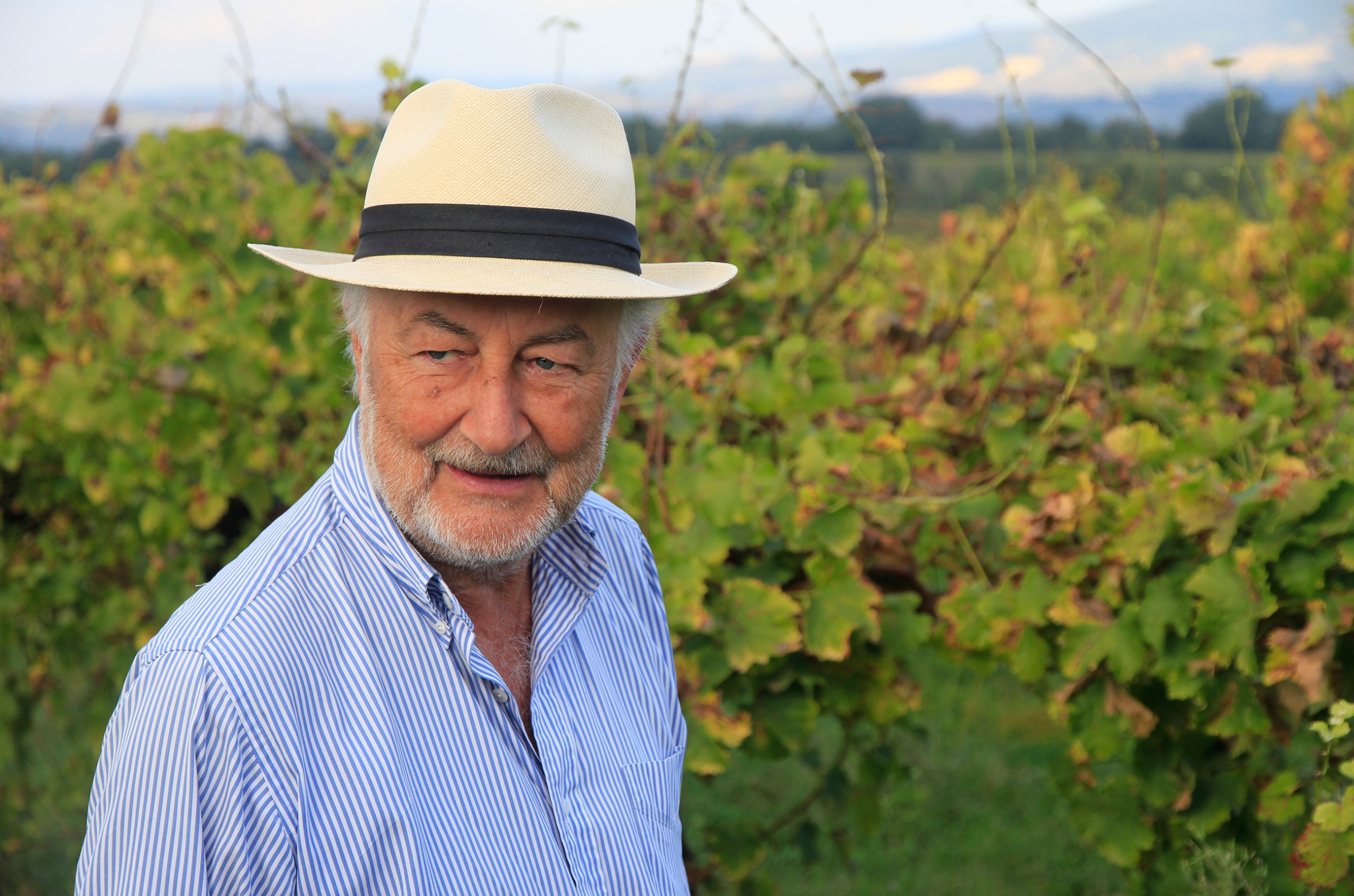 Sergio Mottura: Excellence in Tuscia
Sponsored A renowned figure in Lazio...
-
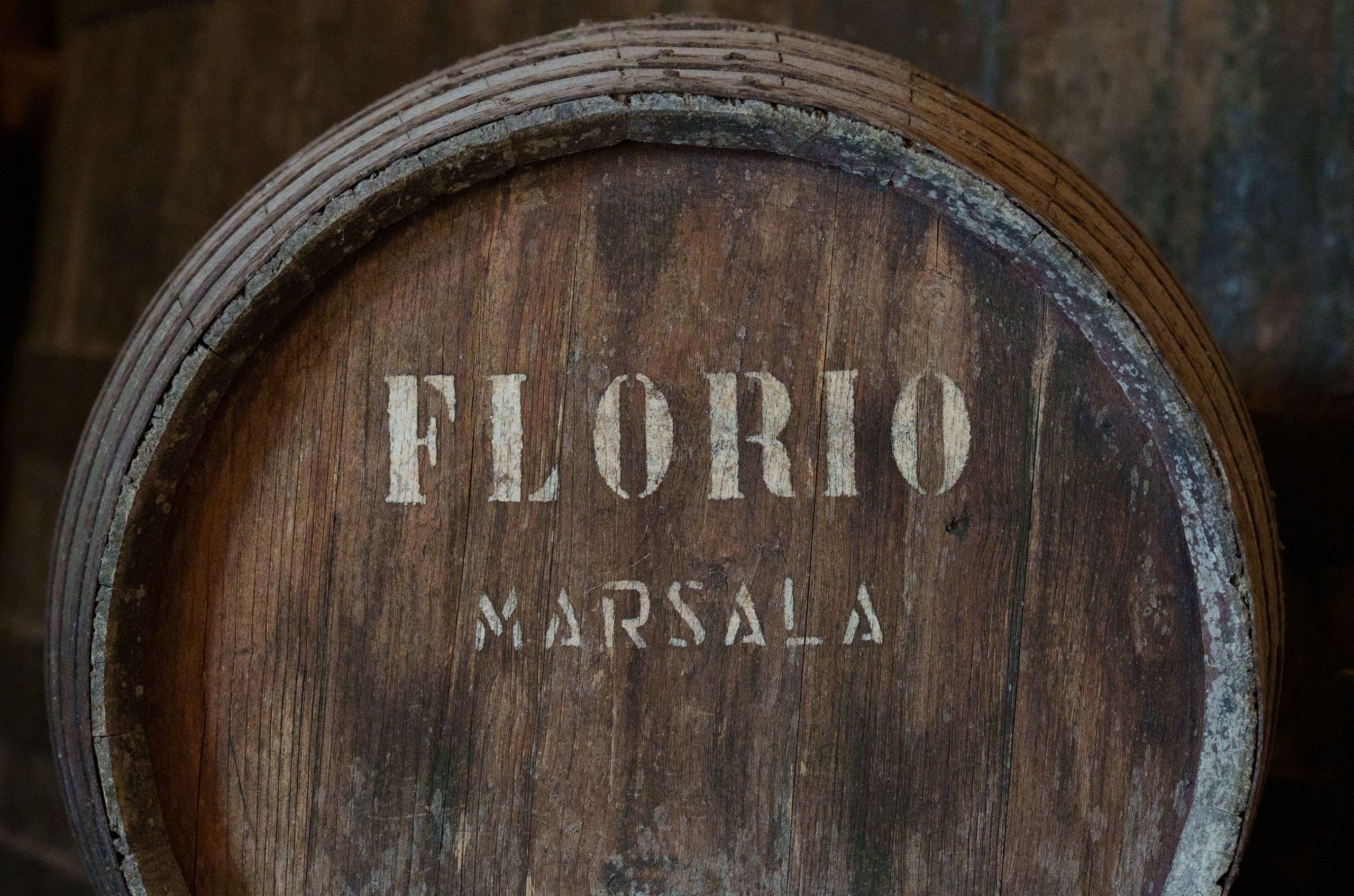 Florio: Winning new fans while respecting Marsala’s history
Sponsored An important milestone in Marsala...
-
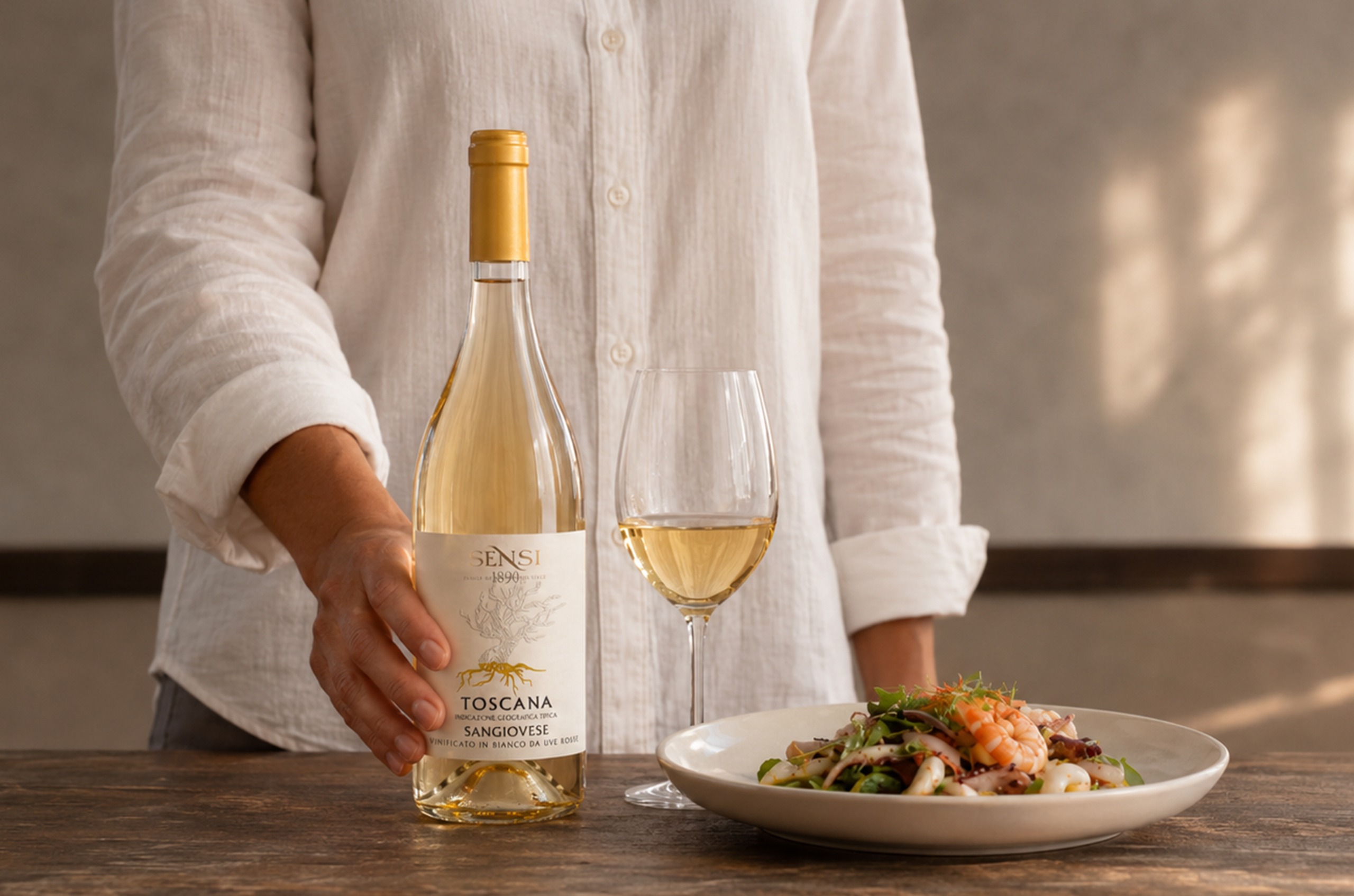 Sensi Vini: The gateway to your Italian wine exploration
Sponsored Chianti and beyond...
-
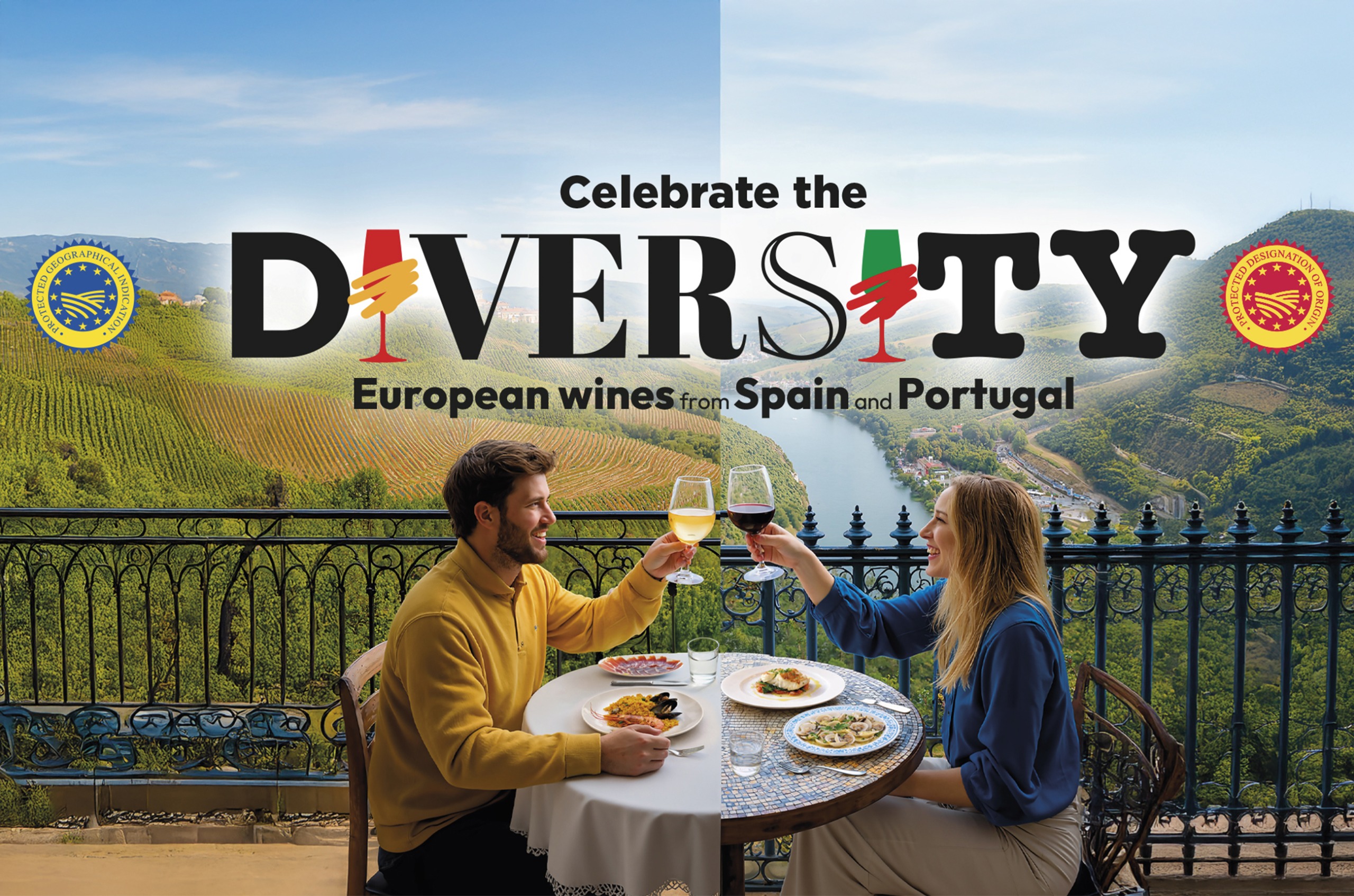 Celebrating European diversity
Sponsored Introducing the ‘Celebrate the Diversity’ project...


