

In a series of two articles, Decanter sat down with producers from Utiel-Requena, at a period of great transformation and challenges across the wine industry, to hear how their projects have evolved and persevered in a sea of change.
Against the backdrop of climate change and socioeconomic turmoil, these conversations highlight how the landscape and community of Utiel-Requena have provided resources to not only withstand adverse winds but also to assert the region’s identity and future potential.
In this first instalment, Marta Valsangiacomo of Valsangiacomo and Antonio Zahonero of Finca San Blas explain how clear, holistic strategies, with a focus on social and environmental sustainability, have been the foundation of their resilience.
The interviews below have been edited and condensed for clarity.

Valsangiacomo
Read more about Valsangiacomo’s history, wines and approach to sustainability here.
How has Valsangiacomo evolved in the last decade?
Marta Valsangiacomo: Over the last few years, Valsangiacomo has undergone a deep transformation. We’ve invested in highlighting the potential of indigenous varieties – Bobal in particular – and defining a greater sense of origin.
And what have been the main challenges you’ve faced? What’s the strategy you’ve devised for the future, in the face of such challenges?
The challenges have been – and will continue to be – many: rising production costs and volatile international markets; climate change, affecting both vineyard management and the quality of the wines; and the need to engage with new generations of consumers, with very different habits and more awareness of sustainability.
Our strategy is based on three pillars. Firstly, strengthening traceability and sustainability across the value chain, through carbon footprint reduction, reporting processes and environmental certifications. Secondly, developing close collaborations with local growers, to promote socially sustainable practices and fair pricing. Lastly, we’re investing in innovation and communication, highlighting the project’s sense of place and family heritage.
How do you see the future of Valsangiacomo and of DO Utiel-Requena? Where do you see more opportunities?
The future, both of Valsangiacomo and DO Utiel-Requena, will require the consolidation of a strong identity, at a national as well as an international level.
There are great opportunities with the increasing recognition of our indigenous varieties and their potential to produce wines for premium segments; and the demand for wines with the stamp of sustainability and a long history. And this is something to which family wineries like ours have a lot to contribute, as they are intrinsic to our identity.
The opening of new markets in Asia and South America, where consumers are particularly seeking diversity and authenticity, is also very exciting.
In view of these perspectives, what are your main goals?
Our aim is to remain a reference of quality and consistency, contributing to the DO’s reputation worldwide as a source of modern Mediterranean wines, balanced and with soul.
Do you believe that being a family-owned and run business has been important for Valsangiacomo’s success and resilience?
Yes, we firmly believe that the family structure provides long-term stability and resilience. In our case, it has been essential to keep a shared vision, guarantee continuity, strengthen our commitment to the region and ensure continued reinvestment in the company.
Decisions are not made thinking only of the short-term impact, but also thinking of future generations. That allows us to maintain a stable corporate structure, a clear, strong identity and closer relationships, within the team as well as with suppliers and clients.
At the same time, we’re aware of the fact that family continuity can only be sustained by combining professionalism with willingness to embrace change, both of which we’ve incorporated gradually, but surely.

Finca San Blas
Read more about Finca San Blas’ history, wines and approach to sustainability here.
How has San Blas evolved in the last decade?
Antonio Zahonero: Our evolution has relied on an increasing focus on the vineyard – and viticulture in particular. We’ve continuously innovated our farming practices in order to make baby steps to produce better and better grapes. I believe this is directly reflected in our wines: ever more fresh and with really balanced acidity.
And what have been the main challenges you’ve faced? What’s the strategy you’ve devised for the future, in the face of such challenges?
The main challenge is to keep producing fresher wines, with good acidity despite the hotter, drier summers. We’ve been able to do so through intense work in the vineyard, from careful pruning to avoiding soil compaction and using cover crops to preserve humidity and freshness. Also – and this has been an essential part of the San Blas project – the preservation of a vast forest area surrounding the [vineyard] plots. This provides very important shade and, most importantly, biodiversity.
How do you see the future of San Blas and of DO Utiel-Requena? Where do you see more opportunities?
The future is hopeful. Our bet on white wines is proving very fruitful; the estate has a unique microclimate, with a wide temperature range which, along with altitude, is producing grapes that yield very fresh, elegant white wines.
What defines the identity and philosophy of San Blas? What has allowed it to evolve as one of Utiel-Requena’s standout projects?
Working methodically with a sense of calm and relentlessly prioritising long-term goals. And, at the same time, producing wines that any consumer will find approachable, elegant, balanced and – always – with an identity of their own, that captures the ethos of San Blas.
Explore DO Utiel-Requena and its flagship producers


-
 Bouvet Ladubay: 175 years of sparkling know-how
Sponsored One of the Loire's oldest producers...
-
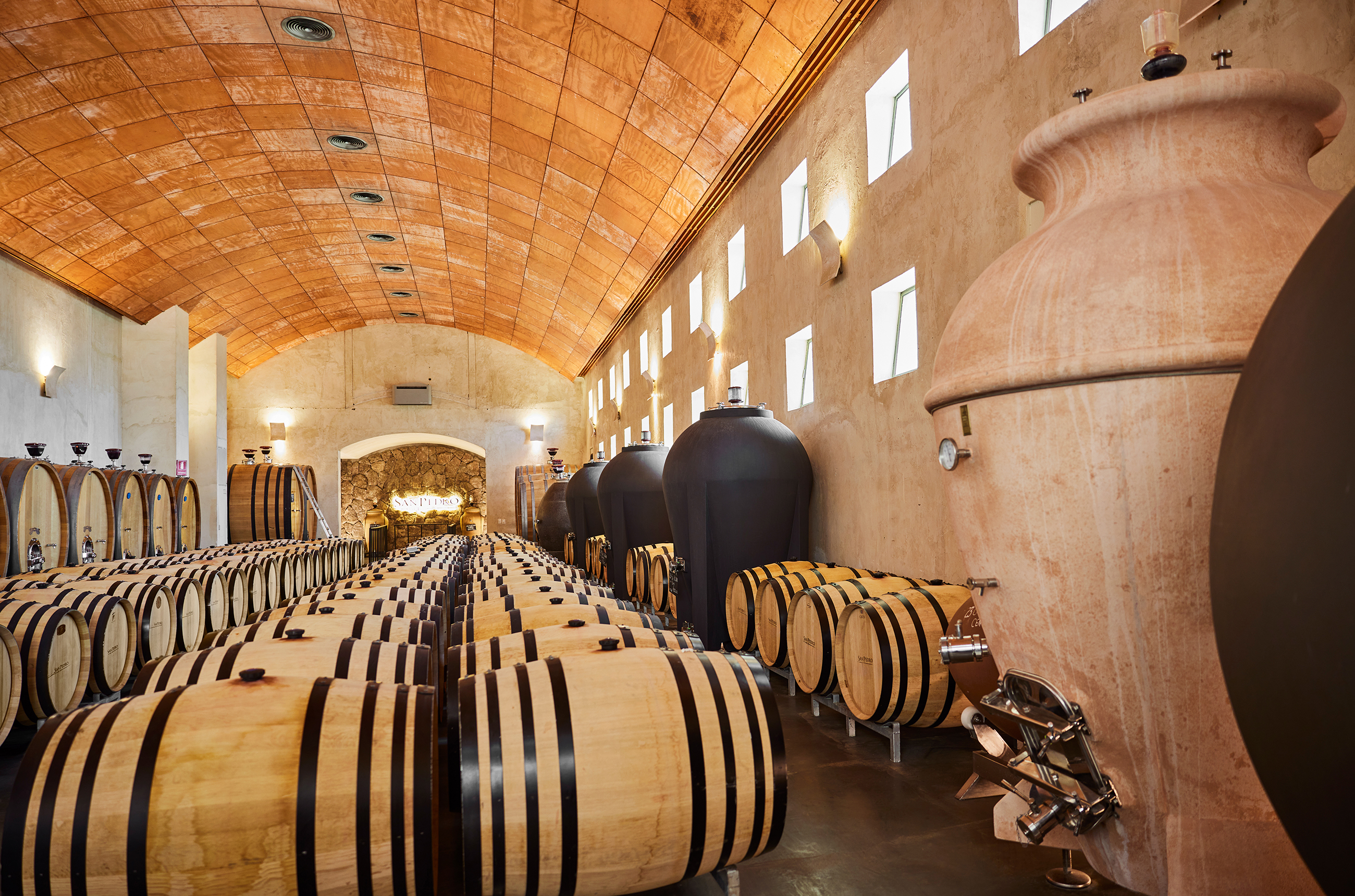 Pioneers in Cachapoal Andes
Sponsored One of Chile's most compelling regions...
-
 Bodegas HABLA: Shaping the future of Extremadura
Sponsored Building a sustainable future...
-
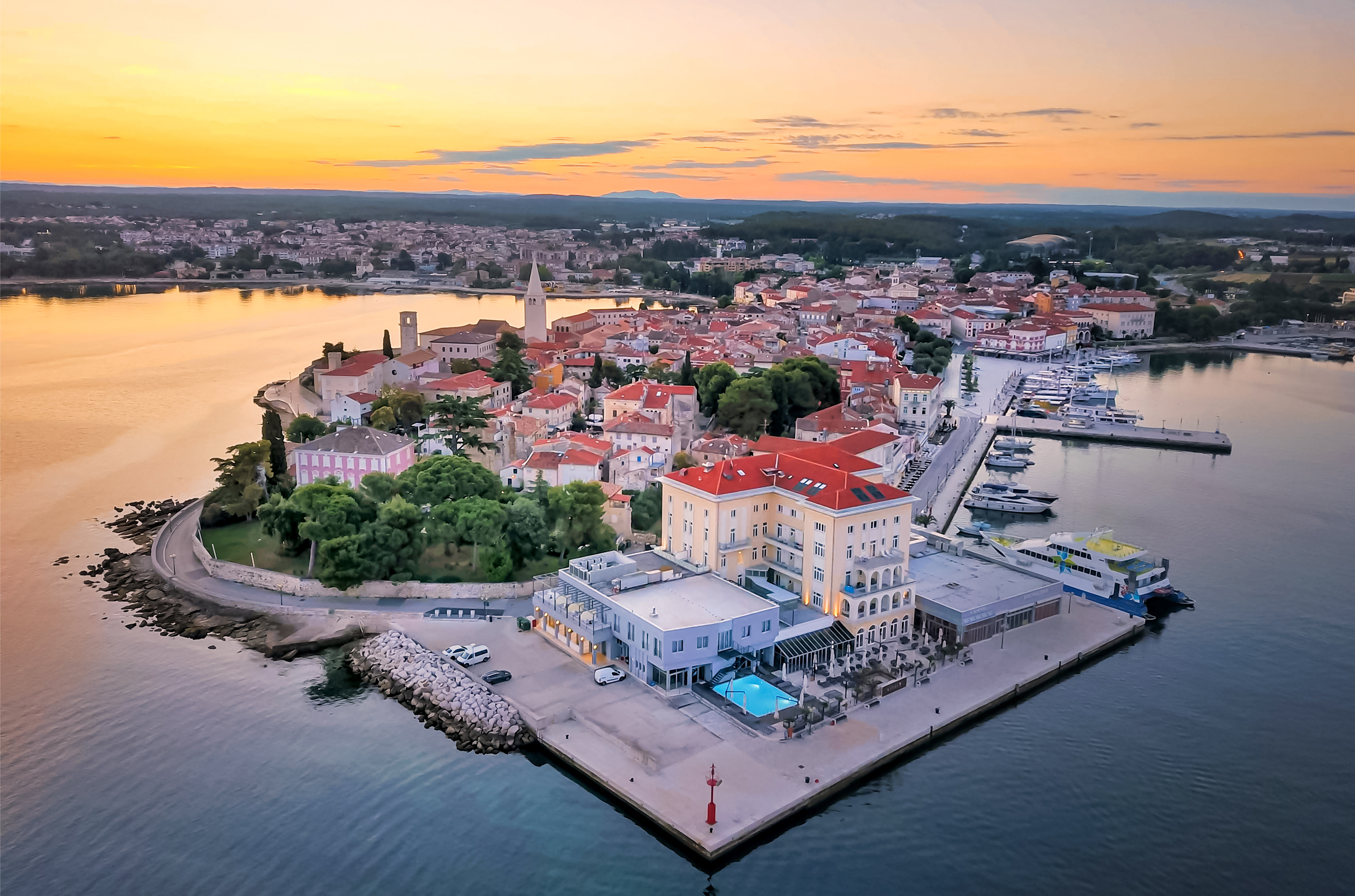 Istria: A postcard from Poreč
Sponsored The ideal weekend getaway...
-
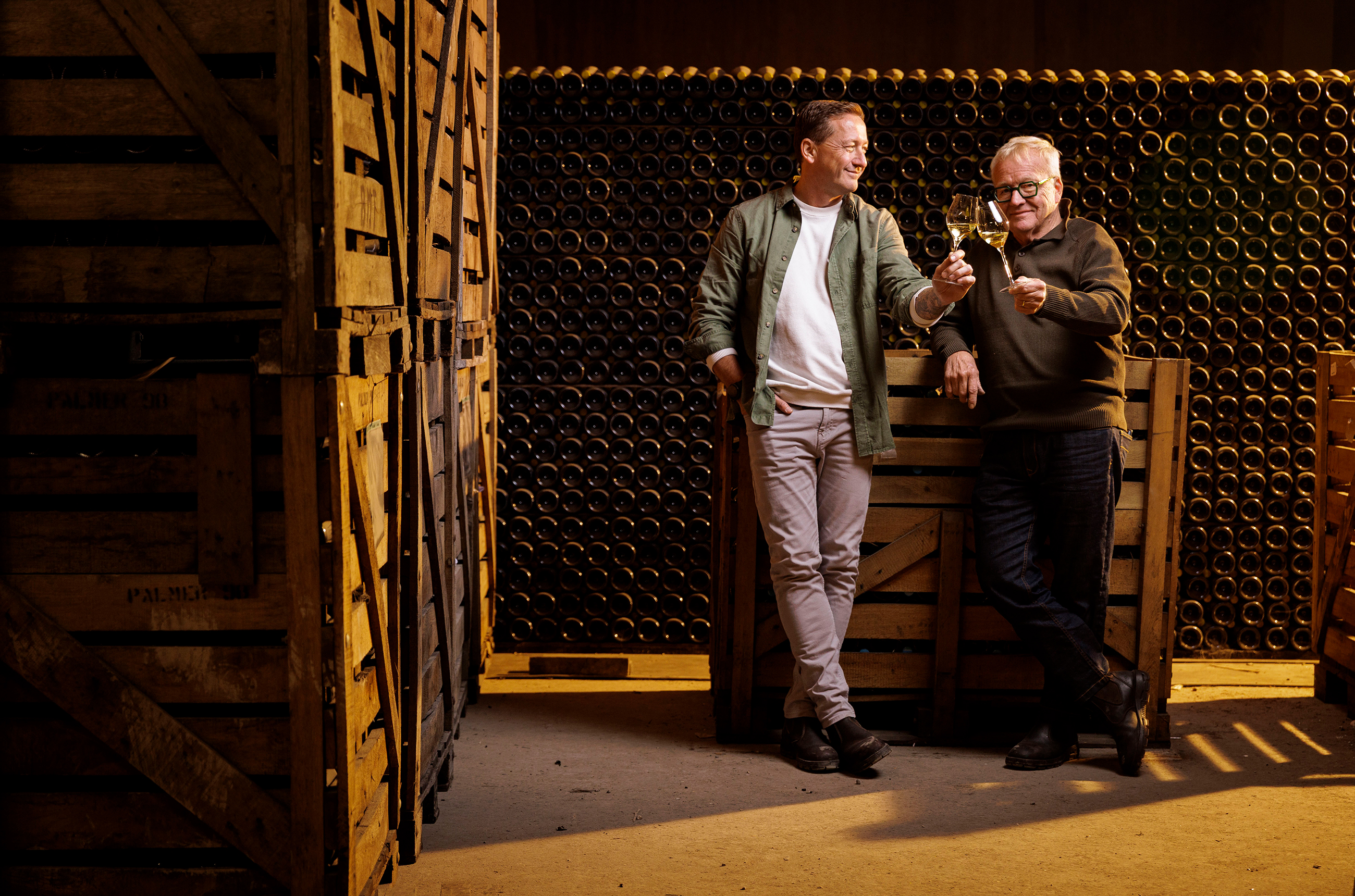 A sparkling legacy from Graham Beck
Sponsored The famed winery's first English sparkling...
-
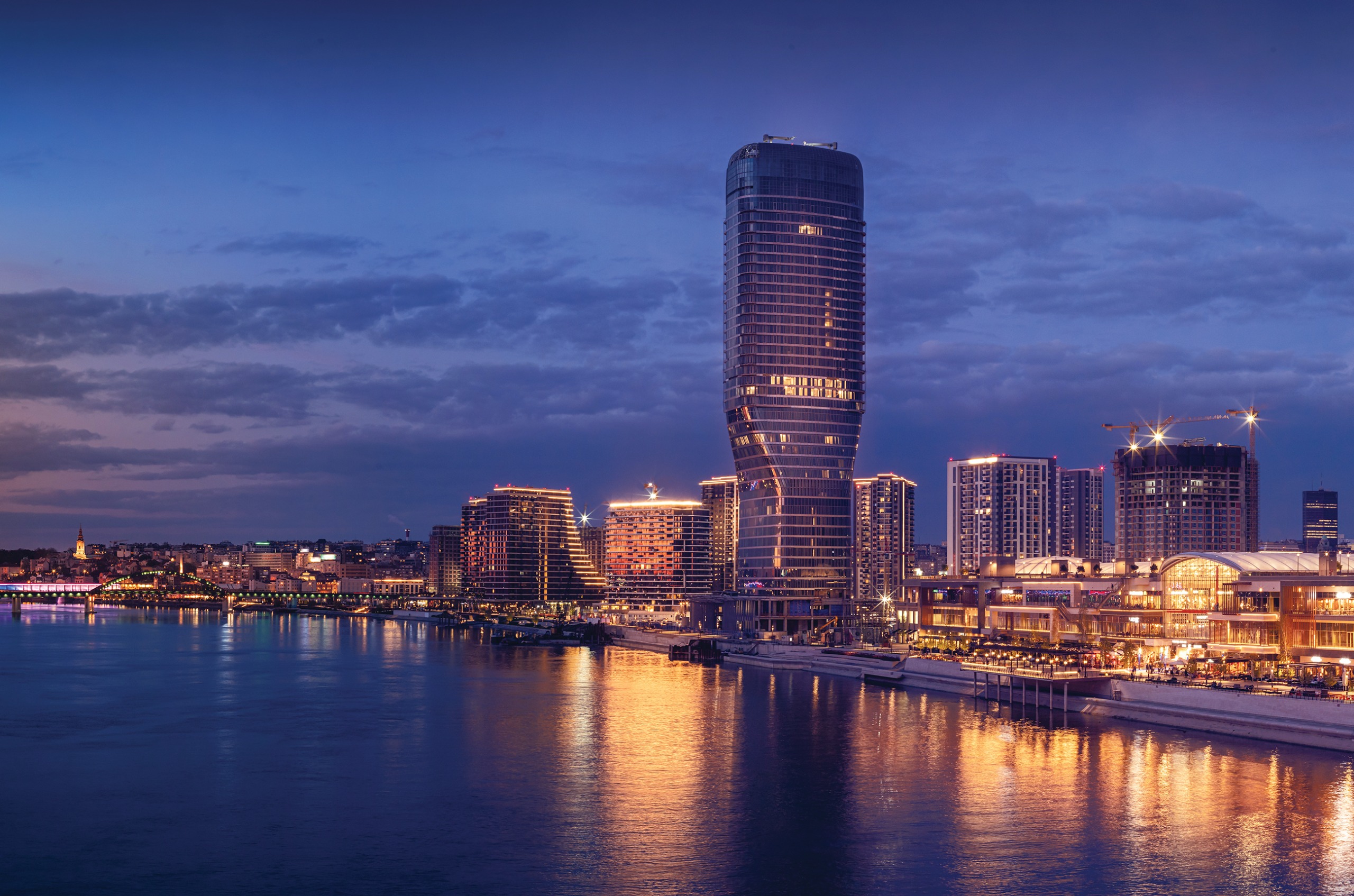 Serbian success: Award-winning wines from DWWA 2026
Sponsored Increasing international recognition...
-
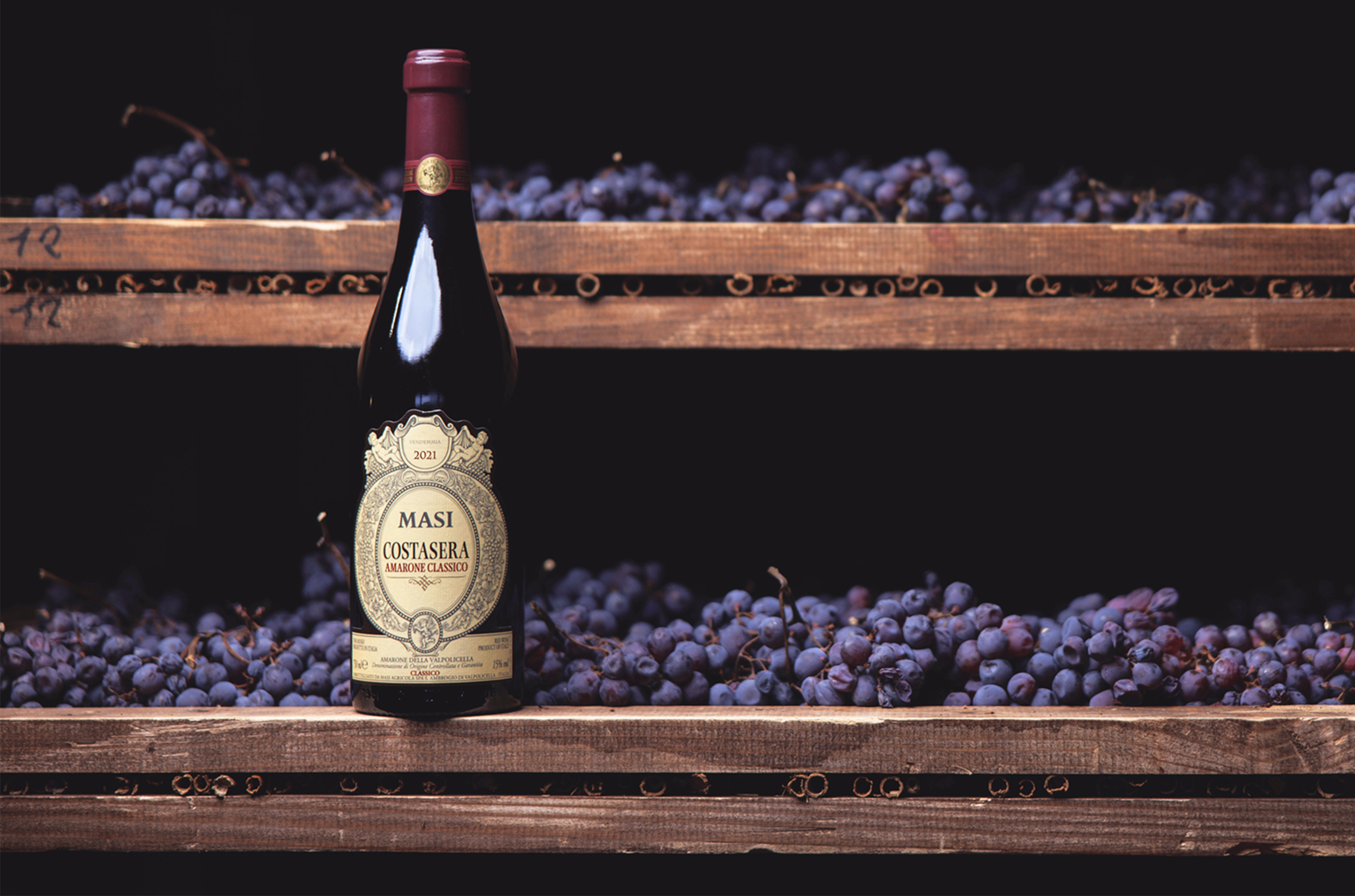 A benchmark for the category: Masi’s Costasera Amarone della Valpolicella Classico
Sponsored A standout expression of Amarone...
-
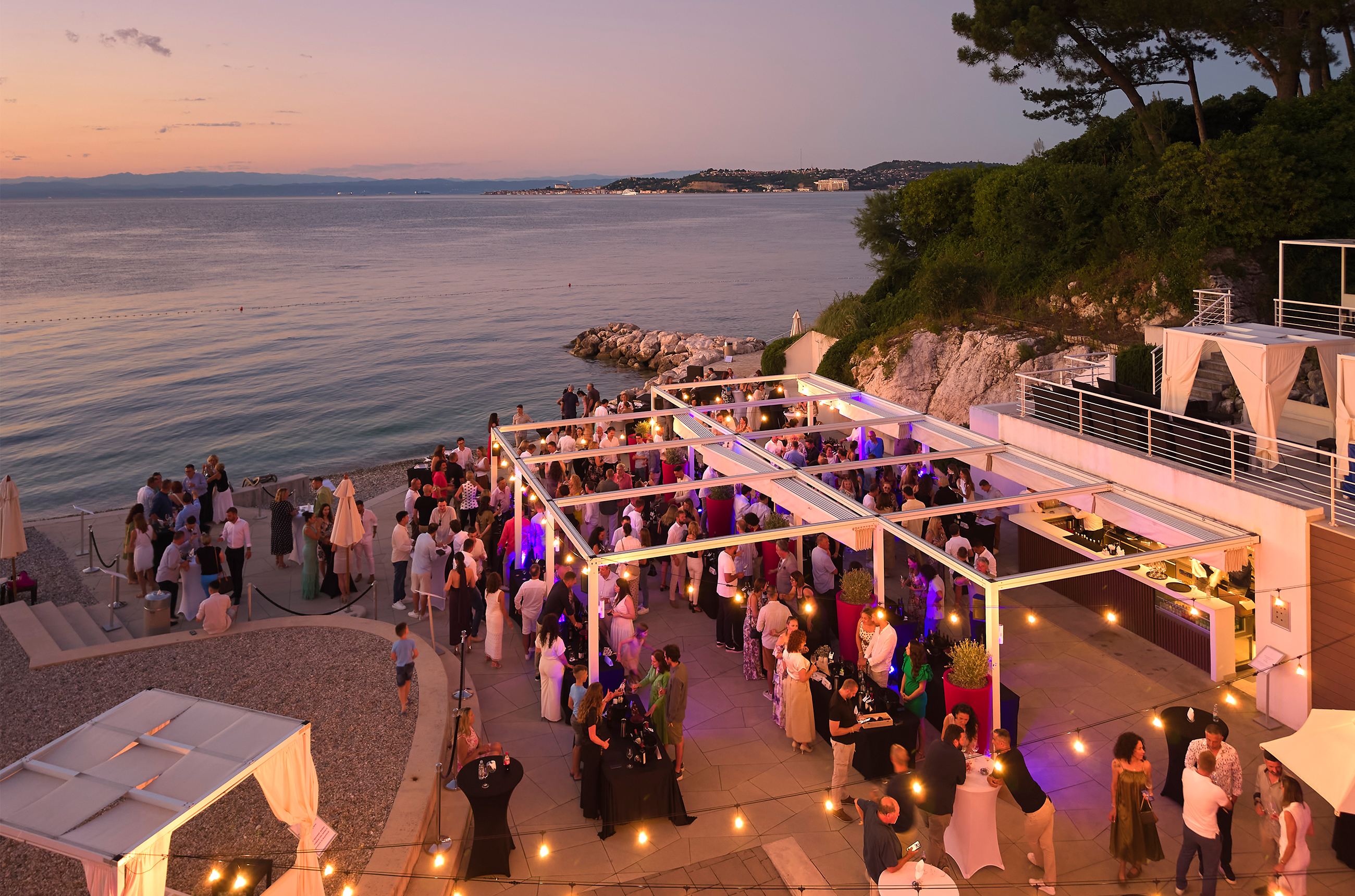 Istria: Showcasing the best of Croatia
Sponsored Highlighting the highest-quality wines...


