

Picture yourself in a lunar-like scenery, with shiny black and red soils sprinkled by silvery dust. In lieu of spatial void, however, you are surrounded by azure waters and your skin is kissed by seaspray and warm Mediterranean sun. We are in Santorini, the moon-shaped island, one of the Cyclades islands in the heart of the Aegean sea, a place of legends, wonder and strong men and women. This mythical landscape is also home to a unique, in itself legendary, winemaking tradition, sculpted both by the strength of the elements and the ingenuity of men.
The geological events that created the Cyclades – a series of dramatic volcanic eruptions spanning millennia – was just the beginning of a history that lasts to this day, in which water, wind and fire dance and seduce each other. Man has entered this choreography and, instead of taming it, became a part of the dance as well, thus developing an intimate relationship with this land. Winemaking is part of this intimate relationship between man and nature, an exchange that, through hardship and wonder, has yielded the singular wines of Santorini. Some of the oldest, phylloxera-free (therefore ungrafted) vines grow here, naturally protected by the volcanic sandy soils, free
of organic matter, through which the root-eating insect cannot move.
Each bottle, as each vine, is a product of much dedication and effort – viticulture in Santorini requires hard work and craftsmanship. Each Santorini grower is indeed a hero of his own legend, labouring under inclement sun and strong winds to harvest low yields of incredible quality fruit. In order to withstand the strength of the elements, the vines of Santorini have historically been trained in kouloura (baskets), low, intricate, beautiful laced pieces of vegetal art. Thus shaped, the grapes can grow and mature, protected from the wind by the trunk’s nest and from the sun by a crown of leaves. Training each vine is a jeweller’s work; tending to and harvesting them a back-breaking work of resilience and passion. This is the commitment that ultimately shapes the character of PDO (Protected Designation of Origin) Santorini wines.

Classic modernity
PDO Santorini wines straddle a fine balance between classicism and modernity. Across styles, they possess a poise that places them among the world’s greatest – anchored in tradition while evoking a very modern balance and finesse. Three factors decisively contribute to this capacity to transcend time and trends: terroir, grape varieties and craftsmanship. All of these conspire to shape some of the most unique wines of the Mediterranean basin, with their mineral precision, savoury appeal, intense yet filigreed aromatics, and unassuming age-worthiness.
These are rooted, quite literally, in a tradition that predates even the volcanic eruptions that, in the 16th century BC, created the rugged terrain we see today. Building upon centuries of experience and heroic viticulture, there’s a calm, trust and solid skill set that underpins the work of all of the island’s producers. This in turn has allowed them to explore and innovate with confidence, both to introduce new techniques and retrieve ancestral forgotten methods. It’s this harmonic meeting of heritage and innovation that makes Santorini a wine region of the future as much as of the past. It’s this eternal renewal, natural as well as human, that has allowed Santorini to establish itself as a favourite among wine professionals and consumers alike, straddling geographies and generations.

Assyrtiko, and more
Santorini’s flagship variety is, without a doubt, Assyrtiko, a singular white grape, extremely expressive of terroir and able to preserve a much needed freshness under the Mediterranean sun. No matter how strong its intrinsic character, it is by harnessing the mineral intensity of Santorini soils that Assyrtiko comes to its own, revealing its most exquisite and age-worthy expressions in this corner of the Mediterranean. The variety’s trademark citrus aromas and white orchard fruit gain an intense, fleshy character under the Greek sun, while preserving a racy drive, supported by intense, textural minerality. This makes for wines that are both deep and lifted; such poised power lends itself to a variety of winemaking interpretations; from refreshing unoaked expressions, to intense oaked iterations, by way of amphorae- fermented and -aged examples.

Assyrtiko doesn’t shine only on its own; it has two perfect blending companions in Athiri and Aïdani, two varieties capable of lending softness, floral touches and vegetal notes without undermining Assyrtiko’s steely drive. These blends can be particularly appealing as Nykteri, late-harvest dry wines, harvested during the night and fermented with a degree of skin-contact before ageing for a minimum of three months in partly-filled old oak barrels. Combined with the gentle tannic grip of the extended contact with the skins, the gentle, deliberate oxidation creates wines of incredible intensity and savoury appeal.
Mineral salinity is not only the remit of Santorini’s dry whites. Such deep-rooted freshness also plays a leading role in Vinsanto, produced with sun-dried grapes, mostly of the Assyrtiko variety, and aged for several years in oak. Their depth and lusciousness is underpinned by acidity and energy, making them exquisitely complex and dangerously drinkable.
Timeless pleasure
Complexity and freshness are precisely the trademarks that, across all PDO Santorini wines, justify their capacity to withstand the test of time and the endless food pairing potential they offer. From seafood to grilled white fishes, herb- roasted poultry or semi-cured cheeses, these are wines made for the pleasures of the table. Red wines disguised as whites, some might say. They are, above all, a renewed tribute to the landscape of Santorini and to the passion of the growers and producers that work its land. A tale of craftsmanship and tradition but also of modernity and sophistication, harnessed from each grape and vintage.


-
 Vallepicciola: Tourism and winemaking in the Chianti hills
Sponsored Winemaking and luxury hospitality...
-
 A standout voice in Valpolicella
Sponsored A key name for Valpolicella and Amarone...
-
 Discover the world of Castello di Verrazzano
Sponsored An ancient castle set amid sprawling vineyards...
-
 Barbera d'Asti DOCG: Tradition and modernity in Piedmont
Sponsored Many expressions of one variety...
-
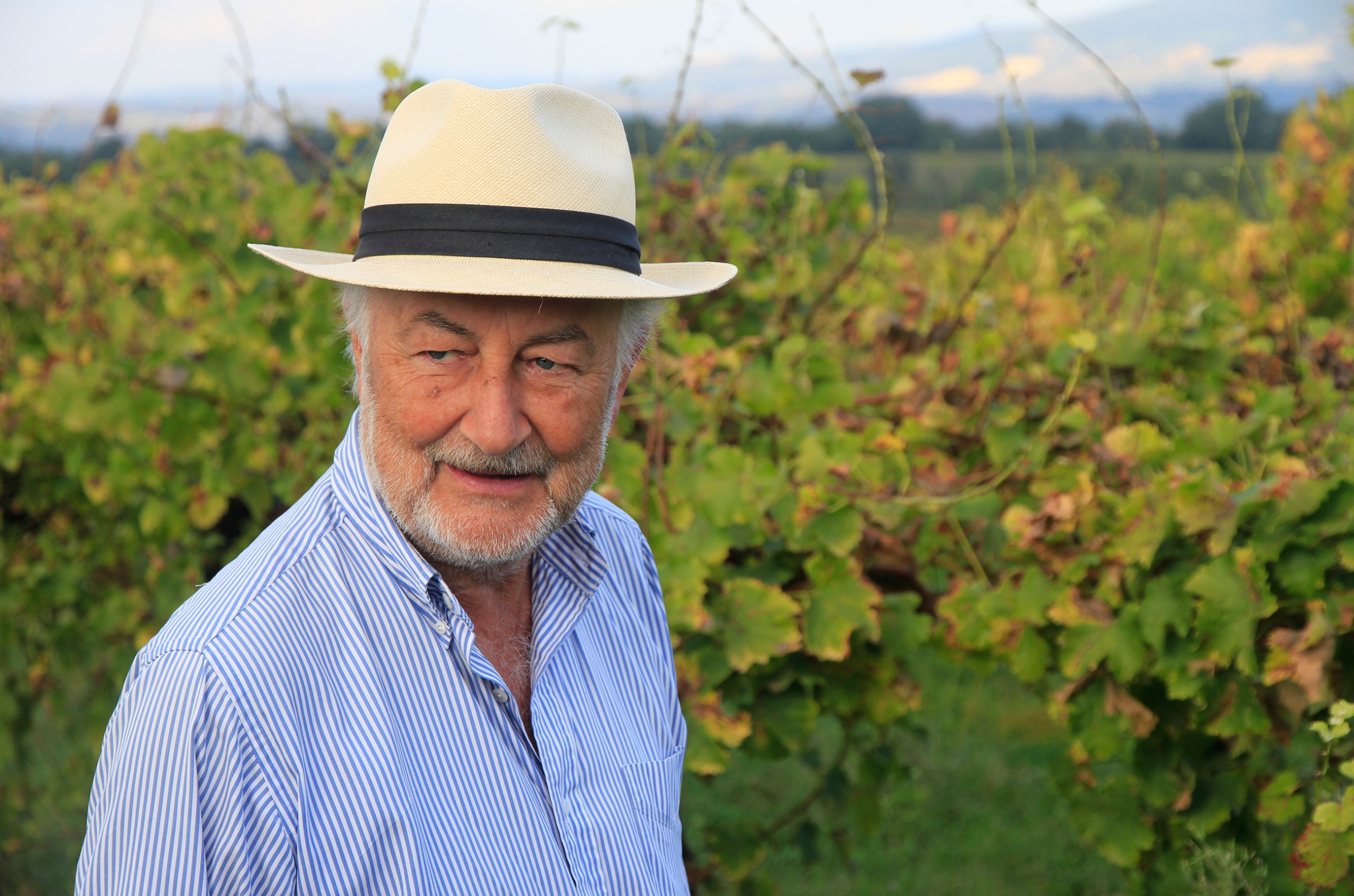 Sergio Mottura: Excellence in Tuscia
Sponsored A renowned figure in Lazio...
-
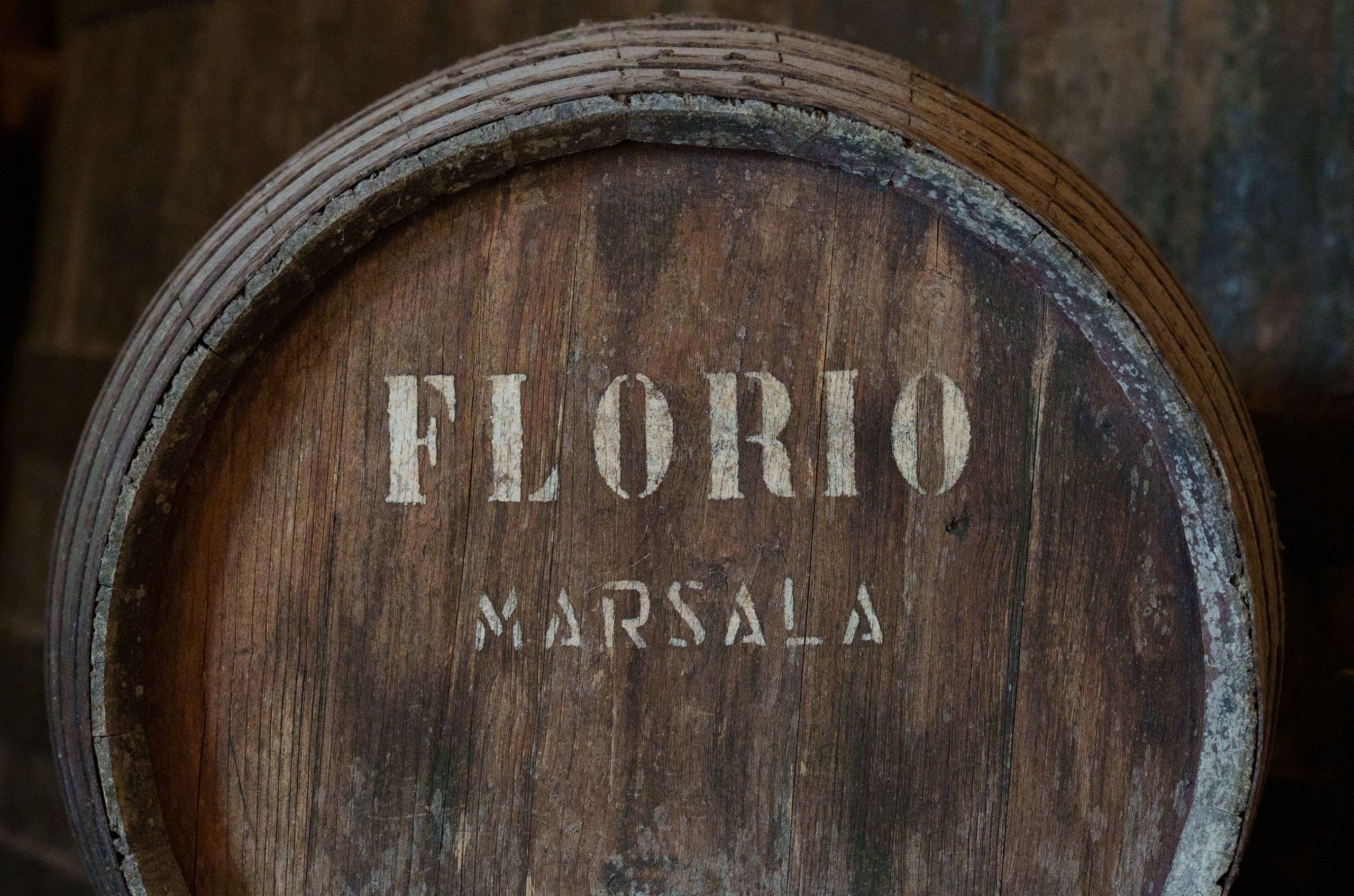 Florio: Winning new fans while respecting Marsala’s history
Sponsored An important milestone in Marsala...
-
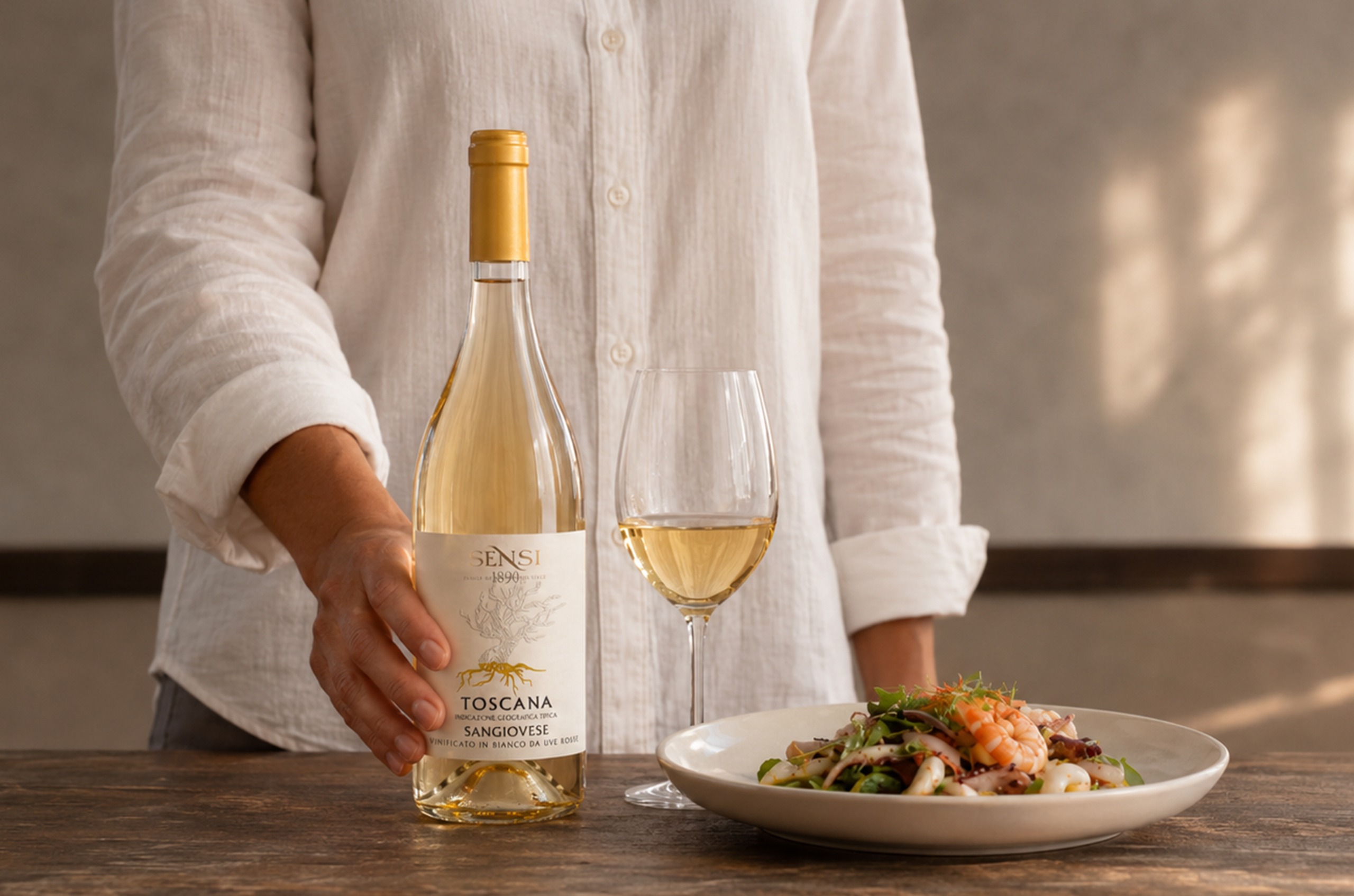 Sensi Vini: The gateway to your Italian wine exploration
Sponsored Chianti and beyond...
-
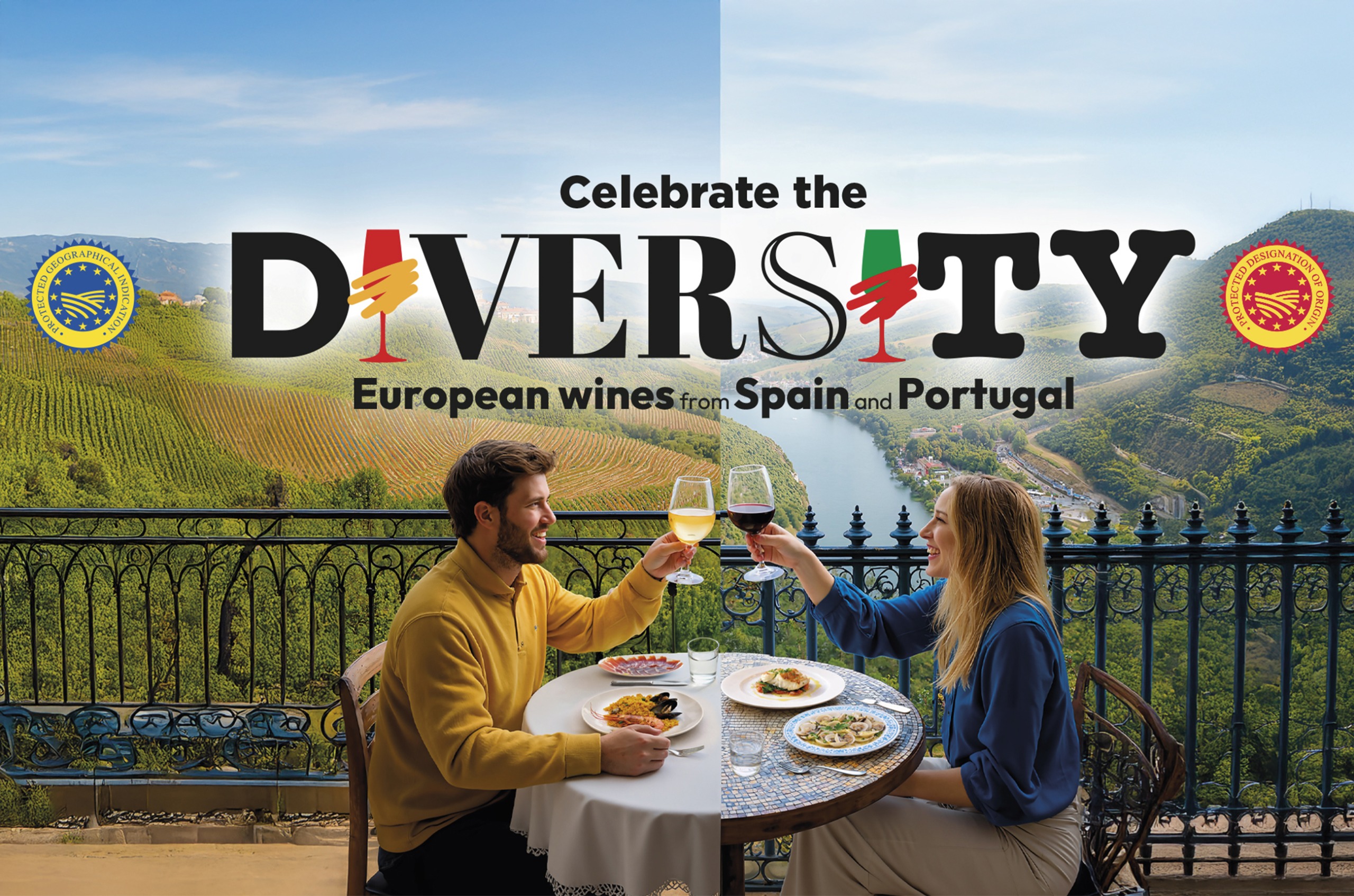 Celebrating European diversity
Sponsored Introducing the ‘Celebrate the Diversity’ project...


