
Great things happen when Prosecco goes vintage
Cellarworthy Conegliano and vintage Valdobbiadene are key callsigns for identity-driven Prosecco, argues Richard Baudains.
For the world at large, vintage Prosecco is an unfamiliar concept.
Only a tiny percentage of the frankly mind-boggling 762 million bottles produced in 2025 (combined official figures from the Prosecco DOC, Asolo Superiore DOCG and Conegliano-Valdobbiadene Superiore DOCG regional bodies) have labels with any of the permitted terms which indicate the year the grapes were picked: ‘millesimato’, ‘annata’, or ‘vendemmia’.
Only in limited circumstances is it obligatory to state a vintage – for the rest, it is an option that is rarely taken up. There are two main reasons for this.
One is that, to qualify as a vintage wine, at least 85% must be from the specified year.
But for high-volume production, this is not the case, as wineries bottle throughout the year, blending the new wine with the previous one in varying percentages to maintain consistency as the year goes on.
The other reason is that the vast majority of Prosecco is produced, bottled, sold and drunk within a year, which makes declaring a vintage largely superfluous.
When you pick up a bottle of Prosecco from the supermarket, you can be almost certain it is the youngest available.
Get our daily fine wine reviews, latest wine ratings, news and travel guides delivered straight to your inbox.
It is necessary, however, to make a distinction between two denominations. On one hand there is Prosecco DOC, from a vast swathe of the flatlands of northern Italy.
This can legally be released on 1 January and – in the regional body’s own words, ‘should preferably be consumed within the year following the harvest’.
In this case, a vintage on the label could be an indication of shelf life but is largely irrelevant.
On the other hand, there is Conegliano-Valdobbiadene Prosecco Superiore DOCG, from the hills, where production philosophies give a different meaning to vintage releases.
In the case of the prestigious sub-zones of the top-of-the-line Rive, a vintage declaration is obligatory, but an increasing number of other wines are also now coming out with vintage labelling.
Vintage as identity
Canal concluded my visit to Ruggeri with the words, ‘By now the style of [our] wines is consolidated, and what we are looking for is identity.’
Terroir is an obvious source of identity, but vintage is a less obvious one in the context of Prosecco.
However, it is one of the features that distinguishes the hillside wines of Asolo and Conegliano-Valdobbiadene Superiore DOCGs from the basic Prosecco DOC.
Producer and president of the Prosecco Superiore Consorzio, Franco Adami, takes the concept of vintage up to the next level with his new multi-vintage cuvée.
It is not a wine designed for the commercial consistency of multiple bottlings, but to demonstrate the ageing potential of Conegliano-Valdobiadene Prosecco.
In his innovative RPS (‘Recente Presa di Spuma’) Adami blends reserve wines from 2020 and 2023, combining the structure and maturity of the first with the fresh acidity of the second, to make a wine which is at the same time intriguingly evolved in its aromas, and fresh and long on the palate.
RPS Uno – the first edition – is out now; the next edition is on the drawing board.
Adami takes a different approach but he makes the same point as the makers of single-vintage wines.
It might be a niche amid the vast oceans of Prosecco DOC, but vintage DOCG Prosecco is an exciting reality to be explored.
Prosecco in made using a system patented by Italian Federico Martinotti in 1885, and later perfected by the Frenchman Eugène Charmat.
The Martinotti-Charmat method applies the same principles used in traditional bottle-refermentation to refermentation in pressurised vats.
The base wine is loaded into sealed tanks together with sugar and yeasts, where the CO2 produced by the fermentation dissolves in the wine as it does in the bottle.
The length of the ‘presa di spuma’ is regulated through temperature control.
Shorter periods of between 30-40 days preserve the aromas of the base wine, while longer periods up 100 days produce a wine with more structure and an autolytic character from the longer contact with the yeasts.
Pioneers and trendsetters
Silvano Follador
In most years, Silvano Follador makes just one wine; approximately 6,000 bottles of Prosecco Conegliano-Valdobbiadene Superiore Extra Brut: without dosage.
From his very first bottling in 2007 – at a time when it was virtually unheard of – he has always put the vintage on the label, seeing it as a question of principle.
‘Every vintage is different, and it’s right to convey that’, he says. His 2025 is dry, very firmly structured, and still a little hesitant on the nose.
The 2024 is much more expressive, while the 2022 is intense and quite nervy. His 2021, from the best vintage of the decade so far, is wonderfully complete, fresh, complex and perfectly balanced. If you had to have just one, this is the one to drink.
Bisol
At Bisol, the complete range is vintage-labelled. For the two Rive wines in the collection, this is obligatory, but for the other wines it is a choice.
I asked head oenologist Alberto Zilli the reason why they made this decision, and he gave me the same reply as Silvano Follador; that it is to respect the fact that ‘every vintage is the expression of the climate conditions of the growing season’.
Generally speaking, the vintage tends to emerge more explicitly in Extra Brut wines – those without any dosage – but it is no less evident in Bisol’s very refined Cartizze.
The 2025 has classic fresh white fruit and floral aromas which evolve towards the dried fruit of the very concentrated 2024, the Riesling-like notes of the 2023, and the lovely honey and spice of the 2019, which is drinking perfectly now.
Nino Franco
Primo Franco of Nino Franco winery in Valdobbiadene, founded in 1919.
Primo Franco was the first producer to take the revolutionary step of issuing a vintage Prosecco, back in 1983.
No less revolutionary is his stance on bottle age: the current vintage of the rich and complex Nino Franco Grave di Stecca is 2018.
Upon creation of the wine, it was rejected by the DOCG tasting commission as being ‘untypical’, and so it’s instead labelled as simple ‘Vino Spumante’.
In a vertical tasting going back to the first vintage of Grave di Stecca – 2007 – there was not one that I would not happily drink, and the 2013 was particularly outstanding for freshness, depth and complexity.
I Nodi, Franco’s Extra Brut from a single vineyard with century-old vines, has the same potential for longevity.
The current vintage, 2024, is still very young and the 2025 tasted pre-release is not quite ready, but the 2019 is sublime.
Selected older vintages are available to taste at the winery, but sadly not for sale.
Ruggeri
Paolo Bisol and his daughter Isabella
Longevity is also the feature that Andrea Canal, oenologist at Ruggeri, demonstrates when he pours old vintages of the company’s Extra Brut Vecchie Viti (again, the 2019 shines) and Giustino B, arguably the most consistent high quality Extra Dry of the denomination.
Of Giustino B, Canal says, ‘It has no expiry date’, and to make his point he pours the 2003 vintage.
‘The more it is under stress, the better Glera performs’, he says of how the grapes held up in this notorious heatwave year. It’s a wine with an amazing fruit-salad freshness on the nose and juicy energy on the palate.
After 23 years in the bottle, a light sparkling wine from the hot and dry 2003 should not taste like this, but for me it is confirmation of the mystery, the surprise, and the romance vintage expressions are capable of.
Bortolomiol
Giuliano Bortolomiol was the first producer to make a Prosecco Brut, in 1960. His game-changing intuition is celebrated in the company’s Grande Cuvée del Fondatore Extra Brut, from the Rive di San Pietro di Borbozza.
Long ageing on the lees and subsequently in the bottle means that the wine always comes out two years after the harvest.
The current release is 2024, a very tight and firmly structured wine without dosage from a vintage with a very hot summer; it comes over rather austere at the moment.
In an ideal world, I would be drinking the 2021 for the refined texture and the floral-herby aromas of the expressive, beautifully balanced vintage, or the 2016 for the rich tropical fruit and spice and the fullness on the palate from the very warm year.
Sorelle Bronca
At Sorelle Bronca, Antonella and Ersiliana Bronca make three single-plot selections named after the map reference of the section of the vineyard, the ‘particella’, or parcels.
Each comes from a different Rive site, with soils and mesoclimate that determine the character of the wine, and in particular its evolution.
‘Particella 68’ Rive di Colbertaldo and ‘Particella 232’ Rive di Farrò are located in the west side of the DOCG, towards Valdobbiadene. The pre-release 2025s look energetic but not fully expressive.
On the other hand, the 2025 ‘Particella 181’ Rive di Rua, which comes from warmer slopes to the east, in Conegliano, is definitely the one to go for.
It demonstrates precise white fruit and floral aromas, and a bouncy freshness that also comes from the Sorelle Bronca technique of direct tirage of the must.
Mongarda
Martino Tormena is the owner and winemaker of Mongarda, a 13-hectare family estate in Col San Martino.
He produces an Extra Dry and an Extra Brut from dedicated sites, as well as a Col Fondo and also – in favourable vintages – a limited edition metodo classico.
All the wines ferment with their own yeasts and are refermented and bottled in single lots. A feature of the house style is the long lees contact, both for the base wine and the finished spumante in the vat.
It’s a practice which gives the wines structure and tangy depth, but also means they evolve very slowly in the bottle.
The 2024s are ready. The 2025s which are coming out now, less so. I came away with a bottle of the 2025 Extra Dry and Martino’s recommendation to not touch it for a year.
Among the back vintages, the standout was (again) 2021; an amazingly complex Extra Brut with stunning intensity.
Vintage Prosecco to seek out
Related articles
Bortolomiol, 70th Anniversary Rive di Col San Martino, Prosecco Conegliano-Valdobbiadene Superiore Rive, Veneto, Italy 2024
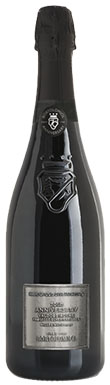
A very rich, creamy mousse precedes a bouquet with the alluring complexity of long lees contact and bottle age. Light biscuity notes, aniseed, sour yellow...
2024
VenetoItaly
BortolomiolProsecco
Silvano Follador, Extra Brut, Prosecco Conegliano-Valdobbiadene Superiore, Veneto, Italy 2025
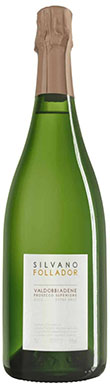
Super-fine, creamy white mousse. The nose opens gradually to reveal pure, fresh aromas of citrus, followed by dried apricot, apple cores, almond and hints of...
2025
VenetoItaly
Silvano FolladorProsecco
Sorelle Bronca, Particella 181 Rive di Rua, Prosecco Conegliano-Valdobbiadene Superiore Rive, Veneto, Italy 2025
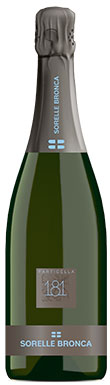
Immediately fresh and open on the nose with penetrating citrus aromas. The palate starts crisp and dry and continues agile and dynamic, with a super-refined...
2025
VenetoItaly
Sorelle BroncaProsecco
Villa Sandi, La Rivetta, Prosecco Valdobbiadene Superiore di Cartizze, Veneto, Italy 2025
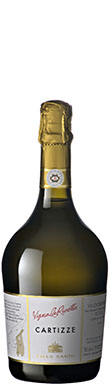
Fresh, complex and extremely inviting, this counterposes aromas of dark blossom with the ripe fruit of dried apricot and candied citrus peel. The palate has...
2025
VenetoItaly
Villa SandiProsecco
Adami, Col Credas Rive di Farra di Soligo, Prosecco Conegliano-Valdobbiadene Superiore Rive, Veneto, Italy 2025
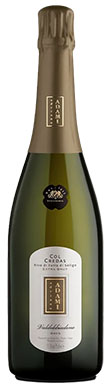
From one of the most dramatic, photogenic sites of the denomination, this is an extra brut of great freshness and complexity on the nose, with...
2025
VenetoItaly
AdamiProsecco
Andreola, 26° 1° Rive di Col San Martino, Prosecco Conegliano-Valdobbiadene Superiore Rive, Veneto, Italy 2025
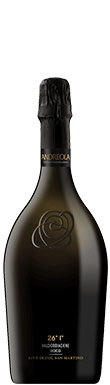
Immediately fresh and expressive on the nose with floral aromas of wisteria and iris, then white peach and citrus peel. There is a super-fine creamy...
2025
VenetoItaly
AndreolaProsecco
Bisol, Prosecco Valdobbiadene Superiore di Cartizze, Veneto, Italy 2025
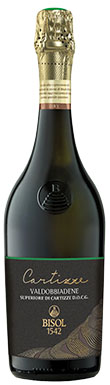
The immediately inviting nose of fruit salad and summer blossoms is the prelude to a similarly moreish palate of bright fruit and a rich, creamy...
2025
VenetoItaly
BisolProsecco
Frozza, Col dell'Orso, Prosecco Conegliano-Valdobbiadene Superiore, Veneto, Italy 2025
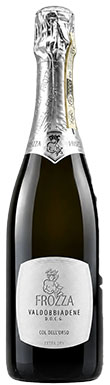
Subtly understated but precise and detailed aromas of camomile, acacia, pear skins, sour berries, hints of bitter herbs and ripe straw. Intense on the palate,...
2025
VenetoItaly
FrozzaProsecco
Nino Franco, Nodi, Prosecco Conegliano-Valdobbiadene Superiore, Veneto, Italy 2024
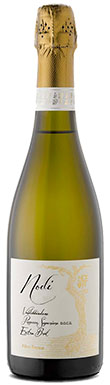
The initial savoury, leafy aromatic character makes way for intense white fruit, with an intriguing note of white pepper. The palate is compact and very...
2024
VenetoItaly
Nino FrancoProsecco
Ruggeri, Giustino B, Prosecco Conegliano-Valdobbiadene Superiore, Veneto, Italy 2025
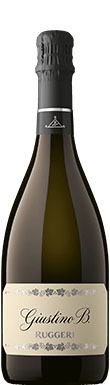
This opens with intense aromas of fresh apple and pear skin, which mingle with touches of mandarin orange, delicate iris and rose petal. The palate...
2025
VenetoItaly
RuggeriProsecco
Belussi, Belcanto Rive di Guia, Prosecco Conegliano-Valdobbiadene Superiore Rive, Veneto, Italy 2025
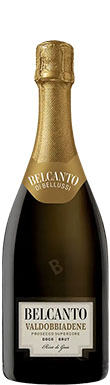
Very fresh and spontaneous, with classic lime blossom and green pear aromas and, in the background, a subtle minerally sappiness. The palate starts fresh and...
2025
VenetoItaly
BelussiProsecco
La Farra, Rive di Farra di Soligo, Prosecco Conegliano-Valdobbiadene Superiore Rive, Veneto, Italy 2025
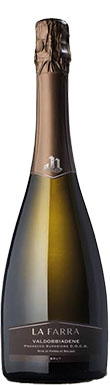
From one of the highest Rive of the DOCG, this has a textbook varietal nose with fresh citrus, green apple and delicate floral touches. Crisp...
2025
VenetoItaly
La FarraProsecco
Merotto, Cuvée del Fondatore Rive di Col San Martino, Prosecco Conegliano-Valdobbiadene Superiore Rive, Veneto, Italy 2022
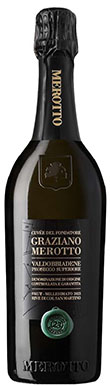
The deep straw shade here hints at the maturity emerging on the nose in a broad spectrum of tertiary aromas that include pressed flowers, baked...
2022
VenetoItaly
MerottoProsecco
Mongarda, Extra Brut, Prosecco Conegliano-Valdobbiadene Superiore, Veneto, Italy 2024
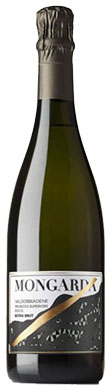
Intense, savoury aromas of salted lemons, wild herbs and, in the background, the hints of fresh bread crust that come from the long refermentation. The...
2024
VenetoItaly
MongardaProsecco
Andreola, Dirupo, Prosecco Conegliano-Valdobbiadene Superiore, Veneto, Italy 2021
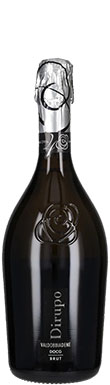
Deep, ripe straw in shade and with a nose bursting with energy and complexity: acacia honey, poached peaches, marzipan, honeysuckle and then hints of savoury...
2021
VenetoItaly
AndreolaProsecco
La Tordera, Otreval Zero Zuccheri Rive di Guia, Prosecco Conegliano-Valdobbiadene Superiore Rive, Veneto Italy, 2025
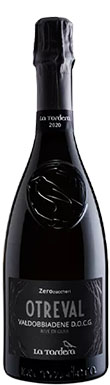
The bright straw shade is an immediate statement of the personality of this brut nature. Intense aromas of salted lemons and green apple peel carry...
2025
VenetoItaly
La TorderaProsecco
Follador, Nani dei Berti Rive di Col San Martino, Prosecco Conegliano-Valdobbiadene Superiore Rive, Veneto, Italy 2025
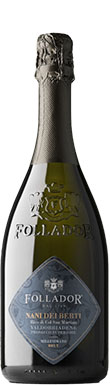
Another wine from the top Rive of Col San Martino, with light notes of bread crust and then floral, ripe pear and dried straw aromas....
2025
VenetoItaly
FolladorProsecco
Malibran, Rive di Ruio, Prosecco Conegliano-Valdobbiadene Superiore Rive, Veneto, Italy 2025
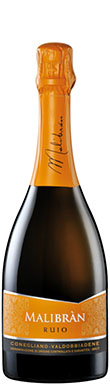
From a little-exploited Rive, this is a very expressive brut with precise varietal aromas of wisteria, acacia, slightly bitter lemon peel, and hints of savoury...
2025
VenetoItaly
MalibranProsecco
Masottina, Rive di Ogliano Levante Extra Dry, Prosecco Conegliano-Valdobbiadene Superiore Rive, Veneto, Italy 2025
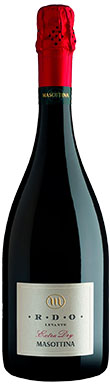
Aromas of dark blossoms, wet stones and, at the back, a touch of leafy sage and fennel. It has a very firm entry, with a...
2025
VenetoItaly
MasottinaProsecco
Valdo, Rive di San Pietro di Barbozza, Prosecco Conegliano-Valdobbiadene Superiore Rive, Veneto, Italy 2024
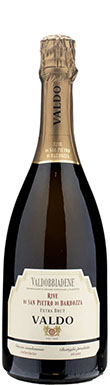
Lovely freshness on the nose, which opens with classic notes of dark blossom followed by lemon peel, apricot, and a hint of cut grass. There...
2024
VenetoItaly
ValdoProsecco
Biancavigna, Rive di Ogliano, Prosecco, Conegliano-Valdobbiadene Superiore Rive, Veneto, Italy 2024
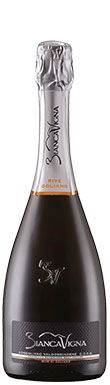
A wine that opens slowly but confidently to show white fruit, citrus and savoury herbs on the nose. The palate has a perlage with the...
2024
VenetoItaly
BiancavignaProsecco
Le Colture, Gerardo Rive di Santo Stefano, Prosecco, Conegliano-Valdobbiadene Superiore Rive, Veneto, Italy 2023
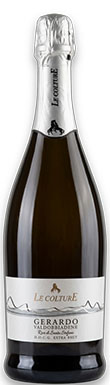
Pale straw in shade, with a deep white mousse and very fine, persistent perlage. The nose is starting to show the leafy notes of mature...
2023
VenetoItaly
Le ColtureProsecco
Sommariva, Rive di San Michele, Prosecco, Conegliano-Valdobbiadene Superiore Rive, Veneto, Italy, 2025
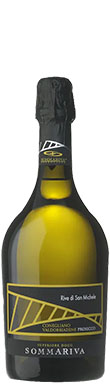
Rich and outgoing on the nose, with tropical fruits and candied peel at the front, then some floral notes and a hint of powder puff....
2025
VenetoItaly
SommarivaProsecco
Val 'Oca, Rive di Santo Stefano, Prosecco Conegliano-Valdobbiadene Superiore Rive, Veneto, Italy 2025
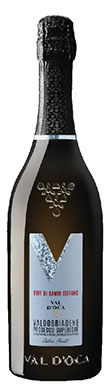
Delicate, sweet, floral nose with ripe yellow fruits and hints of bread crust from the lees ageing. On the palate it is soft and round,...
2025
VenetoItaly
Val 'OcaProsecco
Richard Baudains was brought up on the formerly French-speaking island of Jersey (hence the French surname). He moved to Italy to teach, and his first article with Decanter was published in 1988. He has been writing about Italian wine ever since, currently with a monthly column on Decanter Premium. Judge and long-time regional chair at the Decanter World Wine Awards, Baudains is also on the editorial team of the Slow Wine Guide for Friuli Venezia Giulia, and has taught MA courses on Wine Journalism at the Università delle Scienze Gastronomiche. Baudains judges in wine competitions and leads tastings and educational seminars in various Italian regions. Outside of wine, he works as a Cambridge University English language examiner. He lives in Gorizia.