

In Italian, it’s Alto Adige; in German, it’s Südtirol; in English, it’s South Tyrol. In the wine world, it’s a hidden gem, a region on Italy’s northern border, sheltered from the most extreme cooling influences of the Alps by the Dolomite mountains and warmed by the remnants of the Mediterranean’s heat.
That diverse range of climatic conditions is echoed by the diversity within its winemaking community. Nearly 4800 farmers care for around 5860ha of vineyards, with its many family-run farms forming the backbone of the region’s long-running winemaking heritage.
‘Its altitude makes Alto Adige one of the world’s premier cool climate wine regions’
Those vineyards are spread over a range of heights up its hillsides, from 200m to an awe-inspiring 1000m. Its altitude makes Alto Adige one of the world’s premier cool climate wine regions, providing the freshness and elegance sought by sommeliers at high end restaurants around the globe.
Yet there’s more to Alto Adige than altitude alone. Its jaw-dropping landscape creates a patchwork of microclimates, allowing more than 20 grape varieties to be grown. The large diurnal range – the difference in temperature between day and night – allows the grapes to retain their acidity, bringing freshness to the finished wines.

Alto Adige producers work with both international and local black varieties.
Going beyond altitude
Such a diversity of varieties doesn’t happen by accident. Farmers in Alto Adige bring precision to their grape growing, nurturing the varieties best suited for each microclimate.
White wine accounts for two thirds of the region’s output, ranging from Pinot Grigio and Pinot Bianco through to Chardonnay and Gewürztraminer. Yet the producers of Alto Adige have plenty of expertise in making red wines too, including international favourites such as Pinot Nero, and indigenous varieties including Lagrein and Schiava, also known as Vernatsch, which forms about 8% of the region’s harvest.
Higher and cooler sites are better suited to varieties such as Pinot Nero, Pinot Bianco, and Sauvignon Blanc, while lower, warmer sites favour grapes such as Lagrein, Merlot, and Cabernet Sauvignon.
Growing grapes on steep slopes involves huge amounts of effort, with human hands rather than machines providing the brunt of the labour. Yet that supreme effort also leads to a sharp focus on quality, with wineries dedicated to preserving each grape’s distinctive characteristics, capturing the variety of identities forged in the valleys of Italy’s northernmost region.

Overlooking the Caldaro Lake vineyards.
Learn more about Alto Adige Wines
Connect on Facebook | Instagram | LinkedIn | YouTube

Discover more:

Mountain high: How Alto Adige became Italy's white-wine star at DWWA 2026


-
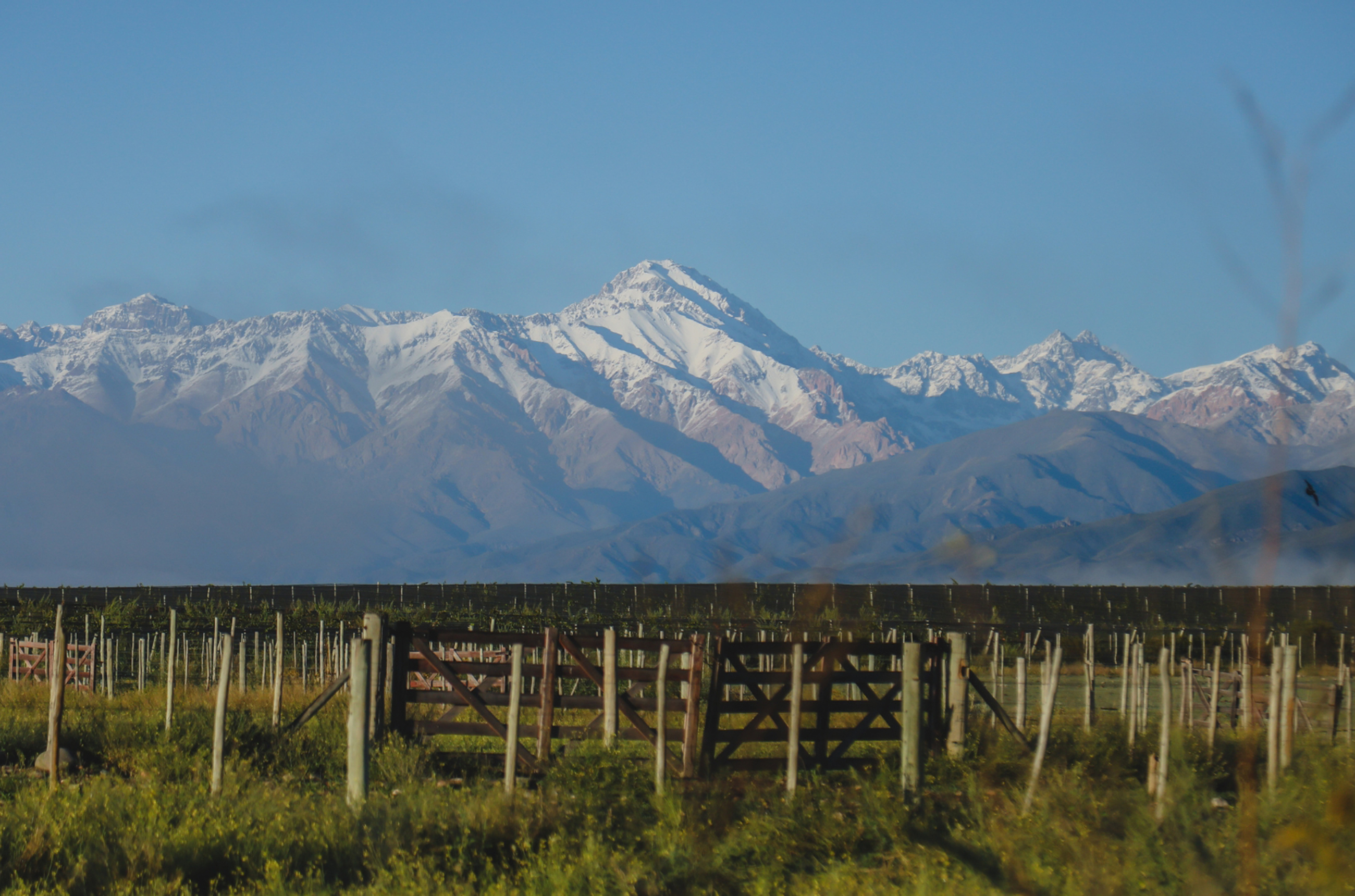 Gualtallary Wines: A Mendoza winery with an international vision
Sponsored Excellence at high altitude...
-
 Casa Real 2023: A South American icon
Sponsored A renowned Cabernet Sauvignon...
-
 Critical acclaim for Condado de Haza
Sponsored A coveted medal...
-
 The life and soul of Istrian winemaking
Sponsored The region's flagship grapes...
-
 Bringing the spirit of Rioja to the UK
Sponsored Spain's leading wine region...
-
 Apartado: Elegant interpretations of the Uco Valley from Rutini Wines
Sponsored The essence of the Uco Valley...
-
 Award-winning wines from Austria
Sponsored Quality and diversity...
-
 Gen V: The new face of Istria
Sponsored Taking Istria into the future...


