

There are three blue-chip red wines from Italy: Brunello, Barolo – and Amarone, the super-concentrated, super long-lived rosso that should be in the wine racks and cellars of every serious wine lover. And within the world of Amarone, Masi – the first quality wine brand to be listed on the Italian stock exchange – remains a benchmark.
This, perhaps, isn’t surprising. After all, the Boscaini family have had a long time to finesse what they are doing in the region. Their ancestors picked their first grapes in the prestigious Vajo dei Masi vineyards in 1772, before US independence or the French Revolution.
In the 250+ years since, the Boscainis have established themselves as Amarone royalty – in fact, their president Sandro Boscaini is even known widely as ‘Mr Amarone’. The company makes six different expressions of the wine, exporting them to an incredible 140 countries. They are a globally respected go-to for this iconic wine style.

Masi grows grass between vines to promote biodiversity.
Amarone comes from the vineyards of Valpolicella, scattered around the slopes and foothills of the pre-Alps north of Verona. The best are in the Classico zone around the villages of Sant’Ambrogio, San Pietro and the Fumane, Marano and Negrar valleys.
This is the home of the Masi vineyards that provide the fruit for their Costasera Amarone. In fact, the wine’s name provides a clue to the vineyards themselves. Costasera means ‘evening slope’, and the majority of the Masi vineyards face south-west, overlooking Lake Garda. Soaking up the late afternoon and evening sunshine, the vines benefit from excellent exposure, but also a slightly gentler heat.
Masi has had a profound respect for its land from the start. And in 2024, this was formalised in their Green Governance sustainability project. Using rainwater for irrigation, growing grass between the vine rows to encourage biodiversity and soil health, and minimal use of herbicides or pesticides will ensure its vineyards remain healthy for generations to come.
Costasera is made from a blend of three classic indigenous grape varieties. Corvina provides perfume and a distinctive cherry flavour, Rondinella contributes tannic structure and Molinara adds spice and acidity.

Masi's historic cellars.
If vinified when first picked, the wines would make a classic Valpolicella – bright, medium-bodied, versatile and appealing. But the key to Amarone is that this doesn’t happen. Instead, for Costasera, the bunches of grapes are left for at least three months on bamboo racks in a fruttaio – a traditional drying area where they become more concentrated.
This technique – the appassimento method – has been practised since Ancient Roman times; the Masi technical team respects this centuries-old tradition while continuing to innovate in its winemaking.
After a long, slow vinification, the wine is left to age for 30 months in (mostly) large Slavonian oak barrels, which give time for the flavours and tannins to knit together, without imparting any overt wood influence.
Masi’s Costasera is not a wine to hurry. At least three years old when it is finally released, it can age for decades more. Stately and impressive, it is the epitome of great Amarone; a wine for true cognoscenti, demanding fine food, stimulating company and careful appreciation.

Masi's open winery in Valpolicella, Monteleone21.
Get to know Masi
- With the Masi Wine Experience project, Masi has opened the doors of its historic estates and its new Monteleone21 headquarters in Valpolicella to visitors. monteleone21.it
- Masi also has a selection of dedicated restaurants and wine bars where guests can taste the full range of wines, perfectly paired with a variety of original recipes. masi.it.
- Their ecommerce site is a great place for buying their full range of wines – including rare expressions. enotecamasi.it

The interior of open winery Monteleone21.
Connect on Facebook | Instagram | LinkedIn | Youtube


-
 Ruggeri: Valdobbiadene Prosecco Superiore DOCG that’s made to last
Sponsored From the Cartizze hills...
-
 Uruguay: A country guided by possibility
Sponsored Embracing self-discovery...
-
 Vallepicciola: Tourism and winemaking in the Chianti hills
Sponsored Winemaking and luxury hospitality...
-
 A standout voice in Valpolicella
Sponsored A key name for Valpolicella and Amarone...
-
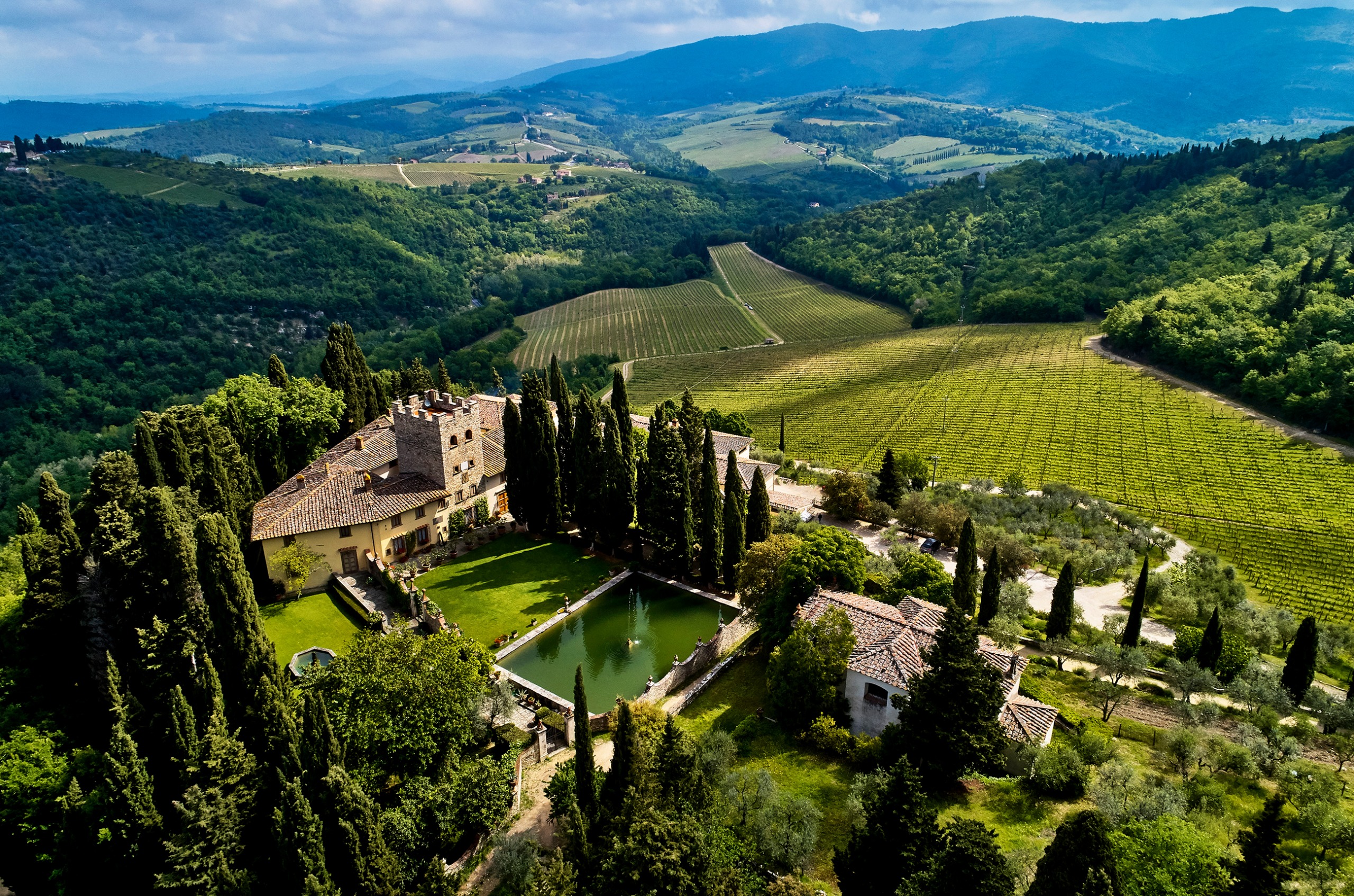 Discover the world of Castello di Verrazzano
Sponsored An ancient castle set amid sprawling vineyards...
-
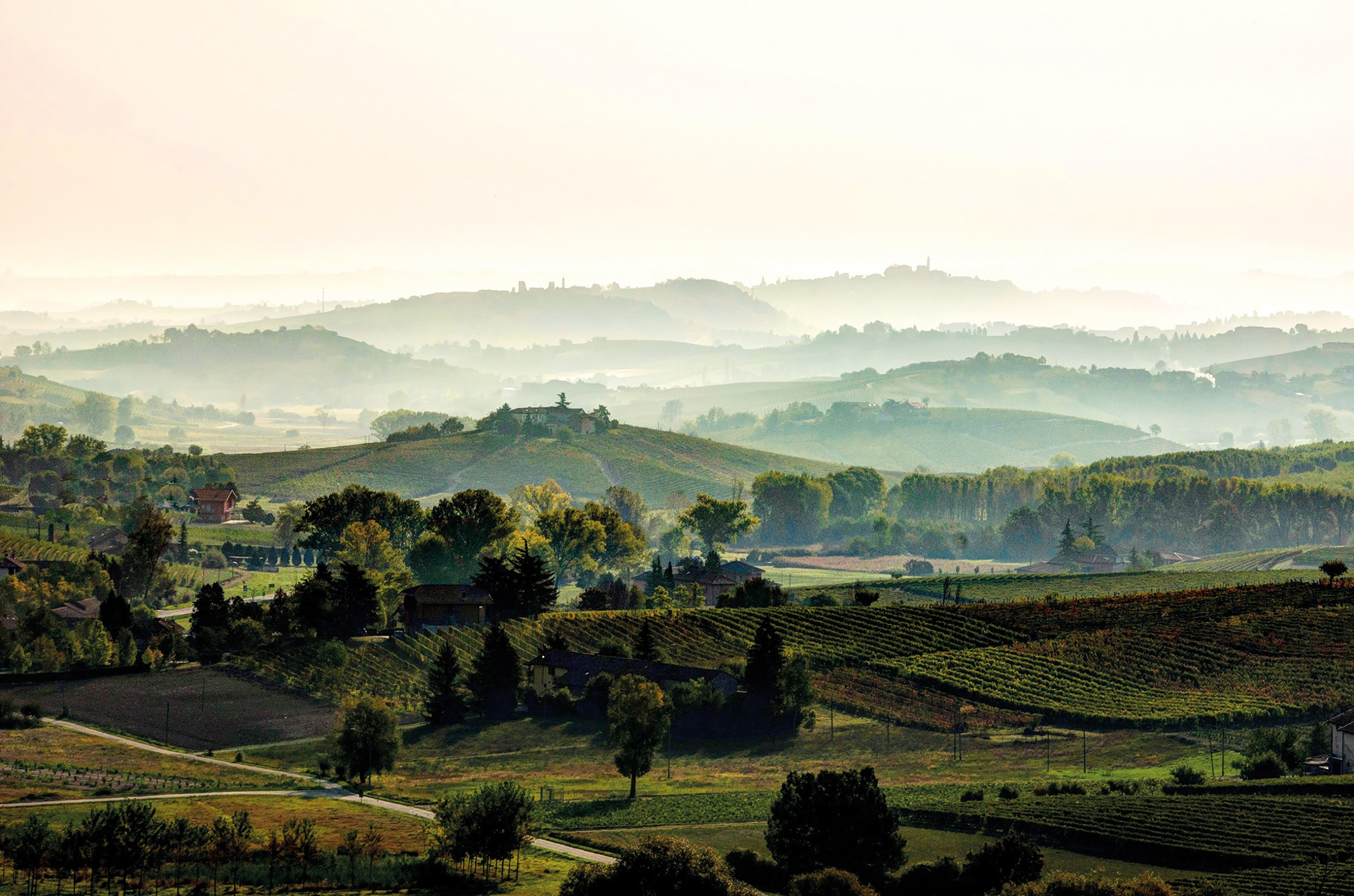 Barbera d'Asti DOCG: Tradition and modernity in Piedmont
Sponsored Many expressions of one variety...
-
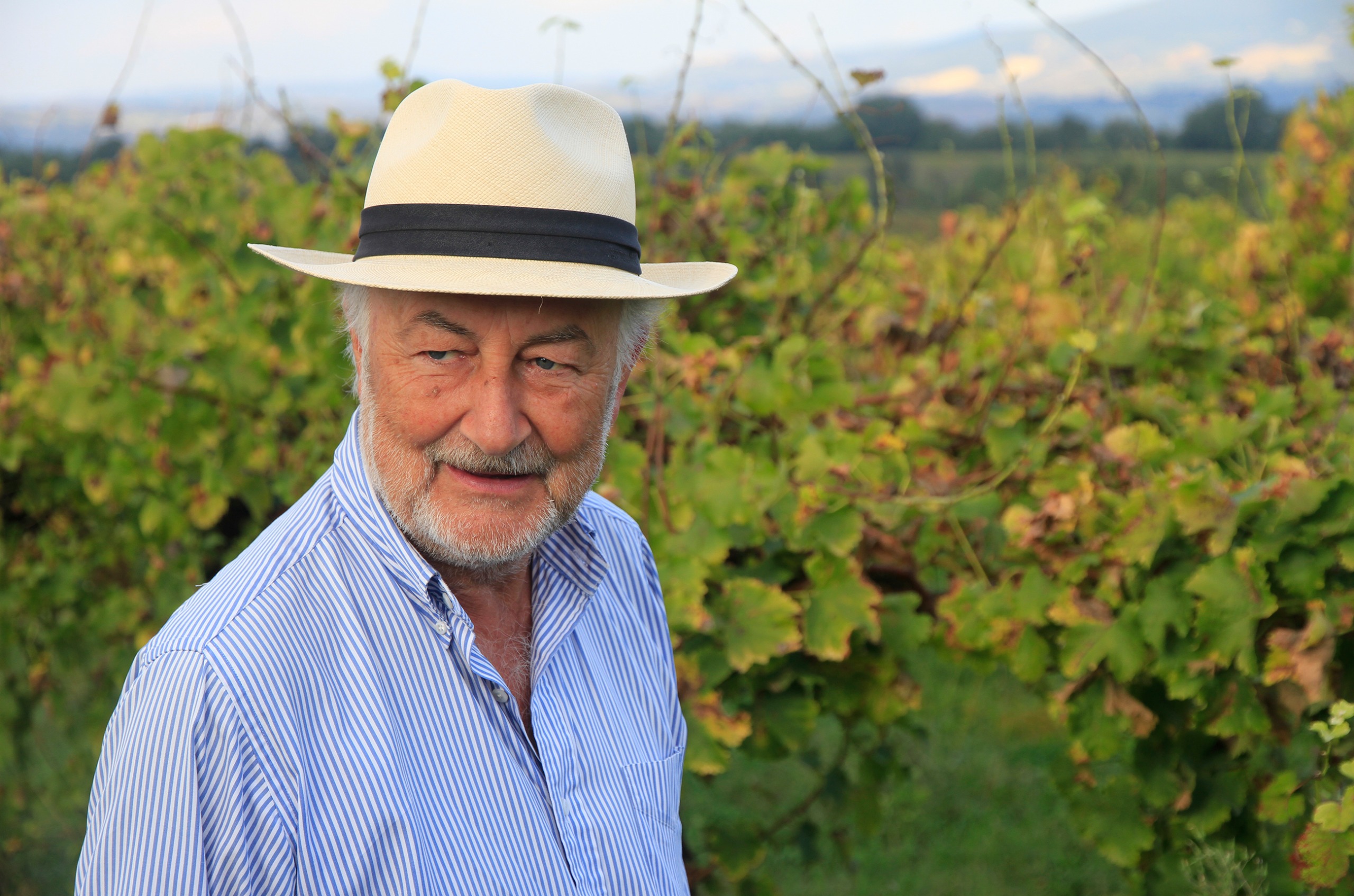 Sergio Mottura: Excellence in Tuscia
Sponsored A renowned figure in Lazio...
-
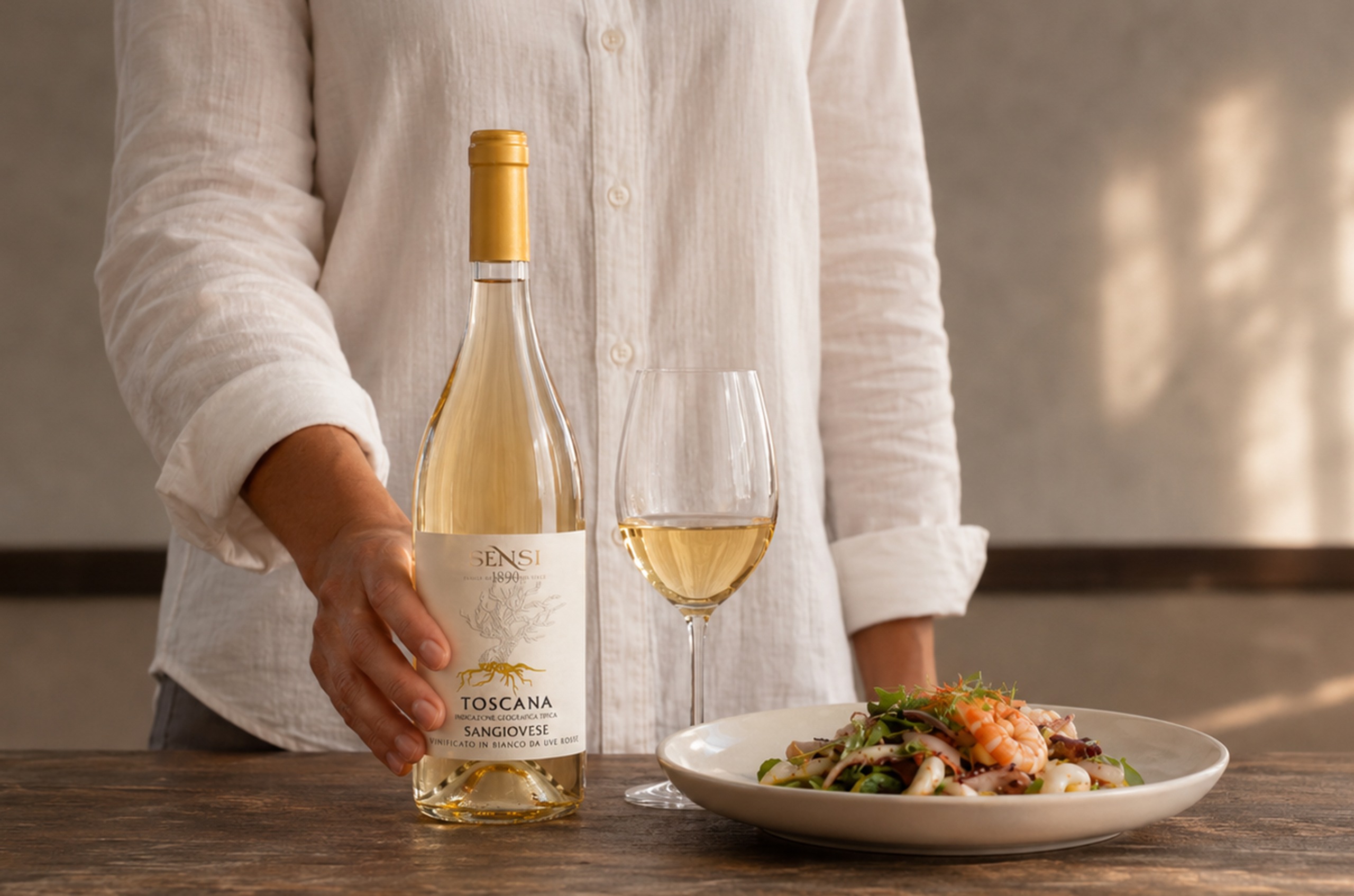 Sensi Vini: The gateway to your Italian wine exploration
Sponsored Chianti and beyond...


