More than a lakeside sipper: Why Lugana deserves your attention this summer
Look past Lugana's reputation as a casual holiday pour and discover what makes it worthy of more serious attention.


If you have ever found yourself lounging around the shores of Lake Garda in northern Italy, chances are you’ve enjoyed a glass of Lugana.
But even if you’re staycationing this summer, this boutique white wine region is well worth investigating.
Spanning the border between Lombardy and Veneto, Lugana’s breezy white wines – plus a smattering of vibrant sparklers – are made from Turbiana. This local variety is a bit of a chameleon; delicately fruit-forward on its own, but with enough structural complexity to give winemakers endless room to play with different styles.
‘We don’t want to cover the character of Lugana,’ says Alessandro Cutolo of Marangona, an organic 35-hectare family estate. His vineyards are in Lombardy, yet his cellar just over the road is in Veneto. He prefers unlined cement and Tava terracotta amphorae for their gentle oxidative capabilities, preserving the grape's bright fruit and translating its signature minerality and salinity straight to the glass.
Meanwhile, Roberto Girelli, the fourth-generation winemaker at nearby Montonale, champions stainless steel, although he employs Austrian oak for his tiny-production, single-vineyard ‘Orestilla’. ‘My goal is to represent the soil and the minerality of Lugana in the wine,’ he explains.
Le Morette is one of around 20 wineries (of a total of just over 100) experimenting with Riserva bottlings, pushing the boundaries of ageability for what was until recently considered a young and fresh wine.
‘With time in bottle, you have more the influence of the soil and less the influence of the grape,’ explains Cutolo.
It's in the soil

To truly understand Lugana, you have to look down. Established in 1905, Ottella is one of the region's historic pioneers. In 1964, chief winemaker Lodovico’s grandfather, also called Lodovico, designed a map of the Lugana denomination based on its unique clay soils. This compact, mineral-rich white clay is key to Lugana's character; it naturally tames the vigour of the bounteous Turbiana grape, resulting in whites that boast impressive weight, concentration, and a hallmark longevity that punches far above their casual 'summer-sipper' weight.
Four Lugana to change your mind
Related articles


Montonale, Orestilla, Lugana, Lombardy, Italy 2021
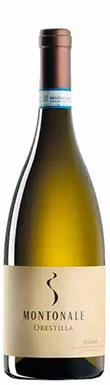

The name of this wine is taken from a Roman sarcophagus found on the estate dedicated to a lady named Orestilla. Citrus, yellow apple and...
2021
MontonaleLugana

Marangona, Cemento, Lugana, Lombardy, Italy 2024
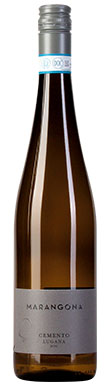
As the name suggests, this superb wine is vinified and matured in cement vessels along with the grape skins to give extra texture and structure....
2024
MarangonaLugana
Ottella, Le Creete, Lugana, Lombardy, Italy 2024
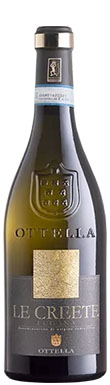
This single-vineyard Lugana is from a plot of the estate's oldest vines with a high concentration of clay in the soil. It's vinified in 90%...
2024
OttellaLugana
Le Morette, Riserva, Lugana, Lombardy, Italy 2023
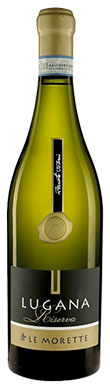
Sourced from Le Morette's oldest vineyard plots, this creamy, concentrated sip is full of stone fruits and minerals. It spends nine months ageing – only 25%...
2023
Le MoretteLugana
