
Bordeaux 2024: Full vintage review and top-scoring wines
Bordeaux editor Georgie Hindle breaks down the 2024 vintage in detail, with a review of the best wines and what it took to salvage something from one of the trickiest growing seasons of the last decade.

Bordeaux 2024 vintage
Vintage rating overall: 3/5
A ‘war’ is how Château Cheval Blanc’s Pierre-Olivier Clouet described the 2024 vintage.
It was perhaps never going to be easy when the growing season started as the wettest in recent memory, and the years ending in ‘4’ don’t have the best reputation – if you follow those rules in Bordeaux.
It’s an uneven vintage with highs and lows but it’s certainly not a disaster.
Better than expected doesn’t exactly heap praise on the 2024s but it could have been much worse, and no doubt would have been 20 years ago.
Mildew hit historically early with Lafleur beginning to spray on the 20 March and the pressure never let up from there with 31 treatments needed at some organic estates when a little more than half an inch of rain would wash away a treatment.
Rain disrupted both flowering and fruit-set posing all sorts of problems for even ripening but summer was the third driest in the last 20 years.
July was mostly dry, but overcast and not overly sunny, however August was hotter with more sunshine hours which went some way to counter the soggy soils and induce a degree of hydric stress.
However, more rain arrived in early September and again towards the end of the month, with cool temperatures throughout, bringing low sugar levels, dilution and botrytis risks (a challenge not faced in 20 years at some estates).
I’ve covered the weather in detail in two earlier articles, more generally here and month-by-month here.
To follow all of Decanter’s comprehensive en primeur coverage, subscribe to Premium today with the code BORDEAUX24 for 20% off an annual subscription
Standout red wines of the vintage
Château Pontet Canet
Château L’Eglise Clinet
Château Les Carmes Haut Brion
Château Margaux
Also exceptional: Montrose, Pichon Comtesse, Pichon Baron, Cos D’Estournel, Lafleur, Latour, Rauzan-Ségla, Palmer, Figeac, Angelus, Troplong Mondot, Lassegue, Canon, Beauséjour-Bécot, Beauséjour, Léoville Las Cases, VCC, Larcis Ducasse.
Standout white wines
Valandruad Blanc, Pavillon Blanc, Domaine de Chevalier, Malartic-Lagravière
Standout sweet wines
Coutet, Suduiraut

It may not be remembered as one of the greats, but 2024 is a compelling study in resilience and endurance.
Vigilance, reactivity, teamwork, quick and strategic decision making, financial resources, obsessive sorting and terroir (as well as a bit of hope and luck) were all critical to success.
For grapes that were able to ripen ‘enough’ – the biggest challenge of the year – and be sorted as such, the results are excellent, with some lovely and extremely drinkable bottles around.
It’s not that they’re all great, they aren’t, quality diminishes beyond many of the first wines and lesser sites, but some wines will stand comfortably and confidently shoulder-to-shoulder with other vintages in a vertical.
We don’t need blockbuster 2022 vintages every year, and 2024 is certainly not that, or even close.
Indeed, there was even widespread chaptalisation (the regulated addition of sugar to grape must to increase alcohol content by around 0.5%) which wasn’t as openly admitted to in 2021.
With most alcohols clocking in between 12.8% and 13.5%, these aren’t super ripe, bold, bruising or plush wines.
They don’t have the density or charm as 2020 say, they’re more straight, focussed and fresh – more akin to 2021 (although better in places), 2014 and 2001.
The vintage is a modern iteration of those that came from the 1990s – good old ‘drinking’ clarets that will be approachable when young but also appeal to a younger consumer who doesn’t want to cellar these wines for decades before opening.
With regards tannins, Château Margaux’s grand vin has an IPT (Total Polyphenol Index) of 63 which is ‘more like the 1996 vintage,’ winemaker Philippe Bascaules noted.
Key themes:
Relentless climatic challenges
Inspiring human resilience
Stark quality disparities driven by terroir and finances
Achieving ripeness meant taking risks
Adaptive winemaking and rigorous selection were key
Elegant, acid-driven, early-drinking style
Triumphs amid adversity
Market challenges and pricing imperatives
Wine styles and quality variations
Generous but gentle
In general, the 2024 vintage can be described as delicate, generous but gentle, lightly framed but in the best cases still with medium concentration and wonderful aromatic intensity, mainly of crisp, mouthwatering red and cool blue berries instead of black.
Wines show the pedigree of their terroir as well as clear winemaking intent. Restraint in terms of extraction is identifiable as well as the addition of press wine to build the body in the more successful wines.
There’s purity but with surprising complexity and persistence. While not seductive, they’re more academic, a little more serious but nonetheless enjoyable and will be great to enjoy with food.
The better wines are elegant and finessed, certainly acid-driven that’s a given with pHs between 3.50 and 3.75 (3.60-3.75 is a sweet spot with 3.60-3.65 valued for long ageing and 3.70-3.75 suiting earlier-drinking styles), but with an overall balance of fruit, brightness and tannins.
However, as is often the case, not everyone was spared and the vintage is one of the most heterogeneous in recent times with huge disparities in both quality and yields, some of which was entirely unavoidable.

Viticultural challenges and responses
Losses were particularly felt by mildew in waterlogged vineyards where tractors were unable to treat or those that didn’t treat early enough and were playing catch up for the rest of the season.
Petrus used quadbikes for better access and Le Boscq invested in caterpillar tractors to navigate claggy clay soils.
Cover crops for those that had them were particularly useful for vineyard access at this point, stabilising soils and managing water.
Some northern Médoc estates also suffered from three localised hail storms in June.
However, most crop depletion was due to coulure and millerandage. Coulure is the failure of grapes to develop after flowering due to poor pollination or environmental stress, resulting in reduced yields and fewer berries per bunch.
Millerandage is a viticultural condition where grapes within a bunch develop unevenly due to poor pollination or weather, resulting in berries of different sizes and maturities.
Coulure was the single biggest factor of low yields, affecting both Merlot and unusually Cabernet Sauvignon.
Although this led to uneven ripening, it meant that bunches were less compacted/more aerated which helped limit the threat of rot.
Yields, written as hl/ha in my tasting notes averaged 36hl/ha putting 2024 as the smallest crop since 1991 however amounts varied massively between estates.
Latour for instance had 11hl/ha while Lafite had 32hl/ha. L’Eglise Clinet had 30hl/ha while Phèlan Segur had 38hl/ha.
As a quick guide a few of the appellation averages were; 29.5hl/ha in Pauillac, 33.1hl/ha in Margaux, 40.8hl/ha in St-Emilion and 28.4hl/ha in Pomerol.
Terroir is king (better draining and earlier ripening sites prevailed) but so is money, sad though it is.
Winemaking strategies and financial realities
To what extent could an estate afford quality when it meant; being available to spray 24-7 (even on weekends) and up to three times more than normal?
To employ extra people throughout the year to clean vines and de-leaf for extra sun impact? To wait for maturity but knowing you’ll have to sacrifice grapes? Those options simply weren’t possible for some estates.
Full phenolic ripeness was of course key but achieving that wasn’t easy. Earlier ripening Merlot was caught in the crosshairs of September rains while the later-ripening Cabernets fared better under dry October skies.
Left Bank wines generally included more Cabernet than usual in the blends although many large estates were forced to pick in the rain.
Ultimately however it was a question of maturity vs yield vs cost/return.
Who could wait the longest, harvest the quickest and sort the most thoroughly, and then afford the result?
Cheval Blanc for instance picked 18ha in two and a half days – a task that would usually take seven!
Pontet Canet waited longer than most, starting on the 26 September for Merlot and the 4 October (the day Lafite finished) for the Cabernets and picking the heart of the vineyard on 6th, 7th and 8th.
‘We could have picked earlier, but for what we want to do with only one wine, we have to take the risks and that was the only way,’ said Pontet-Canet’s technical director Mathieu Bessonnet.
Ducru-Beaucaillou doubled the number of harvesters, so did Beauséjour.

Belt and braces
If you could, you did. But it didn’t make it any less exhausting with winemakers recounting clear fatigue at the end yet pride in overcoming the season’s challenges giving the vintage a very real human narrative.
Sorting was highly influential but varies from producer to producer. Hand harvesting, sorting in the vines and on tables was enough for some winemakers, while others used either optical or densimetric machines or both like Figeac and Petit Village.
A densimetric sorting machine separates grapes by density using a liquid bath (often made of sugary water) to float less ripe, less dense berries while allowing denser, riper berries to sink, ensuring only fruit with the desired ripeness is used for winemaking.
They have a rental cost of around €20,000 euros and must be ordered in July well ahead of harvest time.
Estates opted for gentle extractions and longer macerations in the cellar, as well as saignée (bleeding) to concentrate musts.
Reverse osmosis – a winemaking technique that uses a semi-permeable membrane to remove water from grape must, concentrating sugars, acids, and flavours to enhance the wine’s intensity and balance – was also used at a few estates including Léoville Poyferré and Lagrange.
Although since this method reduces quantities even further it was not widely used.
Quality disparity and ageing potential
Quality wise, in addition to the good, there are the bad. There are lots of lean and mean wines out there.
As covered in my wine styles article, there are definitely unripe wines with green and stalky notes and ones that haven’t achieved balance or a sense of completeness.
There are hollow mid-palates, dilution and coarse, harsh tannins. Wines sometimes have tart, or sour acidities – a feeling of searing freshness or citric bitterness. Austerity is also present often due to intense minerality from limestone or gravel terroirs.
Some wines are overly toasted and dry, with either too much extraction or too much new oak at this stage, however, in general oak regimes have been dialled down.
Balance and composure can make up for a lack of richness or complexity and where winemakers accepted that, and were able to pivot from dreams of richness and opulence to something more restrained, they have found success.
That said, mid palates could also be built with the integration of high quality press wine to varying degrees; 20% at Capbern and Calon Ségur, 16% at Pichon Comtesse, 13% at Margaux, Montrose and Cos d’Estournel, 10% in Phelan Segur (the first year with two vertical presses), 10% in Palmer.
Some eschew it entirely and are none the worse for it, Larcis Ducasse has no press wine and is fantastic.
Ageing will be key and there’s definitely some reticence on my part to sentence these young wines with surety when they are so fragile.
Length and time in barrels will certainly define the ultimate style so the in-bottle tastings will be more important than usual I think.

Dry and sweet white wines
The dry white wines, primarily Sauvignon Blanc and Sémillon blends, showcase a vibrant freshness that mirrors the vintage’s acid-driven red wines, though quality varies widely due to the season’s wet conditions.
Standout examples deliver zesty citrus and green apple notes, with pH levels around 3.20–3.40 and crisp acidity, offering a lively, mineral-edged profile ideal for early drinking.
However, the relentless spring rains and September’s cool, damp weather posed challenges, with some estates battling dilution and flabbiness, resulting in wines with soft or muted acidity.
Rigorous sorting and early harvesting were crucial for success. While not as concentrated as exceptional vintages like 2020, the best 2024 whites provide refreshing, food-friendly options with elegance over opulence, though lesser examples fall short of the region’s typically high standards.
Sweet wines offer plenty of zesty liveliness although don’t compete with more recent excellent vintages in terms of concentration or complexity.
Less luscious but with striking acidity and pure aromas and flavours of botrytis, there’s plenty of pleasure to be had in 2024.
The first wave of harvests started late September with second passes in early October although cooler subsequent weather prevented further pickings which may have produced even more sweetness and richness.
Yields were relatively generous however with an average of 13hl/ha in Sauternes (up 1% from 2023) and 11.5hl/ha in Barsac (down 2% on 2023).
Key EP releases so far
Market dynamics and en primeur challenges
With a difficult vintage, the verdict is even more tricky. I can’t say I loved all the wines, indeed I found some undrinkable and have not included them in my report (typically we don’t include tasting notes for wines that score below 85 points).
But there are bottles that deserve attention – not least because of the mammoth efforts it took to produce them.
My son also arrived in 2024 and I’m certainly earmarking bottles for him to enjoy on certain milestones.
As Lafite’s Saskia de Rothschild said: ‘2024 could be one of those vintages like 2001 – in the beginning they seem less opulent but in the early ages they give such pleasure’.
And then there is the market. The 2024 vintage was one of the most expensive in recent times with one winemaker estimating a 40% higher production cost than 2023 (including labour and treatments and given the low yields).
At every stage costs just kept going up. It shouldn’t be lost on people however that while this is true, estates are being asked to massively discount the wines in order to galvanise a very sluggish and somewhat indifferent market.
Bordeaux’s image crisis still lingers on despite excellent quality wines and plenty of innovation as well as new consumer campaigns, and people generally aren’t drinking as much wine as they used to.
There’s also the issue of poor returns for EP investors. The Liv-ex Bordeaux 500 index fell 24% from 2022–2024, reflecting declining demand and oversupply – some merchants are sitting on three years worth of unsold stock.
Early campaign struggles
Yet early reports suggest even heavy decreases from the 2023 release prices haven’t been enough. For estates with already high prices, a large reduction is commendable, but there are some who can’t drop a Euro.
So far Haut Bailly is down the most from 2023, with a 36.1% cut, and Lafleur the least, down just 2.5%.
It’s interesting to note that in release emails by Wine Lister, 2024 prices and scores are being compared and contrasted with other vintages, noting those that might be ‘more appealing’.
So, what price is right? How low does a winery have to go to sell? There still seems a clear divide between what people are willing to spend and what estates think they can charge.
Bordeaux’s ever fluctuating price strategies add fuel to the fire with worsening consumer confidence.
Then there’s the lack of return on en primeur investments which by and large haven’t been positive since 2015.

The enduring appeal of En Primeur
For many though, en primeur is still exciting. Less about secondary market price increases and more an annual ritual.
The chance to build a balanced cellar, to have differently sized bottles, to assess wines at different stages of maturity, to follow a house style regardless of vintage variation – first wines as well as the more entry-level second and third wines.
I was reminded of this during the opening night of En Primeur week when a British merchant tracked me down and told me not to ‘forget about the consumer’ and the mid-level, everyday, great-value wines they love.
‘En Primeur for traditional drinkers has always been a fun experience, occasionally chosen wines have increased in value but that has never been the point of the purchasing,’ said Louisa de Faye Perkins of UK agent Charles Taylor Wines.
Some merchants however aren’t buying second wines this year – despite some very good bottles – and are encouraging estates to only focus on ‘the wines that will sell’.
There’s no Petit Ducru, no Moulin de Duhart, no Tronquoy being released.
Potential opportunities
It’s understandable to a point, high interest rates and borrowing costs (tripling since 2020) strain négociants, who finance campaigns at 4%+ interest, leading to unsold stock and price stagnation.
If you weren’t to stock up on 2024 right now, the 2016s look a good buy at the moment – a highly praised vintage with many on sale for close to their release price without paying nine years of storage charges.
However, with many EP releases currently the cheapest vintage available on the market, 2024 is the perfect time to get involved, especially for first-time buyers.
It remains a great opportunity to safeguard these young wines, especially in a vintage like 2024 with plenty of earlier-drinking bottles offering easy enjoyment.
The campaign isn’t over yet and many wines are still to release.
Overall, the Bordeaux 2024 vintage will be remembered for tenacity in the face of climatic adversity, yielding elegant and fresh wines and where quality triumphed in the hands of the resolute.
‘It was a tough game, but a great score in the end,’ said L’Eglise-Clinet’s Noëmie Durantou Reilhac.
I’ll be compiling articles on all the major appellations with more in-depth analysis and producer anecdotes as well as stand out and value bottles to come.
Click here for more Bordeaux 2024 notes and scores
Bordeaux 2024 review: The 21 best wines of the vintage
Related articles
- Bordeaux 2024: Market conditions and pricing strategies
- The Bordeaux 2024 growing season: Punch by punch
- Bordeaux 2022: Wines from a superb vintage revisited in bottle
Château Cos d'Estournel, Blanc, Bordeaux Blanc, Bordeaux, France, 2024
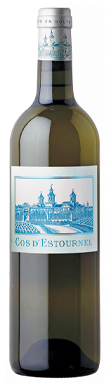

Lemon balm, creaminess, some waxy fruit, acacia and white peach. Lovely scents and more than just citrus. Round, layered and interesting, this has a tiny...
2024
Château Cos d'EstournelBordeaux Blanc

Château Margaux, Pavillon Blanc, Bordeaux Blanc, Bordeaux, France, 2024
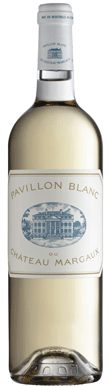
Crisp green apple, and lively gooseberry with elderflower florality. Peach, passionfruit and citrus. Clean and focused, this has drive from the start - succulent and...
2024
Château MargauxBordeaux Blanc
Château Valandraud, Blanc, Bordeaux Blanc, Bordeaux, France, 2024
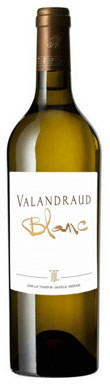
Really high aromatics, shining out of the glass. Lively and expressive. Straw, honey, lemon, peach and pear. Excellent vibrancy, gorgeous succulence and mouthfilling texture. This...
2024
Château ValandraudBordeaux Blanc
Les Champs Libres, Blanc, Bordeaux Blanc, Bordeaux, France, 2024
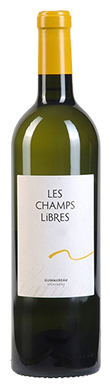
Grassy, elderflower, green apple, straw, hay, lemon balm. Lively and bright, a lovely dollop of lemon and vanilla and white flower yoghurt, cool and creamy...
2024
Les Champs LibresBordeaux Blanc
Château Smith Haut Lafitte, Blanc, Pessac-Léognan, Bordeaux, France, 2024
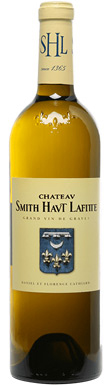
Nice aromatics, white fruit, some herbal scents, wool, caramel, vanilla, white chocolate and some peach. Dynamic and alive on the palate, this has a great...
2024
Château Smith Haut LafittePessac-Léognan
Château L'Eglise-Clinet, Pomerol, Bordeaux, France, 2024
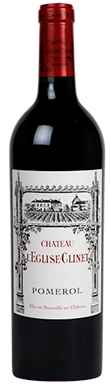
Dark fruit, ripe blackcurrants and plums, black cherries, sweetly floral, raspberry and cherry. Controlled and calm, this has a crushed velvet texture, almost thick in...
2024
Château L'Eglise-ClinetPomerol
Château Margaux, Margaux, 1er Cru Classé, Bordeaux, France, 2024
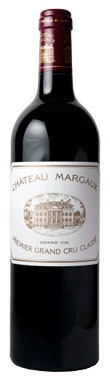
A tremendous effort from Margaux in 2024. Fragrant Cabernet notes on the nose, blackcurrant leaf, blackcurrants, cherries, some tobacco touches, dark fruits with aromatic nuances...
2024
Château MargauxMargaux
Château Pontet-Canet, Pauillac, 5ème Cru Classé, Bordeaux, France, 2024
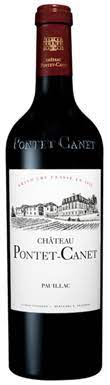
Such an outstanding wine from Pontet this year. Ripe blackcurrant and dark chocolate, very expressive, open and scented on the nose. Concentrated, smooth and...
2024
Château Pontet-CanetPauillac
Château Angélus, St-Émilion, Grand Cru, Bordeaux, France, 2024
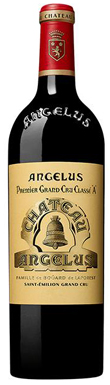
Beautiful fragrance on the nose, super perfumed and floral with sweet red fruits too, lifted and very welcoming. Creamy red cherries and bright strawberries. Round...
2024
Château AngélusSt-Émilion
Château Beau-Séjour Bécot, St-Émilion, 1er Grand Cru Classé, Bordeaux, France, 2024
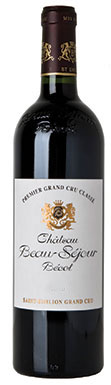
Gorgeous fragrance, really quite deep and vivid, almost an opulence to the perfumed nose. Generous and filling, smooth, silky, round and so vibrant. Juicy and...
2024
Château Beau-Séjour BécotSt-Émilion
Château Canon, St-Émilion, 1er Grand Cru Classé B, Bordeaux, France, 2024
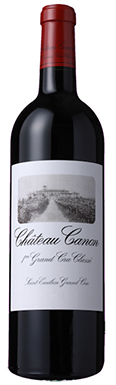
Beautiful fragrance on the nose, really alive and forward, roses, purple flowers and red berry fruit. Lifted and intense with a real push of cherry...
2024
Château CanonSt-Émilion
Château Cos d'Estournel, St-Estèphe, 2ème Cru Classé, Bordeaux, France, 2024
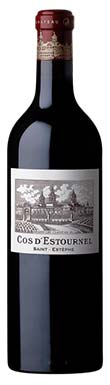
Wonderful fragrance coming out of the glass, perfumed notes with cedar, cherry and chocolate. Juicy, sweetly chewy and grippy, this has so much personality straight...
2024
Château Cos d'EstournelSt-Estèphe
Château Figeac, St-Émilion, 1er Grand Cru Classé, Bordeaux, France, 2024
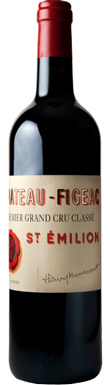
Gorgeous fragrance on the nose, dark chocolate, milk chocolate and black cherries, floral roses and iris - you can really smell the Cabernet Franc. Lovely...
2024
Château FigeacSt-Émilion
Château Lafite Rothschild, Pauillac, 1er Cru Classé, Bordeaux, France, 2024
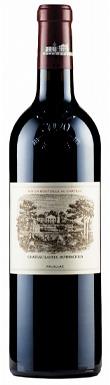
Fragranced red berries and purple flowers. Vivid purple colour in the glass. Supple and generous, this has a punch of plum and cranberry fruit straight...
2024
Château Lafite RothschildPauillac
Château Lafleur, Pomerol, Bordeaux, France, 2024
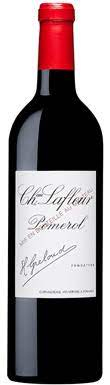
Fragranced cherry and raspberry fruit, great clarity on the nose, floral and red fruit. Structured and firm, this has a sweet, and cherry plump...
2024
Château LafleurPomerol
Château Les Carmes Haut-Brion, Pessac-Léognan, Bordeaux, France, 2024
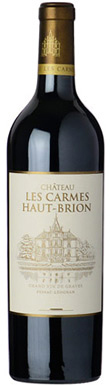
This wine presents a perfumed, floral nose with red and pink flowers, transitioning to dark fruit with a pink-purple rim. Cool blue fruit and inky...
2024
Château Les Carmes Haut-BrionPessac-Léognan
Château Montrose, St-Estèphe, 2ème Cru Classé, Bordeaux, France, 2024
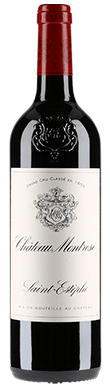
Vivid deep colour in the glass. High acidity as well as sweet and sour fruit make the first impression - lifted and charming this has...
2024
Château MontroseSt-Estèphe
Château Mouton Rothschild, Pauillac, 1er Cru Classé, Bordeaux, France, 2024
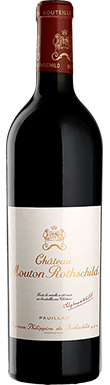
Sweet blackcurrants, orange rind, violets, plums, cherry cream and some liquorice. Round and filling, this is dense and intense with prominent tannins, a juicy core...
2024
Château Mouton RothschildPauillac
Château Pichon Baron, Pauillac, 2ème Cru Classé, Bordeaux, France, 2024
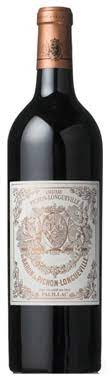
One of my favourites. Cranberry, bramble fruit, vanilla cream and cool blueberries. Supple and totally charming from the first sip - rich and concentrated fruit...
2024
Château Pichon BaronPauillac
Château Pichon Longueville Comtesse de Lalande, Pauillac, 2ème Cru Classé, Bordeaux, France, 2024
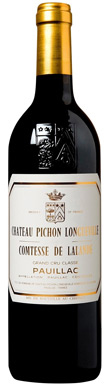
This wine offers pure, sophisticated aromatics of blueberries, blackcurrants, peony, and iris, with crayon and inky notes. Smooth and silky, it delivers great energy and...
2024
Château Pichon Longueville Comtesse de LalandePauillac
Château Troplong Mondot, St-Émilion, 1er Grand Cru Classé, Bordeaux, France, 2024
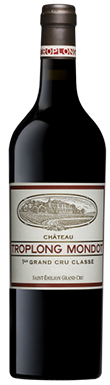
Super fragrant on the nose, ripe blackcurrant, some dried herbs, so much florality and perfumed fruit. Amazing aromatics, so complex. Rosehip, wild strawberries, red cherries,...
2024
Château Troplong MondotSt-Émilion