

Even in a region filled with sites of cultural, historical and vinous interest, a visit to Bodegas Ollauri stands out as a special experience.
The home of leading Rioja producer Conde de los Andes, Ollauri, formerly the Paternina cellars, has been entirely rejuvenated since it was acquired by Muriel Wines in 2014.
Set in a network of underground tunnels extending up to a mile in length, the Calados, as the tunnels are collectively known, feature some of Spain’s finest Moorish architecture, carved into the Churrumendi mountains over several centuries since the late Middle Ages.
This is without question Rioja’s most impressive underground cellar system in terms of age, architecture and sheer scale. But this very special place is made all the more unique and atmospheric by the presence of some 400,000 bottles of slowly maturing wine, many of them historic and from such legendary vintages as 1892, 1918, 1948 and 1964.
For visitors lucky enough to enjoy an exclusive tour of the Conde de los Andes cellars, those bottles serve as a reminder of two of the key ingredients in all great Rioja: time and patience.

One of the other key ingredients, of course, is a great vineyard, and Conde de los Andes is fortunate to be blessed in this area, too. The estate has some 20 hectares of old Tempranillo and Viura vines located in 54 different plots, each with its own distinctive terroir – unique combinations of soil type, exposure, micro-climate and altitude.
The fruit from these exquisite plots is vinified in a brand-new vinification centre, where a respect for tradition goes hand in hand with an open-minded approach to new ideas. The team likes to experiment with different sizes and styles of oak barrel as well as using concrete eggs.
Conde de los Andes has also steered away from traditional ageing categories. The idea is to focus on producing wines that reflect the Rioja Alta terroir and are only released once they’re ready to drink – but which will age, like the historic vintage treasures in the Conde de los Andes caves, for many more years to come.

Conde de los Andes – the wines:
Conde de los Andes Tinto 2016
From vineyard plots on clay-limestone at high altitude in the Viñas de Briñas area between Briñas (Rioja Alta) and Labastida (Rioja Alavesa) and vines with an average age of 50 years, this 100% Tempranillo is aged for 14 months in French oak and 12 months in bottle before release. The current release of Conde de los Andes Tinto is structured yet fresh on the palate, with nice flavours of red fruits, ripe plums and Mediterranean brushwood, and an explosive aromatic freshness, while the finish is juicy, fresh, long and fine.
Conde de los Andes Blanco 2017
From plots in the same “Viñas de Briñas” area as the Tinto, the Conde de los Andes Blanco is a 100% Viura from vines with an average age of more than 30 years. The wine is fermented for three months with its lees in new French oak barrels of very fine grain, with weekly bâtonnage, and then aged for a further six months in the same barrels, and a further year in bottle. Very complex and harmonious, with notes of citrus fruits and white flowers, fine vanilla and toasty oak. Crisp, structured and beautifully balanced with fresh acidity, with a silky, persistent and very juicy finish.
Conde de los Andes Semi-Dulce 2003
With Viura fruit sourced from 30-year-old vines from vineyards across the Rioja Alta, Conde de los Andes semi-dulce is a benchmark for the region’s sweet wines. It uses grapes that were late-harvested with a high degree of ripeness, with the fermentation arrested to retain the natural sugars. Aged in oak barrels for 12 months, and then in bottle for more than a decade, this is complex but balanced, with notes of citrus, fennel, toasted bread, almonds and sweet patisserie.
Discover more about Conde de los Andes here
Connect on: Facebook | Twitter | Instagram

-
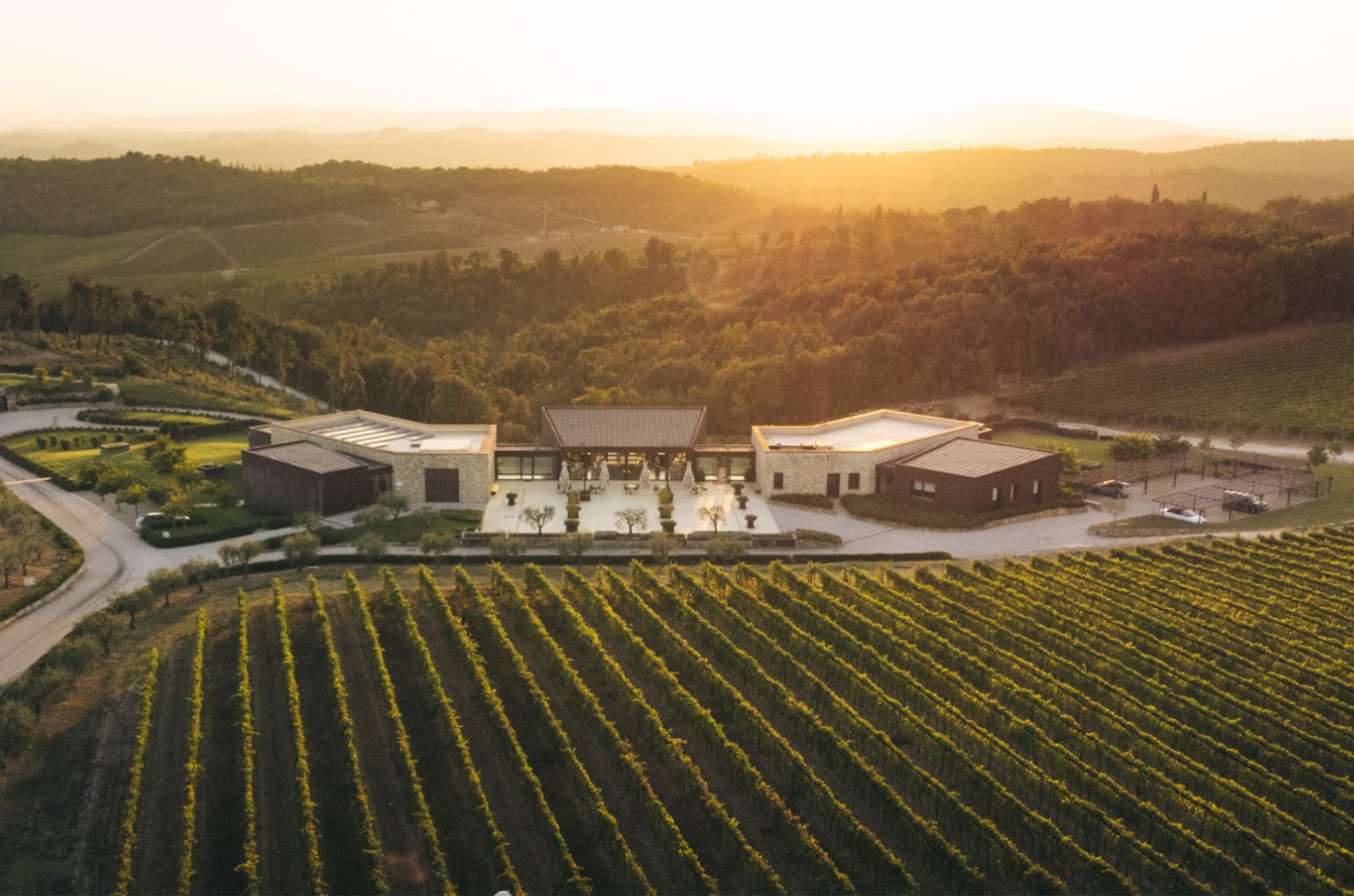 Vallepicciola: Tourism and winemaking in the Chianti hills
Sponsored Winemaking and luxury hospitality...
-
 Wine educators win 2026 Barca-Velha Golden Vines MW Scholarships
The Gérard Basset Foundation, Douro producer Casa Ferreirinha and Liquid Icons have named Christy Fuhrman and Loreto Pancorbo as the recipients of the 2026 Barca-Velha Golden Vines MW Scholarships.


-
Vallepicciola: Tourism and winemaking in the Chianti hills
Sponsored Winemaking and luxury hospitality...
-
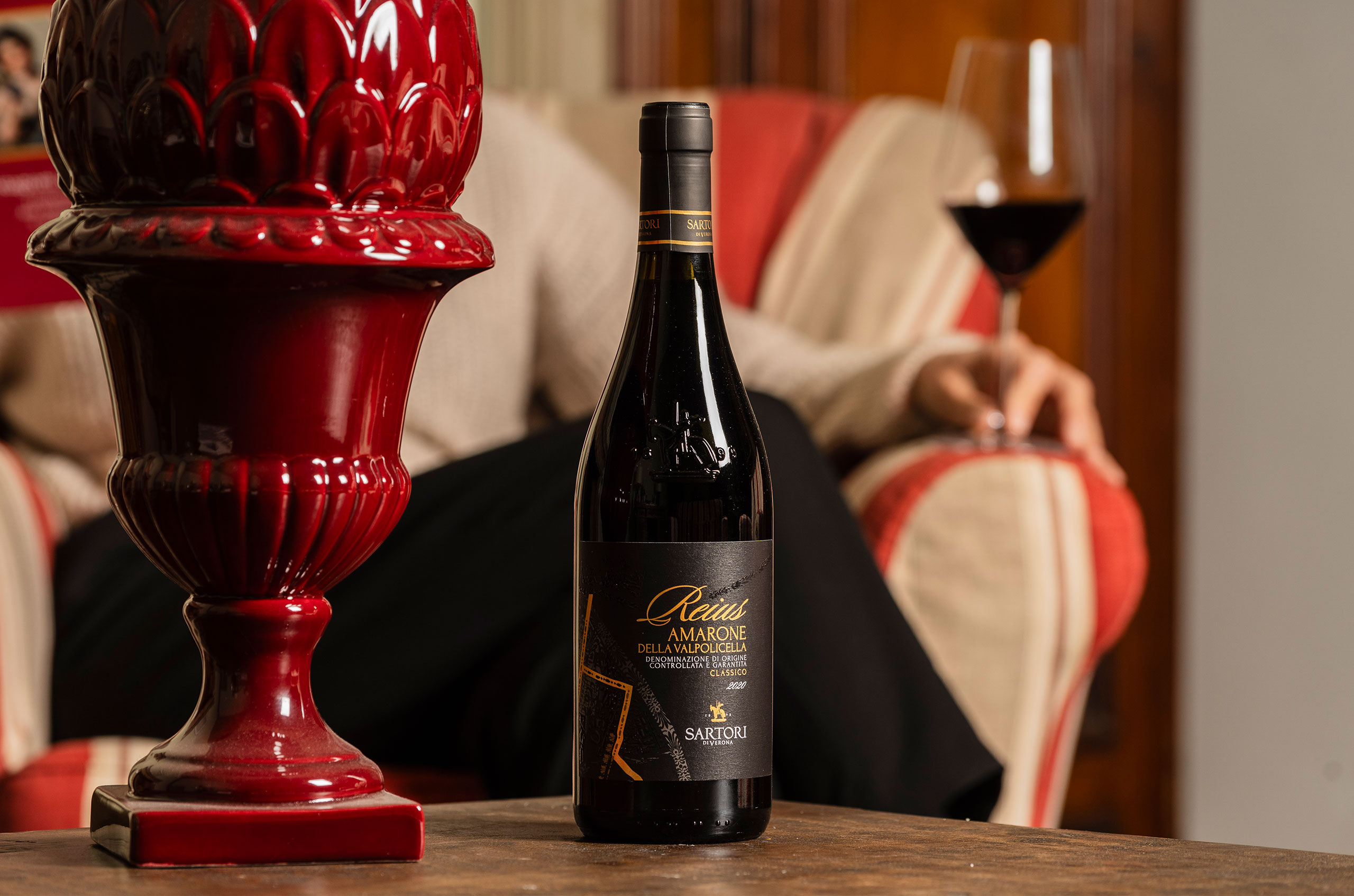 A standout voice in Valpolicella
Sponsored A key name for Valpolicella and Amarone...
-
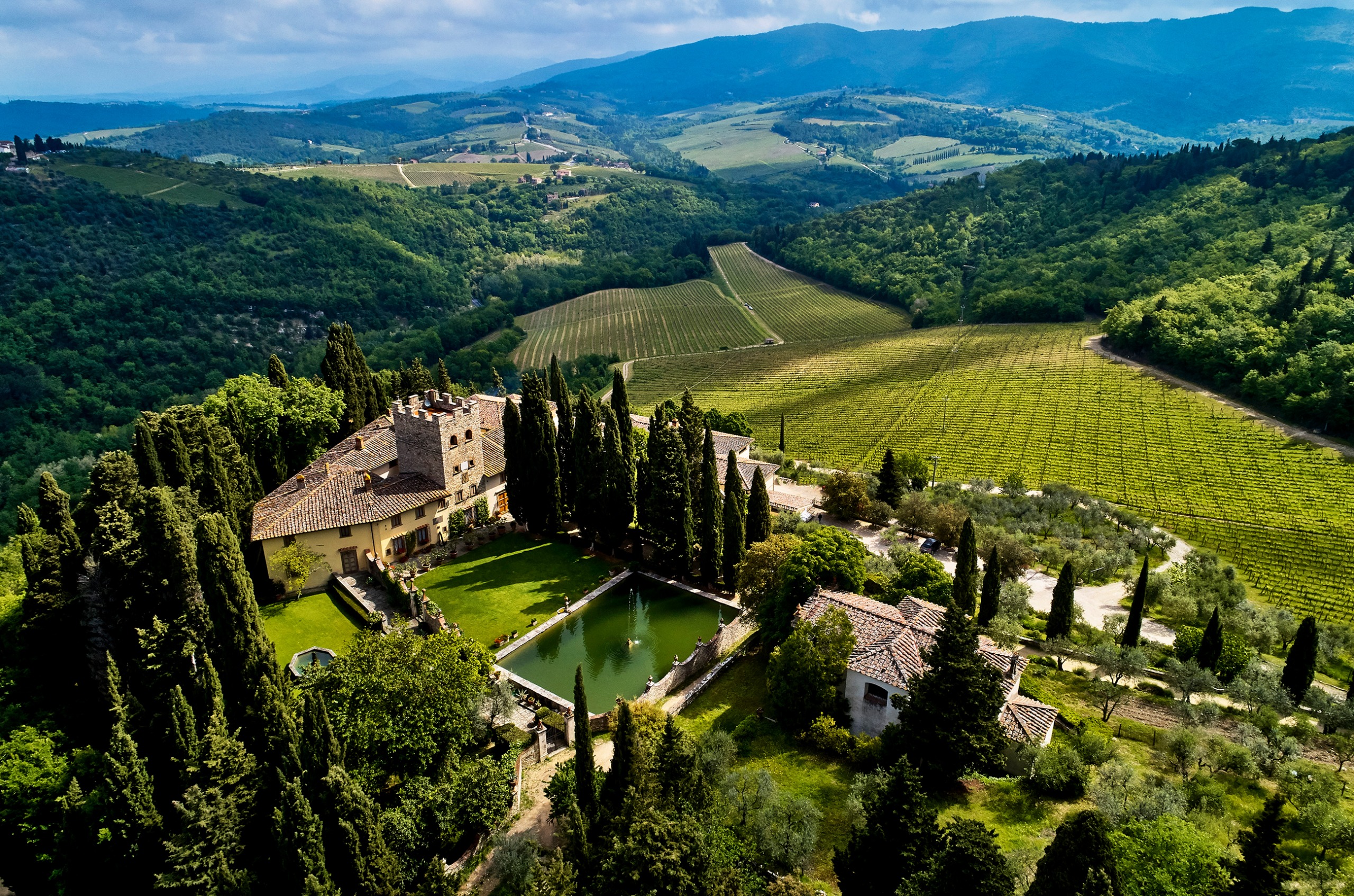 Discover the world of Castello di Verrazzano
Sponsored An ancient castle set amid sprawling vineyards...
-
 Barbera d'Asti DOCG: Tradition and modernity in Piedmont
Sponsored Many expressions of one variety...
-
 Sergio Mottura: Excellence in Tuscia
Sponsored A renowned figure in Lazio...
-
 Florio: Winning new fans while respecting Marsala’s history
Sponsored An important milestone in Marsala...
-
 Sensi Vini: The gateway to your Italian wine exploration
Sponsored Chianti and beyond...
-
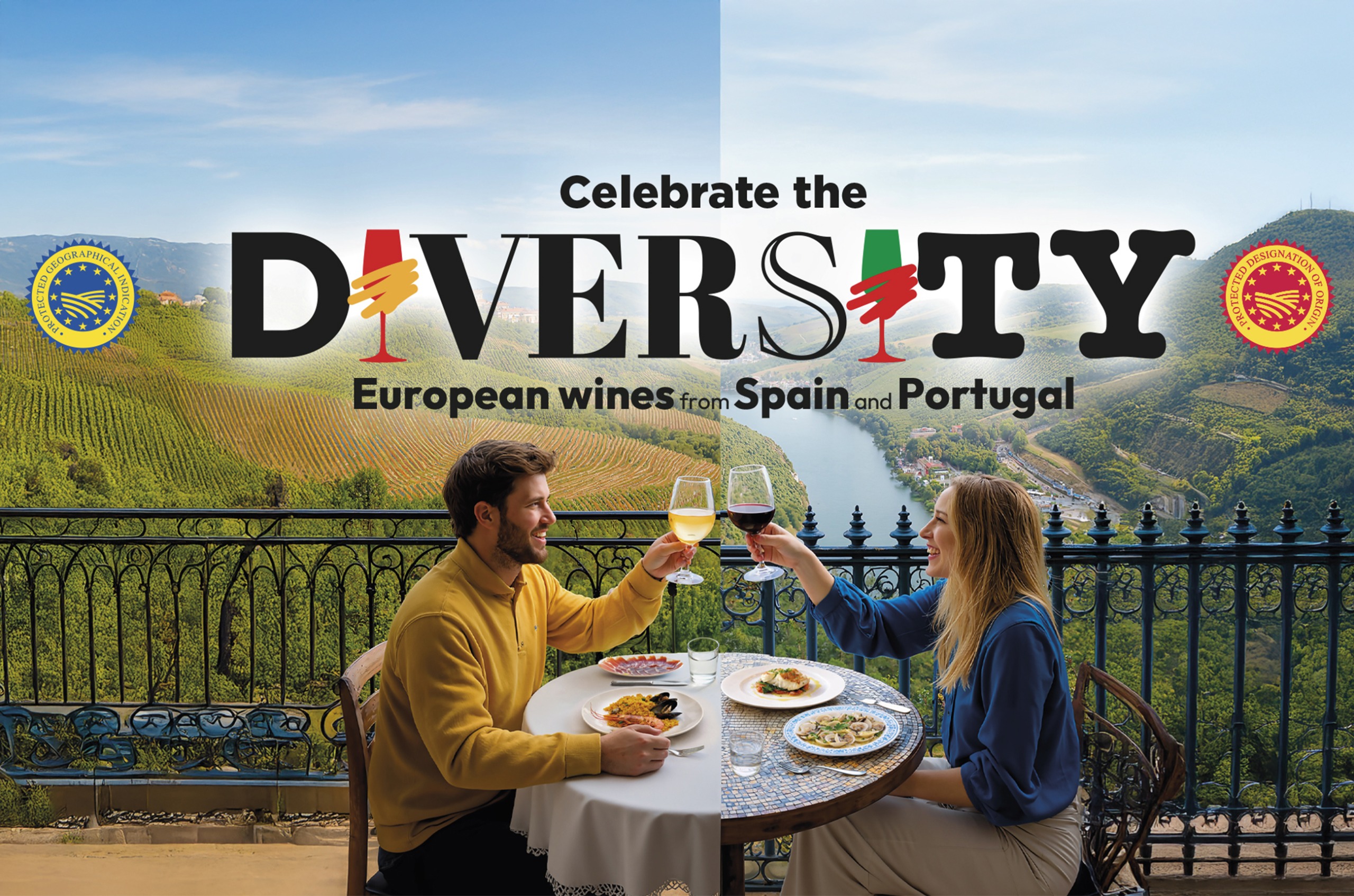 Celebrating European diversity
Sponsored Introducing the ‘Celebrate the Diversity’ project...


