

Winemaking, as the world at large, finds itself at a crossroads, reevaluating a past of tumultuous yet exciting progress while facing an uncertain future. Among the most serious challenges ahead are those dealing with climate change and extreme weather events, with the consequences of a nature in disarray already being strongly felt by producers worldwide.
Throughout its 160 years of history, Marqués de Riscal has been a pioneering force in Spanish winemaking. Having consolidated a unique portfolio of vineyards across Rioja, Castilla y León and Rueda, the company produces some of the most recognisable and distinctive wines from each of these regions, seen on wine shelves the world over. A strong heritage, linked to the land and the people who work it, built upon a constant desire to innovate and elevate the quality of wines produced – and a fierce determination to overcome challenges and obstacles.
Old wisdom, new energy
At Marqués de Riscal innovation has long been at the service of tradition, allowing for ever purer and more sophisticated expressions of the Spanish terroirs and grapes. This vocation for research and development now proves invaluable in the face of great threats to viticulture and to the balance of the ecosystems which vineyards are a living part of. Being in the privileged position of having a precious stock of vines, many of which incredibly old, extremely resilient and adapted to their terroirs, the Marqués de Riscal team observed that younger vines, planted in the 1970s, were not performing as well as their older counterparts. Harnessing the intrinsic wisdom of those older plants and their hard-earned capacity to respond to changing conditions and extreme weather events seemed like a logical research route to build climate, biological and systemic resilience in the vineyards. The idea of regrafting dwindling, vulnerable vines with old, thriving plan material was thus born.

At a recent presentation in Madrid, Francisco Hurtado de Amézaga, Technical and Production Director of Bodegas de los Herederos del Marqués de Riscal, explained how the company began their re-grafting operations in 1995, with trials in some of its Rueda vineyards. The success of that early experiment led the team to expand it to vineyards in D.O.Ca. Rioja in 1998, again with outstanding results. The reiterated success supported the decision to fully commit to a regrafting programme in 2017. Since then, 180 hectares of vines have been re-grafted, and are now performing extremely well.
What’s at stake is the preservation of a cultural, not just merely viticultural patrimony. ‘Old vines are intelligence at the disposal of the human being,’ said Master of Wine Pedro Ballesteros, also present at the project’s presentation. ‘It should be prohibited to grub up old vines, since the vocation of the vine is eternal, it is landscape,’ he concluded.

Holistic approach
The regrafting project is part of a wider strategy to drive climate resilience by building the intrinsic adaptability and health of the vineyards. Marqués de Riscal forged the commitment to organic agriculture a decade ago. ‘Our aim is to set in motion a type of agriculture which allows our vines to live as long as possible,’ explains Luis Hurtado de Amézaga, Technical and Production Director of Marqués de Riscal’s winery in Rueda. The company already has 350 hectares fully certified in Rueda, 370ha in Rioja, with a little over 100 undergoing conversion.
Organic practices are being applied in tandem with regenerative agricultural principles, in order to recover soil health by promoting its aeration, mineralization, and the diversity of its microfauna and microflora. By increasing biodiversity in the soil its structure also improves greatly, with bigger amounts of organic matter and carbon preventing soil erosion. A healthy soil also makes more nutrients available to the vine, and allows the development of a deeper, more efficient root system, in turn making the plants stronger and more resilient. Furthermore, a regenerative approach, which introduces floral diversity (selected cover crops, trees, shrubs) attracts a desirable fauna to the vineyard that controls pests in a natural way.

The promotion of the energy of the vineyard as a whole living system is complemented by a precise, thoughtful approach to how each plant evolves and is cared for – the ultimate goal being the continuity of the plant material (as already seen in the re-grafting programme). Preserving the incredible stock of old vines (500 hectares) owned by Marqués de Riscal in Rioja Alavesa has been a key priority, both for their viticultural and symbolic importance. The company is now working with specialists in the Simonit & Sirch pruning method, to reintroduce traditional pruning techniques that respect the flow of the sap and minimise pruning wounds, a gateway for diseases and a waste of the vine’s energy. Older and stronger plants have more robust roots colonising larger volumes of the soil – this means the plant can absorb more of the available water and nutrients, therefore performing better under stress, as has been the case in recent harvests with record temperatures and limited water availability.
From soil to grape, these are the components of vineyards that are more ready and more able to withstand the challenges ahead – and which will ultimately produce wines of better quality and more expressive of their land. A great inspiration and source of wisdom, as mentioned by Pedro Ballesteros MW, to humanity.
Discover more about Marqués de Riscal
Connect onFacebook | Instagram | YouTube | Twitter


-
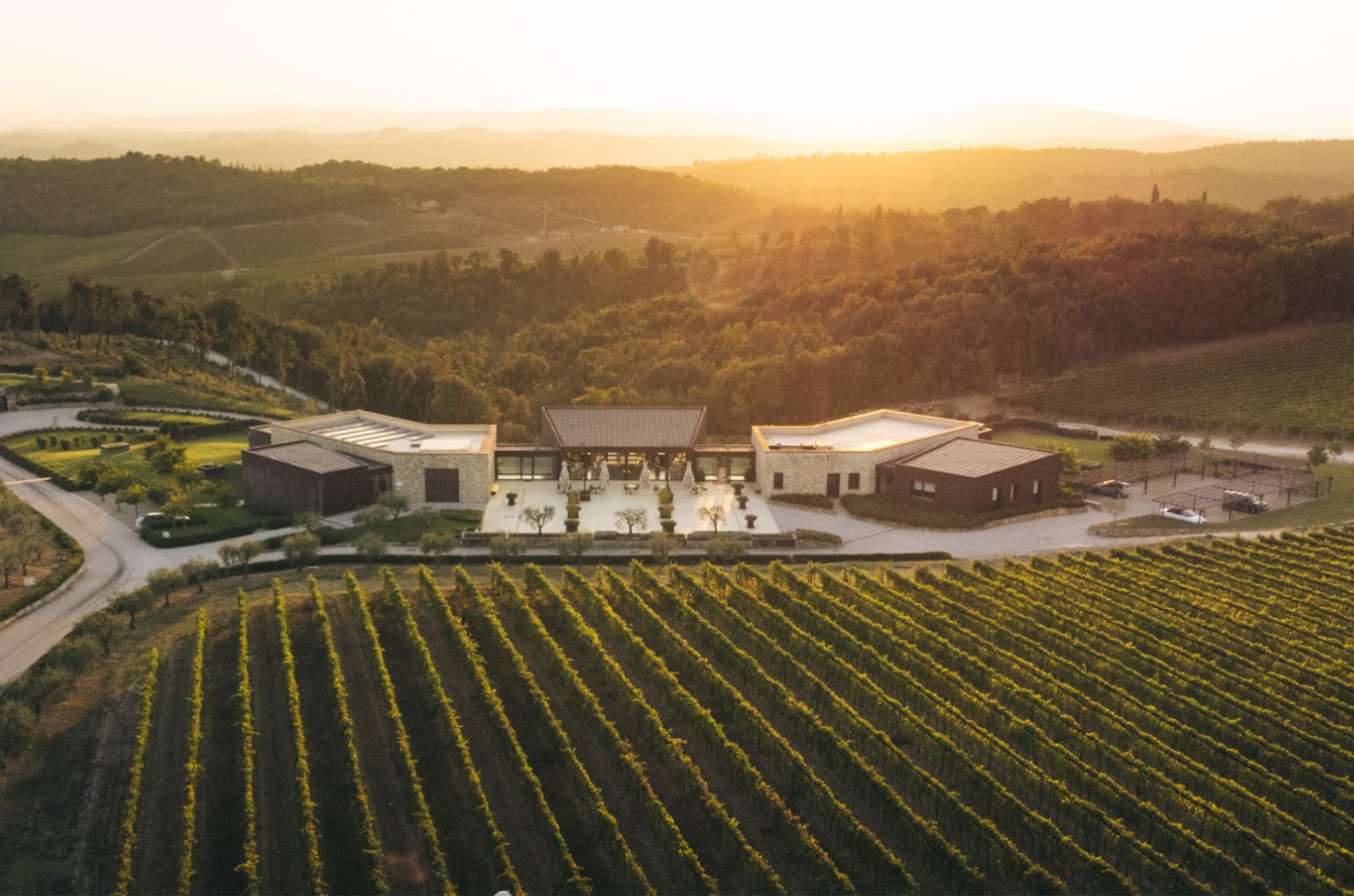 Vallepicciola: Tourism and winemaking in the Chianti hills
Sponsored Winemaking and luxury hospitality...
-
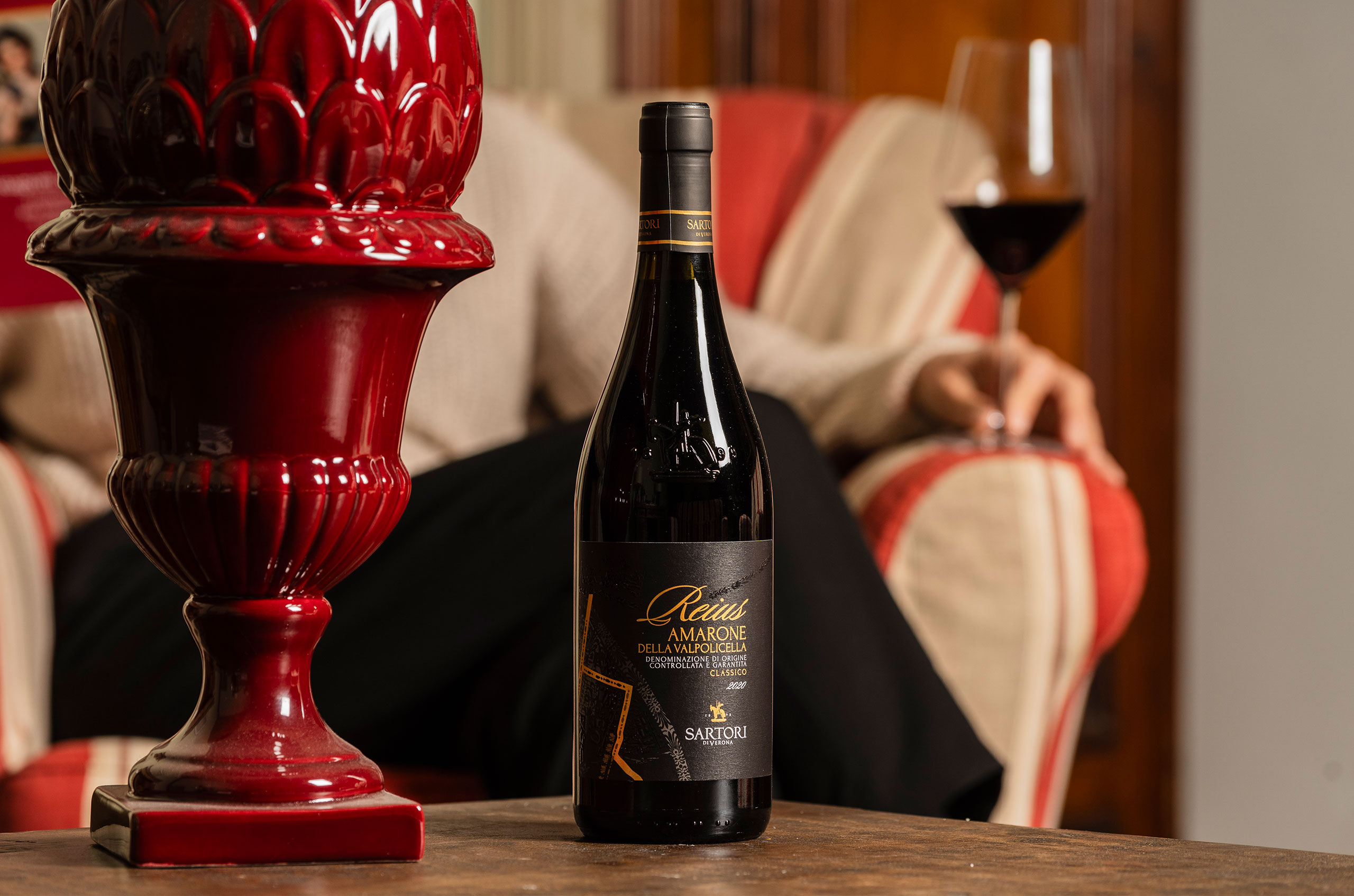 A standout voice in Valpolicella
Sponsored A key name for Valpolicella and Amarone...
-
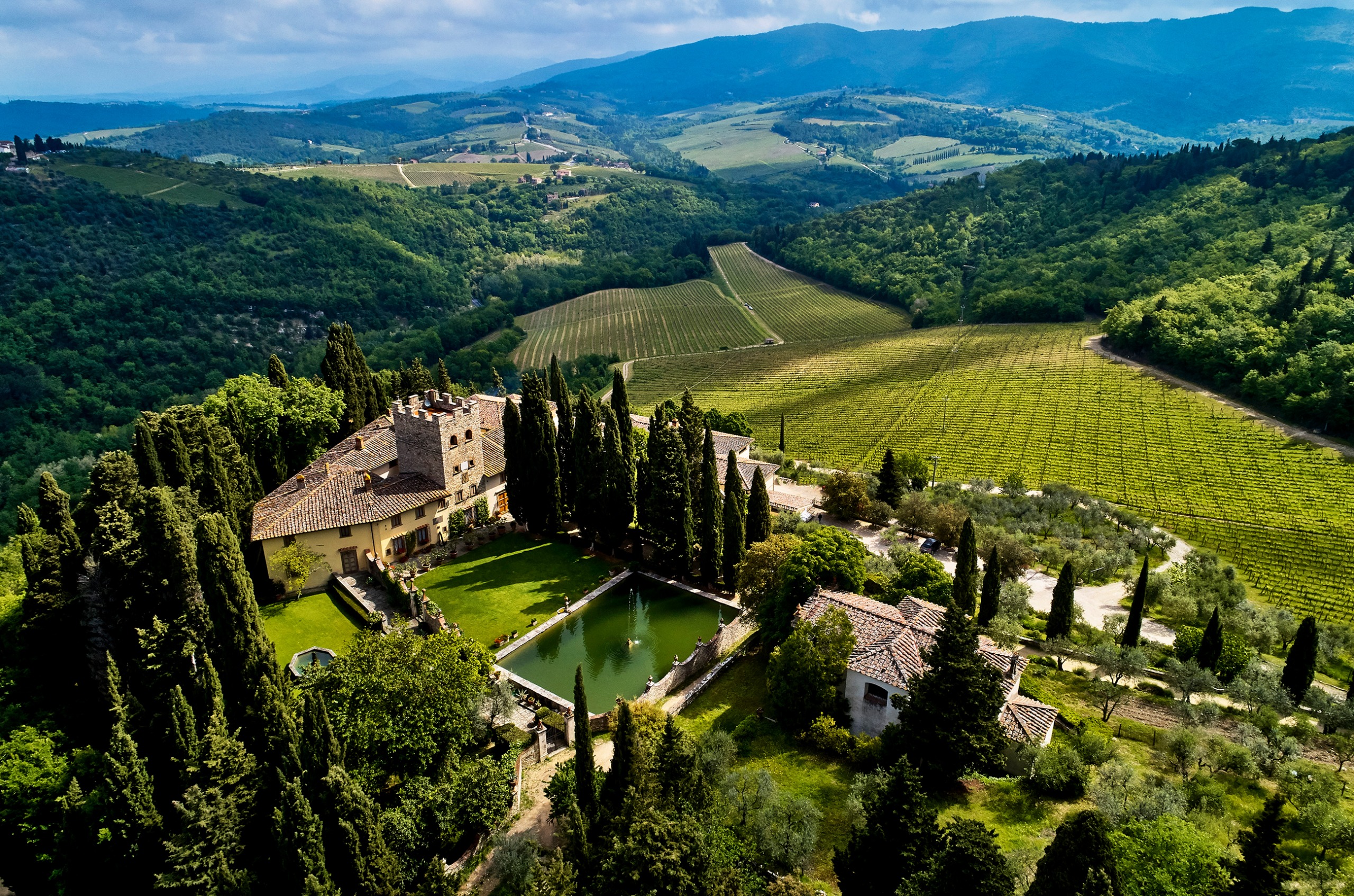 Discover the world of Castello di Verrazzano
Sponsored An ancient castle set amid sprawling vineyards...
-
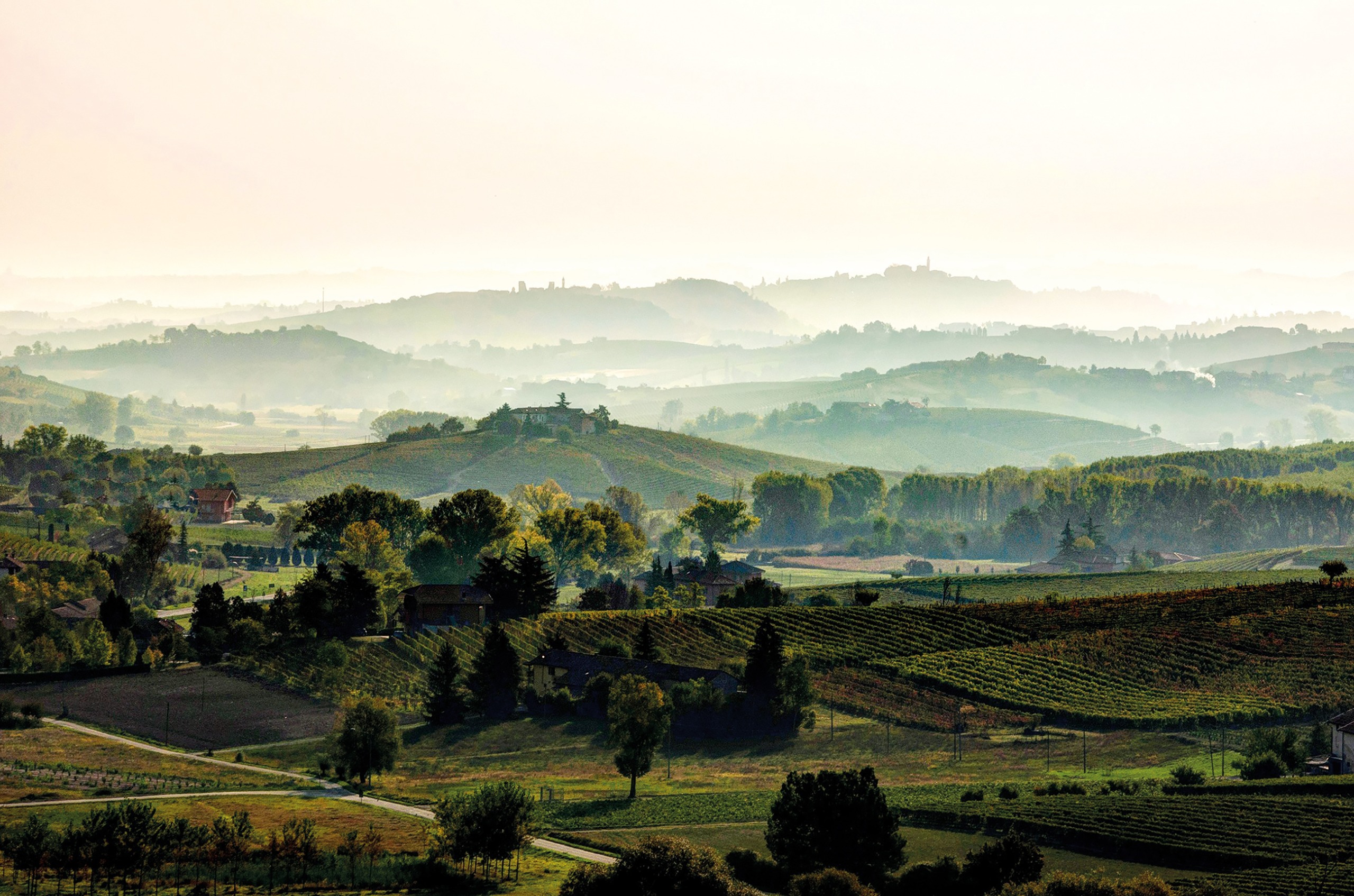 Barbera d'Asti DOCG: Tradition and modernity in Piedmont
Sponsored Many expressions of one variety...
-
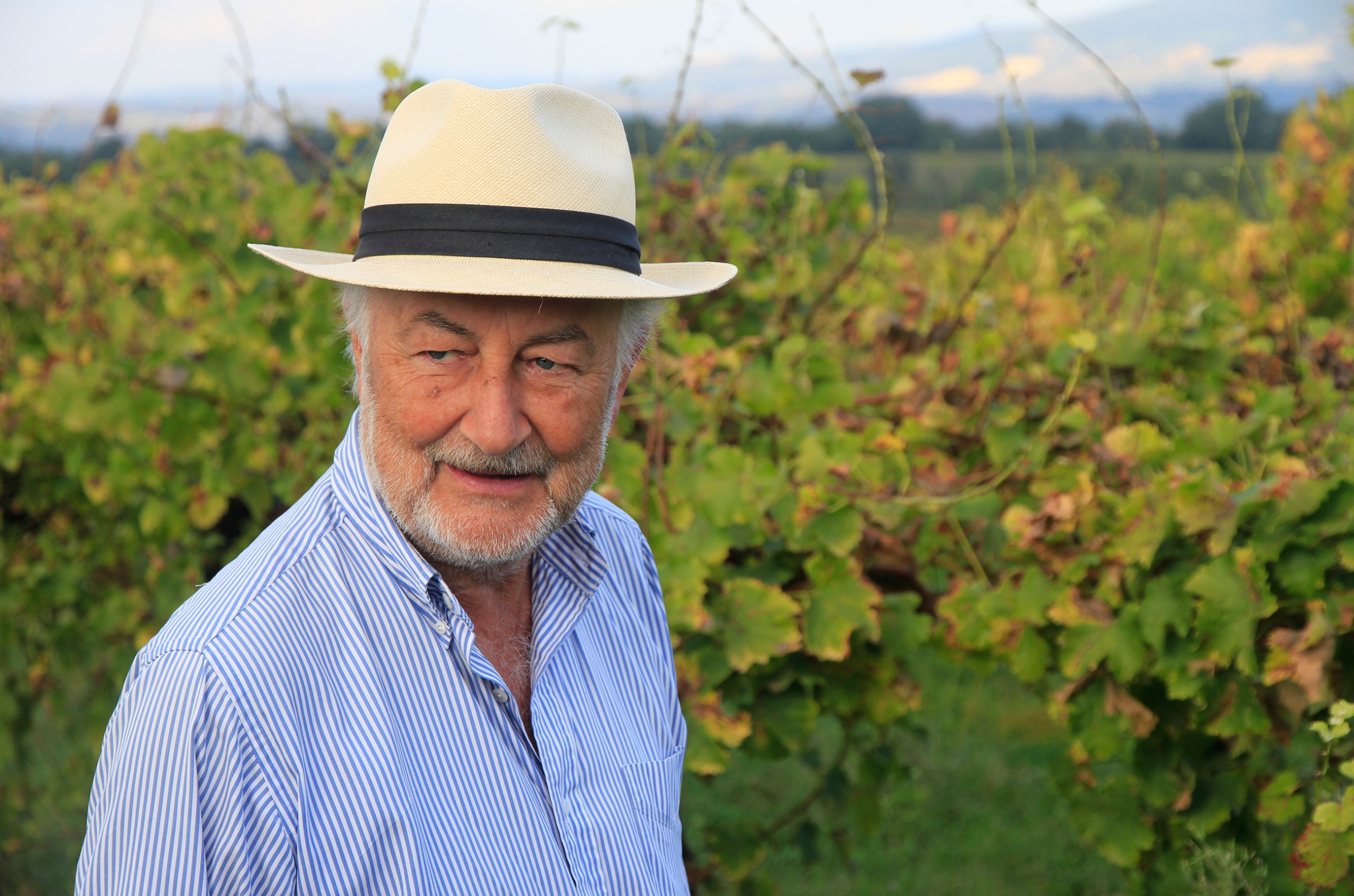 Sergio Mottura: Excellence in Tuscia
Sponsored A renowned figure in Lazio...
-
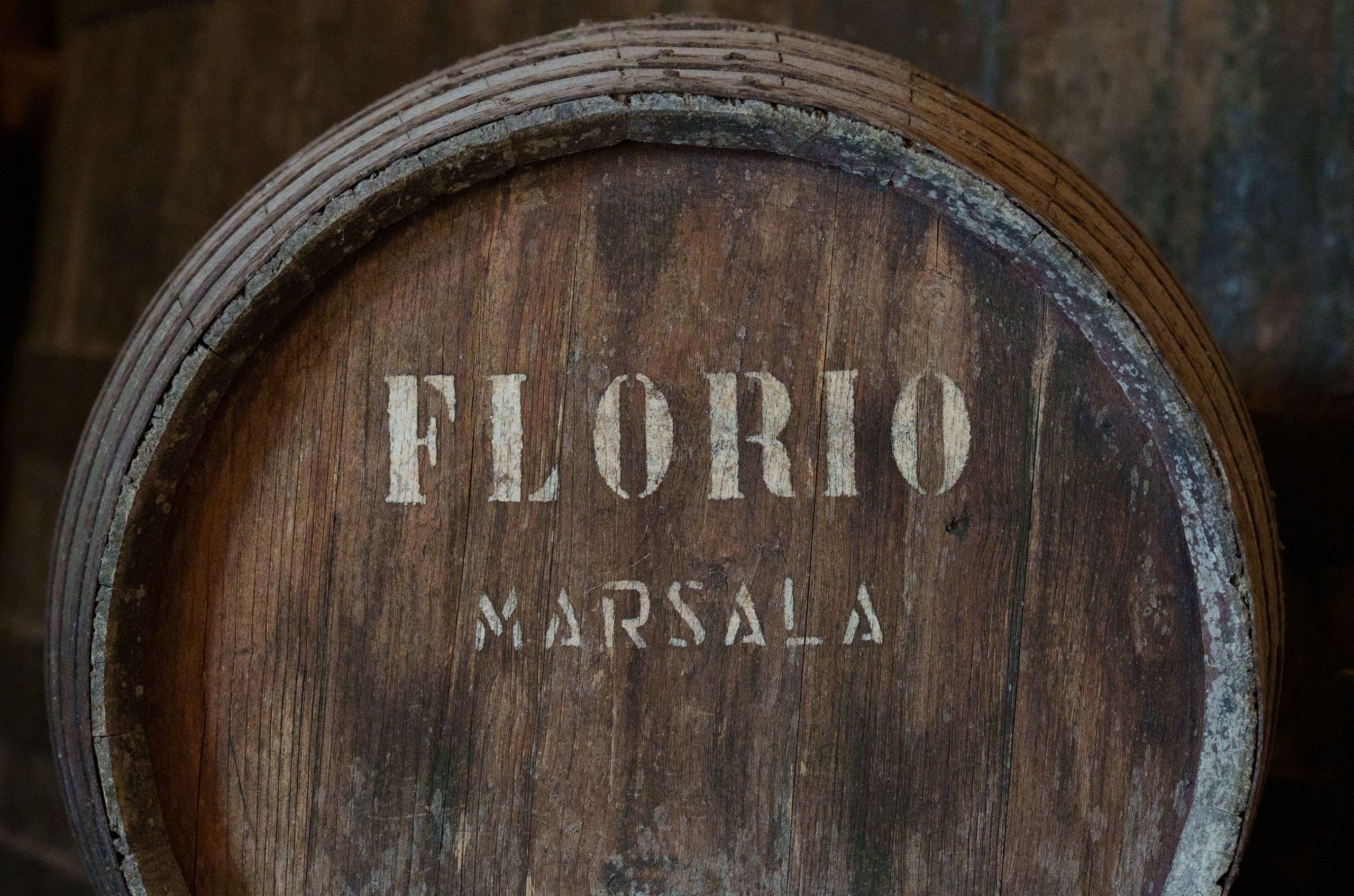 Florio: Winning new fans while respecting Marsala’s history
Sponsored An important milestone in Marsala...
-
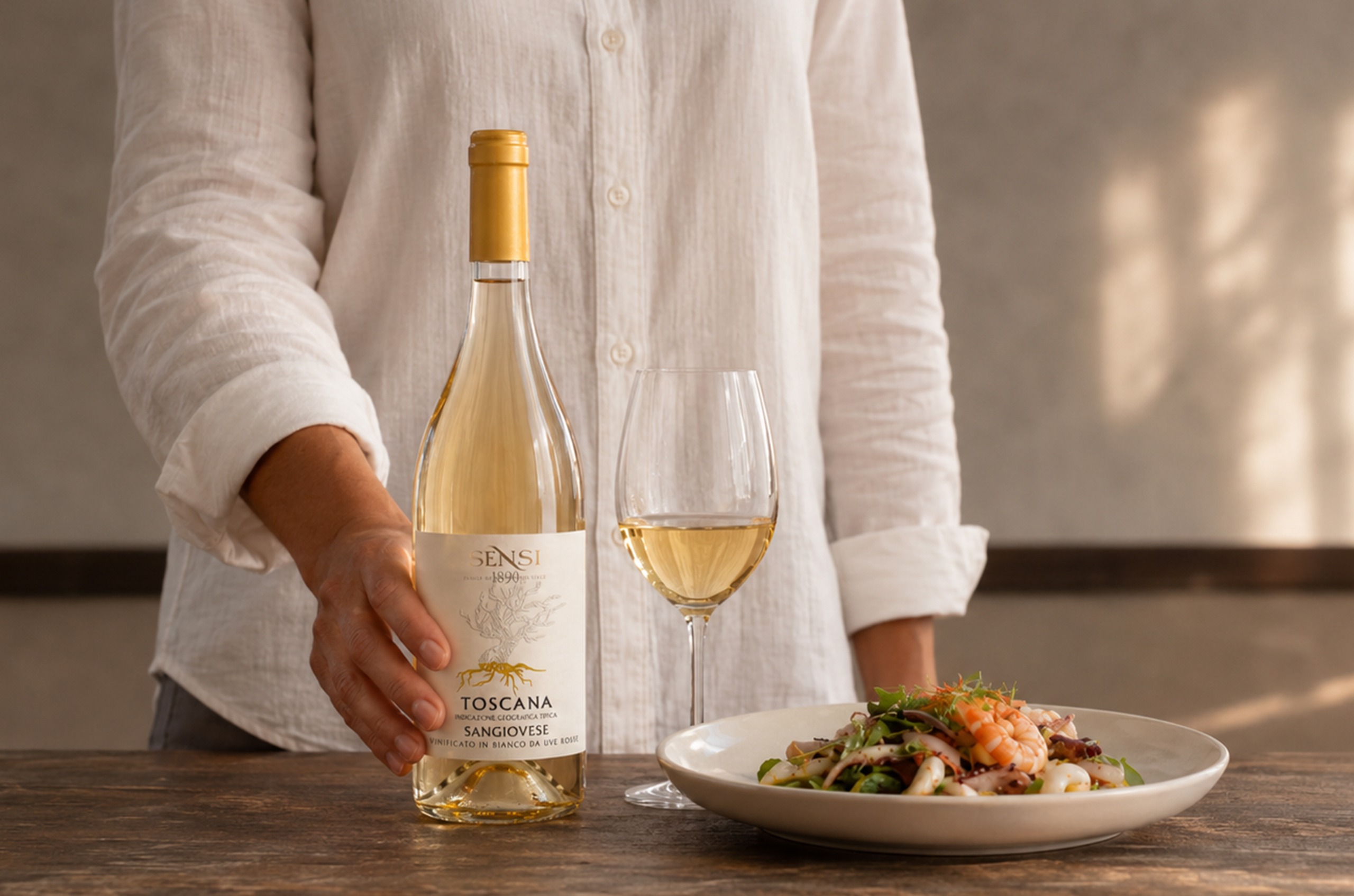 Sensi Vini: The gateway to your Italian wine exploration
Sponsored Chianti and beyond...
-
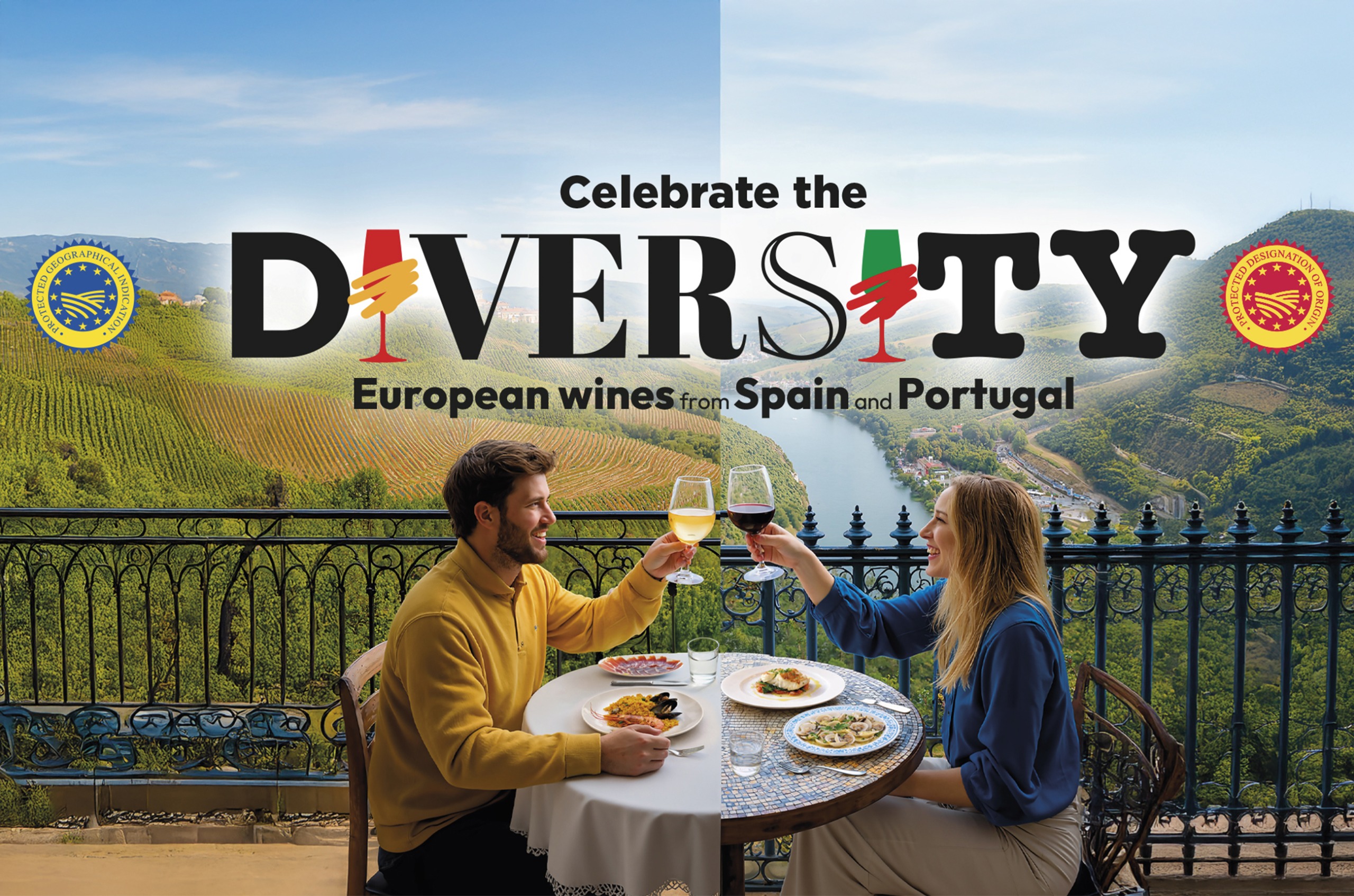 Celebrating European diversity
Sponsored Introducing the ‘Celebrate the Diversity’ project...


