

If you want Ken Forrester to turn left at a T-junction, you should probably suggest to him that common sense, past experience and most experts suggest he should turn right, and then wait for the inevitable.
Ken is, literally and metaphorically, very much someone who ploughs his own furrow, sometimes dangerously so. In 2019, a high-speed mountain bike crash, at an age when most people consider golf an extreme sport, left him with ten broken ribs and a pierced lung.
Take, too, the establishment of his wine estate. He bought it in 1993, after Mandela had been released, but before the first post-apartheid elections. It was, to put it mildly, a time of some uncertainty. ‘A lot of people were leaving,’ he says. ‘But I thought it was the greatest opportunity to buy the biggest farm we couldn’t afford. And 30 years later here we are.’
If you think such visionary bravery meant that success was inevitable, think again. Ken trotted over to the UK with a case full of samples, assuming somewhat naively that buyers would be falling over themselves to taste with a new producer from a country that had, thanks to apartheid, been off the map for decades.

Instead, retailer after retailer told him to leave some bottles and that they’d get back to him if they were interested. Nobody was, and Ken’s gamble looked like a ruinous disaster. Until suddenly Oddbins came back and took a third of his production overnight. ‘If they hadn’t done that, we’d never have made it,’ he says candidly.
Learn more about what unites the participating members in PIWOSA
Since then, it has been one long success story, driven in no small part by Ken’s championing of Chenin Blanc. The variety is widely planted across the Cape, and grows beautifully. But for most of the 20th century it had been used for producing brandy, and 30 years ago, most growers were pulling it out in favour of Sauvignon Blanc or Chardonnay. But not Ken.
He kept the vines on his Helderberg estate, and struck deals with farmers to take fruit from their best Chenin vines from various appellations including Swartland and as far as Piekenierskloof and Bonnievale. The result was (and still is) white wines of extraordinary complexity and balance at all prices, and in every style: sparkling, unoaked, classically wooded and, of course, sweet. Not for nothing is he known as ‘Mr Chenin’.
There are other great wines in the portfolio, too – not least the Misfits range made by his young protégé Shawn Mathyse (now finally appointed Winemaker after an eight-year apprenticeship) and a good, chillable, Beaujolais Nouveau-style Pinotage.
But there’s more Chenin in the Cape now than the Loire, and Ken Forrester can take much of the credit for that, having done so much to create the category that now includes so many of his own competitors – although he firmly believes a rising tide lifts all boats.

Ken Forrester Wines – Four wines to try:
The FMC, Stellenbosch, 2022
A stalwart of the top end of South Africa’s Chenin scene for 20 years, FMC – from mostly 50-year-old bush vines – is a fine beast indeed. Bright, fresh white peach and pineapple flavours, layered by sweetly comforting vanilla cream from the barrel-fermentation. It’s plushly succulent, but retains brightness, elegance and purity.
96 points
Drink 2023-2030 | Alcohol 13%

Dirty Little Secret Four, Piekenierskloof
From 60-year-old bush vines up in Piekenierskloof, Ken describes this as ‘the most fun I’ve had making wine’. Everything – skins, stalks, grapes – is cold-soaked for two weeks prior to fermentation in ancient barrels, before being blended with previous years’ versions, some of which is then retained to act as the base for the next year. Deep gold, it’s immensely rich, textural and tropical, with juicy stone fruits and lilac flowers leading into an intriguing salty pineapple finish. Extraordinary.
95 points
Drink 2023-2028 | Alcohol 13%
Old Vine Reserve Chenin Blanc, Stellenbosch, 2022
Ken Forrester likes to talk of ‘cool sunshine’ – lots of sun, tempered by wind – and it’s a good description of his benchmark Chenin. A justly-celebrated combination of ripe fruit – apples, quince, pear – and a bright, energising acidity brought together by well-controlled oak. Exemplary control and balance at a crazily low price.
94 points
Drink 2023-2026 | Alcohol 13.5%
The Misfits Cinsault Met Sonder Stingels, Piekenierskloof, 2020
Ken Forrester isn’t all about Chenin – he does a great Petit Pinotage for chilled summer drinking, for instance. But this mid-weight red, made by his protégé Shawn Mathyse, is a step up. Perfumed and charming on the nose – all oranges, red fruit and spice, there’s an element of Campari to it – its initial softness on the palate fades gently into a drier, more steely-eyed grip.
91 points
Drink 2023-2026 | Alcohol 12.5%
Discover more about Ken Forrester Wines
Connect on Instagram | Facebook | X
Read more about PIWOSA
Sustainability: A fundamental principle and a future to preserve
Social uplift: It takes a village



-
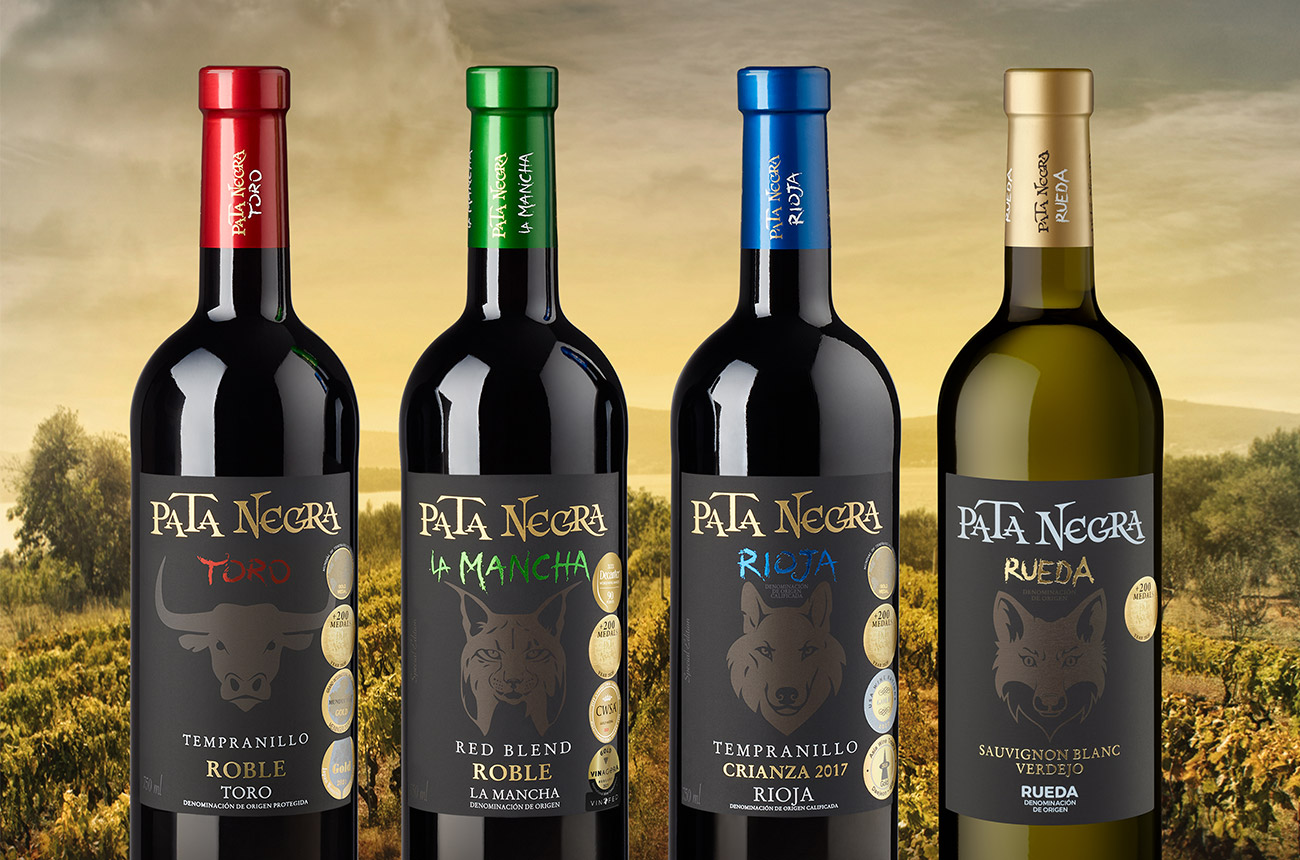 Setting the standard for Spanish wine: Pata Negra Fauna
Sponsored A journey through Spain's wine regions...
-
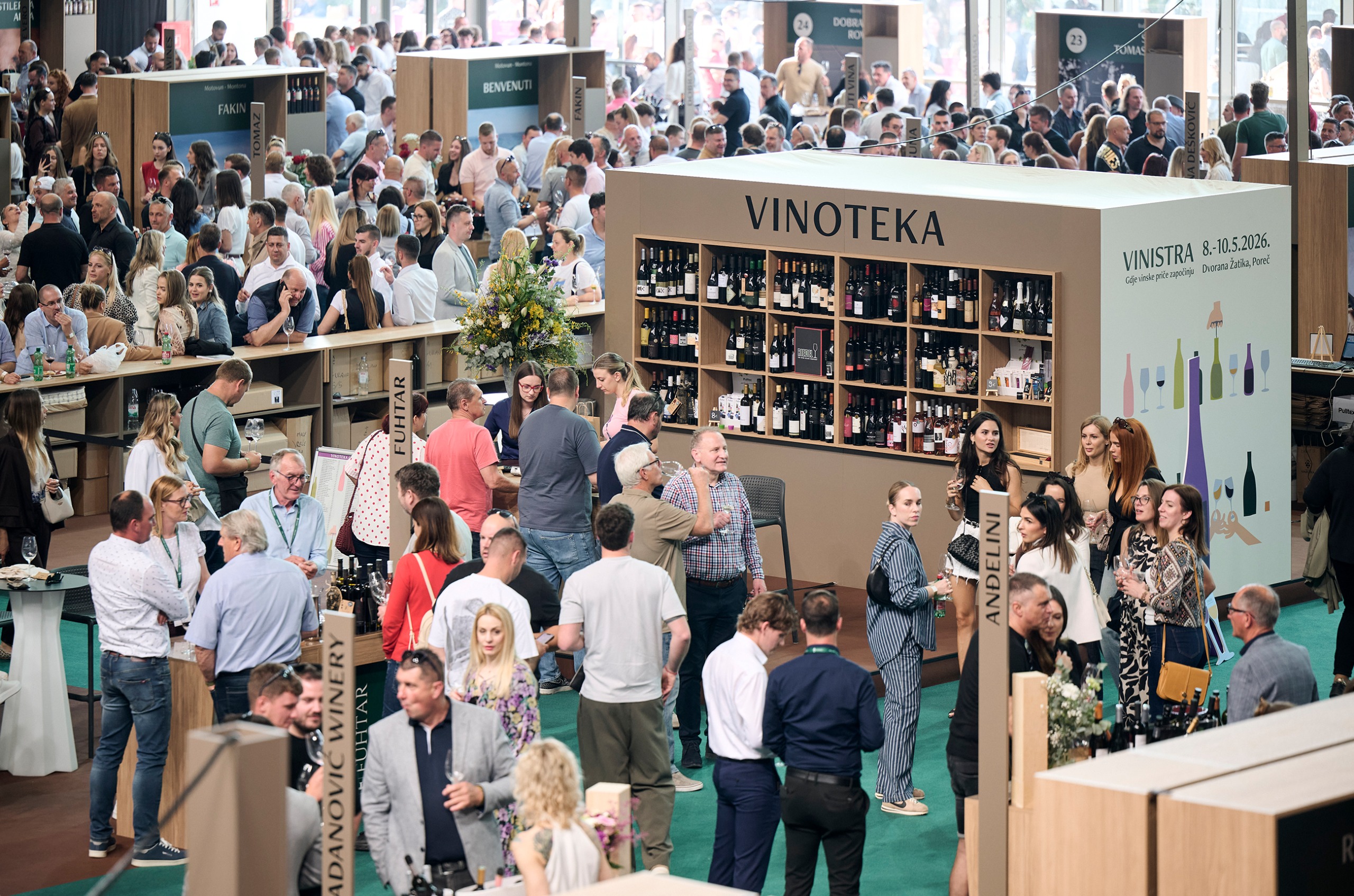 Istria: A bright future for Vinistra
Sponsored Showing Istria's diversity and quality...
-
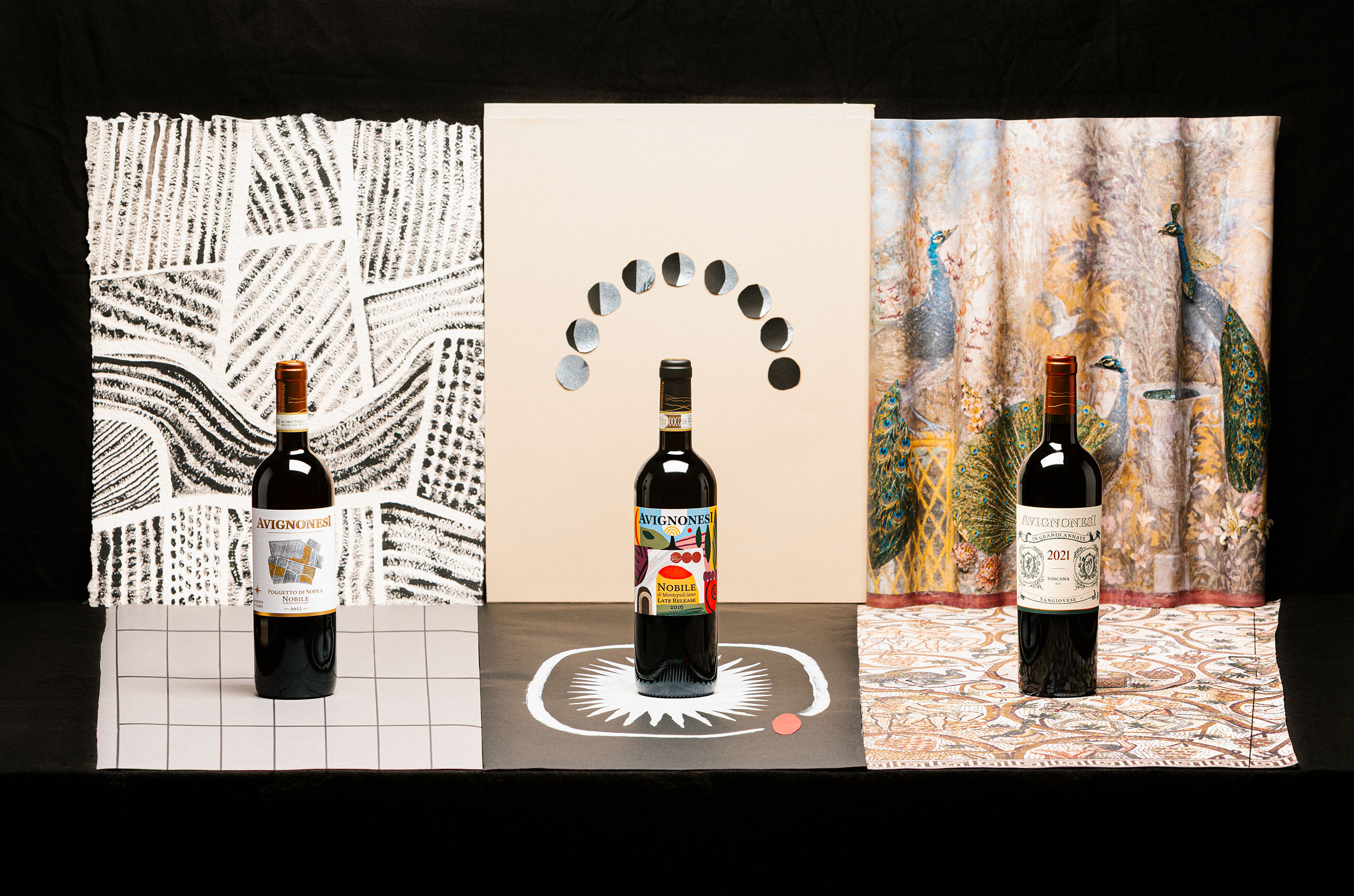 Avignonesi: The soul of Sangiovese
Sponsored Storied expressions of Tuscany’s most famous grape...
-
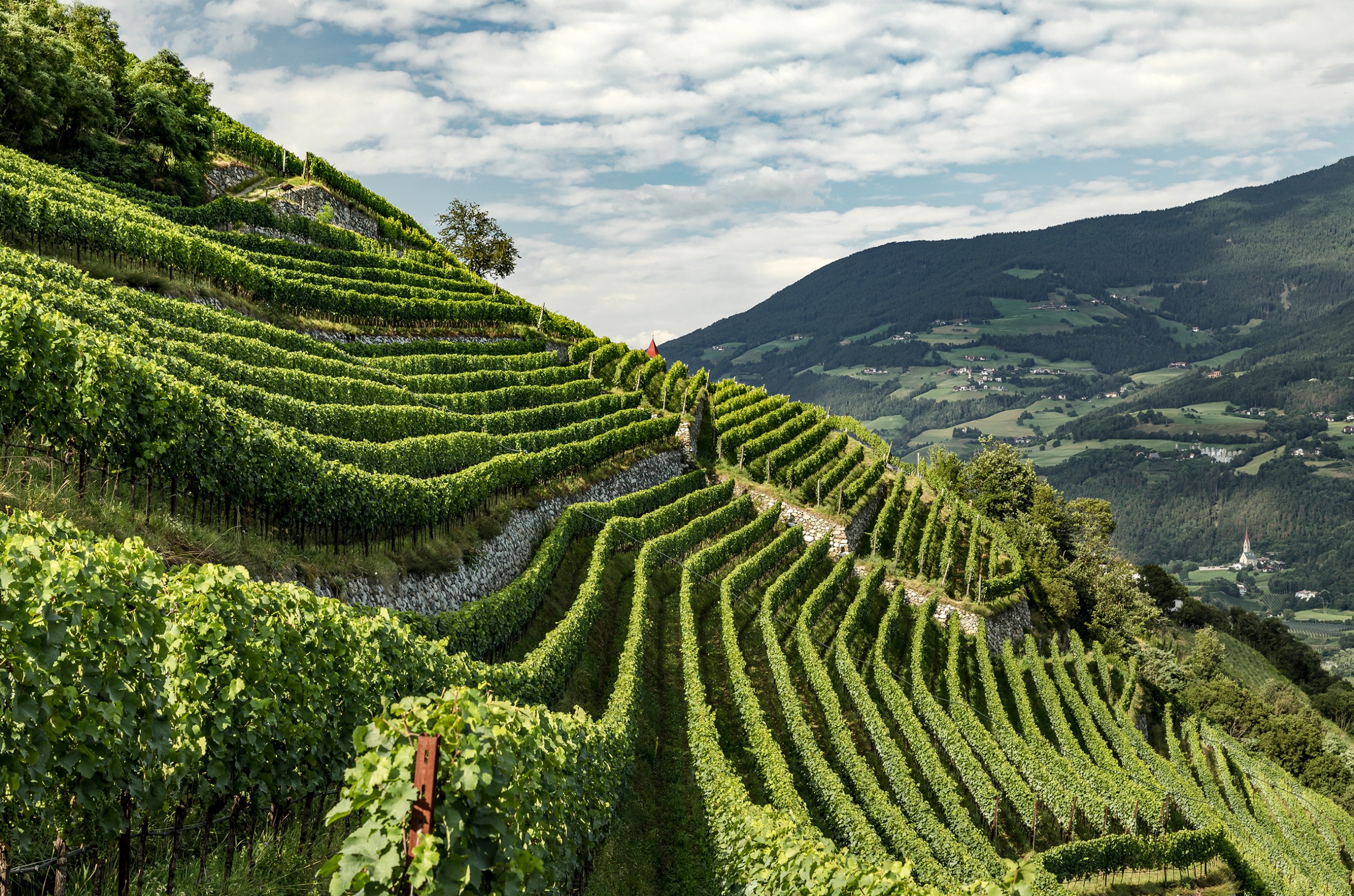 Alto Adige: Where diversity meets quality
Sponsored A hidden gem...
-
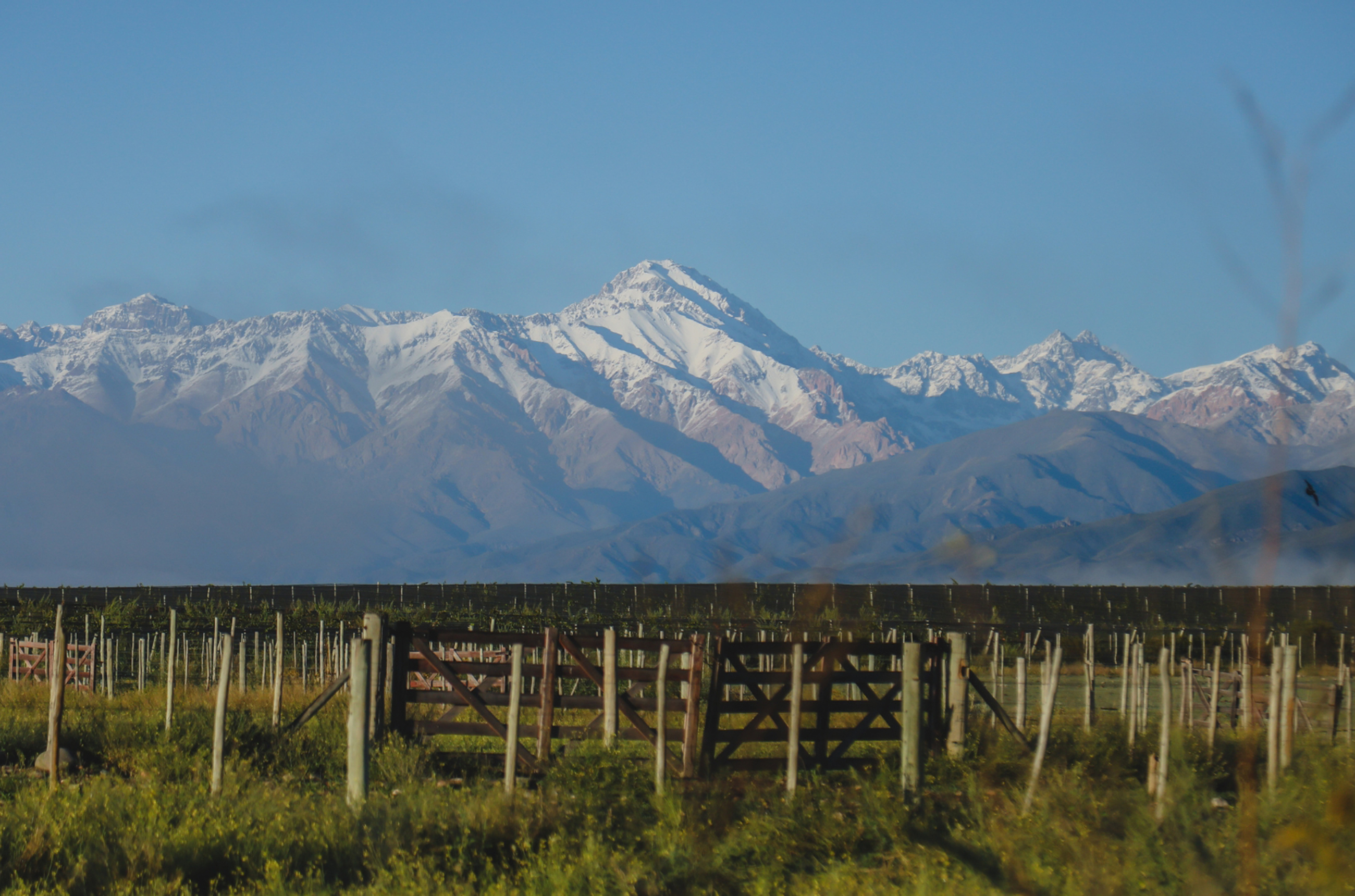 Gualtallary Wines: A Mendoza winery with an international vision
Sponsored Excellence at high altitude...
-
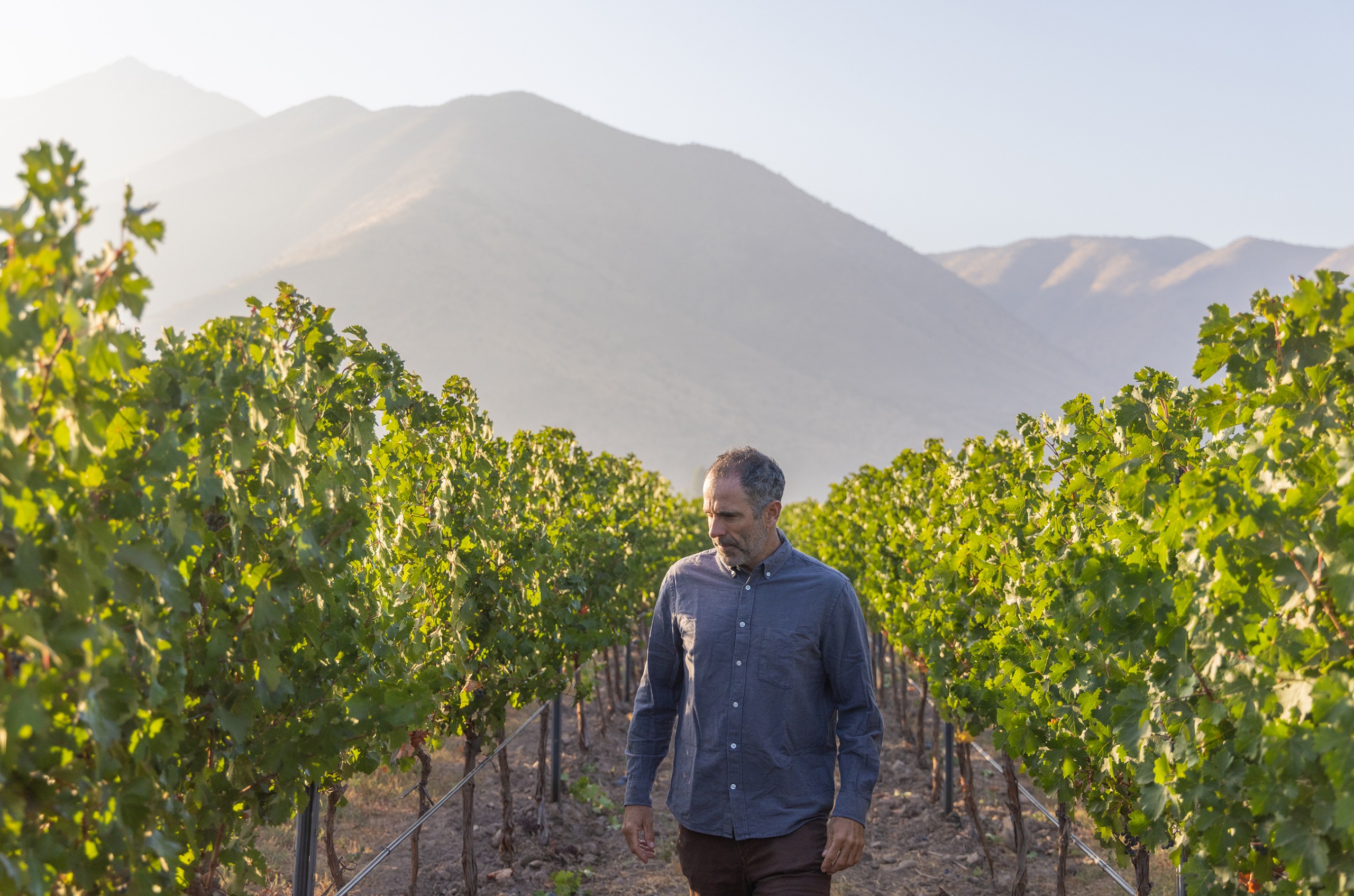 Casa Real 2023: A South American icon
Sponsored A renowned Cabernet Sauvignon...
-
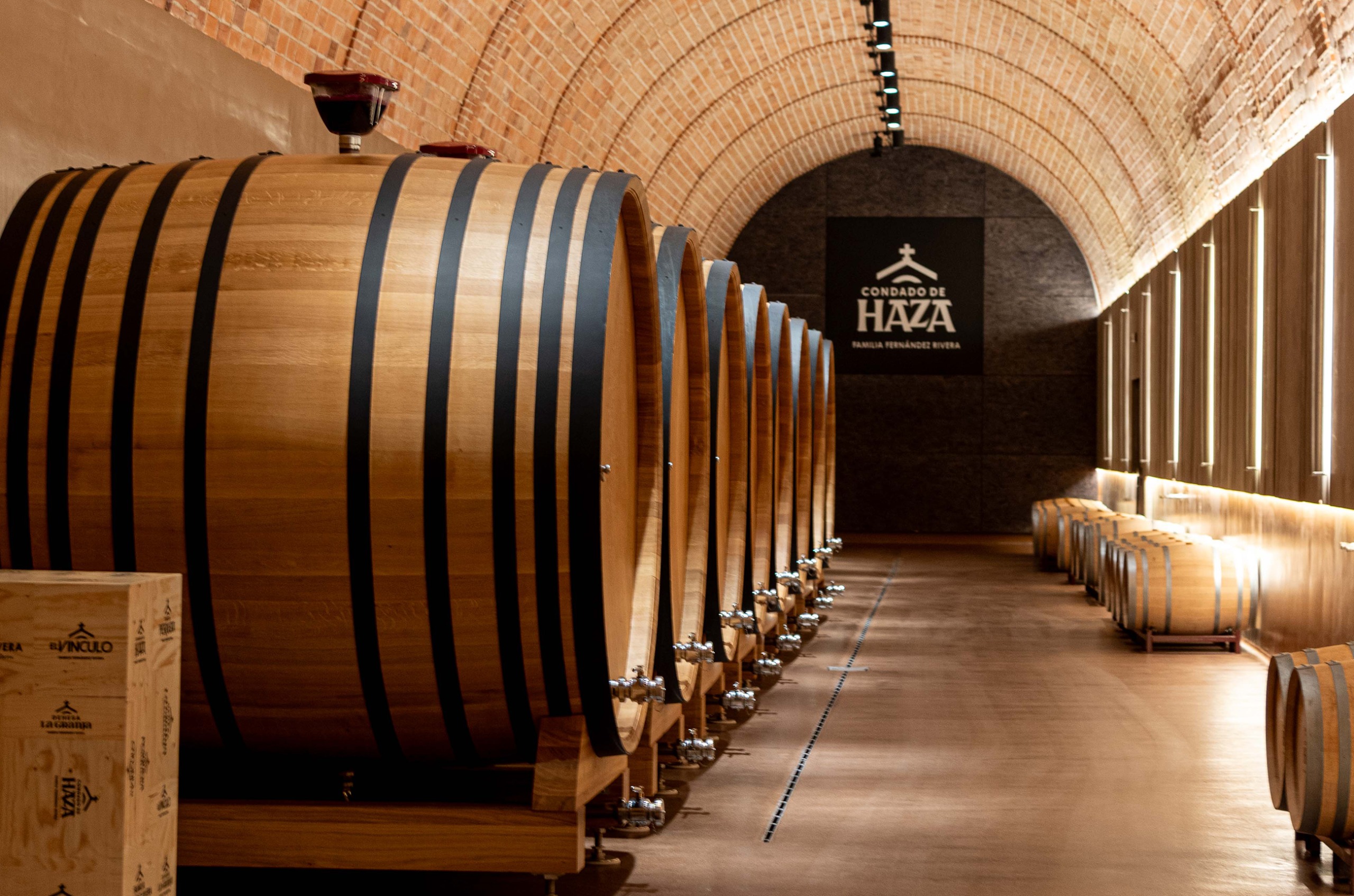 Critical acclaim for Condado de Haza
Sponsored A coveted medal...
-
 The life and soul of Istrian winemaking
Sponsored The region's flagship grapes...


