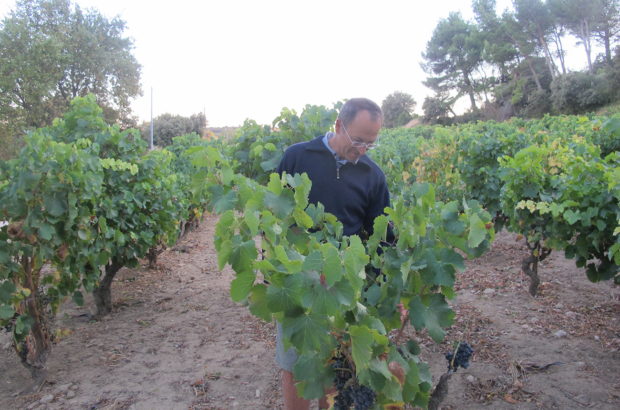
The 400-strong union of producers in Pommard in Burgundy will apply to the French appellation authority INAO to promote the premier cru Rugiens and Epenots appellations to grand cru.
Currently in force, the 1936 classification did not classify any terroirs in Pommard at the grand cru level, but a newly drafted dossier aims to prove that these two appellations should be considered grand cru, Aubert Lefas, Pommard union president, told Decanter.com.
Since April this year, geography and viticulture specialist Blanche Menesson has been working with Pommard vintners on a report to show how both Rugiens (just under 13 hectares) and Epenots (27 hectares) should be considered grand cru based on history, terroir and price.
One difficulty, Lefas says, are distinctions between Rugiens Bas and Rugiens Haut and between Grands- and Petits-Epenots.
But he is confident that the application ‘can convince our peers and the INAO that these two areas can be compared to Clos Vougeot and Le Corton, for example; both are large grand cru appellations with varying terroirs.’
Lefas explained that at the time of the 1936 classification, representatives of Pommard were more concerned about the abuse of the term Pommard than promoting certain terroirs as grands crus.
‘Back then, the main concern was wines that were falsely called Pommard, including sparkling wines,’ he explained.
The dossier – which will be submitted to the INAO at the beginning of 2012 – points out that Jules Lavalle, the author of the first Burgundy classification from the 19th century, rated both appellations highest in Pommard.
‘And their higher prices today – for the wines and vineyard plots – reflect that quality today,’ says Lefas. It also highlights soil and climate advantages in the two appellations.
Pommard has 27 premier crus and its total vineyards count some 320 hectares. Upon receipt of the application, the INAO would send a commission to verify the dossier’s claims.
Written by Panos Kakaviatos