The end of the state-controlled sale of spirits in Washington State took place at the end of May, and has many retailers worried about the impact on wine sales.
Caleb Foster: ‘This is modernisation’
When Prohibition ended in 1933 a handful of state governments elected to control alcoholic beverage sales, but consumers have been gradually trying to change the system.
Washington State allows privately-owned wine shops but controls the sale of spirits. Now, after the Supreme Court voted to uphold I-1183, the ground-breaking legislation allowing private sales of spirits in stores of more than 10,000 square feet (930 square metres), the alcohol retail landscape will look very different.
I-1183 and was pushed through largely by retail giant Costco, and it will be hugely beneficial to it and other large retailers as it will allow the chain to sell spirits, while smaller stores will not have the same opportunity.
Wine shelf space is likely to be affected, depending on whether a store can or can’t carry spirits.
‘Unless another category gives up space it stands to reason that wine’s share of space will shrink as liquor is introduced to the shelves,’ said Annette Stadelman, northwest regional manager at the Hess Collection, which owns both California and imported wine brands.
Many key players in the US wine business are equally concerned. The worry is that large retailers in Washington will cut back on boutique wines in order to focus on major producers who can support large-scale sales goals.
At the same time, smaller stores are considered likely to specialise even more in terms of their local wine selection.
‘The addition of spirits may shift some focus and space from wine for some retailers,’ said Francesca Schuler, chief marketing officer of major California-based chain Bevmo!, which is slated to open a handful of stores in Washington.
But both BevMo! and large drinks chain Total Wine & More seem positive about the greater wine selection likely to be available and how new offerings aren’t likely to hurt local producers.
David Trone, president and co-owner of Total Wine & More, said Washington wine consumers have already shown interest in California so the continued sales of the category may not be detrimental to Washington wine sales.
He added that privatising the market may actually support increased sales of some of Washington’s super-premium and higher-priced wines, from regions like Red Mountain and Walla Walla. He also said that the transition may also help to bring a wider selection of imported wine to the market.
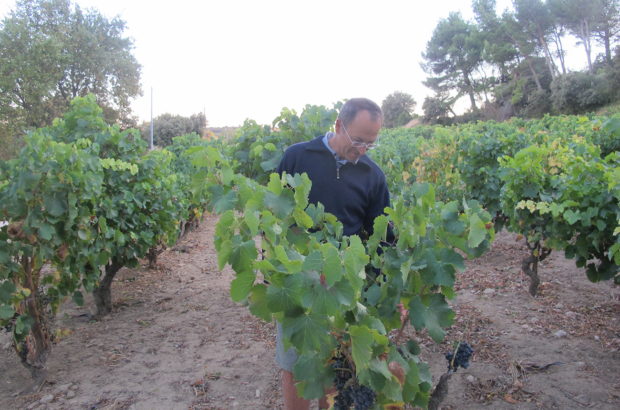
Some Washington producers are also comfortable with the situation. ‘This is modernisation,’ said Caleb Foster, one of the owners of Buty Winery: only the producers without long-term sales strategies would be hurt by this change, he said.
He added that this transition will also allow wine shops to carry the wines they truly want to and allow them to offer categories, such as jug wine, of which Washington State hasn’t historically been a strong supplier.
Written by Liza Zimmerman