Austrian glassmaker Riedel has announced a new partnership – with a specialist tea importer.
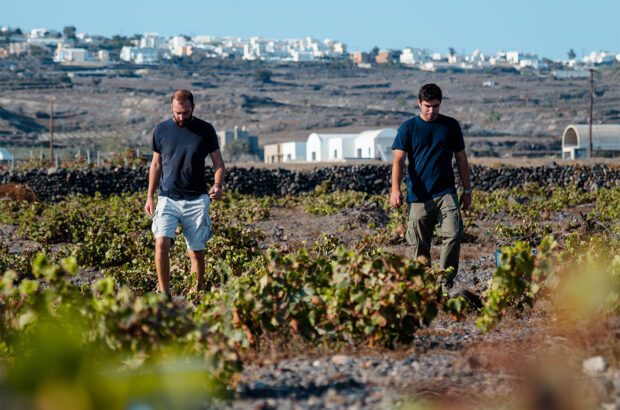
LaKyrsiew tea garden, Meghalaya, NE India
Lalani & Co was formed in 2010 by brothers Nadeem and Jameel Lalani. It works only with artisan and family-run tea gardens including the renowned Big Island Tea Garden in Hawaii, the Indian boutique garden LaKyrsiew, and leading Darjeeling tea garden Makaibari.
It supplies ultra-exclusive teas, like the First Flush ‘Wonder’ from Godpaldhara Garden in Darjeeling and the Summer Reserve from LaKyrsiew, to a number of high-end UK restaurants, mostly in London. These include Gauthier Soho, Hibiscus, Zuma, Nobu, Bibendum, Tamarind, Trishna, Brown’s Hotel and the Stafford.
The specialist – loose-leaf – tea market in the UK is small, representing around 5% of the £650m UK market.
The Lalanis are convinced the British – who drink 165m cups of tea per day – have an appetite for the rarefied teas that they import. At the top end they can cost up to £6,500 per kilo, while most are a good deal more affordable.
Lalani & Co is now working with Riedel to develop a range of tea glasses. The project is in its early stages, but they have hit on Riedel’s O range of stemless glasses – specifically the stemless Riesling Grand Cru and the Pinot Noir – as the most suitable.
Riedel UK managing director Steve McGraw told Decanter.com, ‘Interestingly, we could have chosen to use stemmed glasses for the teas, and the effect would have been the same, however, we thought that consumers might find it slightly too “different” to drink tea from a stemmed wine glass.
‘We selected the O range as it’s perhaps less challenging to use, being similar in some respects to holding a traditional Chinese tea cup.’
Riedel and Lalani will be holding a tasting workshop in September to pinpoint more precisely the shape and size of glass that will work best with different teas. ‘It will be very interesting to see what develops as we research the subject further,’ McGraw added.
To the connoisseur, tea has something in common with wine, in that terroir and provenance are of the utmost importance, and aroma and mouthfeel, tannin and acid quality are prized by tasters. Many tea gardens – as plantations are called – have been run by the same families for generations.
The Lalanis are concentrating on presenting tea as a refreshing and benign palate-cleanser, ideal for stimulating the appetite.
‘The tannic acid in tea activates the stomach acids,’ Nadeem Lalani told Decanter.com. ‘So the new place we have decided to put it is before the meal, as opposed to the traditional British way of drinking it at breakfast or in the afternoon.’
Written by Adam Lechmere