Best whiskeys for a Manhattan: 12 to try
You're mixing up a Manhattan cocktail, but which whiskey should you use? Rye is the classic choice, but it’s not the only one... From bourbon to Bottled in Bond styles, Decanter recommends a dozen great whiskeys to try, with tips on how to make a Manhattan to suit every palate.

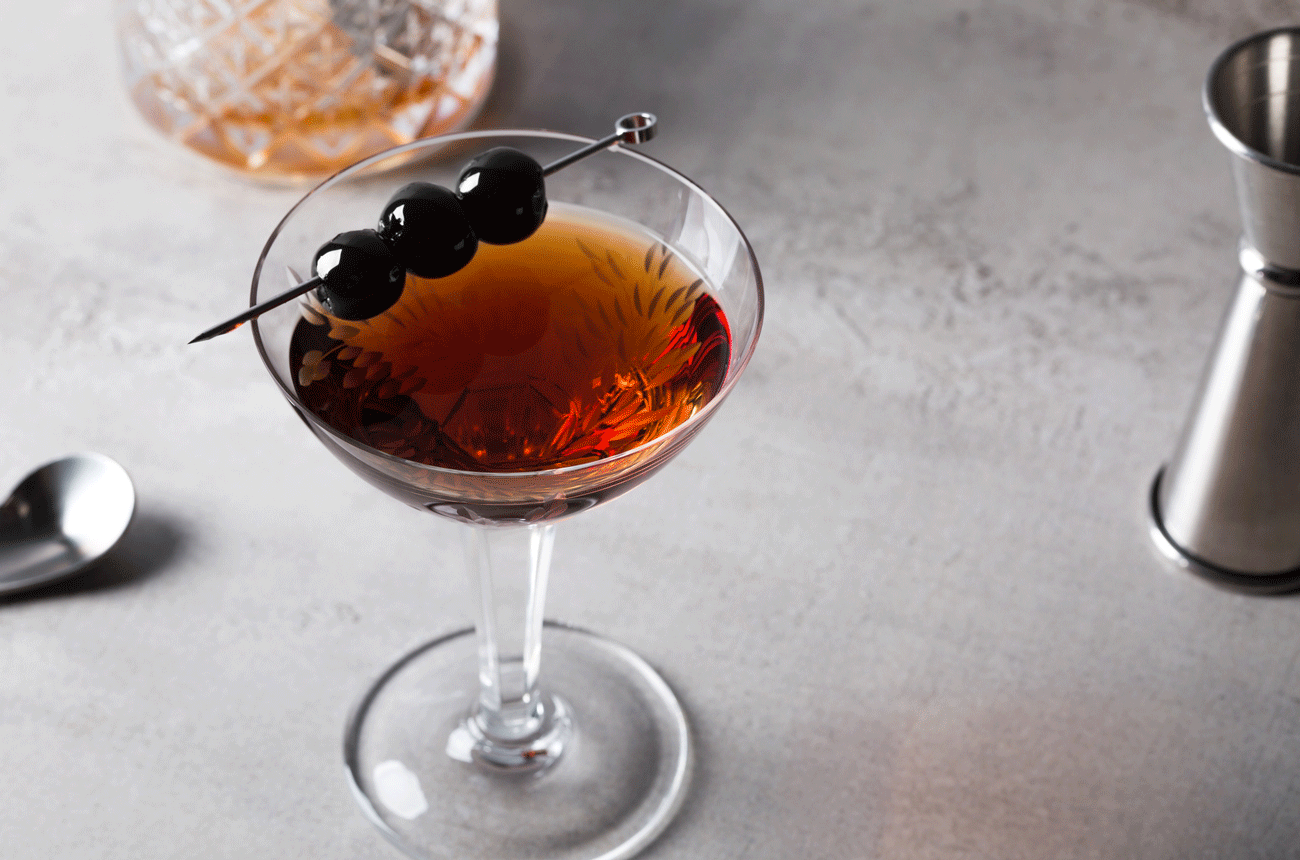
The iconic Manhattan cocktail first appeared in the late 19th century, with its origins still shrouded in mystery. Some insist that it first featured at the Manhattan Club in 1878. Others state it made its first appearance in William Schmidt’s book The Flowing Bowl, published in 1891.
There is also a hotly contested rumour that it was invented for Governor Samuel J Tildem’s electoral win party in 1874. The host of that party was supposedly Jennie Jerome, also known as Lady Randolph Churchill. The main flaw in this story however is that she was in London giving birth to her son, Winston Churchill, at the time.
Choosing your whiskey
As Laura Foster writes in her guide to the best whiskies for cocktails: ‘a useful starting place is to consider where in the world that whisky cocktail originated, and to look for products from the corresponding country.’
Rye has long been the default base for a Manhattan – and for good reason. Its spice and grip give the cocktail structure. There’s a reason bartenders reach for bottles such as Rittenhouse 100 Proof Straight Rye as a house pour. But the drink is more adaptable than orthodoxy suggests. Bourbon brings weight and sweetness. Different mash bills, proofs and maturation styles all shift the balance.
Proof matters more than people think. Higher-strength expressions, including Bottled in Bond (which must be bottled at 50% abv), hold their shape after dilution rather than collapsing into the vermouth. Tennessee whiskey, meanwhile, tends toward a softer, rounder profile – a different Manhattan, but still a good one.
Choosing your vermouth

Cocchi Vermouth di Torino is a classic choice for a Sweet Manhattan
Next comes the vermouth. Both the type and amount of vermouth added will determine the style of Manhattan that is being made.
A Dry Manhattan calls for a dry vermouth (such as Martini Extra Dry or Noilly Prat), though lighter, more aromatic styles such as La Quintinye Vermouth Royal Blanc are also worth exploring.
A Sweet Manhattan is typically made with sweet vermouth, with classics like Cocchi Vermouth di Torino or Antica Formula still hard to beat, alongside more contemporary options such as Mancino Rosso Amaranto. A Perfect Manhattan splits the difference with a measure of each.
For those looking to experiment further, more wine-led or bittersweet styles, such as González Byass La Copa Rojo or Zuccardi’s La Fuerza Vermouth Rojo can add depth and tension, particularly when paired with richer or higher-proof whiskies.
Finding the balance
The flavour profile of your Manhattan is largely determined by whiskey and vermouth. (Also think about your choice of bitters, which deserve more attention than they usually get.)
But small adjustments in proportion or dilution can shift a Manhattan as much as swapping the base spirit entirely. Stir it a little longer and it opens up. Use a touch less vermouth and the whiskey steps forward.
Whatever the style, when everything is right, this cocktail rewards precision. Strong, spiced and, at its best, completely satisfying.
How to make a Perfect Manhattan
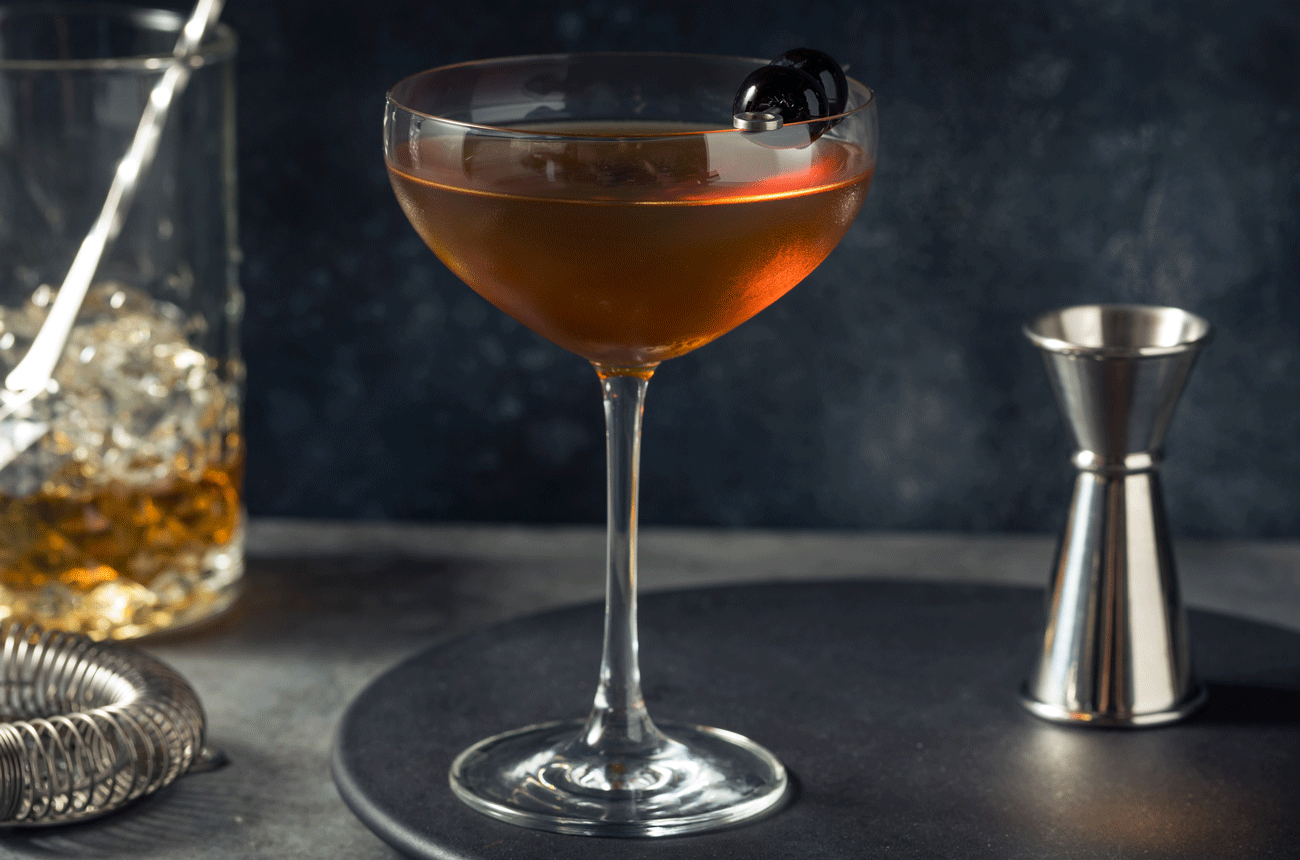
Glass: Coupe
Garnish: Maraschino cherry or lemon or orange peel
Method: Pour the whiskey, vermouth and bitters into a mixing glass or shaker filled with ice and stir well to mix. Strain into a chilled coupe glass.
60ml rye or bourbon whiskey
15ml sweet vermouth
15ml dry vermouth
2 dashes bitters (Angostura, aromatic or orange)
How to make a Dry Manhattan
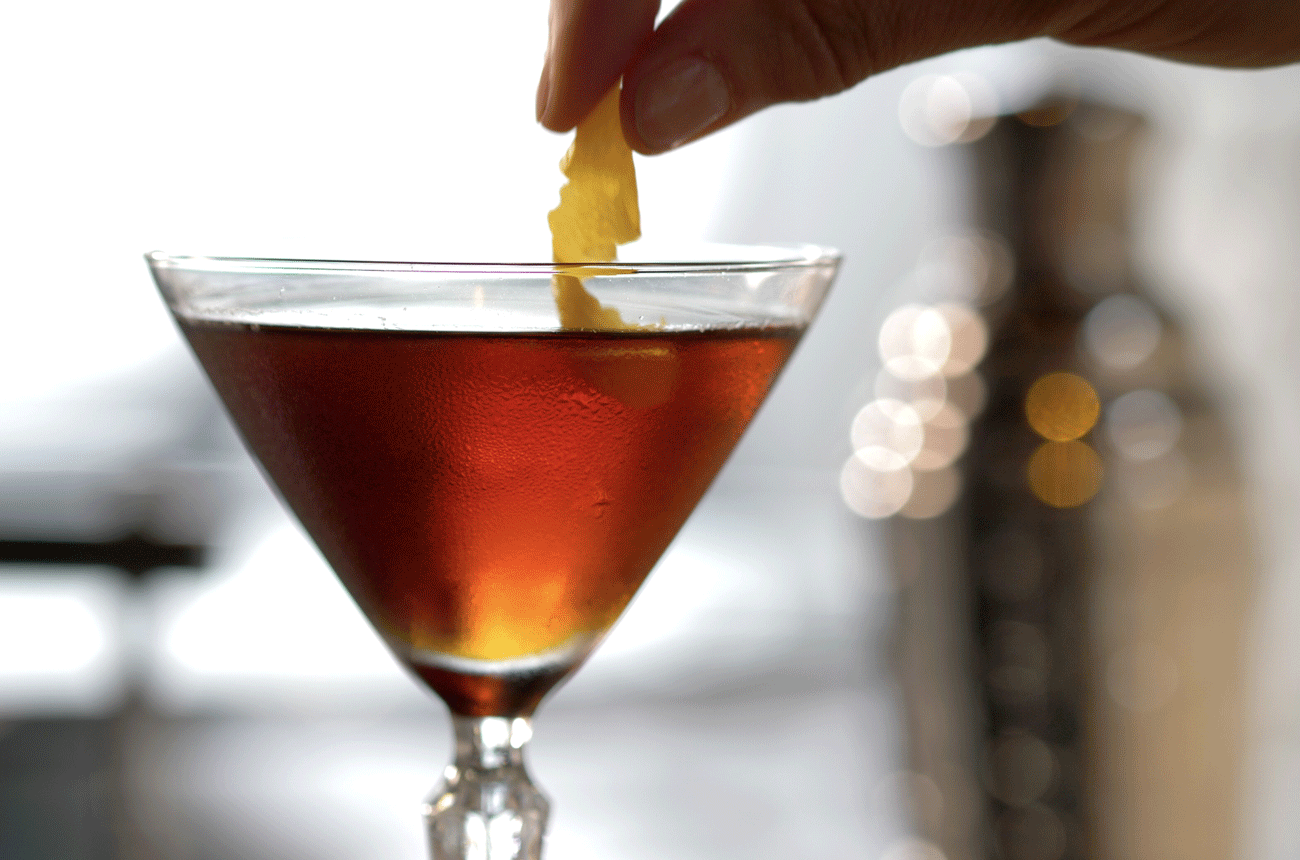
Glass: Coupe
Garnish: Lemon peel
Method: Pour the whiskey, vermouth and bitters into a mixing glass or shaker filled with ice and stir well to mix. Strain into a chilled coupe glass.
60ml rye or bourbon whiskey
30ml dry vermouth
2 dashes bitters (Angostura, aromatic or orange)
How to make a Sweet Manhattan
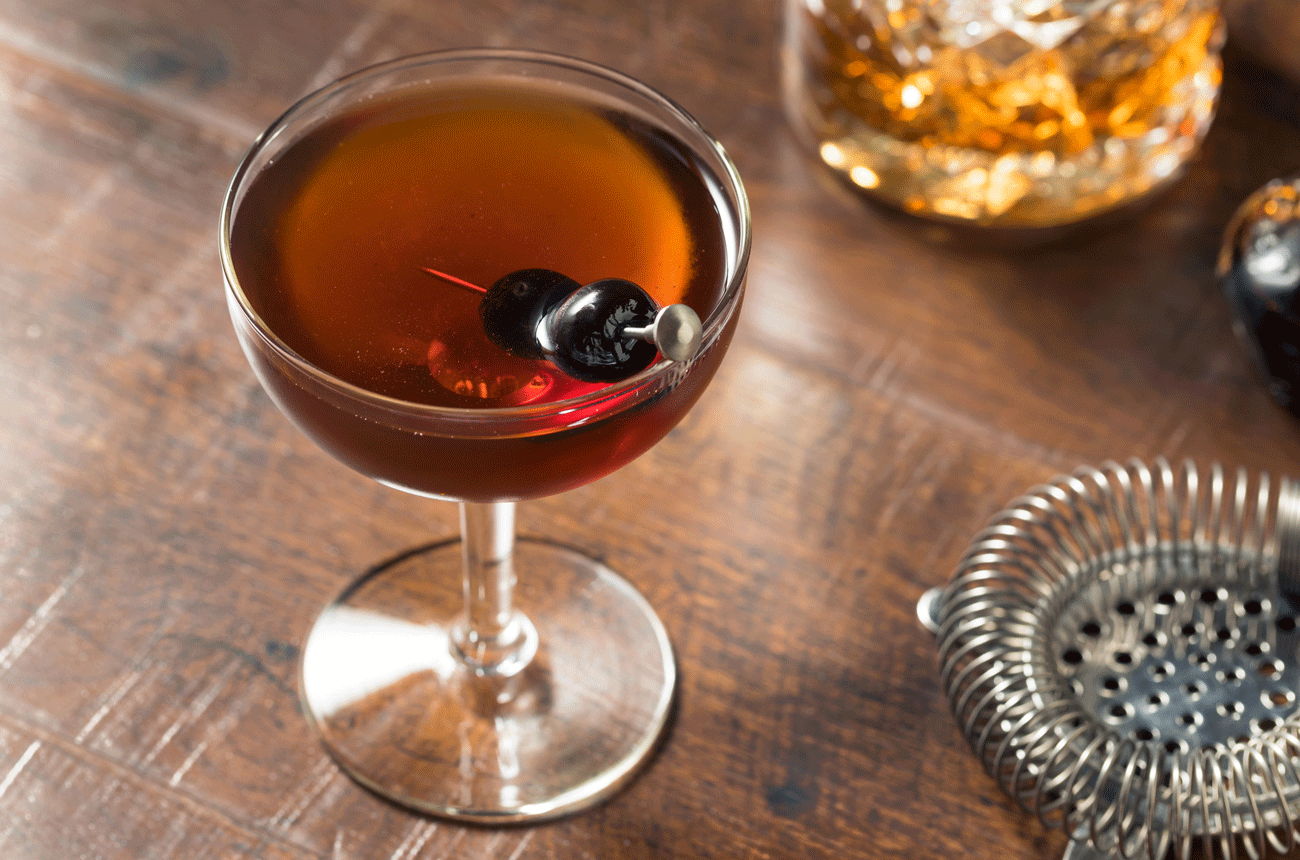
Glass: Coupe
Garnish: Maraschino cherry
Method: Pour the whiskey, vermouth and bitters into a mixing glass or shaker filled with ice and stir well to mix. Strain into a chilled coupe glass.
60ml rye or bourbon whiskey
30ml sweet vermouth
2 dashes bitters (Angostura, aromatic or orange)
Best whiskeys for a Manhattan
1792 Bottled in Bond Kentucky Straight Bourbon Whiskey
Produced under the strict Bottled in Bond designation: single distillery, single distilling season, aged at least four years, bottled at exactly 50% abv. The result is structured and characterful – caramel, toasted grain, clove, dried orange peel – with enough proof to give a Manhattan real definition. The Sweet Wheat expression is also worth seeking out for a softer, rounder take. Alcohol 50%
Jack Daniel’s Triple Mash
A bottled-in-bond whiskey that’s made from a blend of American malt and rye and Tennessee whiskies. Certainly more oak-dominant with flavours of vanilla and fudge, but there’s also a nice creamy texture, along with touches of dried citrus. The alcohol and spice are nicely tempered with the sweet, herbal vermouth notes. Alc 50%
Elijah Craig Toasted Barrel
Finished in custom-toasted barrels, this bourbon leans hard into the sweeter, oak-driven end of the spectrum: toasted marshmallow, cocoa, vanilla cream. Rich and rounded, it makes a softer, more decadent Manhattan. Pair it with a vermouth that brings some bitterness or herbal tension – without that counterpoint, it can tip into one-dimensional sweetness. Alc 47%
Four Roses Single Barrel Bourbon
Four Roses uses 10 distinct recipes, each coded by yeast strain and mash bill. This single-barrel expression uses the OBSV recipe, combining a high-rye mash bill with a yeast strain known for its delicate fruit character. It gives the bourbon lift and definition, with red berries, orange peel and light floral notes. Structured yet elegant, with gentle spice and a clean finish. In a Manhattan, it sits neatly between a classic rye and a sweeter bourbon style: drier and more aromatic than most. Alc 50%
High West Rendezvous Rye
A blend of straight rye whiskies that leans into aromatics rather than sheer power. Mint, dried herbs, citrus peel and a subtle sweetness that rounds things out. In a Manhattan, it adds complexity and freshness – particularly good in a Perfect serve or with a lighter vermouth. Not the loudest bottle on this list, but possibly the most interesting. Alc 46%
Knob Creek 7 Year Old Rye
Bold, full-bodied and not remotely shy about it. Cracked black pepper, charred oak, dark sugar. The higher proof and weight mean this stands up confidently in a Manhattan, delivering a robust, spirit-forward drink that holds its shape through dilution. If you like your Manhattans to bite back, start here. Alc 50%
Leiper’s Fork Bottled in Bond Tennessee Whiskey
A distinctive Tennessee whiskey made in a deliberately traditional style: pot still distillation, sweet mash fermentation, low barrel entry proof. Unusually, much of the grain is grown locally – up to 75% from the distillery’s own farm, the rest from within a 16km radius – lending a genuine sense of place that you don’t often find in modern American whiskey. The profile is fuller and more textural: sweet corn, orchard fruit, milk chocolate. In a Manhattan, this produces a softer, more integrated style, with the Bottled in Bond strength ensuring it doesn’t get lost. One of the most distinctive bottles here. Alc 50%
Lot 40 Dark Oak
A well-balanced Canadian rye from Windsor, Ontario. This is an excellent example with a broad flavour profile consisting of gingerbread, toffee apple, leather and nutmeg. An intense style of rye that stands up well to all versions of the Manhattan and other whisky-based cocktails. Alc 48%
Michter’s US *1 Kentucky Straight Bourbon
Carefully blended in small batches, this is a polished bourbon that doesn’t demand attention but earns it anyway. Honey, ripe stone fruit, toasted nuts, soft spice – everything well-integrated, nothing shouting. In a Manhattan, that restraint becomes a virtue: the vermouth and bitters get room to breathe rather than fighting the base spirit. Alc 45.7%
Sagamore Spirit Double Oak Straight Rye Whiskey
A secondary maturation in toasted oak adds depth and richness to this Maryland-style rye. Dark chocolate, vanilla, warm spice and caramel layered over a bright, peppery core. It makes a fuller Manhattan – slightly indulgent, but with enough lift to keep the drink from becoming heavy. A good bottle for anyone who finds classic ryes a touch austere. Alc 48.3%
Sazerac Straight Rye
An iconic New Orleans rye dating back to the 1800s when bars masqueraded as Coffee Houses and the legendary Sazerac cocktail was born. Aromas of aniseed, clove and sweet, toasted wood lead into flavours of liquorice and spiced vanilla. There is a herbal edge which complements the vermouth in a Manhattan beautifully. Alc 45%
WhistlePig PiggyBack Rye Aged 6 Years
WhistlePig’s younger, cocktail-focused rye, and it does exactly what it says on the tin. Bright, expressive and spice-led: citrus peel, fresh mint, caramel, white pepper. It cuts cleanly through vermouth without overwhelming anything. Versatile, reliable, and considerably easier on the wallet than WhistlePig 10 Year Old, which is arguably better as a sipper anyway. Alc 48.28%
Woodford Reserve Double Oaked
Finished in a second, heavily toasted barrel, this is a richer, more opulent take on Woodford’s classic bourbon. Pronounced vanilla pod, toasted coconut, dark caramel. The extra oak brings weight and sweetness to a Manhattan, making for a fuller, more indulgent drink – particularly good when balanced with a bittersweet vermouth. Those wanting more spice and grip should look instead to Woodford Reserve Rye, which offers a firmer, drier take on the same cocktail. Alc 43.2%
Related articles

Best whiskies for an Old Fashioned

Best whiskies for a Highball cocktail

Best whiskies for a Whisky Sour
