

If the introduction of sustainable viticulture and winemaking practices is increasingly becoming the rule in the wine sector, that’s thanks to pioneering producers such as Bodegas Nodus. Having championed organic farming, governance and resource management before such concepts were even fully understood, Nodus remains at the forefront of Utiel-Requena’s collective sustainability efforts.
Longstanding commitment
Bodegas Nodus’ origins go back to El Renegado, a sprawling estate of incredible ecosystemic value, founded by Don Adolfo de las Heras Marín in 1985. The founder’s son, Adolfo de las Heras Polo, later established Bodegas y Viñedos de Utiel. As the winery’s focus shifted towards increasing quality at the crossroads of tradition and innovation it eventually adopted the name of its flagship wine range: Nodus.
The estate’s 540ha are farmed following organic principles in order to preserve the balance and diversity of the landscape. Eight centenary holm oak, dotted around El Renegado, stand proudly as symbols of this commitment.

A new benchmark
The sustainability vision at Nodus was never restricted to the natural environment. Through its far reaching, all-encompassing sustainability programme, Bodegas Nodus became the first winery in the Valencian Community to achieve the Sustainable Wineries for Climate Protection (SWfCP) certification in 2023.
The SWfCP certification process assessed the commitment to the Sustainable Development Goals (SDG) defined by the United Nations across all areas of the business: from farming practices to carbon emissions, energy efficiency, water management, packaging and soil health. The social, economic and governance pillars of sustainable management are also key components of the SWfCP certification. This achievement showcased how even large estates can, and should, adopt sustainable practices, from root to glass.
Bodegas Nodus has also been granted the S stamp for its hospitality program. This certification complements the SWfCP by recognising the alignment of Nodus’ wine tourism offering with the SDG.

Towards quality and expressiveness
Having been among the first to bottle its own wine, Bodegas Nodus was also a pioneer in the vineyards and cellar. Don Adolfo pioneered the introduction of international grape varieties in Utiel-Requena, a crucial move to prove the potential of the local terroirs to produce quality wine at a time when indigenous varieties were frowned upon. He did so while also preserving – and remaining focused on – the old vines of the local Bobal at the estate. Of the 200ha of vines the estate has today, 80% are of Bobal plants with more than 40 years of age.
The estate-grown vineyards provide the raw material for three ranges of wines: the eponymous, flagship Nodus, expressing elegance in wine; Capellanes, food-led creations made from Spanish grape varieties; and the more playful Chaval. These wines, along with Nodus’ vermouths and olive oil are the products that materialise the efforts of all those who work to make Nodus’ sustainable project a reality.
Two wines that capture the sustainability approach of Bodegas Nodus

Chavalote
Tempranillo, Garnacha
Aimed at a young audience, the Chaval range explores the fresher, more approachable side of the grapes grown at El Renegado. Versatile wines for everyday drinking, suited to a wide range of food pairings. The eponymous ‘Chaval’, a single-varietal Bobal, has its younger brother in ‘Chavalote’ a smart blend of Tempranillo and Garnacha, fermented in stainless steel and aged for a short period in oak. Fruit-forward and with vibrant acid, this shows the balance delivered by the El Renegado vineyards. A touch of nuts and spices from the brief passage in oak gives it depth and length. Organic certified.

Nodus Bobal
100% Bobal
Nodus, the winery’s eponymous range, includes its flagship bottles – it was under the Nodus labels that the producer consolidated its reputation, as well as that of DO Utiel-Requena. The collection’s Bobal, hailing from the estate’s historical vines, gives it complete protagonism. Cold maceration, followed by fermentation in stainless steel at low temperatures and a brief period in barrel, underscore Bobal’s crunchy red fruit underpinned by gentle savouriness. Bottled unfined and unfiltered. Organic certified.
Discover more about Bodegas Nodus
Explore DO Utiel-Requena and its flagship producers


-
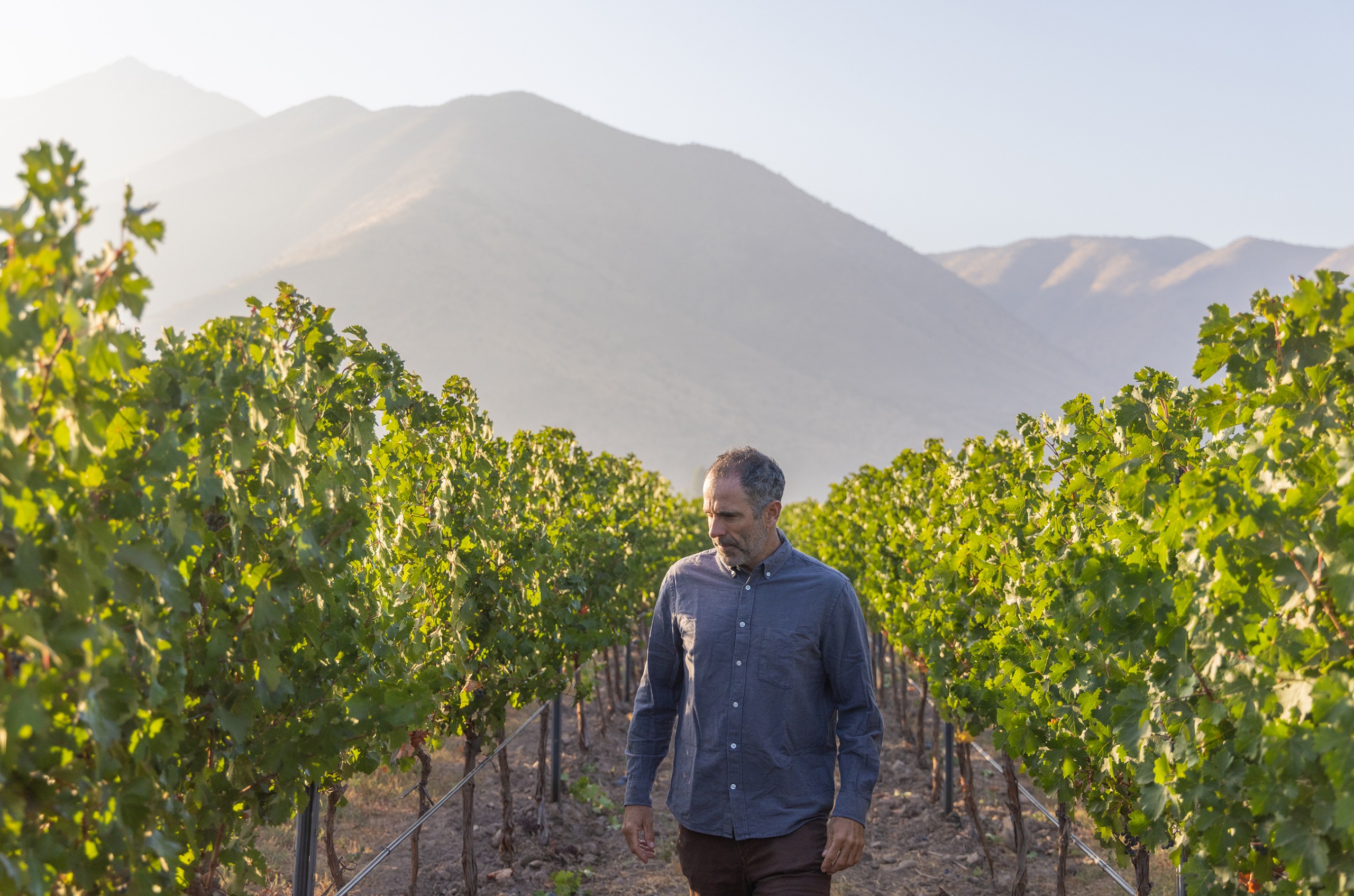 Casa Real 2023: A South American icon
Sponsored A renowned Cabernet Sauvignon...
-
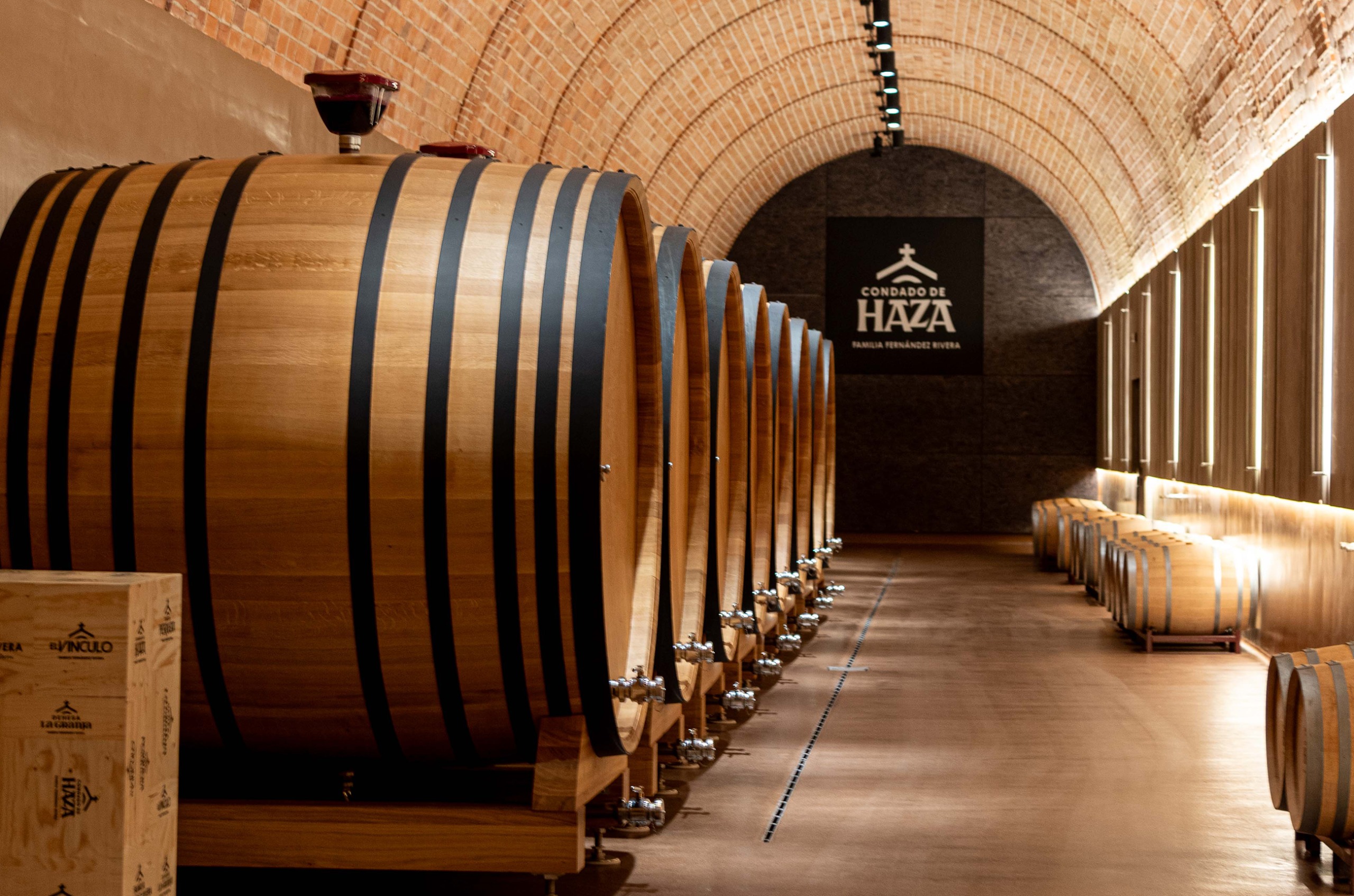 Critical acclaim for Condado de Haza
Sponsored A coveted medal...
-
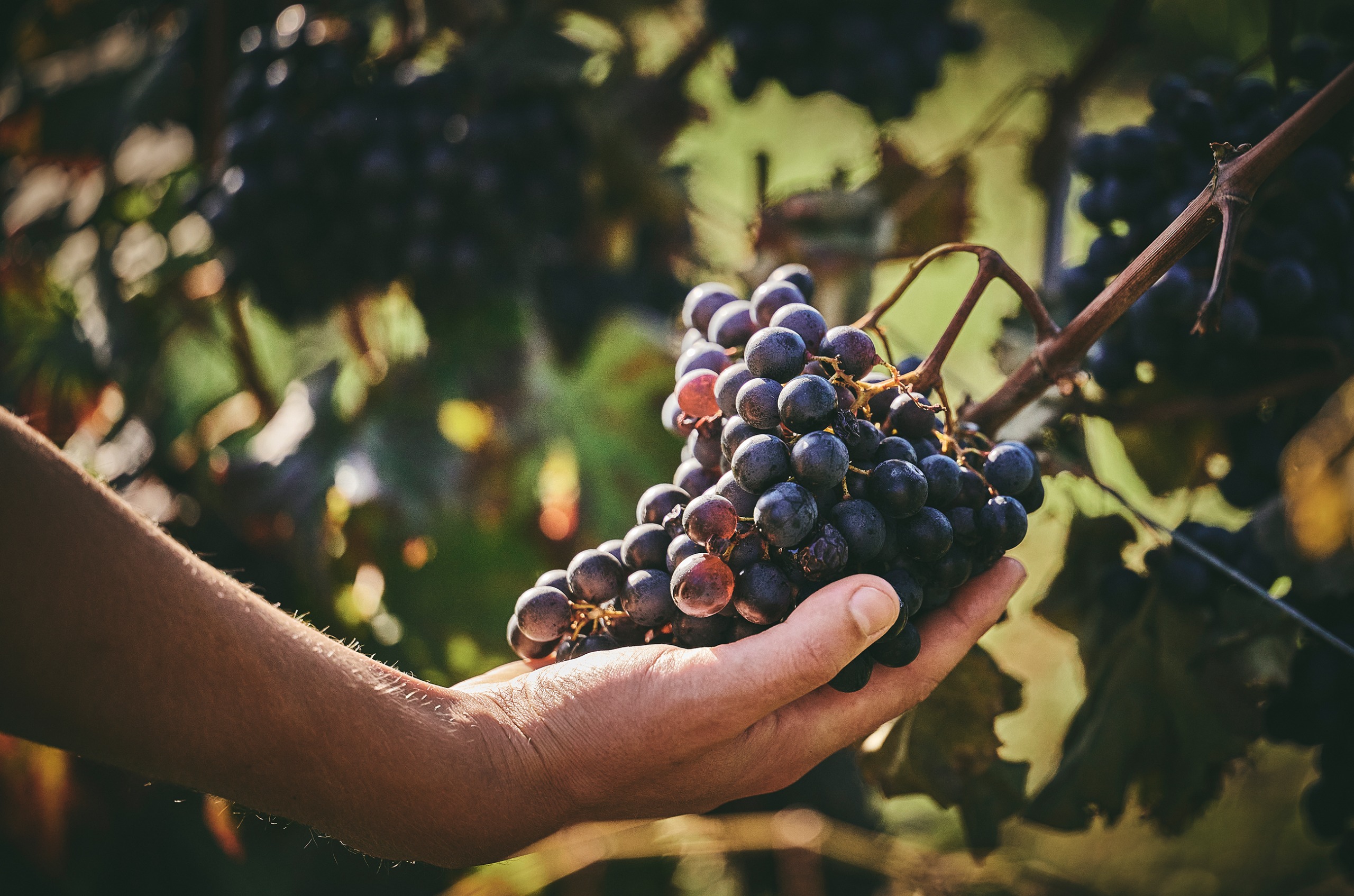 The life and soul of Istrian winemaking
Sponsored The region's flagship grapes...
-
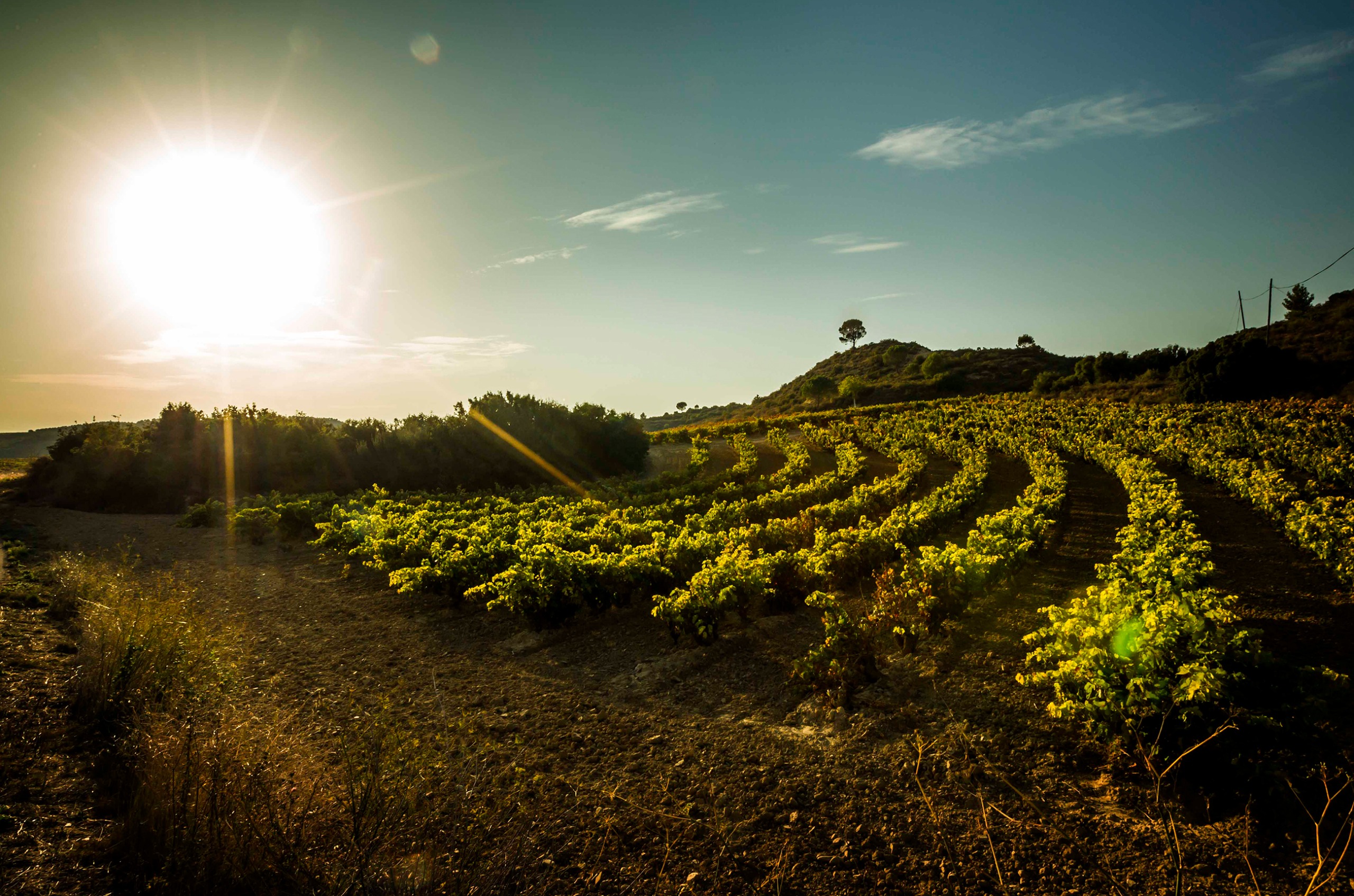 Bringing the spirit of Rioja to the UK
Sponsored Spain's leading wine region...
-
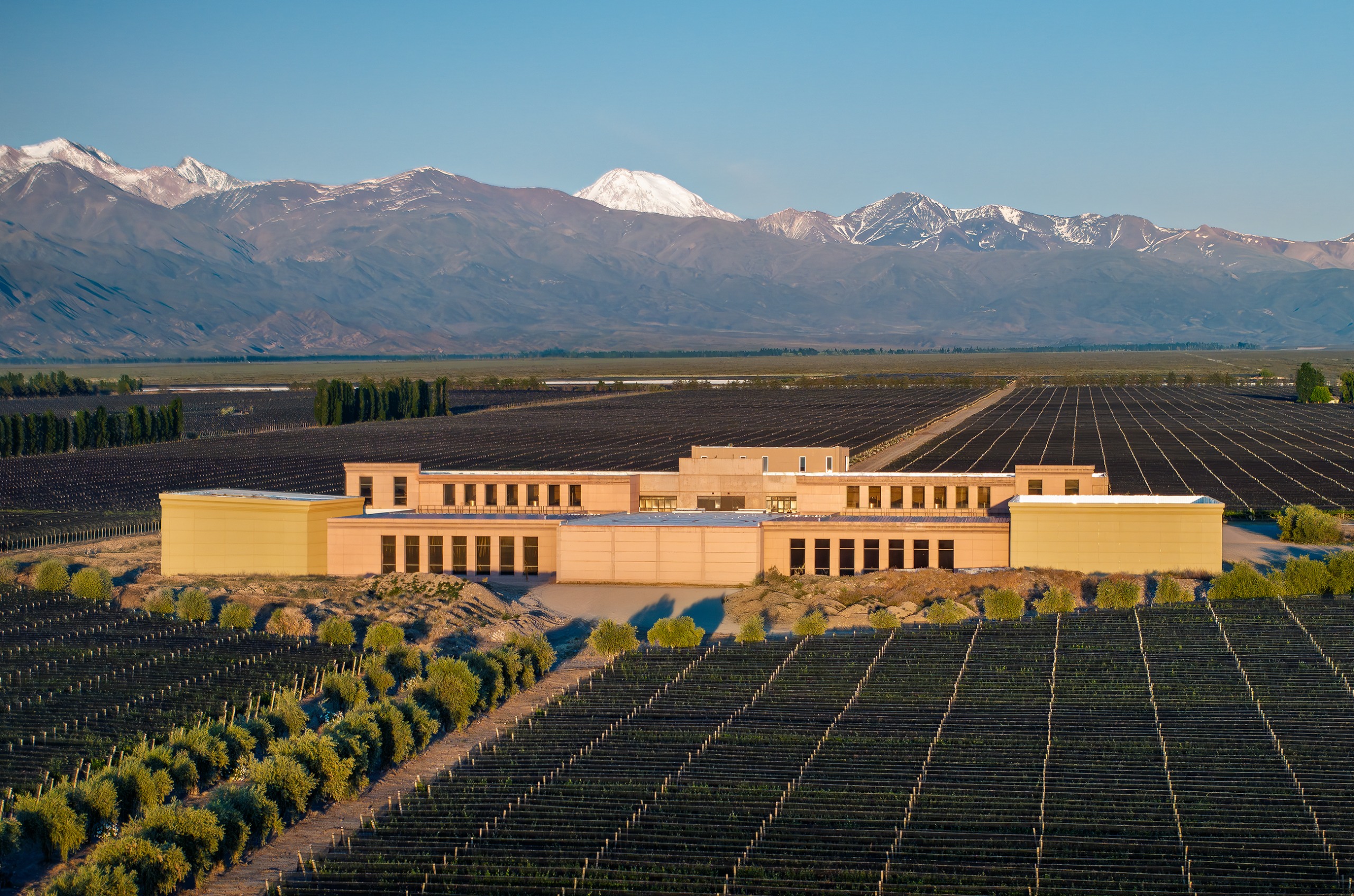 Apartado: Elegant interpretations of the Uco Valley from Rutini Wines
Sponsored The essence of the Uco Valley...
-
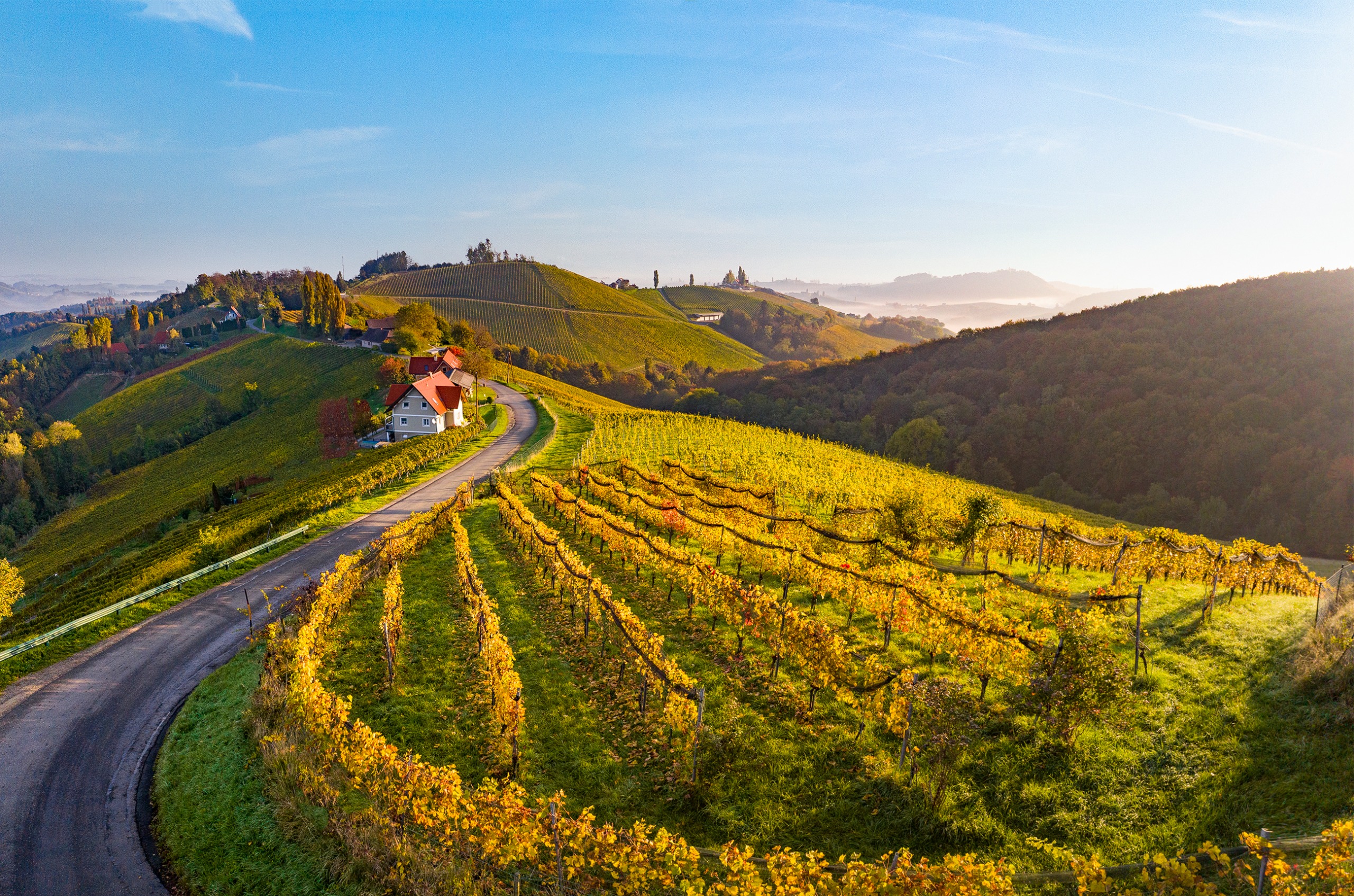 Award-winning wines from Austria
Sponsored Quality and diversity...
-
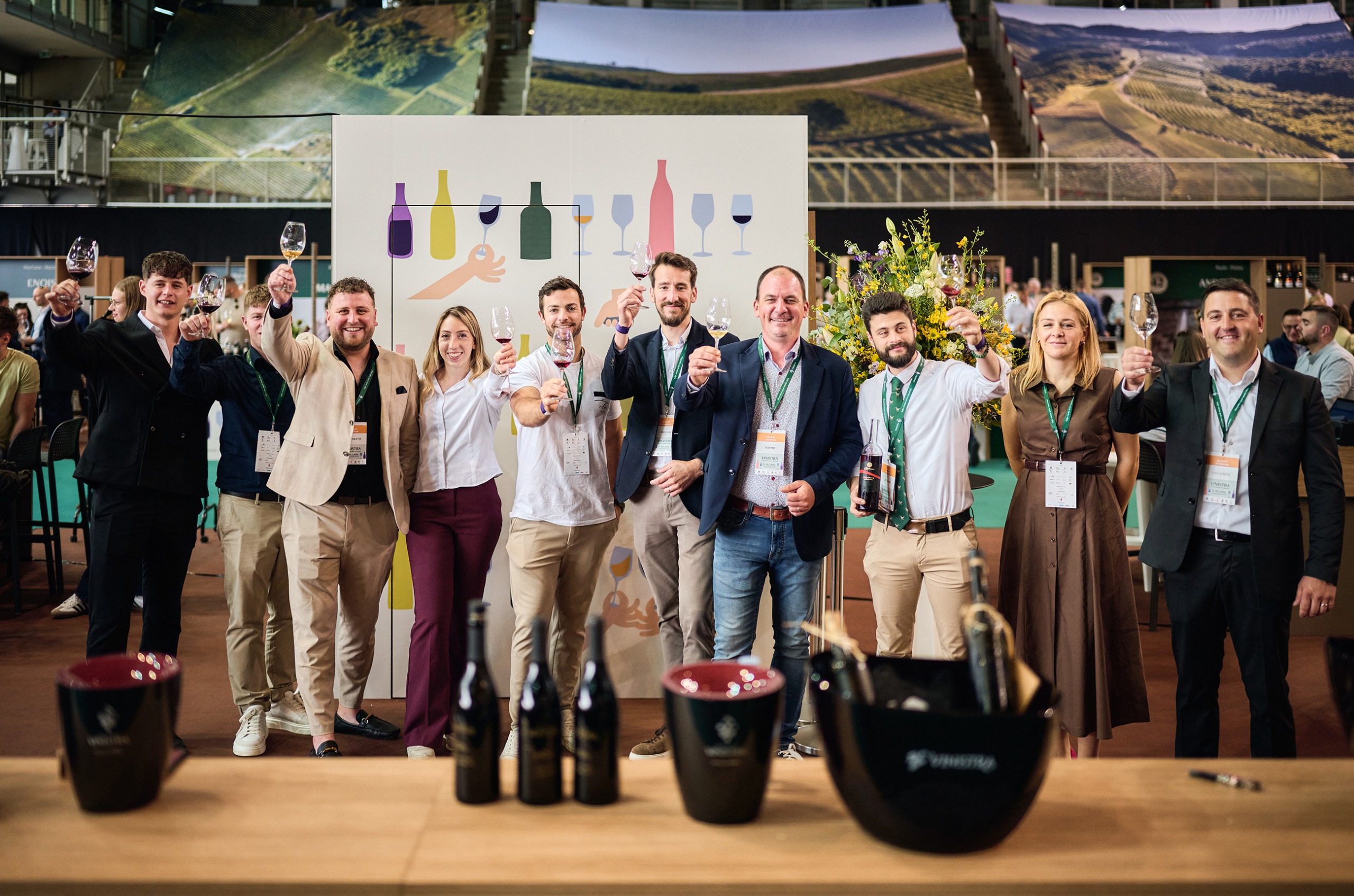 Gen V: The new face of Istria
Sponsored Taking Istria into the future...
-
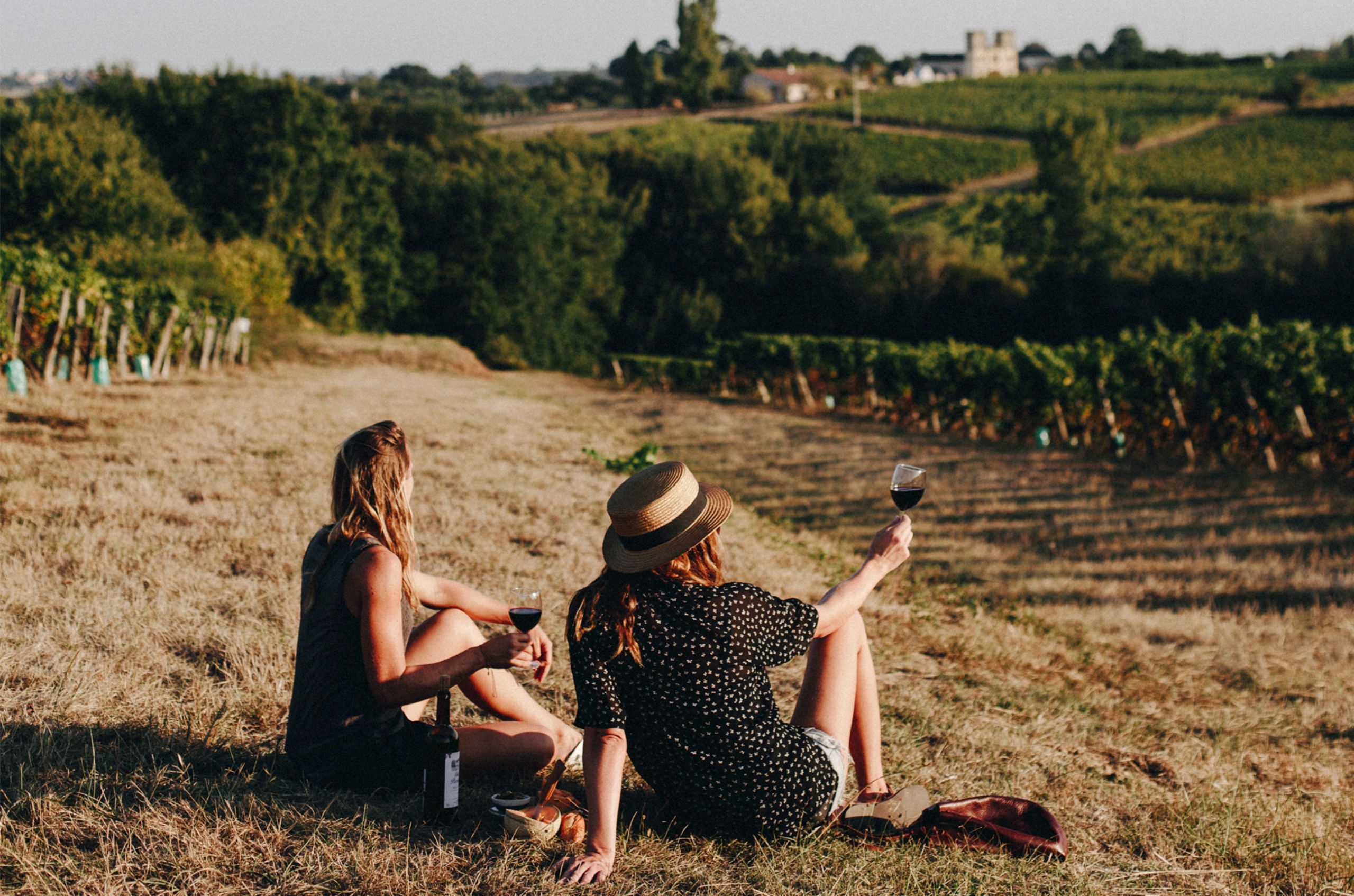 Bordeaux: One region, many voices
Sponsored Bordeaux reds in all shades...


