

Social and environmental sustainability are inextricably linked, one being hard to justify and maintain without the other. The preservation of a territory and its natural resources is never fully possible without being considered in tandem with the needs and prospects of its communities. This is particularly true for regions where viticulture plays a central role in local economy and the character of the landscape. The very definition of terroir as a complex expression of the natural and human factors that define a place’s identity evokes the dialogue between social and environmental variables that need to be considered to build a viable future for generations to come.
It’s with this in mind that DO Utiel-Requena has, over the past decade, developed a number of key educational projects that engage with the younger generations that represent the region’s future.
Agents of change
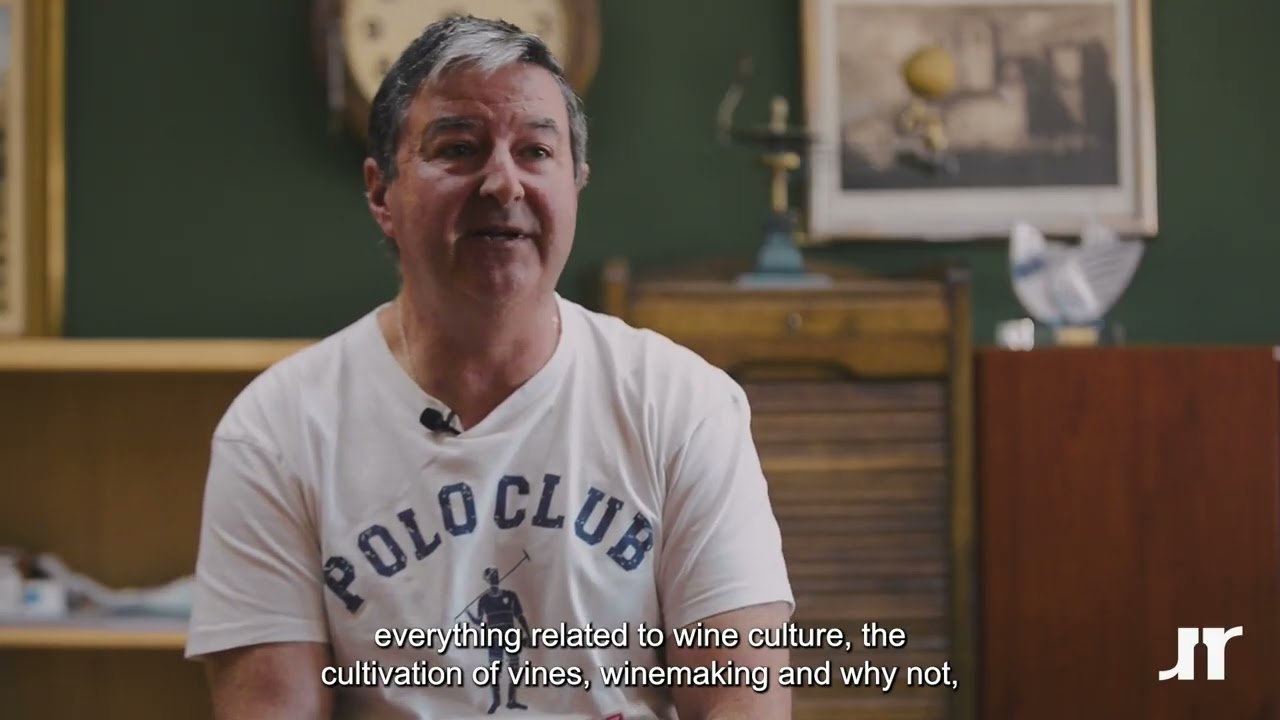
As the main beneficiaries and agents of the successful deployment of sustainability strategies (and the main victims of the failure to do so), students should be some of their priority subjects. This is the fundamental premise of DO Utiel-Requena’s several educational initiatives, a key component of its holistic sustainability approach.
DO Utiel-Requena has developed different partnerships with Mancomunidad del Interior Tierra del Vino (a joint venture between different municipalities to promote rural development), the School of Viticulture and Oenology of Requena, the local school of hospitality and La Campesina, a Requena-based company offering viticultural services. Together, the institutions have delivered actions in five secondary schools located in the denomination’s municipalities: Instituto de Educación Secundária (IES) Miguel Ballesteros, IES Alameda and Colegio Santa Ana in Utiel; IES Nº 1 and IES Oleana in Requena.
Trips to vineyards, experimental vinifications, pruning and composting workshops, interviews with elderly growers, photography contests, participation in the planting of the DO’s experimental vineyard and tastings for parents/carers are only some of the different actions that have so far taken place – and are documented in a film recently released by DO Utiel-Requena. These have yielded a number of results that crystallise the success, but also the underlying goals, of these efforts: engaging students while creating a record for the future.
Exhibitions, presentations, a planted vineyard and a beautiful book with letters and poems addressed to growers and producers, are just one of the many ways in which the teenagers of DO Utiel-Requena are becoming a living part of the region’s viticultural community.
Identity and opportunity
With success comes the recognition that only the engagement of future generations can ensure the continuity and development of a thriving viticulture and winemaking industry in the region.
On the other hand, as Spanish rural communities remain threatened by depopulation, it is crucial to make younger demographics aware of the unique opportunities that the two industries can offer. They create paths not just of employment but also of self-fulfillment – for which it is essential to highlight their nature as highly-skilled crafts with a lot of creative and entrepreneurial potential – allowing individuals to thrive professionally without leaving the region. And while remaining connected to its identity and heritage.
The relevance of these efforts was made painfully evident following the tragic floods that raged through the region of Valencia in October this year (2024), destroying infrastructure and multiple agricultural crops (including vines). Lives were lost and the livelihood of many communities threatened by the consequences of an extreme weather event that is certainly a result of climate change. The interdependence between natural and social resilience could not have been rendered more obvious.

Sadly, one of the schools DO Utiel-Requena has partnered with – IES Alameda – was severely affected and might be too damaged to avoid demolition. With students and teachers dispersed across other surrounding schools, the spirit of community is more alive than ever. As is the awareness of the importance of a strong local economy that thrives in harmony with the natural resources that fuel it.
Explore DO Utiel-Requena and its flagship producers


-
 The life and soul of Istrian winemaking
Sponsored The region's flagship grapes...
-
 Bringing the spirit of Rioja to the UK
Sponsored Spain's leading wine region...
-
 Apartado: Elegant interpretations of the Uco Valley from Rutini Wines
Sponsored The essence of the Uco Valley...
-
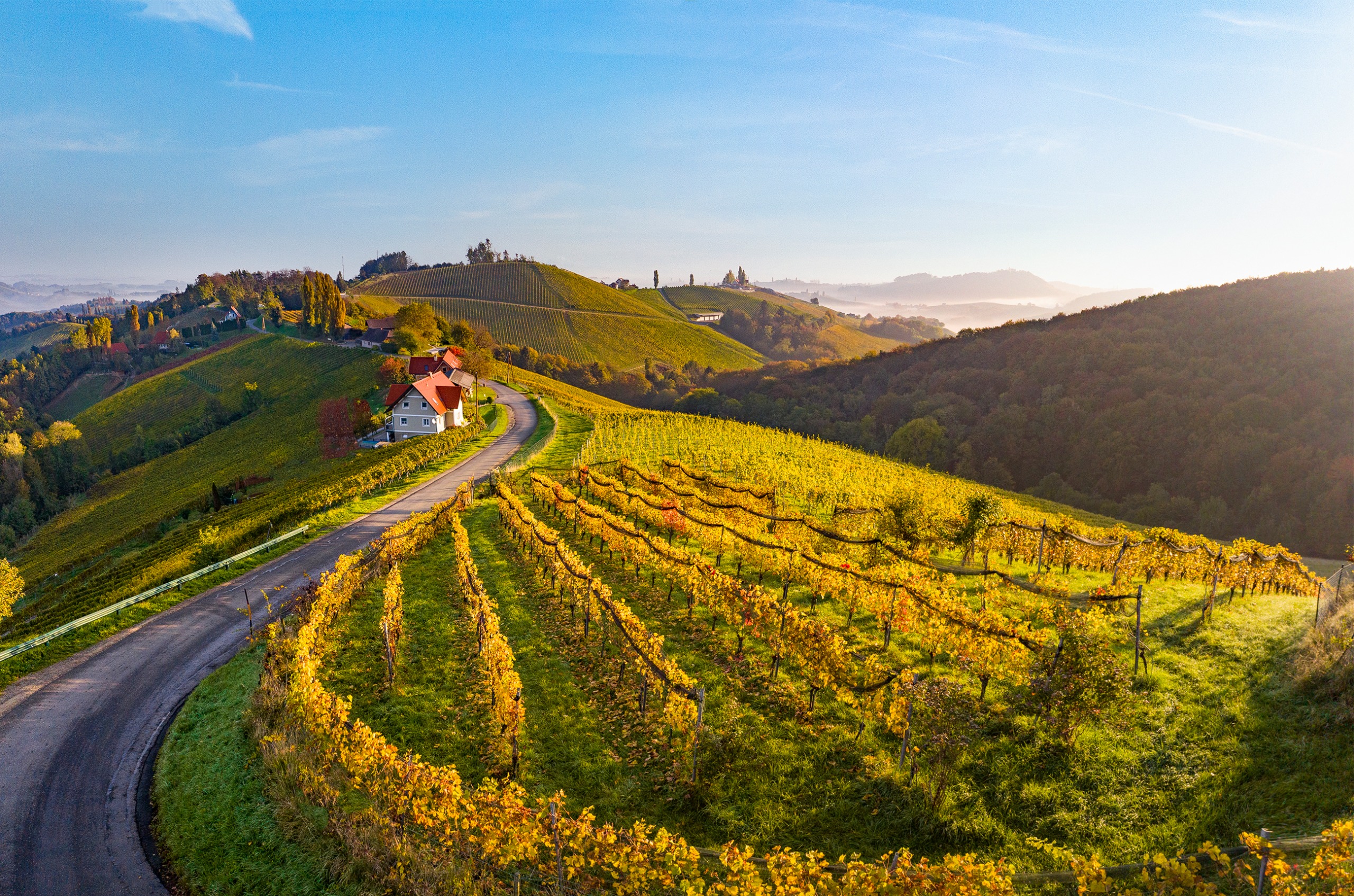 Award-winning wines from Austria
Sponsored Quality and diversity...
-
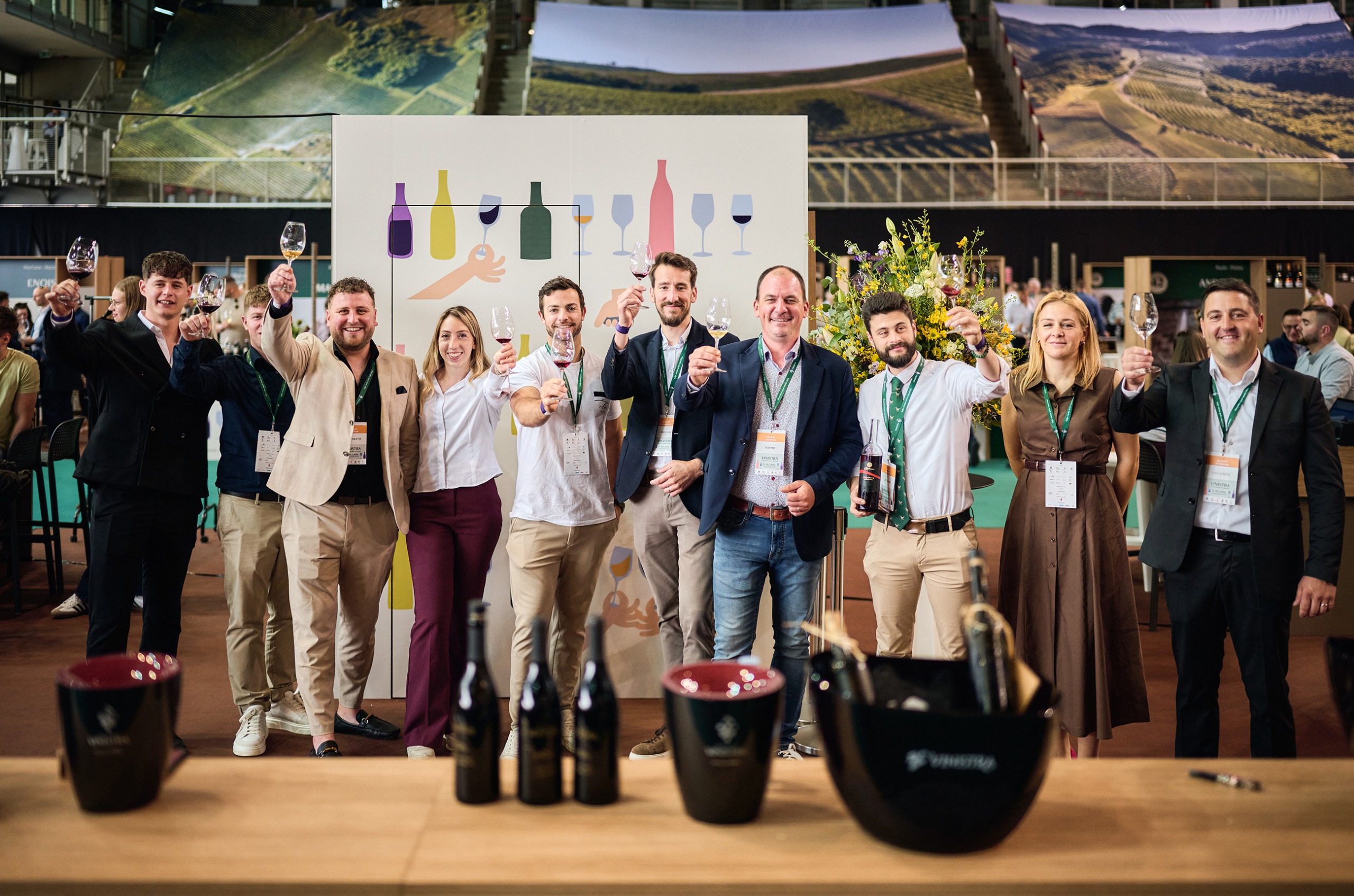 Gen V: The new face of Istria
Sponsored Taking Istria into the future...
-
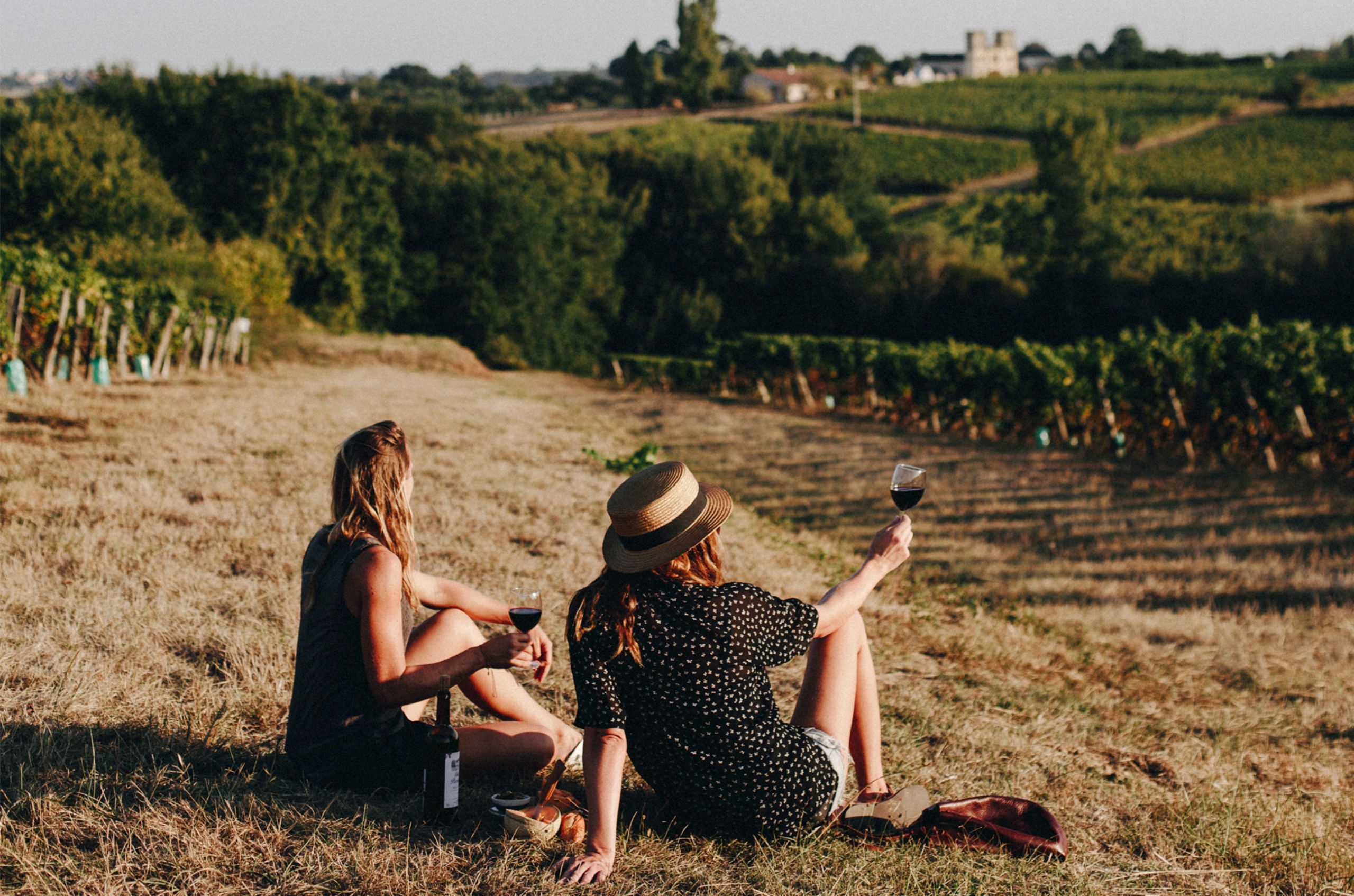 Bordeaux: One region, many voices
Sponsored Bordeaux reds in all shades...
-
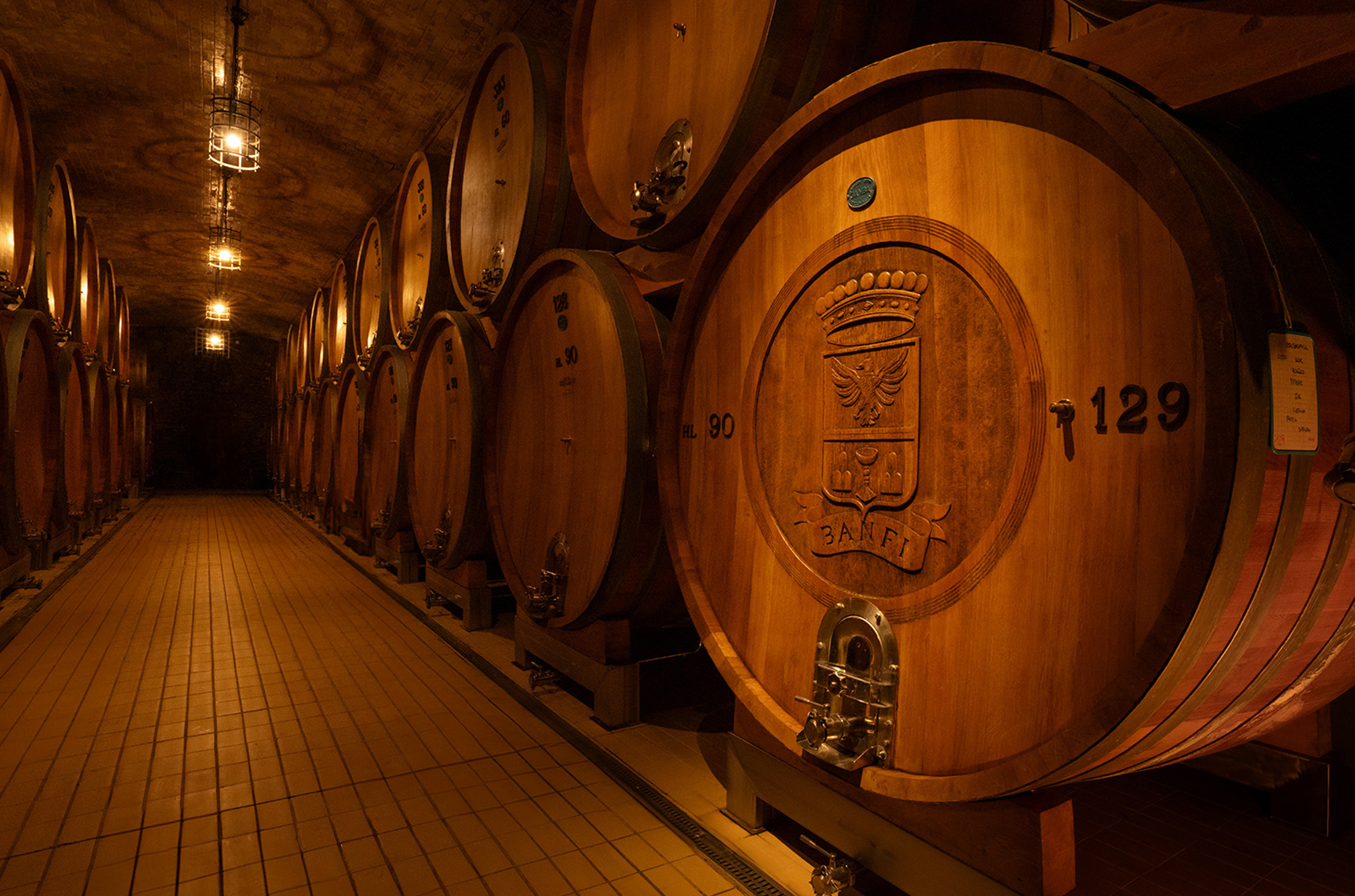 Poggio alle Mura: The Brunello that defines Banfi
Sponsored More than Brunello...
-
 Committed to its craft: Pellegrino’s Sicilian legacy
Sponsored A legacy of quality...


