

Surrounded by its estate-owned organic-certified vineyards, Pago de Tharsys follows a château-like approach when it comes both to its winemaking and sustainability programmes. Based on a profound sense of place indebted to tradition, the team at Pago de Tharsys uses simplicity and pragmatism to manage the estate without artifice and with optimal use of resources. Having been at the forefront of organic farming in the region – and as producers as some of the region’s most recognisable wines bearing an organic stamp – Pago de Tharsys has established itself as a reference of sustainability best-practices without frills or misleading ‘bells and whistles’.
Sense of place
The estate’s original cellar is itself a forward-thinking architectural statement that, although built in 1808, is a perfect example of contemporary ‘passive architecture’ principles. Excavated in the limestone bedrock, it takes advantage of the natural thermal inertia, with ideal temperature and humidity maintained throughout the year.
It also puts the excellence of the local terroir on show – as do the estate’s wines, harnessing the purity of the fruit yielded by the 12-hectare estate vineyards with approachability, elegance and, once again, simplicity.
Having taken over the property in 1991, Ana Suria and Vicente García rebuilt it and expanded its production facilities, mindful of maintaining the landscape undisturbed and remaining true to the peaceful spirit of the place. Guided by simplicity and terroir, they built a quality-driven wine range that quickly placed the estate among Utiel-Requena’s leading producers. These efforts culminated in the attainment of Pago status in 2015.

Experiencing silence
At Pago de Tharsys, the sustainability concerns go well beyond the vineyards and cellar. The use of solar energy across the estate’s facilities and recycling and waste management programs are other ways in which Tharsys implements its approach.
These are also reflected in its hospitality offering. Since 2002, guests can enjoy tours across the vineyards and tastings at the wine bar and terrace, overlooking the vines. There’s also onsite accommodation, for a full immersion in the landscape of Utiel-Requena, surrounded by the silence and calm that characterise Pago de Tharsys and its wines. While visiting and/or staying at the estate, visitors can also go on a self-guided walking tour following the guidance available in English and Spanish on Tharsys’ own app.
The combined commitment to sustainability and quality in the visitor experiences have granted Pago de Tharsys two hospitality-specific certifications: the SICTED Touristic Quality Certification and the ICTE Sustainability in Tourism Certification.

Matriarchal lineage
With the deep and emotional commitment to place that have shaped the identity and evolution of Pago de Tharsys it shouldn’t come as a surprise that social sustainability is also at the core of the company’s ethos. There’s an active effort to use local suppliers and craftsmen, and hire local labour.
These principles are carefully guarded by the all-female leadership team at the helm of the estate – a strong statement in itself in an industry in which men still have the majority of leadership roles.
A quiet revolution started at Pago de Tharsys 33 years ago, showing that things can be done differently, without fuss, simply by taking care of the resources that are already in place.
Two wines that capture the sustainability approach of Pago de Tharsys

Vino Natural Cabernet Franc Sin Sulfitos
100% Cabernet Franc
Part of the natural wine range developed by Pago de Tharsys, this is a singular expression of Cabernet Franc, that fully expresses the nature of the estate’s philosophy and terroir. Planted in 1986, the vines have reached a perfect balance of depth and freshness, which the hands-off winemaking (spontaneous fermentation in stainless steel, followed by three months on the lees in the same vessel, bottled without filtration or clarification and no added SO2) showcases with great purity. Balanced combination of intense, fleshy back fruit (black cherry, blackberry, mulberry) and fragrant Mediterranean herbs (lavender, lemon balm, oregano), with spicy liquorice in the background. Fresh acidity throughout. Organic certified.

Carlota Suria Organic Bobal
100% Bobal
A tribute to the estate’s co-founder Carlota Ana Suria, to the lineage of female leadership she created and to Utiel-Requena’s flagship grape, this is an expressive Bobal hailing from the estate’s oldest, centennial plots. It ages for 12 months in French oak barrels, which adds smoky nuance to the variety’s trademark red fruit. Red cherries, cranberries and red plum mingle with nutmeg, cloves, mocha and toffee. Soft, voluminous tannins. Long finish with lingering spice. Organic certified.
Discover more about Pago de Tharsys
Explore DO Utiel-Requena and its flagship producers


-
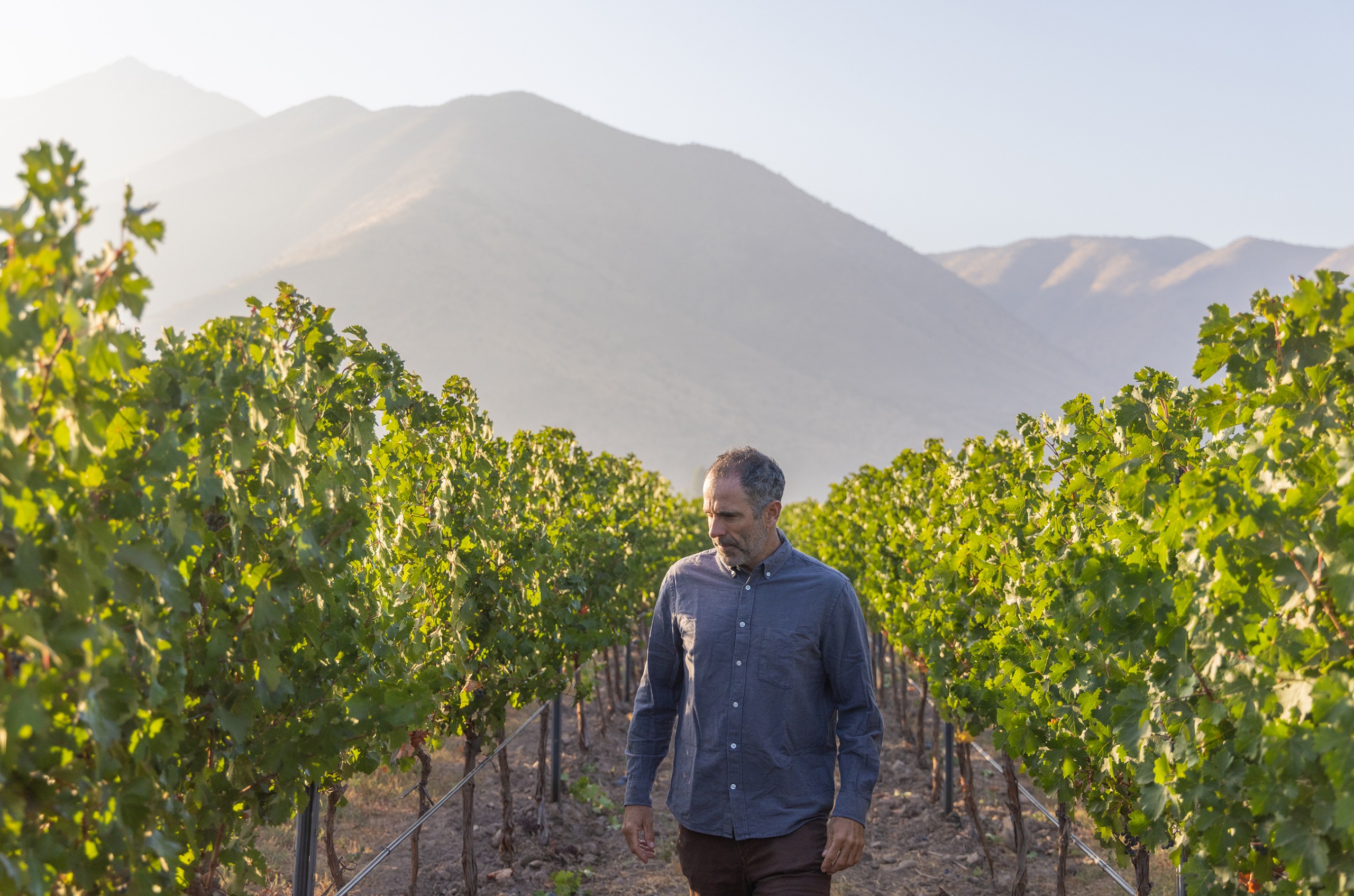 Casa Real 2023: A South American icon
Sponsored A renowned Cabernet Sauvignon...
-
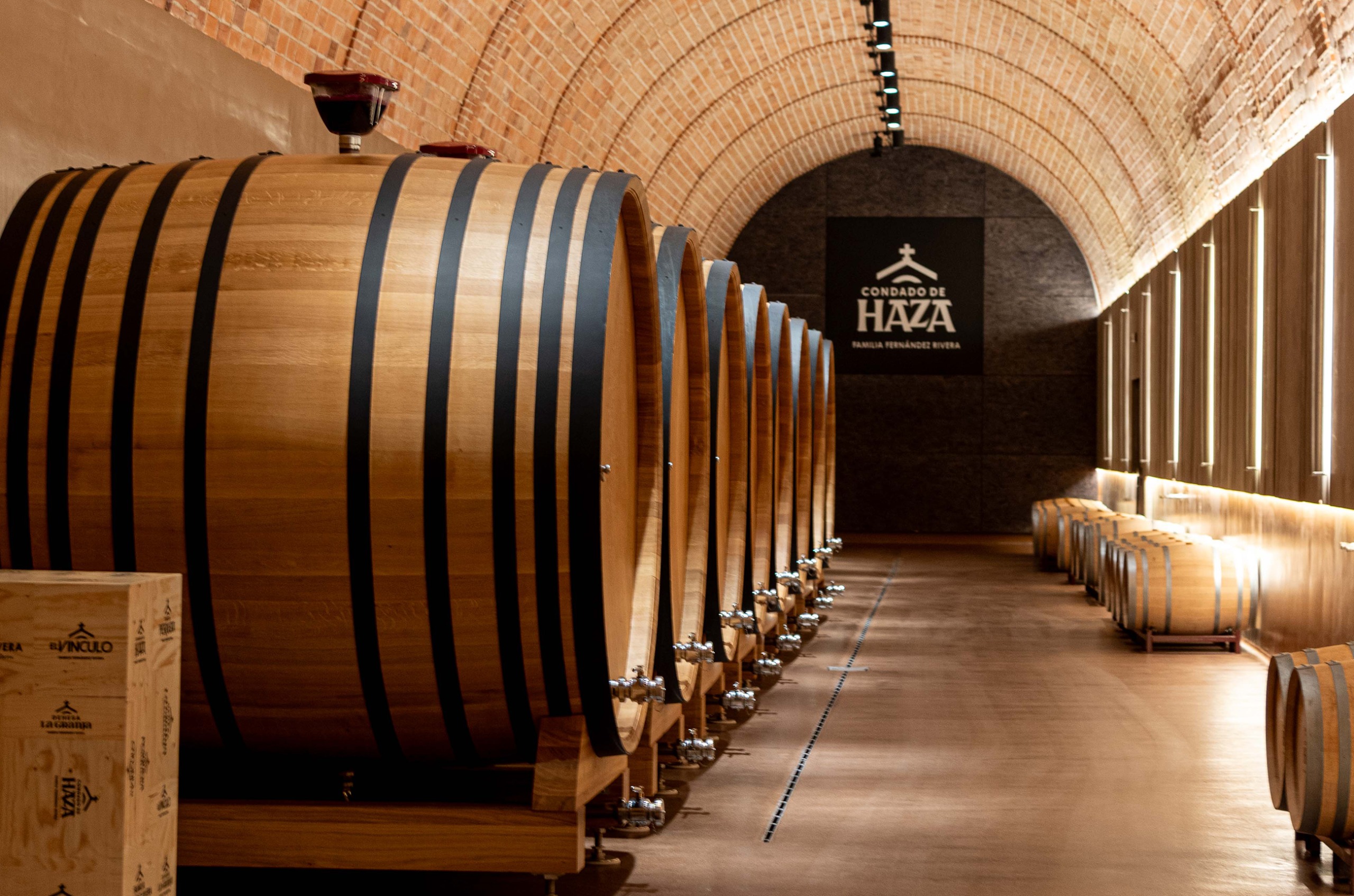 Critical acclaim for Condado de Haza
Sponsored A coveted medal...
-
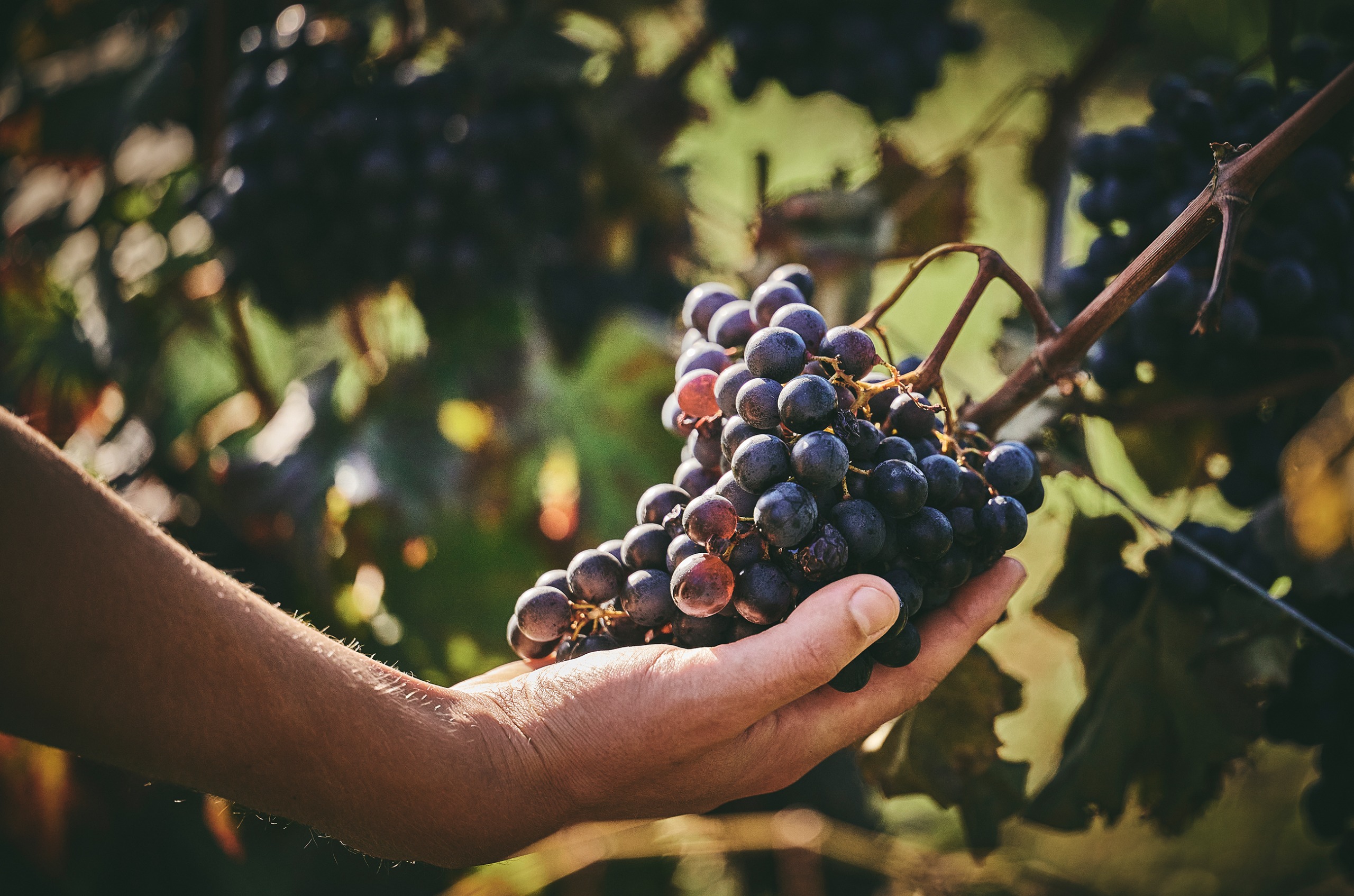 The life and soul of Istrian winemaking
Sponsored The region's flagship grapes...
-
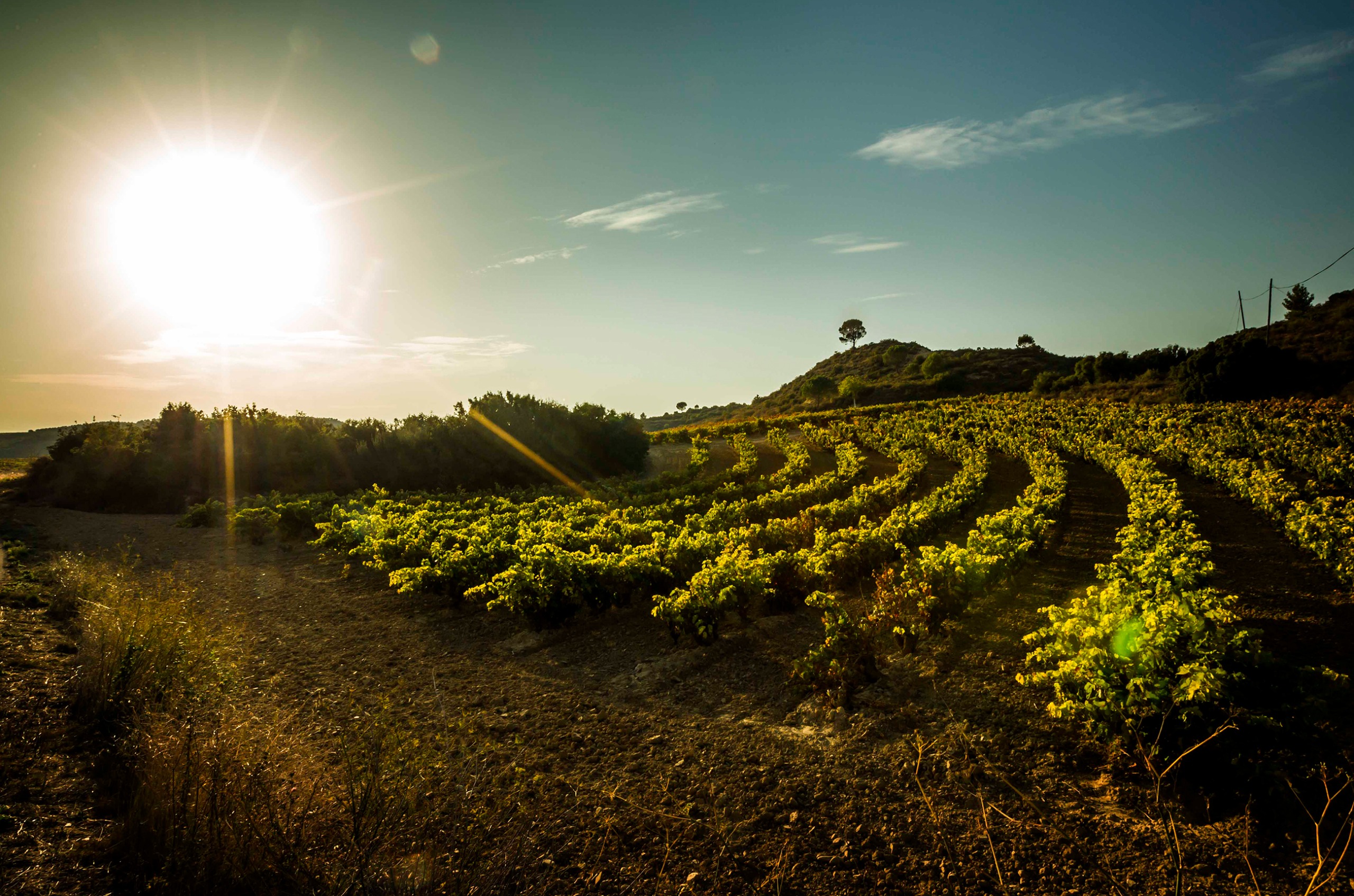 Bringing the spirit of Rioja to the UK
Sponsored Spain's leading wine region...
-
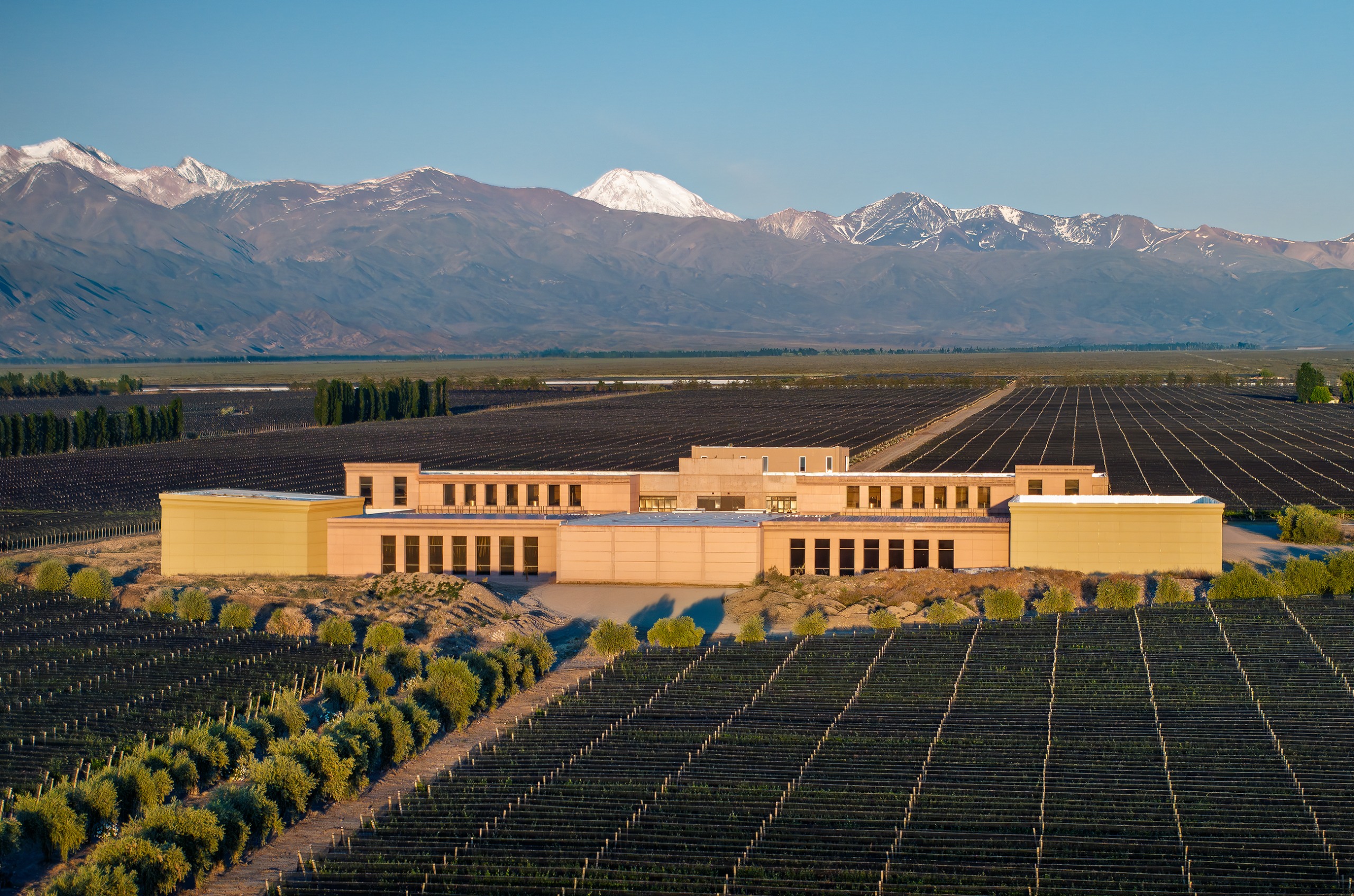 Apartado: Elegant interpretations of the Uco Valley from Rutini Wines
Sponsored The essence of the Uco Valley...
-
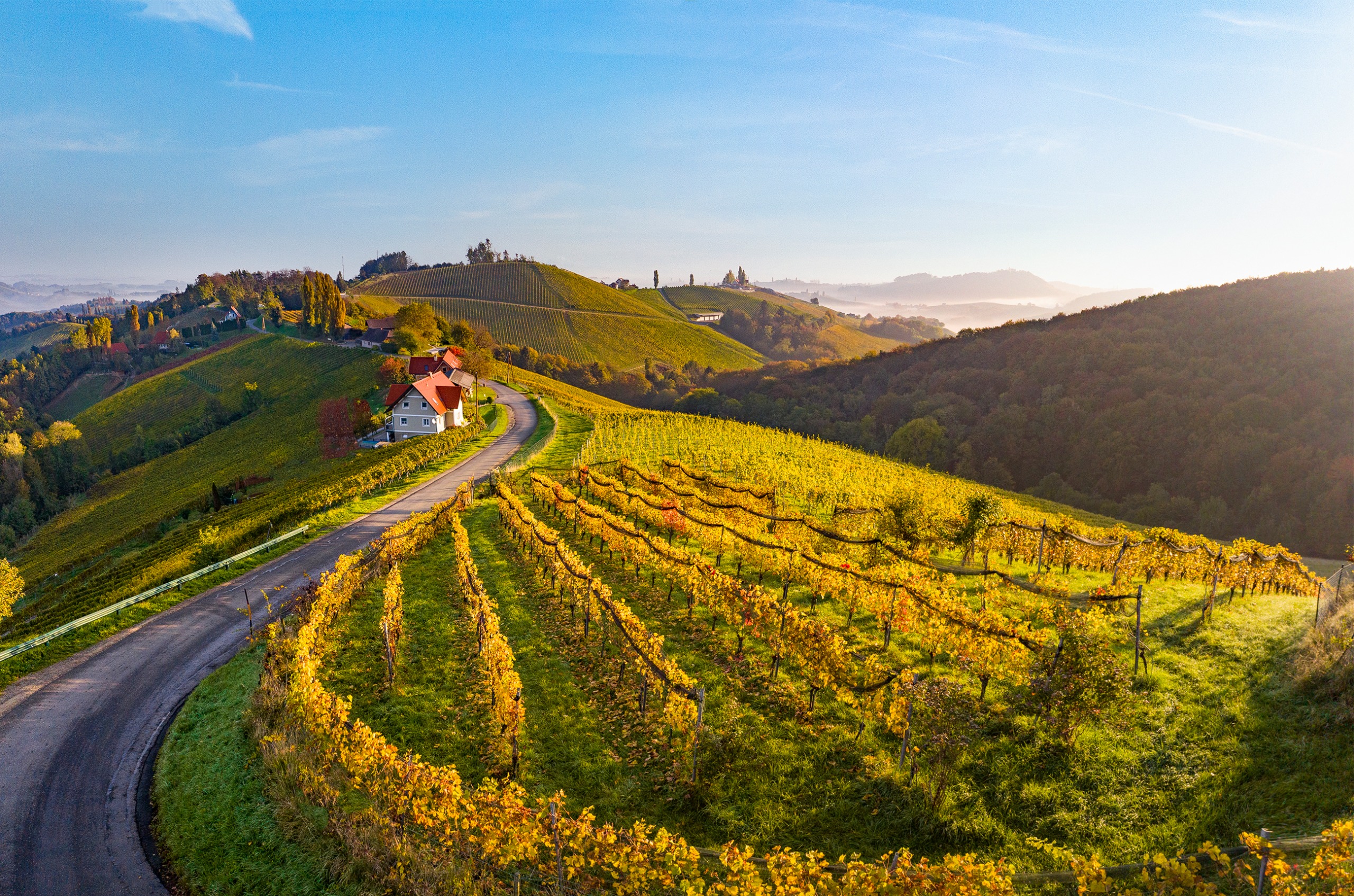 Award-winning wines from Austria
Sponsored Quality and diversity...
-
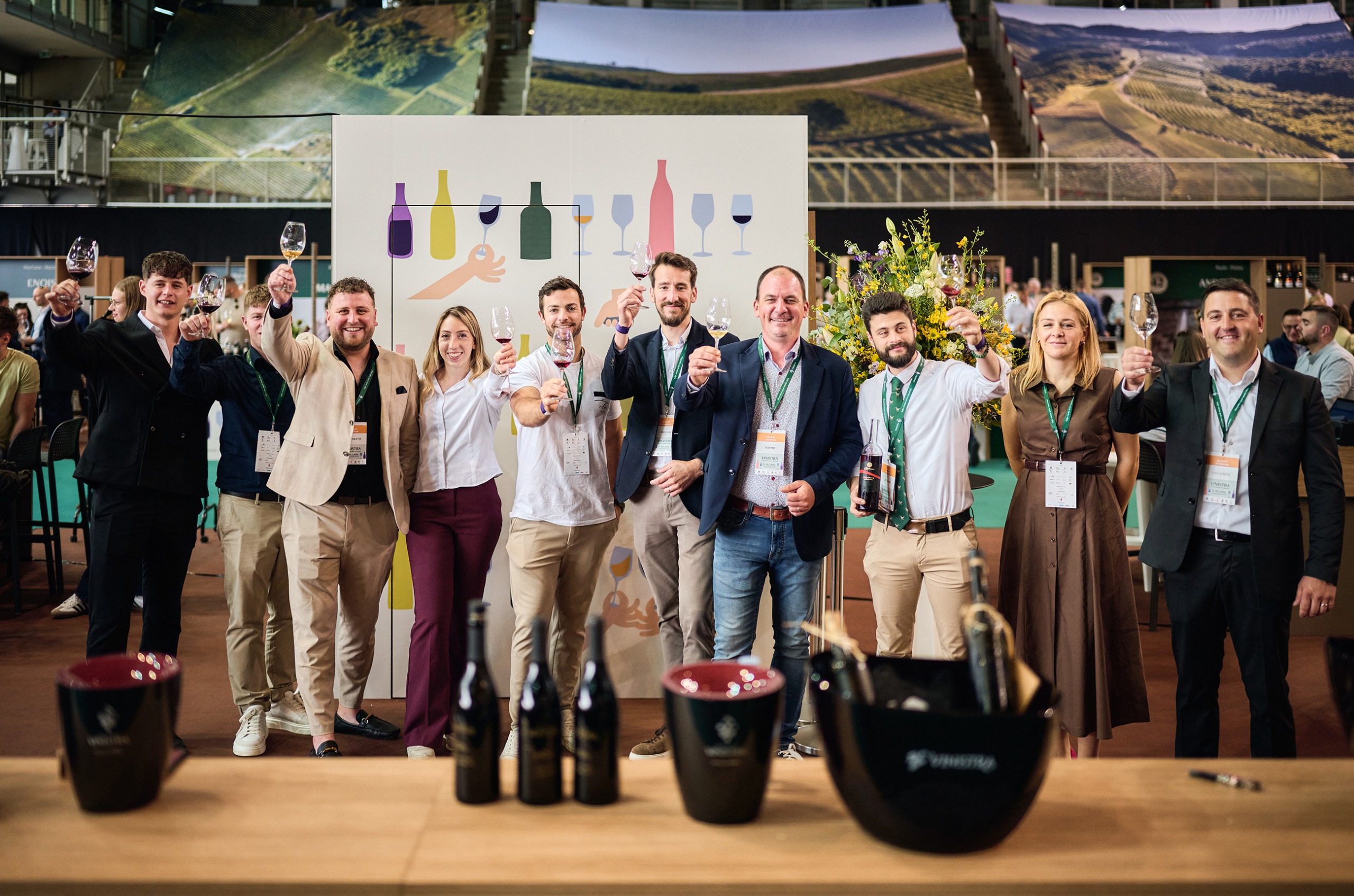 Gen V: The new face of Istria
Sponsored Taking Istria into the future...
-
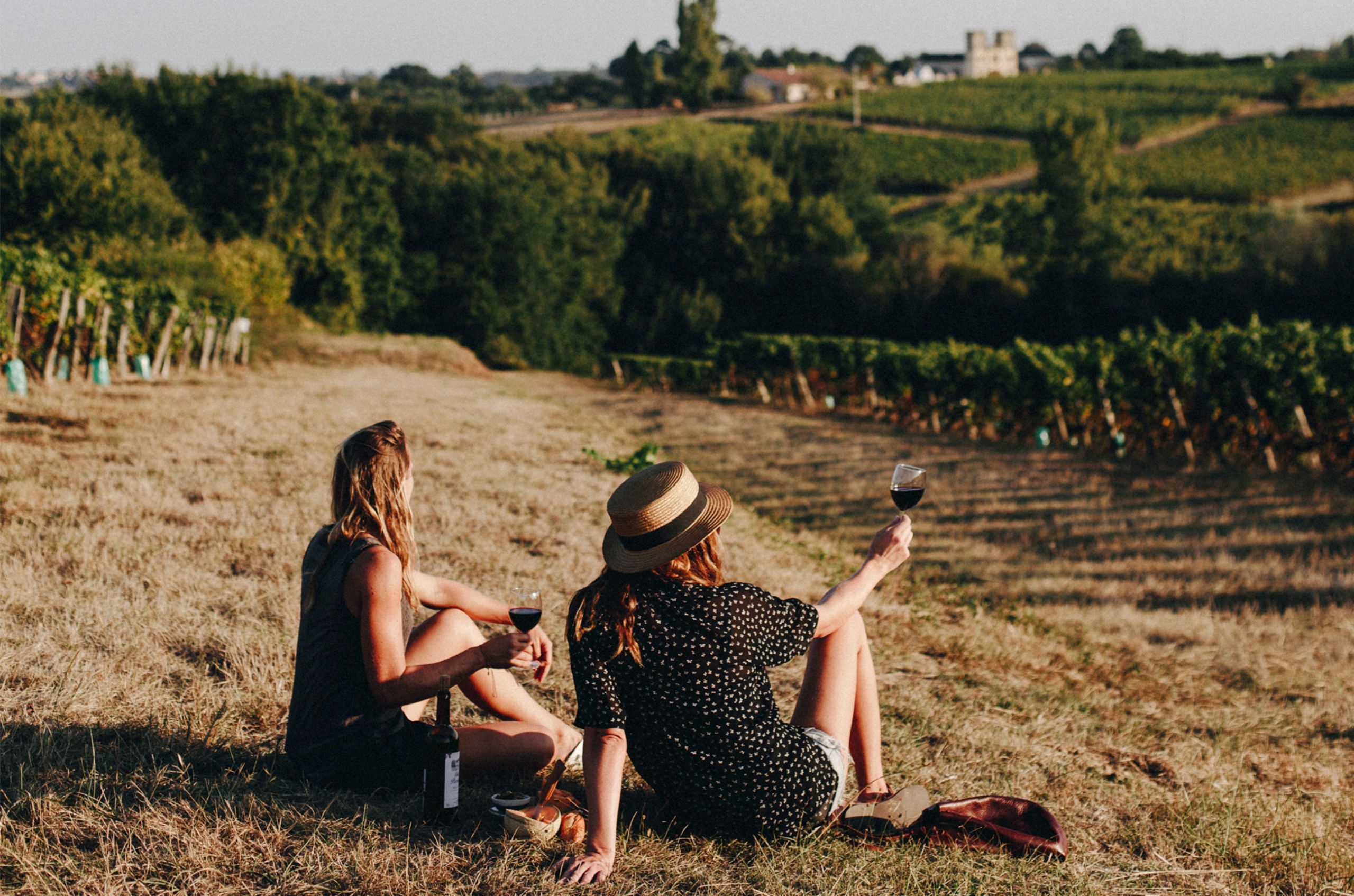 Bordeaux: One region, many voices
Sponsored Bordeaux reds in all shades...


