

If seasonal cuisine, based on local produce, is now an ubiquitous concept among fine-dining chefs and restaurateurs, that is thanks to pioneers like Patrick O’Connell. Often referred to as the ‘Pope of American Cuisine’, O’Connell defined a unique style at the crossroads of classical French canon and Virginia’s farming heritage. Today, his three Michelin-starred restaurant and boutique hotel – The Inn at Little Washington – draws a crowd of guests seeking a singular experience that marries culinary craftsmanship, rural sophistication and whimsical details that add a sense of fun to a premium experience.
Born in Washington D.C. in 1945, Patrick O’Connell followed an unusual and likely path to culinary stardom. Having earned an undergraduate degree in drama from the Catholic University of America and studied at George Washington University, he worked after school at a local restaurant – with passion and grit he taught himself the intricacies of cooking and entrepreneurship. These complementary skills ultimately explain the almost immediate success of The Inn, which opened in 1978 in an abandoned gas station in the small town of Washington, VA (‘Little Washington’) and was quickly proclaimed one of the ‘best restaurants within 150 miles of Washington D.C.’.

At the time, milk was the only fresh, local produce delivered to the settlement of 133 inhabitants. O’Connell has since built a network of local farmers and suppliers that deliver directly to The Inn, supporting local businesses, minimising its carbon footprint and showcasing the local farming tradition. A significant part of the produce and herbs used in the restaurant is now grown by a farmer in residence on a small farm on The Inn’s grounds. These combined efforts have earned the restaurant a Michelin Green Star for sustainability, awarded by the French guide in 2021 and added to the flagship Three Stars it has held since 2017.
Meanwhile, O’Connell has also received numerous personal accolades, including the James Beard Foundation Outstanding American Chef Award (2001) and Lifetime Achievement Award (2019).
Unanimous recognition and steady expansion have been a product of an ongoing effort and commitment. ‘Our philosophy is quite simple but has served us well since The Inn opened: onward and upward!,’ the chef says. ‘Each day we try to do things a little better than we did the day before.’ An ethos that echoes that of Bodegas Remírez de Ganuza.

The Inn’s wine menu currently lists a particularly meaningful selection of vintages of Remírez de Ganuza’s Gran Reserva – 2010, 2005 and 1994 – as it includes the first release of the winery’s flagship red wine. ‘I generally gravitate toward white burgundies but recently discovered Remírez de Ganuza’s wines and found them to be wonderfully balanced and expressive,’ O’Connell explains. ‘We have a few library vintages on our list. It’s important to cellar Old World wines to allow them to evolve and gain complexity. I find they can accentuate the savoury flavours in our dishes. But the wines are so bright and fresh, even with age; there is a synergy that is created with each bite,’ he concludes.
Patrick O’Connell’s perfect pairing
Venison Tenderloin
A new dish, recently added to The Inn’s fall menu. The pepper crusted venison is served over caramelised endive and salsify purée and finished with a lingonberry demi-glace.

Paired with
Remírez de Ganuza Gran Reserva 2010
90% Tempranillo, 8% Graciano, 2% skins of Viura and Malvasía. 14.5% Alc
The fruit hails from selected parcels with an average age of 60 years. The hand-harvested grapes are carefully selected and the upper part of the bunches is separated from the tips – only the former berries are used for this Gran Reserva. Alcoholic fermentation takes place in stainless steel and French oak foudres with 2% of white grape skins added to the red varieties. The wine then ages for 38 months in French oak barrels. O’Connell explains that ‘the red and black fruit in the wine becomes accentuated by the lingonberries while the [wine’s] savoury flavours play perfectly with the tenderloin.’ He further clarifies how the dish interacts with the wood influence: ‘the oak is integrated beautifully into the wine and the vanilla and spice flavours create a perfect union with the salsify purée and the crust of toasted anise, clove, cinnamon and black pepper.’
Discover more about Remírez de Ganuza
Connect onFacebook | Instagram | Twitter


-
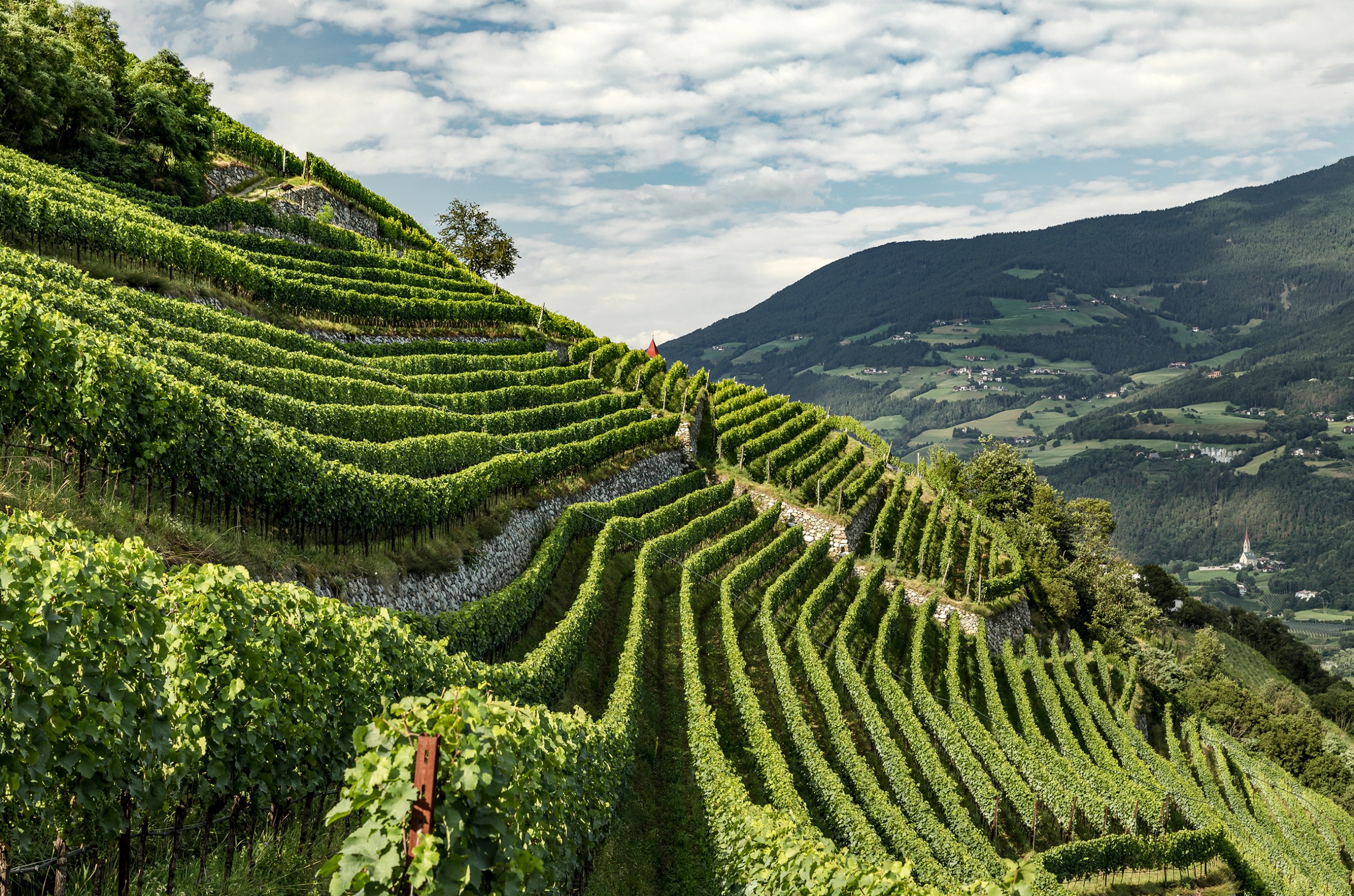 Alto Adige: Where diversity meets quality
Sponsored A hidden gem...
-
 Gualtallary Wines: A Mendoza winery with an international vision
Sponsored Excellence at high altitude...
-
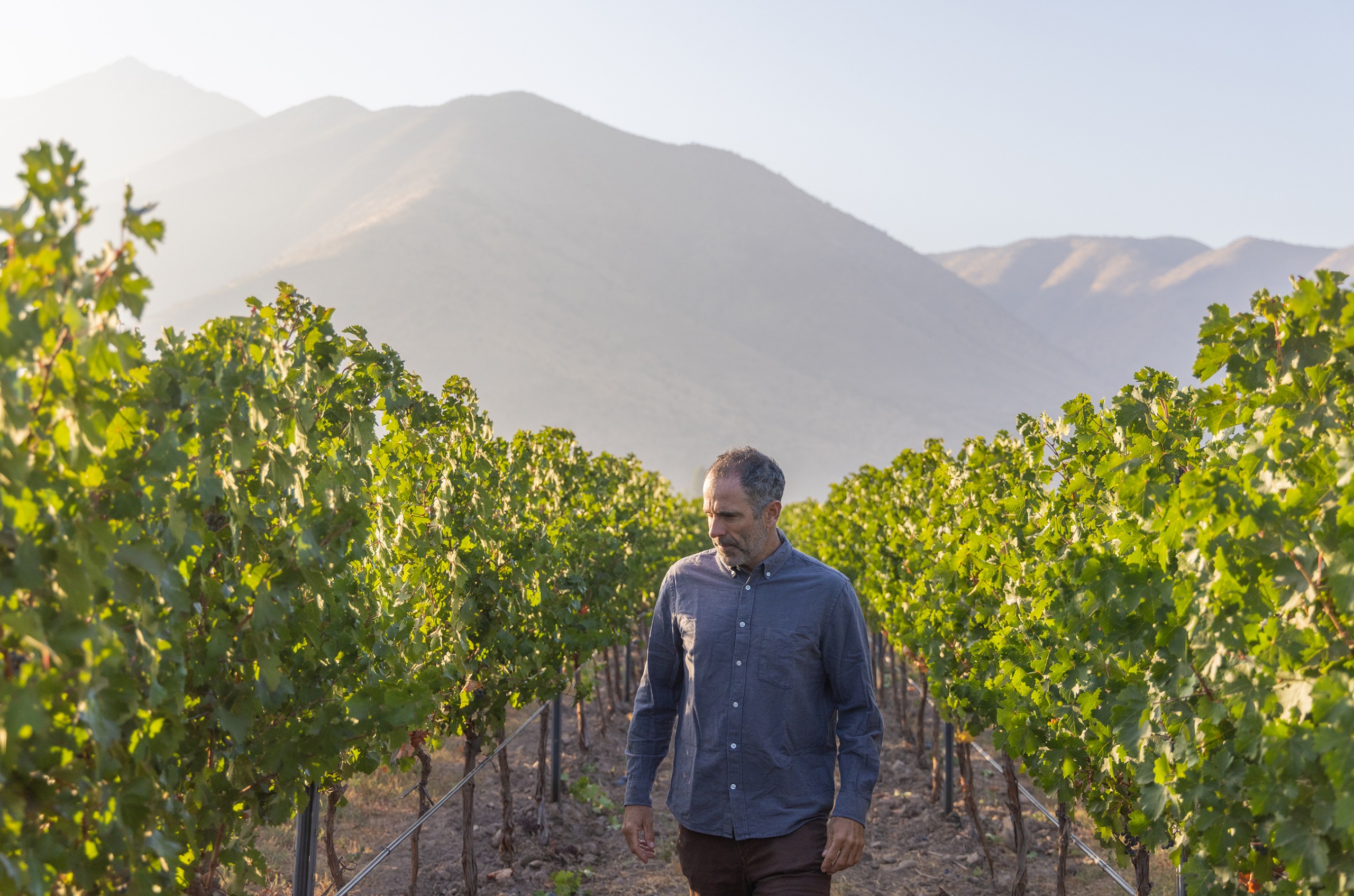 Casa Real 2023: A South American icon
Sponsored A renowned Cabernet Sauvignon...
-
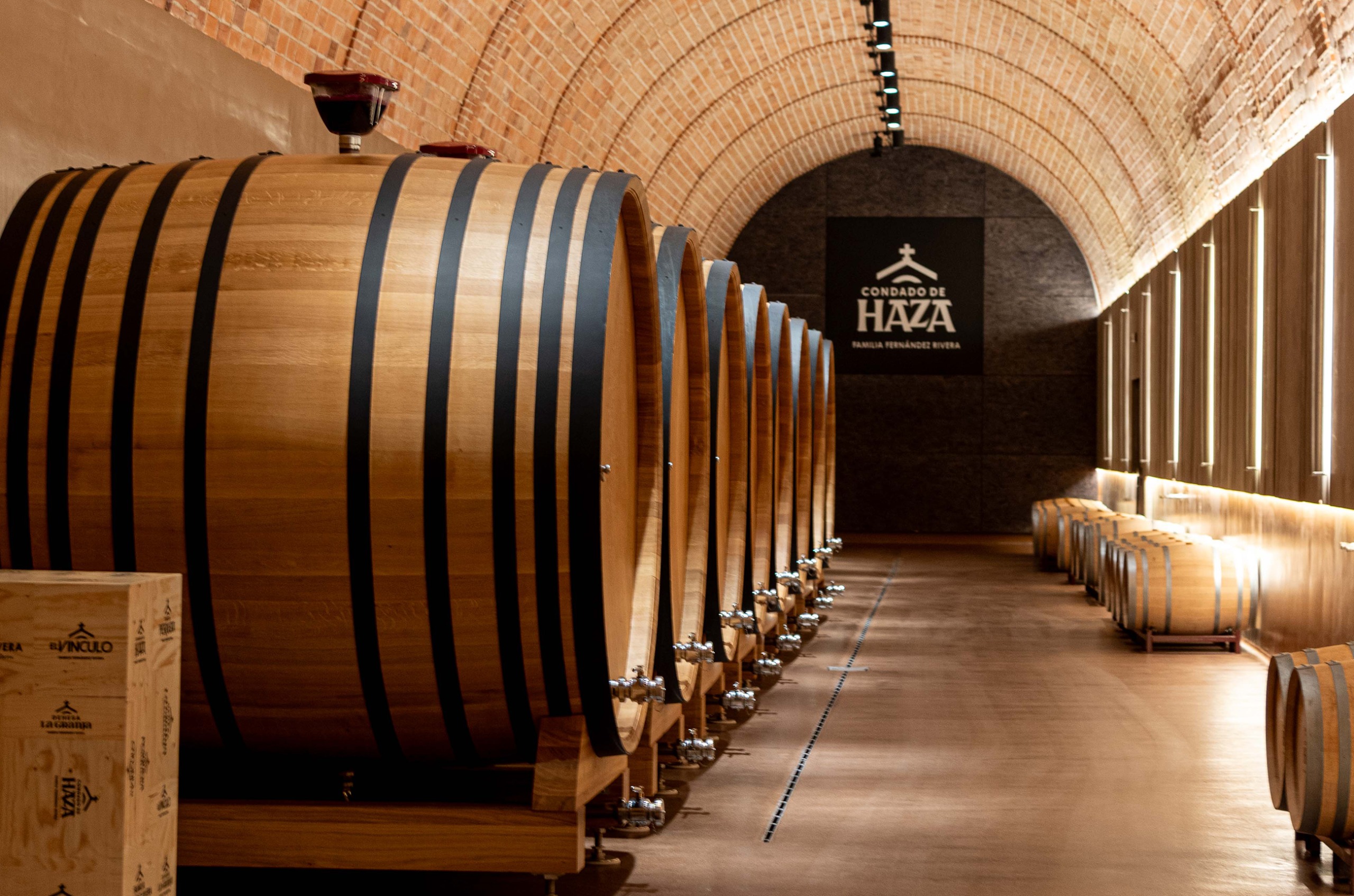 Critical acclaim for Condado de Haza
Sponsored A coveted medal...
-
 The life and soul of Istrian winemaking
Sponsored The region's flagship grapes...
-
 Bringing the spirit of Rioja to the UK
Sponsored Spain's leading wine region...
-
 Apartado: Elegant interpretations of the Uco Valley from Rutini Wines
Sponsored The essence of the Uco Valley...
-
 Award-winning wines from Austria
Sponsored Quality and diversity...


