A bottle of wine can be many different things.
A crafted object, perhaps first and foremost. Fine wines are usually a snapshot of place, too, as well as being an interpretation of a varietal (or blended) ideal. They’re also a drinkable weather report: the summary of a season. But to what extent?
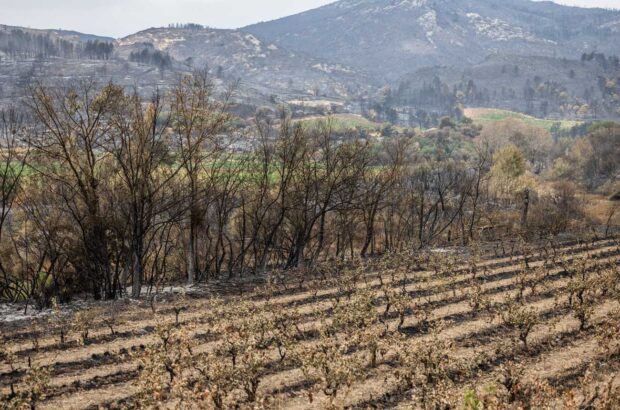
In great vintages, of course, you take what nature has given you, and say a private word of thanks when no one’s looking. What, though, do you do when nature has teased and tortured you? Do you allow the excesses and deficiencies of a season to be apparent in the wine, or do you attempt to remedy nature in some way?
Philipponnat’s decision to release a 2003 Clos des Goisses – a Champagne I would buy regularly if I was a hedge-fund manager – set me thinking.
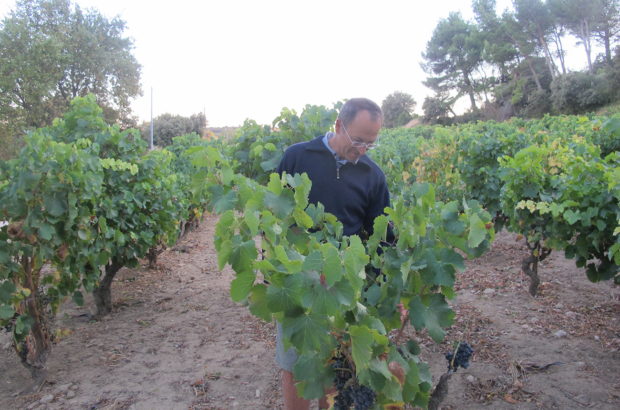
I was in vineyards on the Montagne de Reims in August 2003, and I still remember the perplexity on the faces of all those we met as they confronted the reality of that fierce summer, Champagne raisins included.
Even the freshest grapes had a very different inner constitution to those of a ‘normally’ warm summer, like 2000, 1990 or 1982.
Bollinger released a vintage 2003, but didn’t call it a Grande Année. Instead, it was `2003 by Bollinger’: deliciously mealy wine in an unusually languid style.
One of the things I love about Clos des Goisses is precisely its stylistic oscillations as it tracks the swerves and lunges of each season.
Its 1996 was all bone; its 2000 much fleshier. I’m looking forward to the `03, and what I trust will be a throb of solar force from this steep, south-facing site above the canal at Mareuil.
Both Port and Champagne are moving away from a history of deliberately irregular vintage declarations and starting to give drinkers a peep at most years.
With Vintage Port, this has been via Quinta releases in lesser vintages; in Champagne, it often comes with an increasing emphasis on vineyard origin.
The fine-wine market is, I suspect, ready to embrace vintage differentiation in a way that it hasn’t been in the past. (This is, after all, one of the things which distinguishes it from inexpensive wine brands – where consistency is paramount.)
Some drinkers, indeed, seek out ‘lesser years’ as a refuge from modish ripeness. The underlying assumption, though, must be that the wine will be a truthful account of the vintage.
Don’t strive to correct nature; select from it instead, so as to deliver the most limpid and resonant account of the year that you can. Otherwise … what’s the point?
Written by Andrew Jefford