Pairing wine with fish: What to choose
From fish and chips to grilled sardines, spicy fish curries to a classic sole meunière, discover the right wines to match any fish dish, with 12 great bottles recommended by the Decanter team at all price points.


Fish is a versatile ingredient that can be cooked in different ways – and even enjoyed raw. This means there is an array of grapes and wine styles that will potentially pair with it. So where do you start?
First consider the type of fish you’ll be eating. Both texture and flavour are key here. Fish can broadly be divided into four groups:
- Lean and flaky mild fish – plaice, sole, perch
- Medium-textured fish – trout, seabass, haddock, cod
- Meaty fish – salmon, tuna, monkfish, swordfish
- Strong-flavoured fish – herring, mackerel, sardines, anchovies
Within these groups there are some general guidelines. Delicate white fish fillets need a lighter white wine; think Pinot Grigio/Pinot Gris, Albariño or Grüner Veltiner. Meanwhile meatier fish like tuna can stand up to more robust flavours such as oaked Chardonnay, Viognier or rosé.
But how a fish is cooked – grilling, baking, frying or on the barbecue – will help to narrow down your wine choice. So too will the other ingredients in the dish.
‘When it comes to pairing wine with food and especially fish dishes, considering the cooking technique and the sauce are always very important,’ advises Valentin Mouillard, head sommelier at Simon Rogan’s restaurants.
For example, fish served with a creamy sauce will need a wine with high acidity to cleanse the palate between bites. Spicy fish dishes call for a wine with some sweetness to balance the heat of the spices.
White, flaky fish fillets

Delicate and mild-flavoured fishes, such as plaice, sole and tilapia can be prepared quickly and easily by grilling or baking, and simply served with lemon and herbs. Italian whites are a natural match. As well as the ever-popular Pinot Grigio, look for grapes such as Vermentino, Fiano and Grillo, which makes fresh, lemony wines. Island whites from Sicily and Sardinia sometimes have a fresh salty tang that works well with simply grilled fish too.
Broadly speaking, whites from coastal wine regions are a safe bet with fish. Think Portuguese Vinho Verde, featuring the Alvarinho grape, or its Spanish cousin Albariño from Rías Baixas. Greek Assyrtiko, particularly from the island of Santorini is another great choice.
Wines like Assyrtiko, with high natural acidity, work well with delicate white fish in creamy sauces or cooked in butter. An unoaked Chardonnay, such as Chablis is a reliable choice, so too bone-dry Muscadet from the Loire Valley – which is also one of the classic matches for oysters and other seafood.
Speaking of classic matches, a good, subtly oaked white Burgundy makes a perfect partner with grilled lemon sole or Dover sole meunière (fried in butter with a dusting of flour).
Textured white fish

Ocean dwellers such as cod, halibut, haddock and sea bass can also be categorised as flaky white fish, but with bigger flakes and a more robust texture, they tend to be used in dishes with richer sauces, spices and strong-flavoured herbs.
This means you can opt for a more robust white wine, maybe with some oak or bottle age. Try styles such as aged White Rioja or Loire Valley Chenin Blanc.
Exotic, spicy Alsace whites made from Riesling, Gewurztraminer and Pinot Gris, possibly with a touch of residual sugar, will pair well with Asian-spiced textured white fish dishes. Similarly for spicy fish tacos choose an aromatic Austrian Grüner Veltliner or German Riesling – again with a touch of sweetness to temper the spice. While ceviche, the vibrant South American dish of raw fish marinated in citrus juices, will pair well with Argentinian Torrontés or Chilean Sauvignon Blanc.
Herbs such as dill, tarragon, parsley, chives, marjoram and lemongrass all work particularly well with fish. Herby fish dishes call for wines that complement those flavours with their own vibrant herbal notes. Sauvignon Blanc – either fresh, zesty versions from New Zealand or more restrained herbaceous styles from the Loire Valley – makes a reliable option.
If your cod or haddock is fried in batter – either a light Japanese tempura or the classic fish and chips – look for a fresh, dry white with high acidity to counter the fattiness. Again Alvarinho/Albariño or a crisp Sauvignon Blanc from Chile or New Zealand will work well. But the truly winning combination with fried fish is a dry fizz, as the combination of bubbles and high acidity effortlessly cut through the batter. A blanc de blancs Champagne ticks the box neatly for a decadent choice or try a cheaper French crémant. But you’ll find blanc de blanc fizz from all around the world at a variety of price points.
Meaty and pink fish

When you’re pairing wines with fish that has a more meaty texture – such as swordfish or monkfish – as well as pink-fleshed fishes like tuna and salmon, the range of styles to choose from increases, as rosés and lighter reds will often work better than whites.
For example a chilled New World Pinot Noir would match equally well with seared tuna or seared salmon. Dry rosés pair especially well with all kinds of salmon dishes – and you needn’t stick to still wines. Try sparkling rosé with smoked salmon; the texture of the bubbles makes a brilliant contrast with the soft fattiness of the fish. A fruity rosé Champagne can even stand up to the chargrilled flavours of barbecued salmon.
As always, the golden rule is to think not only about the fish itself, but how it is cooked and what ingredients it’s served with. Grapes and styles including Chardonnay, Sauvignon Blanc, Riesling, Pinot Gris, manzanilla Sherry, Pinot Noir and English sparkling are among the many options for pairing with salmon depending on the dish.
Pairings with tuna dishes are similarly versatile. Juicy reds such as Beaujolais or Chinon, Austrian Zweigelt, Italy’s underrated Cerasuolo di Vittoria, Dolcetto or Valpolicella, will match grilled, seared and barbecued tuna. But tuna ceviche or carpaccio call for crisp citrus whites such as Picpoul de Pinet or cool-climate Chardonnay.
Meaty fishes often feature in more robustly spiced Indian cuisine – with dishes such as tandoor-grilled monkfish – as well as Caribbean and Thai curries. Here the combination of spices and heat of the dish are as important as the texture and flavour of the fish, so focus on wine styles that work with spicy food.
Salmon and tuna sushi
Raw tuna and salmon are of course, also popular ingredients in sushi, with matches including dry mineral whites, Koshu, Pinot Noir, Brunello and Burgundy, depending on the style. ‘When I open a bottle of wine for sushi, I think about how the fish is prepared over anything else,’ says Chris Frayling Cork, sommelier at London restaurant Dinings SW3.
‘For raw fish, such as nigiri with cured fish, a New Zealand Sauvignon Blanc or an Assyrtiko from Santorini complements the salinity and herbal notes. Seared nigiri calls for more intensity and structure in wine – in addition to a delicate Provence rosé, look towards Tavel or rosé from Alto-Adige (Lagrein-based) for added concentration. For red wine lovers, go for a low-tannin Gamay or Valpolicella with rich and fatty sushi using tuna or salmon belly.’
Fish with strong flavours

Oily fish such as mackerel, herrings and sardines carry intense flavours of the sea and need a crisp, bracing wine to match. There are plenty of white (Portugal’s Vinho Verde), rosé (Provence) and red (Gamay-based wines that can be served chilled for extra bite) options.
Strongly flavoured fish is often simply cooked – after all, it doesn’t need much help to enhance its taste – on the grill or barbecue and served just with a squeeze of lemon or herbs. Try barbecue sardines with minerally Albariño, citrus Picpoul de Pinet or Sauvignon Blanc.
Fresh tapas-style Mediterranean anchovies are a delight with Iberian whites: Alvarinho, Albariño, Verdejo, Txakoli and salty fino or manzanilla Sherry. Cured anchovies, often used as a pizza topping or with tomato-based pasta sauces like punchy puttanesca, call for a light, juicy red. Italy’s Bardolino and Valpolicella are a good call, as are Spanish reds made from the Mencía grape.
Wines to pair with fish
Recommended by the Decanter team.
Related articles
Wine with salmon: Ideas for great pairings
Tempura and wine: Pairing advice
Sherry and tapas: A pairing guide
Charles Heidsieck, Blanc des Millénaires Blanc de Blancs Brut, Champagne, France, 2014
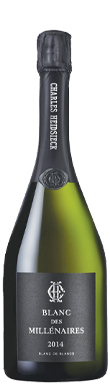

A delicate, bright and serene edition of one of Champagne’s top, if lesser-known, prestige blanc de blancs, emphasising purity over creamy richness. Plenty of ripe aromatics, with fragrant apricot, mandarin, some fresh mango playing with hazelnut and coffee macaron complexity. There’s a calm insistence to the palate, closer to the 2004 than the tension and drama of 2007 or the generosity of 2006. Seems set to be one of the vintage’s top performers.
2014
Charles Heidsieck

Marks & Spencer, Classics no12, Crémant de Bourgogne, Burgundy, France
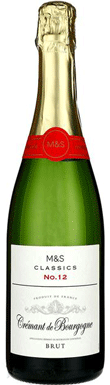
<p>Always a great-value sparkling, made the same way as Champagne and left on its lees for 18 months for toasty, yeasty complexity. The 2024 release uses 2021 base wine from vines averaging 20 years, it's 43% Pinot Noir and 24% Aligote, supported by Gamay and Chardonnay. Crisp acidity, ripe red apple juiciness and a tart redcurrant finish.</p>
Marks & SpencerCrémant de Bourgogne
Hiruzta, Hondarrabi Zuri, Txakolí, de Getaria, Basque Country, Spain, 2022
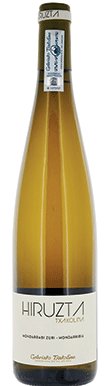
Hiruzta is a family-owned and -run Txakoli producer that began its life in 2007 when Asensio Rekalde and his two sons planted a 17ha, southfacing vineyard in the foothills of Jaizkibel mountain. A winery followed in 2012. The family sells its wines in 20 countries, with this unoaked varietal the heart of a range that includes a red, a rosé and a sparkling. David Williams: Super-bright, racy, fluent and tangy: so much energy and drive, just a hint of CO2 prickle, ripe red apple and saline finish. Matthew Forster MW: Excellent concentration of ripe Conference pear fruit, balanced with invigorating acidity. Very complete. Ines Salpico: Lovely florality with a subtle flinty edge. Fleshy with a lifted tang of lemonade, clementine, yellow apple and juicy melon. Acidity balanced by a mineral edge and juicy fruit.
2022
HiruztaTxakolí
Quinta do Ameal, Solo Unico, Lima, Vinho Verde, Portugal, 2021
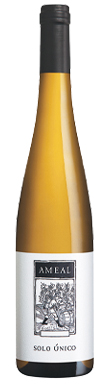
An elegant and focused Loureiro, with a filigree mineral framework holding its classical linden leaf, bay and oregano aromas over a core of peach, pear and quince. Solo Unico ('unique soil') hails from a single granitic plot on the Ameal estate. Fermented 60% in concrete vats and 40% eggs, and aged on fine lees for eight months. Founded in 1710 and acquired by Esporāo in 2019, Quinta do Ameal continues to strengthen its solid winemaking programme, focused on Loureiro, to which all its 14ha are planted.
2021
Quinta do Ameal
Glover Family Vineyards, Bob Short for Kate Organic Sauvignon Blanc, Wairau Valley, Marlborough, New Zealand, 2022
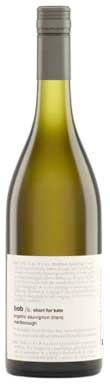
Green lime zestiness is immediately apparent in this stainless steel fermented, taut and fresh wine. Creaminess and freshly cut hay add more aroma while the palate brings zesty citrus, white peach and a fruit load of passion fruit, with the merest overtone of jalapeño peppers. Vivid, light and so bright. The fruit was grown in the Brink Vineyard, Marlborough's oldest organic Sauvignon Blanc site planted in 1992, with just 3% Semillon in the blend that adds a lovely textural element to this bright and refreshing wine.
2022
Glover Family VineyardsWairau Valley
Morrisons, The Best Chablis, Chablis, Chablis, Burgundy, France, 2021
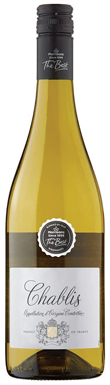
Smokey, savoury nectarine and creamy citrus on the nose. More creamy salinity and lemon zest on the concentrated palate, with a textured mouthfeel and ample but rounded acidity (5.9g/l) due to malolactic fermentation. Ripe peach and melon depth lingers on the salivating finish. Fermented and aged in stainless steel tanks, the 2021 vintage is produced by Union des Viticulteurs de Chablis for Morrisons.
2021
MorrisonsChablis
Castello Banfi, Badalei Vermentino, Toscana, Tuscany, Italy, 2023
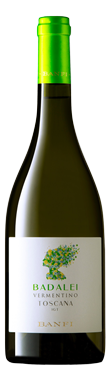
Best known for its reds, Castello Banfi is the famous Tuscan name behind this new listing for Majestic. It's a Vermentino, full and fruity in style, with a purity of lemon balm citrus, plus some leafy, more herbal notes. Tangy, fresh and juicy, and a great choice for those who are looking for a white that is unoaked but with lots of character. Mix-six price: £13.99.
2023
Castello BanfiToscana
Christoph Bauer, Grüner Veltliner, Weinviertel, Austria, 2022
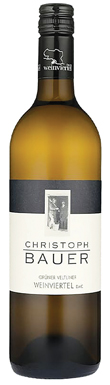
A tasty organic wine that showcases all the hallmark qualities of the variety: juicy ripe pear, spiced apple crumble and crunchier herbal hedgerow notes, all carried on a lipsmackingly fresh palate. Try with houmous and tabbouleh-filled pittas.
2022
Christoph Bauer
Sainsbury's, Taste the Difference Muscadet Sèvre et Maine, Loire, France, 2023
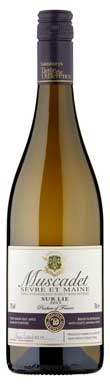
This great value Muscadet is made for Sainsbury's by top producers Famille Lieubeau. With a fresh citrus and mineral profile, the palate is rounded out by a gentle creaminess thanks to six months on lees. Green apple and freshly sliced lemon notes allied with brisk acidity make for a crisp finish – perfect with seafood.
2023
Sainsbury's
Château de Berne, La Grande Cuvée, Côtes de Provence, Provence, France, 2022
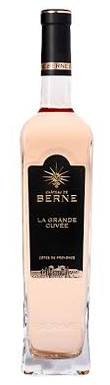
Aromas of creamy red fruit and delicate, pretty white florals. Soft, silky ripe cherries on the palate with a hint of almond kernel phenolics and crunchy redcurrant acidity. The oak shines a little bit more as this opens up, giving the wine a serious, smoky umami finish that compliments the delicacy and prettiness of the fruit. A classic blend of Cinsault and Grenache from a cool limestone plateau, where winemaker Alexis Cornu makes wines with extra freshness. Younger versions of this are still a little gawky, but age is pulling the different elements together to create a more interesting wine.
2022
Château de BerneCôtes de Provence
Château La Rabotine, Sancerre, Loire, France, 2021
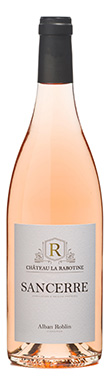
Reflecting the elegance of Pinot Noir from a cool, fresh region, this pale pink rosé is full of fruit. Round, ripe redcurrants, sour cherries and perfumed peaches all leading to a silky creaminess on the mid-palate. Vibrant leafy acidity is long and mouthwatering. Slightly leafy hardness on the finish.
2021
Château La RabotineSancerre
Alma de Cattleya, Pinot Noir, Sonoma County, California, USA, 2021
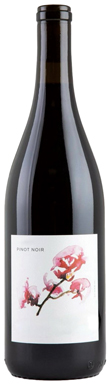
Textbook Sonoma Pinot Noir, with iodine, sea breeze freshness lining the fleshy fruit core of wild strawberry, red plum and cranberry. Polished and smooth, with round edges and lifting floral nuances (violets, jasmine and crushed rose petals). Best enjoyed slightly chilled to bring the beautiful, chiselled tannins to the fore. Succulent and subtly spicy finish.
2021
Alma de CattleyaSonoma County
