

The wines of Asolo and Montello span three key denominations (two DOCGs and one DOC) and have long been on Italian wine specialists’ radar. With only small volumes produced each vintage, they were well-kept secrets – but no longer. The growth of the denominations over the last decade has preserved Montello’s pioneering tradition of producing Bordeaux-style red blends, while Asolo Prosecco Superiore DOCG has emerged to claim a star place in the vast constellation of Italy’s world-famous sparkling wine.
Three elements combine to give Asolo Prosecco DOCG the identity that sets it apart from the broader world of Prosecco. The first is its specific sense of place: this small vineyard area is renowned for high-quality wine production. The second, of course, is the distinctive character of the wines themselves. The last is less tangible, but no less important: the wine’s connections with Asolo’s rich cultural heritage.

A precious terroir
The Asolo Prosecco DOCG area lies west of the river Piave, which separates it from the hills of Valdobbiadene-Conegliano. The 2,270ha under vine in the Asolo Prosecco DOCG span around 35km east to west and include two geologically distinct growing environments. To the east, the hump- backed hill of Montello rises from the plain to provide gentle, south-facing slopes for viticulture. To the west, a long line of hills with numerous peaks, steep slopes and deep valleys form the Colli Asolani, which give their name to the wine.
This is a land of low-intensity viticulture and great biodiversity: vines account for only 7% of the 43,000ha that falls under the PDOs of the Asolo Montello Consorzio. The rest is occupied by natural woodland and mixed agriculture. The area has a temperate, sub-alpine climate: Monte Grappa acts as a barrier, protecting the area from cold northerly winds. Combined with the warmer air that blows in from the south across the Veneto plain, this provides ideal conditions not only for vines but also for olives.

Unmistakable character
The structure and intensity of Asolo Prosecco DOCG wines suits the purity of expression of drier styles. Asolo was the first Prosecco denomination to produce the ultra-dry Extra Brut style; superb with food, this has become one of Asolo Prosecco DOCG’s signature expressions.
The calcareous marl of the Colli Asolani is thought to give the wines their distinctive saline, mineral quality and highlights the signature aromas of spring blossom, apple, pear and citrus zest. Wines from the red ferrous soils of Montello, by contrast, often have a firmer, more vertical, mineral character.
Although the current focus in Montello is on Prosecco styles, it also has a long history of red wine production. Today, the Montello DOCG offers elegant, ageworthy Bordeaux blends, while the Montello Asolo DOC produces both red and white still wines from international and local grapes, including the intriguing, recently rediscovered local variety Recantina.

Poets, writers and winemakers
Asolo’s winding, cobbled streets and its panoramic views of the countryside led the poet Carducci to call it ‘the town of a hundred horizons’. The hilltop town’s dreamy serenity has enchanted writers and artists for centuries. The English poet Robert Browning composed some of his most important works in Asolo; the pioneering explorer Freya Stark made her home here, as did the famed turn-of-the-century actress Eleonora Duse. Wandering around the streets on a sunny spring afternoon, it is easy to understand what attracted them to this inspiring place.
The growth of Asolo Prosecco DOCG production – from barely three million bottles in 2014 to 32.4 million in 2024 – is one of the great success stories of Italian wine of recent years, and makes it the fourth-largest producer of sparkling wines in the country.
This success is built on the solid foundations of the Asolo Montello producers’ consortium, which, between growers, bottlers and small- and medium- scale independent estates, counts 475 members. Celebrating its 40th anniversary this year, the consortium looks ahead to a rosy future for its denominations – as it continues to spread the word about these elegant, characterful wines, and the magnificent landscape that produces them.

Discover more about the Consorzio Vini Asolo Montello
Connect on Facebook | Instagram


-
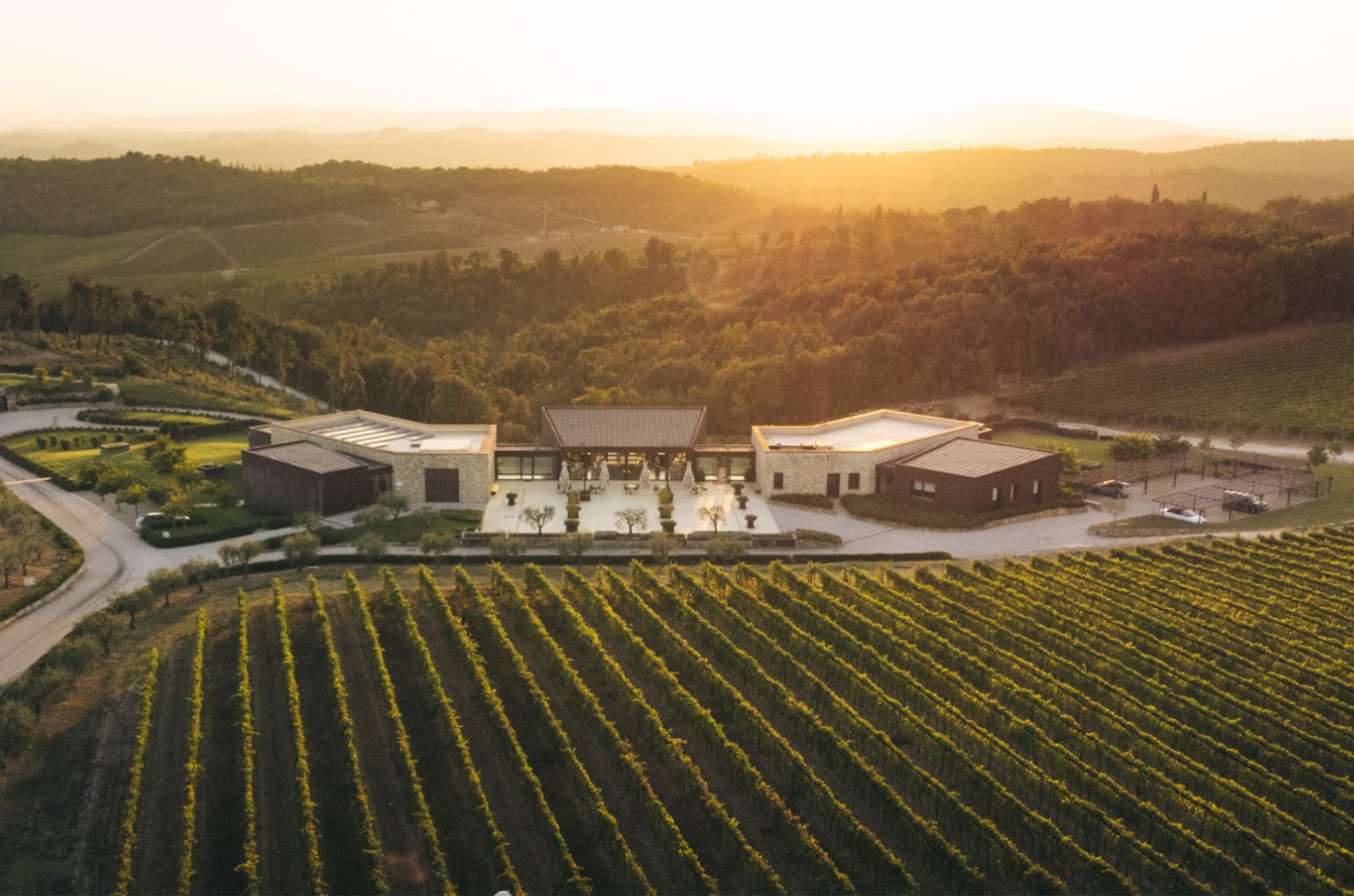 Vallepicciola: Tourism and winemaking in the Chianti hills
Sponsored Winemaking and luxury hospitality...
-
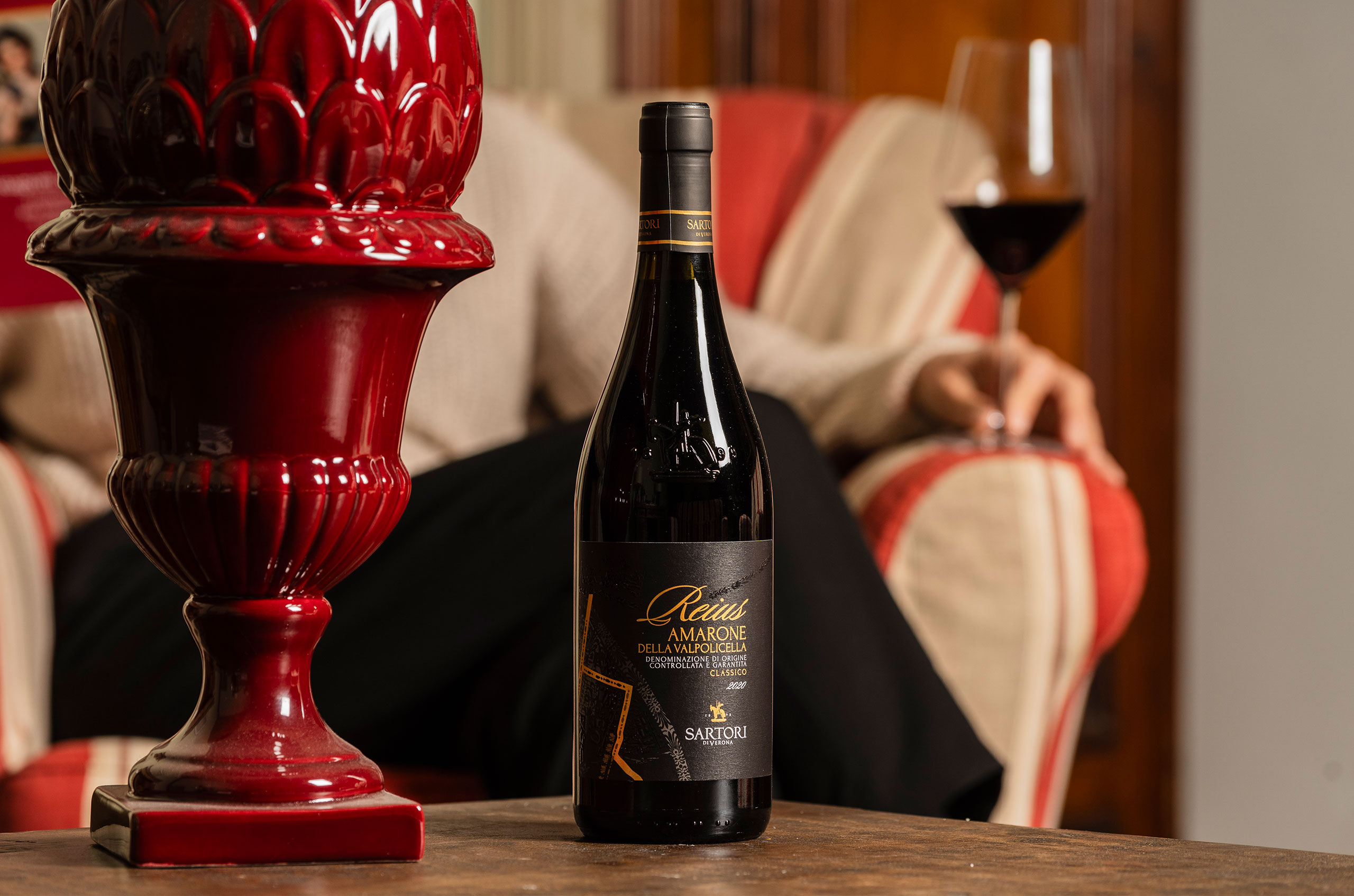 A standout voice in Valpolicella
Sponsored A key name for Valpolicella and Amarone...
-
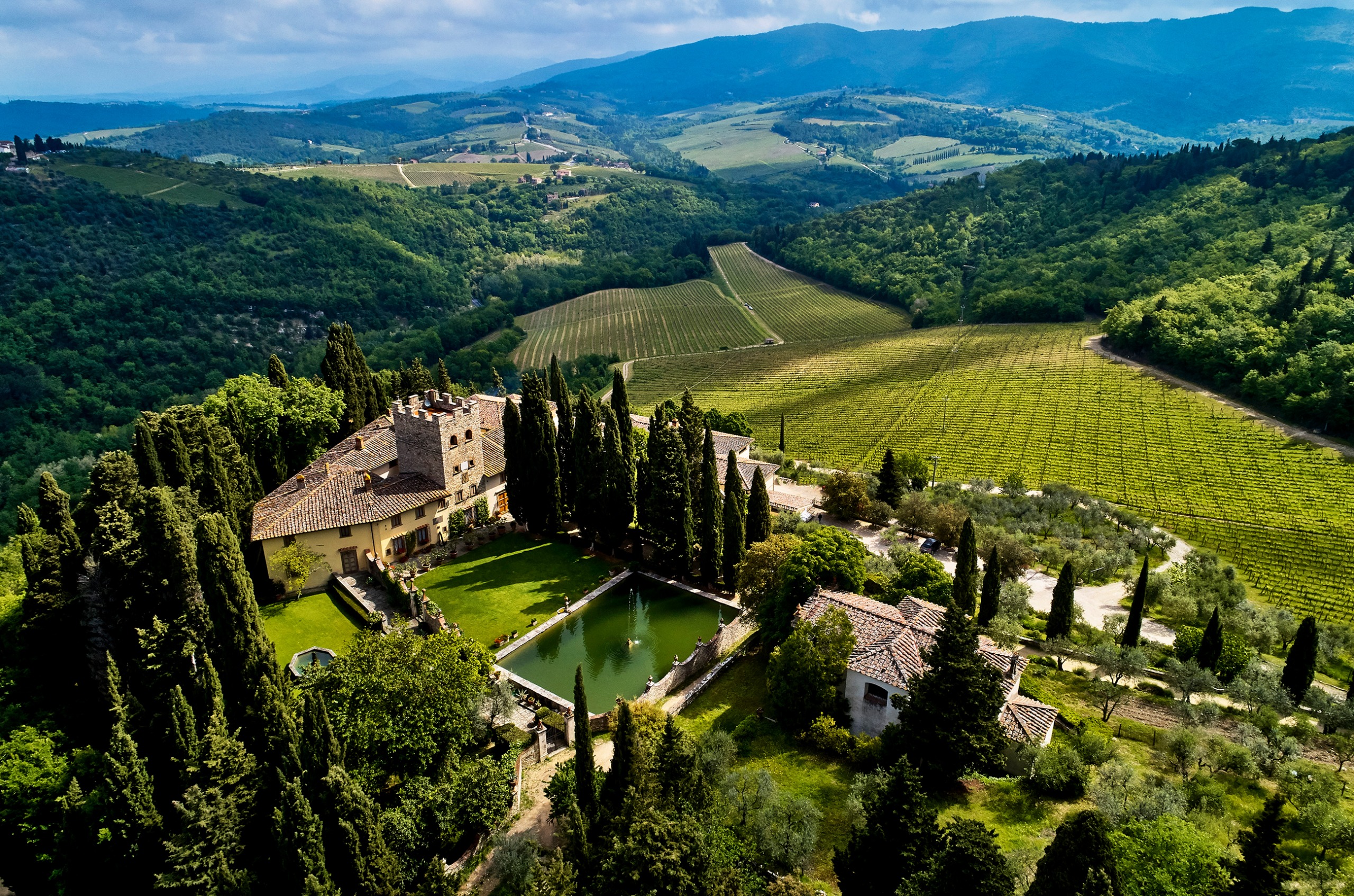 Discover the world of Castello di Verrazzano
Sponsored An ancient castle set amid sprawling vineyards...
-
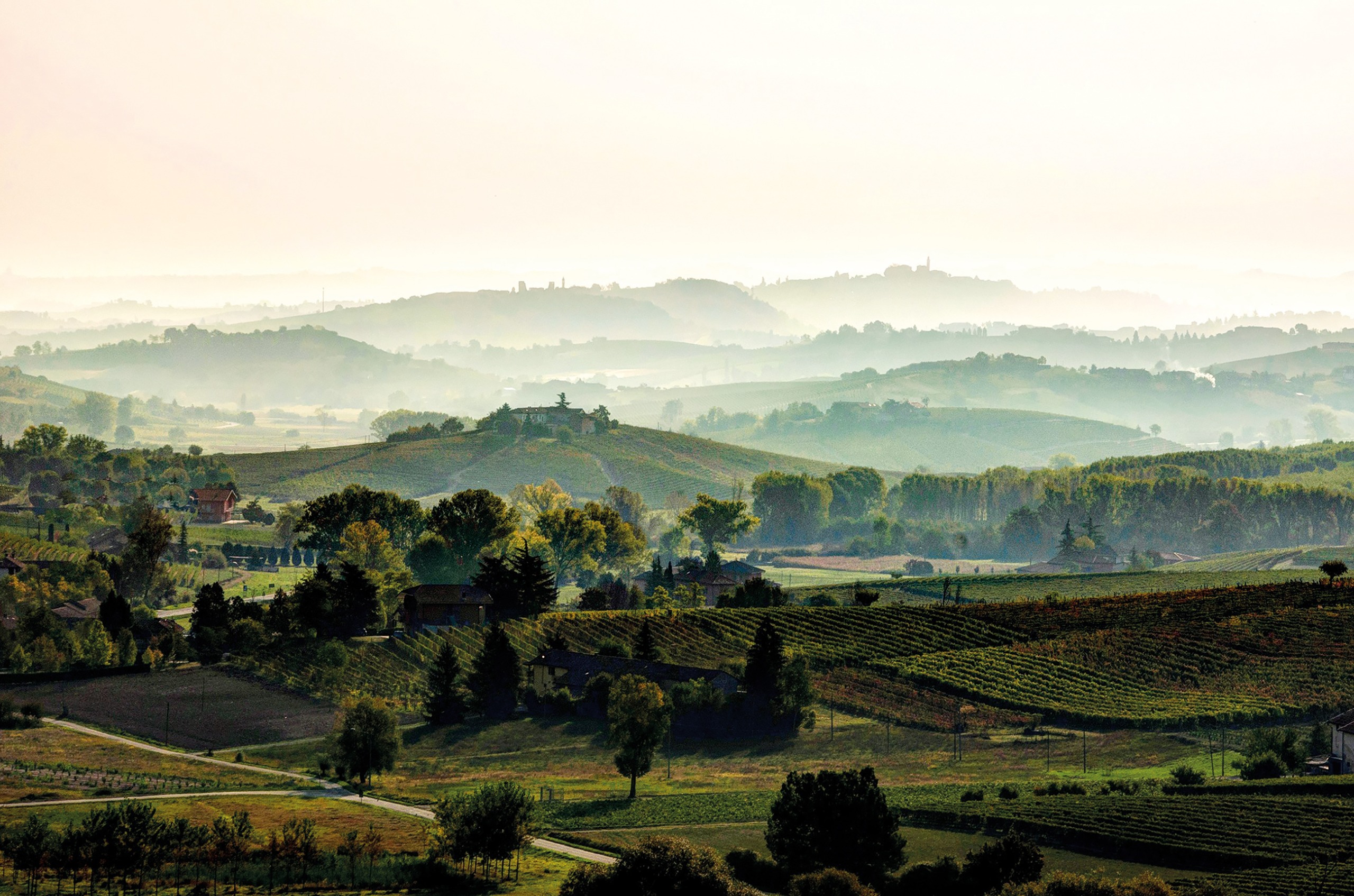 Barbera d'Asti DOCG: Tradition and modernity in Piedmont
Sponsored Many expressions of one variety...
-
 Sergio Mottura: Excellence in Tuscia
Sponsored A renowned figure in Lazio...
-
 Florio: Winning new fans while respecting Marsala’s history
Sponsored An important milestone in Marsala...
-
 Sensi Vini: The gateway to your Italian wine exploration
Sponsored Chianti and beyond...
-
 Celebrating European diversity
Sponsored Introducing the ‘Celebrate the Diversity’ project...


