Best Italian wines: A selection of the greatest
Italy is home to myriad wine styles and thousands of native grape varieties, as well as top estates that often produce several different bottlings. Below is a selection of the best Italian wines, based on reviews by our experts, with full tasting notes on each wine available exclusively to Premium members.
Get our daily fine wine reviews, latest wine ratings, news and travel guides delivered straight to your inbox.
You are now subscribed
Your newsletter sign-up was successful
If you’ve ever wondered what the best Italian wines are then take a look at our list below, drawn from our ever-growing database of wine reviews.
This list of some of the greatest wines tasted and reviewed recently by Decanter’s experts includes top names from well-known regions as well wines from some less well known – but equally worthy – areas.
Predictably Tuscany and Piedmont feature heavily with all four 100-point wines coming from Tuscany – three Brunellos followed by a world-beating SuperTuscan. A smattering of Barolo and Langhe wines fly the flag for Piedmont, while the Veneto is in the mix too thanks to a single-vineyard Amarone della Valpolicella from one of the region’s best-known producers.
In total there are three SuperTuscans here – wines with the simple IGT designation but they are far from simple wines. Due to the grape varieties used, the location of the vineyards and/or the processes used to make the wine they cannot be labelled as DOC or DOGC wines but are among the most sought after and revered wines from Tuscany.
It’s not all red though, there are four white wines featured, including a ‘bracing and expansive’ Pinot Blanc, Chardonnay and Sauvignon Blanc blend from the Cantina Terlano co-operative in Alto Adige, a ‘textured and creamy’ no-added sulphites Vernaccia di San Gimignano and a ‘focused and mineral’ Trebbiano d’Abruzzo.
There’s even an ‘exquisite’ dessert wine – again from the Alto Adige, and again from a co-op – that’s made from late-harvest Gewürztraminer which has been aged for four years in a cellar 4,ooo metres below ground.
We have kept it limited to just one wine from each producer featured, and all wines below have scored 98 points and above.
Get our daily fine wine reviews, latest wine ratings, news and travel guides delivered straight to your inbox.
The best Italian wines:
More articles exclusively for Decanter Premium members:
Future wine legends: Decanter 100-point wines
Piedmont new releases: Full report
Comparing Tignanello and Solaia
Tasting Amarone history: Six vintages of Bertani back to 1958
Il Poggiolo, Il Mio Brunello Riserva, Brunello di Montalcino, Tuscany, Italy, 2004
Il Mio Brunello or 'My Brunello' is Rudi Cosimi's personal declaration of independence. 2004 - its first vintage - is a unique expression of Sangiovese. The tannins and fruit are silky and willing, as if the fruit was picked from hedgerows into wicker baskets. Impressive, pure, focussed and memorable.
2004
TuscanyItaly
Il PoggioloBrunello di Montalcino
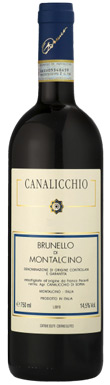
Franco Pacenti, Brunello di Montalcino, Tuscany, Italy, 2004
A Franco Pacenti Brunello is like a master painting, the canvas angled perfectly for the Sangiovese to paint its full range of the season's nuances and flavours. A perfect Brunello from the Canalicchio terroir, this is agile and transparent, with soft brushstrokes of pristine, tangy fruit.
2004
TuscanyItaly
Franco PacentiBrunello di Montalcino
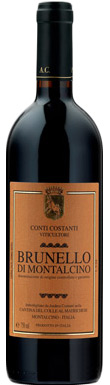
Conti Costanti, Brunello di Montalcino, Tuscany, Italy, 2004

Andrea Costanti's metronomic ability to deliver wines which reflect both his vineyards' terroir and the season has, in 2004, produced a classic Brunello whose suave tannins and sophisticated fruit combine in another of his little masterpieces, flavours melding into texture, and vice-versa.
2004
TuscanyItaly
Conti CostantiBrunello di Montalcino
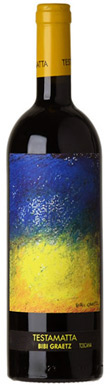
Bibi Graetz, Testamatta, Toscana, Tuscany, Italy, 2018

The 2018 vintage resulted in elegant but relatively light wines, and cool nights kept them fresh. The subdued red fruit nose has finesse and poise, while the attack is lively and relatively forward. This is no blockbuster but it shows fine acidity and concentration. It may lack some complexity now but it's still youthful. Long.
2018
TuscanyItaly
Bibi GraetzToscana
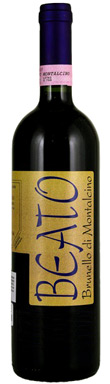
Il Poggiolo, Beato Riserva, Brunello di Montalcino, Tuscany, Italy, 2004

Rudi Cosimi is a restless creative who delivers bright, beautifully wrapped Sangiovese in compact Brunellos like this that spring to dazzling life once opened but are built for the medium to long haul. In 2004, as now, he was a bit of a lone wolf stylistically, and his unique style is still under-rated.
2004
TuscanyItaly
Il PoggioloBrunello di Montalcino
Bartolo Mascarello, Barolo, Piedmont, Italy, 2016
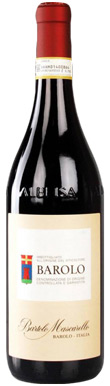
This legendary Barolo has traditionally been a blend of the estate’s plots in Canubbi, Ruè, Rocche dell’Annunziata and San Lorenzo. In 2015, the latter was pulled out and prepared for replanting. Coincidentally, in the same year, owners of a small, well-exposed Nebbiolo parcel neighbouring Mascarello’s Dolcetto holdings in Monrobiolo di Bussia offered it for rent, essentially making up the shortfall. The 2016 is so effortlessly seamless it is almost a shame to tease apart. Understated in its beauty, the nose slowly doles out successive fragrances of rose, raspberry, white pepper and rosehip. Expanding graciously across the palate, it distributes velvety, finely powdered tannins that are still compact and will take years to dissolve. But it is the underlying vibrant energy that drives this wine. Hints of blood orange and lavender linger on finish.
2016
PiedmontItaly
Bartolo MascarelloBarolo
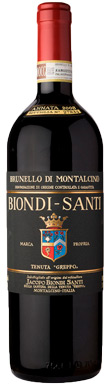
Biondi-Santi, Riserva, Brunello di Montalcino, Tuscany, Italy, 1997

Little has changed at Biondi Santi in terms of their general approach to winemaking over the years. The Riserva is made from the estate's oldest vines which are at least 25 years old, and ageing is in large Slavonian oak casks. The 1997 vintage was dry and warm throughout the summer. In August, three intermittent rain showers refreshed the grapes, while September continued under dry conditions leading up to harvest. The wine is in a beautiful drinking period now, and has moved beyond its signature youthful austerity. The nose is expressive and open, with sweet tobacco, Asian spiced plum and fine polished leather. On the palate the structure is still imposing, the tannins clinging on firmly. It offers an intriguing sweet and sour quality, with notes of citrus peel, iron and mineral lingering on the finish. It is ready to enjoy now, but will surely keep for another 25 years.
1997
TuscanyItaly
Biondi-SantiBrunello di Montalcino
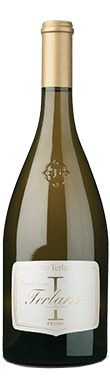
Cantina Terlano, Primo Grande Cuvée, Alto Adige/Südtirol, Terlaner, Trentino-Alto Adige, Italy, 2017

Mainly Pinot Bianco from 50-year-old vines, with 20-25% Chardonnay and a squeeze of Sauvignon. It’s bracingly fresh and expansive with an almost-bristling intensity of lime, pineapple and floral aromas, and light oak nuances. The palate shows a mulberry silk texture, pinpoint acidity and a slaty, mineral-toned finish perfumed with quince and candied pear. One of Italy’s very finest white wines.
2017
Trentino-Alto AdigeItaly
Cantina TerlanoAlto Adige/Südtirol
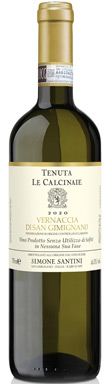
Tenuta le Calcinaie, Senza Solfiti, Vernaccia di San Gimignano, Tuscany, Italy, 2020

After achieving his boyhood dream of studying winemkaing, Simone Santini planted vines in 1986 and made his first wine (a red) in 1993. His Vernaccia's have an unmistakeable texture, combining depth from sensible yields, backbone from fossil-rich limestone soils, and beautiful creamy textures from ageing on fine lees, kept sensibly calm in an underground cellar at constant temperature. This terrific no-added-sulphites Vernaccia is an uplifting white delivering brilliantly clear, salivating yellow and white fruit flavours.
2020
TuscanyItaly
Tenuta le CalcinaieVernaccia di San Gimignano
Tua Rita, Keir, Toscana, Tuscany, Italy, 2019
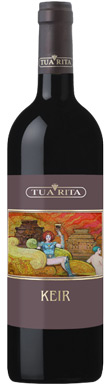
2019 is for Stefano Frascolla an exceptional vintage - one of the best vintages of the last two decades. Bright magenta in colour with an exuberant nose of vivid sweet blackcurrant, cream and spice, this has youthful raspberry, white pepper and flint flavours mixed with concentrated yet vibrant fruit. Impossible to resist, with a lovely weightless texture and harmony, it dances seamlessly across the palate and disappears with incredible lightness but lingering flavours. Syrah meets Burgundy!
2019
TuscanyItaly
Tua RitaToscana
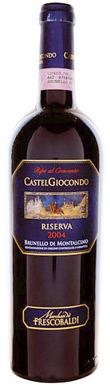
Frescobaldi, Castegiocondo Ripe al Convento Riserva, Brunello di Montalcino, Tuscany, Italy, 2004
Castelgiocondo's Brunello Riserva comes from a balcony of higher vineyards with views southwest to the Tyrrhenian. Incoming sea breezes have a tempering effect, helping sugar, tannin and flavour ripeness to operate in sync in what is a linear, clear-fruited and unforced Riserva.
2004
TuscanyItaly
FrescobaldiBrunello di Montalcino
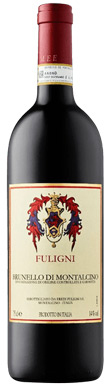
Fuligni, Brunello di Montalcino, Tuscany, Italy, 2004
Fuligni is one of those Montalcino estates that consistently delivers. Light-touch winemaking and a diverse array of sensibly farmed, disparate and thus diverse vineyards are the building blocks. This is juicy, tangy and terribly easy to devour - and easily underestimated.
2004
TuscanyItaly
FuligniBrunello di Montalcino
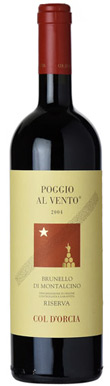
Col d'Orcia, Poggio al Vento, Brunello di Montalcino, Tuscany, Italy, 2004

The analytical data of this vintage harks back to the past when Sangiovese was harvested nervous and acidic. 'After some early-harvested vintages, in 2004 we returned to a more regular picking date, starting with Sangiovese from 20 September,' reports Giuliano Dragoni, agronomist of the estate. Now, after bottle ageing, this wine has evolved to offer aromas of dried prunes with nutmeg and balsamic whiffs. Dense with a mid palate grip and slightly austere finish, the wine is zesty, full and savoury with a black cherry and black olive aftertaste.
2004
TuscanyItaly
Col d'OrciaBrunello di Montalcino
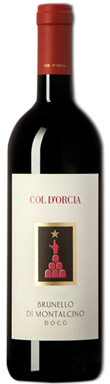
Col d'Orcia, Brunello di Montalcino, Tuscany, Italy, 2004

Col d'Orcia's flagship Brunello is made in a traditional style in the best sense, offering versatile, clear-fruited Sangiovese with the structure and brightness of fruit to give long drinking windows and good value. A tidy, bright, juicy Brunello with no sense of over-ripeness.
2004
TuscanyItaly
Col d'OrciaBrunello di Montalcino
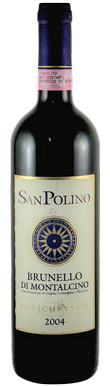
San Polino, Helichrysum, Brunello di Montalcino, Tuscany, Italy, 2004

San Polino's Helichrysum is a blend of its best lots in any single vintage, rather than a site-specific wine. It consistently shows a richness of fruit with a smooth tannic undertow, and is especially silky in 2004. A beautifully proportioned, sensuously flavoured Brunello.
2004
TuscanyItaly
San PolinoBrunello di Montalcino
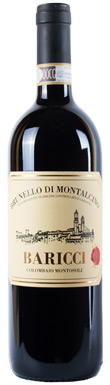
Baricci Colombaio Montosoli, Brunello di Montalcino, Tuscany, Italy, 2004

Nello Baricci (1921-2017) is one of Montalcino's favourite sons, an old school grower-winemaker working prized pieces of the Montosoli hill just north of the the town. This is a Brunello with salty-juicy fruit, unforced tannins, mouthwatering deliciousness, and deceptive longevity. A one-off in the Brunello pantheon.
2004
TuscanyItaly
Baricci Colombaio MontosoliBrunello di Montalcino
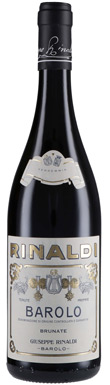
Giuseppe Rinaldi, Barolo Brunate, Barolo, Piedmont, Italy, 2016

This is an evolution of Giuseppe’s Rinaldi’s Brunate Le Coste bottling. While the percentage of Brunate has increased to 85% to adhere to Barolo’s regulations on cru-designated wines, it still sees 15% from Le Coste. The latter lends some levity and brightness to Brunate’s deeper, more brooding bass tones. At the moment, earth, mushroom and tobacco dominate underlying red cherry. Tannins are silky in texture yet compact and commanding, and refreshing acidity races across the palate. Not an easy-going or obvious wine, this demands a few years of cellaring but has everything in place for a beautifully harmonious development.
2016
PiedmontItaly
Giuseppe RinaldiBarolo Brunate
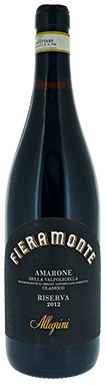
Allegrini, Fieramonte, Amarone della Valpolicella, Classico, Veneto, Italy, 2012

Very much a prestige bottling from one of Amarone's most famous producers, the Fieramonte is a single vineyard wine with grapes grown at an altitude of 415 metres above sea level. As is traditional the fruit is dried and sees a drop in weight by 40-50%, after which fermentation is carried out in stainless steel before the wine ages for four years in French oak barriques. RS: Dense and concentrated nose of espresso, dates, chocolate, dried fruit and raisins, forest floor and black forest gateaux on the palate, rich full and heavy alcohol, long complex and delicious. BW: Attractive aged character to this wine. Really intense dried fruit, big and rich with a long finish. Shows off the region and varietal very well. Even though obvious oak it is well integrated. Potential to age further. AH: A lovely Amarone. This has all of the characters you wish for. Warmth on the palate, intriguing slightly raisined fruits, restrained acidity. THe sugar feels very low. Fine structure, Elegant and seems much lower than the 16.5% alcohol claimed. Retains a coolness on the palate which makes the wine extremely drinkable. There is a lot of disappointing Amarone out there 0 this is a bottle to put things to rights!
2012
VenetoItaly
AllegriniAmarone della Valpolicella
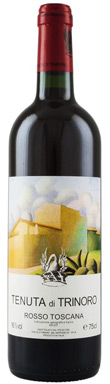
Tenuta di Trinoro, Toscana, Tuscany, Italy, 1998

The second vintage of Trinoro, and showing incredibly well in this lineup. The summer was scorching and Andrea had to water the vines at night to save the vintage. A much cooler September helped to preserve aromas in the grapes. Picking commenced on 11 October for Cabernet Franc, and was completed on 24 October with the Petit Verdot. The nose here is complex, offering a swirling mix of potpourri, spicy cedar, hedgerow berries, earth, spiced plum and a meaty, bretty hint. Fresh and vibrant in the mouth, the tannins still grip and the acidity gives shape to soft, succulent black fruits. Earth, spices, undergrowth and potpourri notes complete the profile. Impressive for its elegance and intensity, this still has plenty of life left in it. Poured from magnum. 12,000 bottles produced.
1998
TuscanyItaly
Tenuta di TrinoroToscana
Gaja, Sperss, Langhe, Piedmont, Italy, 1996
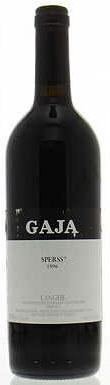
Acquired in 1988, Gaja's Sperss vineyard straddles the Marenca and Rivette MEGA (Menzioni Geografiche Aggiuntive or cru) of Serralunga d'Alba. 1996 is the first year it was bottled as a Langhe Nebbiolo as it includes a small percentage of Barbera. Tasted from magnum, this impresses with its might and intensity. The nose is extraordinary – immediately appealing with dried bay leaf, black tea, leather and tar. Smoky incense, crushed stone and iron permeate the palate which is still firmly clenched by rigid, imposing tannins. It definitely needs some braised meat and a few hours in a decanter before approaching. Lots of life ahead.
1996
PiedmontItaly
GajaLanghe
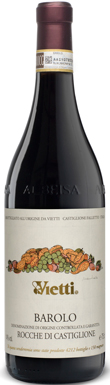
Vietti, Rocche di Castiglione, Barolo, Castiglione Falletto, Piedmont, Italy, 2013

The venerated Rocche di Castiglione MGA is noted for its extremely steep slope, southeastern exposure and pure white limestone soil. Vietti has been bottling it separately since 1961, making it one of Barolo's first true cru offerings. Aged in large Slovenian oak casks, its unadulterated charm and poise is matched by breathtaking power. Reverberating pressed rose petal, strawberry blossom and raspberry move into deeper, darker forest and iodine nuances, wrapped up in a commanding grip.
2013
PiedmontItaly
ViettiBarolo
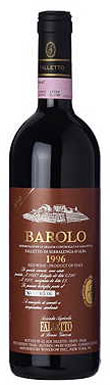
Bruno Giacosa, Falletto di Serralunga d’Alba Riserva, Barolo, Piedmont, Italy, 1996

Crafted from choice parcels of old vines on the highest, south-facing area of the Falletto cru, this is designated as a riserva (indicated by the red label) in the very best vintages only. Maceration lasts 2-3 weeks and the wine matures in large untoasted French oak casks. Extremely understated and fleeting at first, it became more persistent, youthful and unwavering as it sat in the glass. This was just starting to open by the time the white truffles and risotto course was served and revealed pressed rose, dried leaves, forest floor and balsamic nuances. Seamless and uncluttered, the palate possesses racy acidity and classy vertical tannins. It is a sneaky wine that demands attention.
1996
PiedmontItaly
Bruno GiacosaBarolo
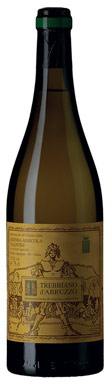
Valentini, Trebbiano d’Abruzzo, Trebbiano d’Abruzzo, Abruzzo, Italy, 2015

2015 was cool and rainy in spring, warm and dry in July and August; the harvest was then postponed. The wine has its typical reductive character with a prickle of CO2 at the beginning, then focused lime notes, hints of flowers, yet the typical salty, mineral palate. It will last for decades, developing its moving complexity.
2015
AbruzzoItaly
ValentiniTrebbiano d’Abruzzo
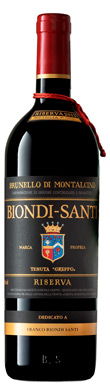
Biondi-Santi, Riserva, Brunello di Montalcino, Tuscany, Italy, 2012

The 2012 Riserva is the last vintage produced by Franco Biondi Santi, and so this release is dedicated to him. Of the 39 Riservas the estate has produced since the first one in 1888, Franco oversaw 24 of them. 2012 is considered a warm vintage, more dry than hot and with an advanced harvest on 10 September: quite early for a Sangiovese from higher vineyards in Montalcino. The age of the vines has helped to give the wine outstanding complexity. It shows the typical freshness of Biondi Santi with red currant, pomegranate and orris root aromas, becoming more austere on the palate with rhubarb radice flavour, firm acidity and firm yet ripe tannins. The extraction is great and the tight-knit integration between fruit and structural elements gives it the depth to age for decades.
2012
TuscanyItaly
Biondi-SantiBrunello di Montalcino
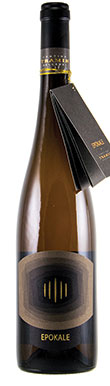
Cantina Tramin, Epokale Gewürztraminer Spätlese, Trentino-Alto Adige, Italy, 2013

Once bottled, this is aged for a further four years at 4km below ground. Despite its depth of flavour, plus 45g/L residual sugar, it’s light on its feet. Exquisite.
2013
Trentino-Alto AdigeItaly
Cantina Tramin

James Button is Decanter’s regional editor for Italy, responsible for all of Decanter's Italian content in print and online.
Like many others, he started his wine career at Majestic Wine, giving him a strong grounding in the subject before successfully completing the WSET Level 4 Diploma in 2010. From 2014 to 2016 he managed the fine wine department of a startup wine company in London, before joining Decanter as digital sub-editor.
Outside of wine, James enjoys cooking, skiing, playing guitar and cycling.