
The hidden wine gems of the Italian coast
A patchwork of climates and soils emerge along the Italian peninsula's long coastline. Raffaele Mosca examines various seaside winescapes, from the stunning Cinque Terre in Liguria to the white cliffs of Mount Conero in Marche, Salento in Puglia, and the rocky Sicilian island of Pantelleria.


For many years, Italian wines from the coast have primarily served as holiday treats or nostalgic souvenirs.
Once vital on water-scarce shores and islands, viticulture faded as tourism soared, and the remaining growers often shifted from distinctive – if extremely rustic – local styles to generic production.
Paradoxically, Bolgheri, a relative newcomer, became the country’s first sea-view wine hotspot, when Mario Incisa della Rocchetta of Sassicaia set a new standard for maritime Italy by first exploiting the combination of gravelly soils and cooling sea breezes.
But renewed interest in Mediterranean culture and increased competition are now driving coastal producers to revive ancient traditions and defy low yields and high labour costs by crafting small volumes of characterful, well-positioned wines.
A selection of must-try wines from the Italian coast listed below
The patchwork of climates and soils along Italy’s 7,419-kilometre coastline makes generalisations tricky, yet a thrilling freshness for such sun-kissed areas is the common thread among top coastal wines.
Some link this to maritime winds: ‘They provide elements like sodium and potassium, which add to the wines’ freshness when managed properly, strengthening their saline backbone,’ affirms Vincenzo Varchetta, co-owner of Radici Vive in Campania.
Yet, given marine residues are often modest in finished wines, other factors must also be considered.
‘The sandy or limestone soils of these areas and the phenolic tanginess of coastal varieties play a major role in shaping this peculiar identity,’ suggests Konstantin Spinetti, winemaker at Stella di Lemmen in Cinque Terre.
The Mediterranean’s thermoregulating effect results in modest rainfall and stable temperatures with moderate diurnal swings.
While such conditions would usually accelerate ripening, local grape varieties excel at slow maturation, achieving moderate alcohol and preserving aromatic integrity while expressing a captivating Mediterranean soul.
Liguria: Quintessentially coastal

With its narrow shape and precipitous ridges plunging into the sea, Liguria is Italy’s quintessential maritime wine region.
Despite limited cultivable space (just 46,000 hectolitres are produced annually), its often-terraced vineyards, constantly swept by sea breezes, yield extremely contemporary wines that are highly sought after for their herbal brightness and zesty acidity.
This complements the local cuisine, which relies on seafood, vegetables such as trombetta courgettes, and herbs like basil and parsley.
Vermentino, highly resistant to salt-laden winds, is the flagship variety here. The Pigato variety along the ‘Ponente’ (west coast) gives distinctive versions with Riesling-like nuances enhancing ageability, while Colli di Luni on the border with Tuscany offers the most perfumed and high-acid renditions, drawing on both sea and Apuan Alps.
Other local white varieties include Cimixa and Bianchetta Genovese on the Levante (east coast), yielding even lighter wines. Rossese, a promising red grape, thrives in the far-western Dolceacqua DOC.
No Ligurian wine area is more iconic than Cinque Terre, where traditional heroic viticulture is threatened by surging tourism, yet remains crucial for preserving the staggering vertical landscape around the five world-famous villages.
‘The vineyard area has plummeted from 900 to just 51 hectares in 50 years. Abandonment doesn’t only cause landslides but also makes viticulture more difficult for the remaining producers, as parasites proliferate in unmanaged plots,’ remarks Spinetti, who crafts eloquent, garrigue-scented wines from Stella di Lemmen’s biodynamically-farmed six-hectare plot on dramatic slopes, only reachable by monorail.
Mediterranean bonanza
More than for their salinity, coastal Tuscan reds often stand out for their ability to capture the aromas of the maritime vegetation surrounding the vines.
‘Libeccio [a south-westerly wind] disperses the essential oils of the aromatic plants among the bunches,’ says Silvia Menicagli of the Fornacelle winery in Bolgheri.
Varieties aside, the best whites in coastal Tuscany also blend the same macchia (scrubland) imprint with uncommon complexity.
Perhaps the most peculiar Tuscan coastal grape is Ansonaco/Ansonica, the only one to defy relentless winds and drought in the Tuscan archipelago.
In top terroirs like Giglio island’s granitic soils, this thick-skinned variety yields characterful, deep-coloured whites that bridge the gap between typical white and red wines.
With their tangy phenolics and light tannic bite, they match stewed rabbit with herbs, a common island dish.
Southern Riviera

Heading south, the Campania region is another tourist hotspot where vineyards overlook the Tyrrhenian Sea, both on the Amalfi Coast and Cilento, and on the island of Ischia, where the Biancolella grape yields light and herbal wines.
However, the Campi Flegrei area just north of Naples has witnessed the most remarkable upheaval recently. Consisting of volcanic slopes with almost ashy soils that surround active craters, the vines often boast breathtaking views of Capri and Ischia.
‘Volcanic sands favour the absorption of marine elements more than any other soil, making our Falanghina and Piedirosso exceptionally savoury,’ explains Varchetta.
A lovely summer red, Piedirosso blends Beaujolais-like juiciness and lightness with a saline zing and a smoky touch. When served slightly chilled, it works perfectly with Marinara or Margherita pizza.
The other coast
Less travelled than the west coast, except for Romagna’s bustling sandy shores, Italy’s eastern Adriatic coast mainly features either flat or gently sloping terrain.
Cool air currents from the Balkans compensate for the lower elevations, however, resulting in milder temperatures than in the west, especially in the northern and central sections.
The northeastern-most vineyards of Adriatic Italy lie near the Slovenian border.
Here, orange Malvasia or Vitovska from the rocky Karst plateau facing the Gulf of Trieste produce complex skin contact wines: extended maceration often elevates their aromatic expression and strengthens their austere, almost stony grip.
Heading south, red grapes take centre stage. Montepulciano yields full-bodied reds on the white cliffs of Mount Conero, the Marche region’s only coastal high peak.
However, Adriatic rosé best captures the maritime essence.
Pergola vineyards flanking Costa dei Trabocchi — named after the spider-like fishing engines dominating pebbly inlets — produce some of the most savoury Cerasuolo d’Abruzzo, a dark Montepulciano-based rosé suitable for matching with the traditional brodetto (fish soup with tomatoes).
Rosé is also a key wine in Puglia’s Salento peninsula, where intermingling airflows from the Adriatic and Ionian seas contribute to characterful expressions of Negroamaro and Susumaniello.
The island of Passito

While mainland Sicily boasts notable coastal vineyards, including those facing Marsala’s famous salt marshes, the region’s most prized maritime viticultural area lies off its coast.
An 84-kilometre island in the Sicilian channel, closer to Africa than to Sicily itself, Pantelleria was the first place in the world to earn the UNESCO Intangible Heritage recognition for its viticultural tradition.
‘Pantelleria is in a perilous area of the Mediterranean, so farmers preferred raising cattle and tending vineyards instead of fishing,’ explains Josè Rallo, co-owner of Donnafugata. Local growers train the iconic Zibibbo (Muscat of Alexandria) bush vines as low as possible to ensure they resist mighty winds.
A significant proportion of the grapes is picked in early August and dried under the sun to make Passito di Pantelleria, a luscious, raisiny wine that develops exotic, umami complexity with age.
This was demonstrated by a recent vertical of Ben Ryè, a benchmark expression defying the category’s downward commercial trend and matching both desserts and savoury cheeses (including Zibibbo-infused sheep’s milk tuma).
Under-the-radar
The quest for coastal gems continues in Sardinia. Vermentino is widespread, especially in the Gallura region in the north where it has its own DOCG, and often owes its velvetier texture to a touch of residual sugar.
However, the most fascinating coastal wines hail from century-old, ungrafted Carignano vineyards that almost touch the turquoise waters of the area and Sant’Antioco island in the southwest, surviving thanks to humidity and sandy soils that resisted the arrival of phylloxera.
Tiny islands are yet another treasure trove of heroic wines, as shown by Candidaterra in Ventotene, located 14 miles west off the coast of Lazio.
Once a prison for opponents of the Fascist regime, the 1.89km2 atoll is now a niche tourist destination, attracting those seeking a peaceful retreat.
A blend of Falanghina, Fiano and Greco co-planted on its white calcareous coast, Candidaterra’s Pandataria has an uncanny ability to evoke its rugged and enchanting ambience through a mix of marine scents and lusciousness from sun-drenched fruit.
It reaffirms once again the enormous potential of Italy’s under-the-radar coastal terroirs.
Visiting coastal wineries
While most Italian coastal wineries welcome visitors, space constraints and building regulations often mean the vineyards themselves are far more striking than the structures.
However, noteworthy exceptions exist.
For instance, Donnafugata’s stone cellar in Pantelleria is cozy and sleek, surrounded by an enchanting garden brimming with caper plants and flowers.
Fontefico in Abruzzo boasts an eye-catching lavender labyrinth and a glass-walled tasting room, offering views of the Adriatic Sea beyond olive groves and vineyards.
Though not directly sea-facing, Lunae in the Colli di Luni area is conveniently close to tourist hotspots like Cinque Terre and Versilia.
The estate features a state-of-the-art winery and a contemporary bistrot serving elegant, light dishes crafted from ingredients sourced directly from their orchard.
10 coastal Italian wines to try:
Related articles
- Wine lover’s guide to Etna
- Restaurants by the sea in Italy: 10 to try
- Expert’s Choice: Coastal Tuscany
La Regola, Bianco, Costa Toscana, Tuscany, Italy, 2022
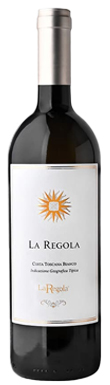

Three different vineyards, including the estate’s closest one to the Tyrrhenian coast, produce a deep-coloured blend of Chardonnay and Sauvignon Blanc, undergoing 10 months of...
2022
La RegolaCosta Toscana

Candidaterra, Pandataria, Lazio, Lazio, Italy, 2023
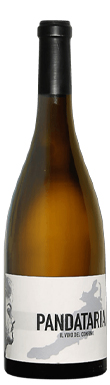
A blend of Greco, Fiano and Falanghina from the island of Ventotene, ageing occurs in stainless steel. A saline whiff reminiscent of seaweed and salty...
2023
CandidaterraLazio
Cantine Lunae Bosoni, Etichetta Grigia, Colli di Luni, Liguria, Italy, 2024
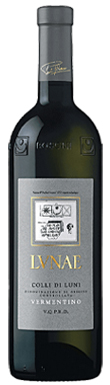
Tangerine seed, jasmine, subtle flinty reduction and a balsamic whiff hint at the position of the vineyards between the coast and the Apuan alps. Slim...
2024
Cantine Lunae BosoniColli di Luni
Stella di Lemmen, Limen, Liguria, Italy, 2022
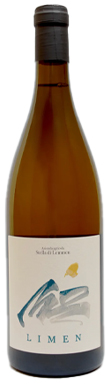
The classic Cinque Terre blend of Bosco, Albarola and Vermentino undergoes spontaneous fermentation and one day of skin contact, followed by over one year in...
2022
Stella di Lemmen
Skerk, Vitovska, Carso, Friuli-Venezia Giulia, Italy, 2022
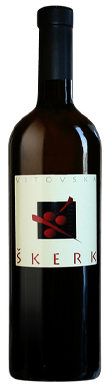
30 days of skin contact followed by one year in oak shape a deep golden coloured wine, anticipating slightly volatile notes of curry, ginger and...
2022
SkerkCarso
Calzolari, Calzo della Vignia Ansonico, Toscana, Tuscany, Italy, 2020
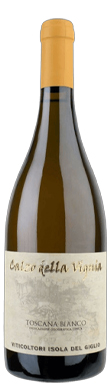
From the granitic slopes of the Giglio Island in the Tuscan archipelago, this amber-hued Ansonaco undergoes three months of skin contact followed by six months...
2020
CalzolariToscana
Fontefico, Fossimatto, Cerasuolo d'Abruzzo Superiore, Terre di Chieti, Abruzzo, Italy, 2024
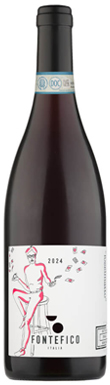
From vineyards overlooking the southernmost portion of the coast of Abruzzo – known as the Costa dei Trabocchi – direct pressing of fully mature Montepulciano...
2024
FonteficoCerasuolo d'Abruzzo Superiore
Quartomoro, CRG, Isola dei Nuraghi, Sardinia, Italy, 2022
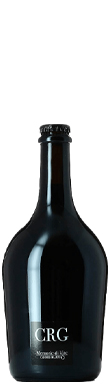
Ungrafted bush vines lapping the turquoise waters of the Sant’Antioco Island produce a dark ruby red that underwent spontaneous fermentation followed by 6 months in...
2022
QuartomoroIsola dei Nuraghi
Radici Vive, Piedirosso, Campi Flegrei, Campania, Italy, 2024
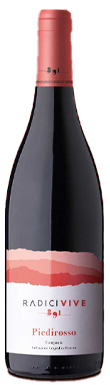
A textbook Piedirosso, undergoing brief ageing in stainless steel, it offers vivid and youthful aromas of crunchy red berries and rose petals with a smoky...
2024
Radici ViveCampi Flegrei
Donnafugata, Ben Ryè, Passito di Pantelleria, Sicily, Italy, 2022
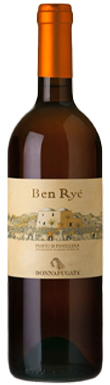
One of the best renditions ever of this iconic Passito di Pantelleria, the 2022 Ben Ryè sports a deep and dense amber colour that anticipates...
2022
DonnafugataPassito di Pantelleria
