

‘I have good wine
To feast and make glad the hearts of my admirable guests.’
– Shi Jing II 1 (161) (trans. James Legge)
Peer back into the distant past, and you’ll find that vines, grapes and wine are referenced in the earliest of Chinese literary texts, the Book of Odes. These folk poems – from which the quotation above comes – were collected and written between 1100 BCE and 601 BCE.
Three times older, up to 9,000 years old, the oldest alcoholic-drink residues are also Chinese. They weren’t pure wine, but an alcoholic beverage that included tartaric acid from grapes and/ or hawthorn fruit (pips from both were found at the Jiahu Neolithic settlement in Henan Province).
Scroll down for in-depth profiles of Chinese producers
‘Of all our joys, this must be the deepest,’ wrote poet Li Bai as he lay alone in bed after drinking wine, contemplating ‘spring’s lonely sorrows’ and ‘forgetting that person I am even exists’ (‘Drinking Alone Beneath The Moon’ 3, translated by David Hinton).
Wine, in other words, is as intimate a part of Chinese culture as tea – and the fact that both owe their complexity to a wealth of cultivars of a single species (Vitis vinifera and Camellia sinensis) responding to diverse terroirs means Chinese drinkers almost instinctively understand wine’s potential.
And today? It’s worth noting that if you’re a grape grower, you’re likely Chinese. China’s 15.6 million tonnes produced in 2022 is almost double that of the second-placed country, Italy (8.1 million tonnes), though most of this is table grapes eaten as dried fruit.
China’s efforts to produce world- class wine of sophistication and subtlety are relatively recent: they began in the 1950s with vine selection and breeding of domestic varieties. But it wasn’t until the huge importation of western vinifera vine cuttings from the late 1980s onwards that China began to produce the kind of wines most of us would recognise.
The country has learned, and expanded, swiftly: by the time I first visited Ningxia and Wuhai in 2013, China was the world’s fourth biggest wine-producing nation, though it has fallen back somewhat since.
We all need to understand Chinese wine better – one reason why some of China’s top producers have got together, using their own resources, to bring Decanter readers this guide. Wine-growing regions already dot much of this vast land, as Professor Li Demei explains, and the styles produced are astonishingly wide, as Ch’ng Poh Tiong’s tasting notes show.
Their desire to shine is clear from the wines’ record at Decanter World Wine Awards and other competitions. Seek out these wines, give them a try – and share them with your ‘admirable guests’, as Chinese drinkers were doing some 3,000 years ago.
Chinese producers from six regions to know
Read the stories behind the labels…
Ningxia
Few guests visiting Xige Estate could fail to be impressed by the scale of this 28,000m2 winery, constructed with 200,000 rocks excavated from their vineyards at the foothills of the Helan Mountains.

Taking its name from the image of the snow-capped Helan Mountains under a clear sky, Helan Qingxue was the Ningxia winery that made history.

Silver Heights – Yinchuan (Helan)
One of China’s first family-owned boutique wineries, embracing biodynamic viticulture.

When YU Xiaojia and her brother began their winery project in Ningxia’s Yinchuan subregion in 2009, their parents warned them about the hard work ahead.

Devo Winery – Yinchuan (Helan)
Guests visiting Devo Winery can not only enjoy panoramic views of the Helan subregion – including the estate’s newly planted vineyard – but are always welcomed by owner ZHAI Liang with a glass of chilled fizz under the pergola beside his lotus pond.

West of the Xixia Reservoir in the Yongning subregion, a crimson-coloured winery stands amid vineyards, its design inspired by central Australia’s sandstone monolith, Uluru (Ayers Rock).

Wines from the Longyu Estate are among the most recognised Chinese wines in overseas markets, with a presence in restaurants listed in both the Michelin guide and Black Pearl guide.

Shanxi
Grace Vineyard – Shanxi and Ningxia
Chun-Keung Chan’s plan for a boutique winery began with a search for an environmentally-friendly business.

Xinjiang
Tiansai Vineyards – Yanqi Basin
A business trip to the Gobi desert in 2008 took Beijing-based investor CHEN Lizhong to the Yanqi basin, beneath the magnificent red cliffs of Tian Shan mountain range.

Silk Road Winery – Yili River Valley
In the northwest corner of Xinjiang, near the Kazakhstan border, the Yili River Valley is a crucial passage on the ancient Silk Road.

Liaoning
Sanhe (Cailonglin) Winery – Huanren
In 2011, Guangzhou-based entrepreneur Cai Longlin, then aged in his early 30s, was invited to Huanren, in Northeast China’s Liaoning province. The region, traditionally known for its ginseng and rice, was on its way to becoming a significant global ice wine-producing area.

Golden Icewine Valley – Huanren
The first vineyards dedicated to ice wine production were only planted in Huanren in 2001, and – as it has in so many other emerging wine regions across China – Changyu was one of the earliest producers to establish a presence here.

Beijing
Located in the Huaimi Basin of Miyun, Beijing, Chateau Changyu Afip is perhaps the Changyu estate most frequently featured at Chinese state banquets.

Shandong
Based in Yantai, Shandong, home to the headquarters of the Changyu wine company, Chateau Changyu Tinlot is named in honour of the late Robert Tinlot, former Director General of the OIV (International Organisation of Vine and Wine).

Read more about the wines of China:
China: Around the regions
Savour the diversity of Chinese wines
Changyu: China’s century-old wine legend


-
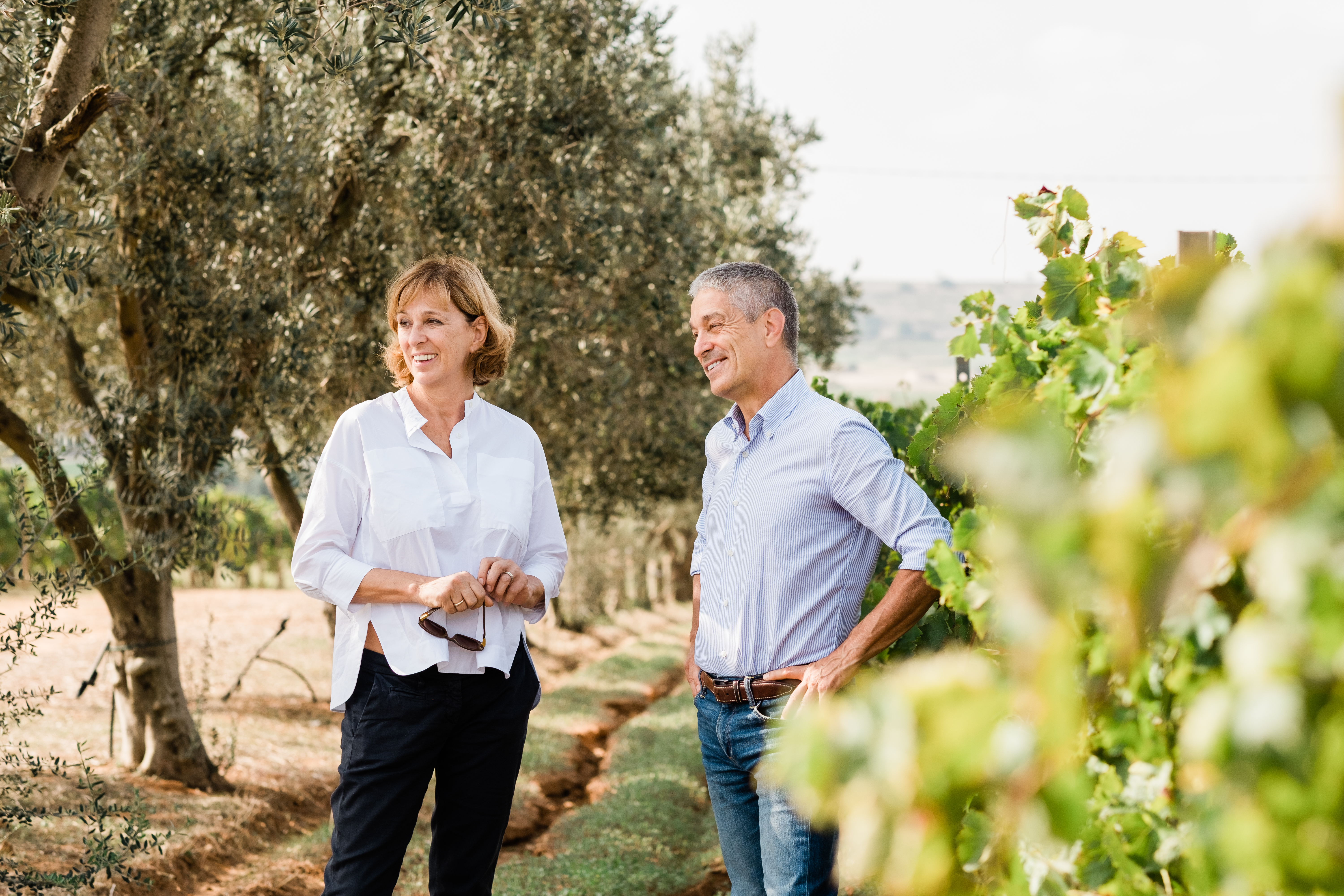 Azienda Agricola Cortese: Championing sustainability in the heart of Sicily
Sponsored Content Meet the winemakers using ancient techniques and sustainable practices to create fresh, modern interpretations of Sicilian varieties
-
 Monemvasia Winery – Tsimbidi: bringing an ancient wine into the modern age
Sponsored Content George and Elli Tsimbidi’s winery not only revived one of history's most famous wines but is now breathing fresh life into other native Greek varieties.
-
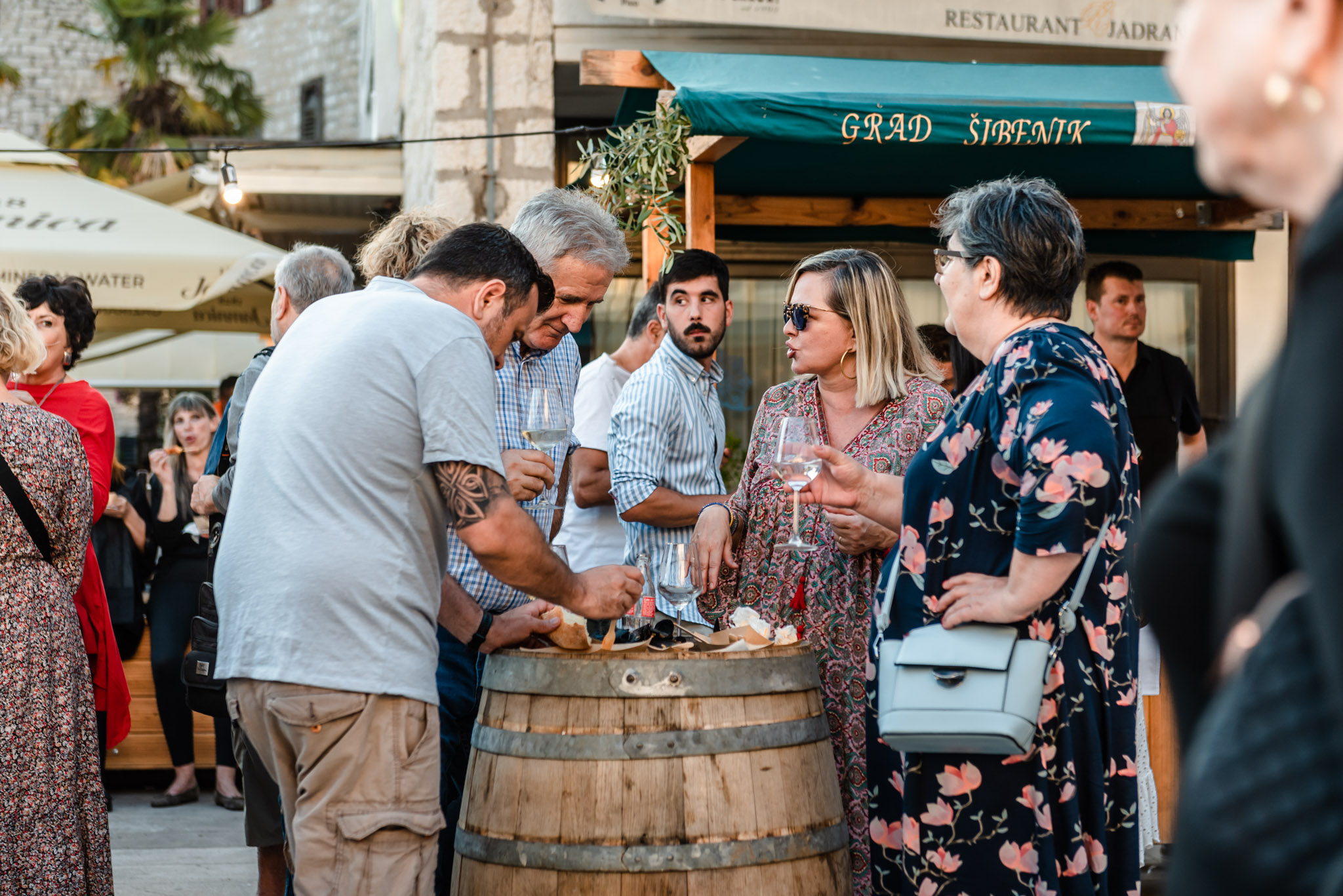 Marenda – A Dalmatian ritual
Sponsored Content What started as a work break has become a well-observed tradition in Dalmatia – one that pairs perfectly with local wine.
-
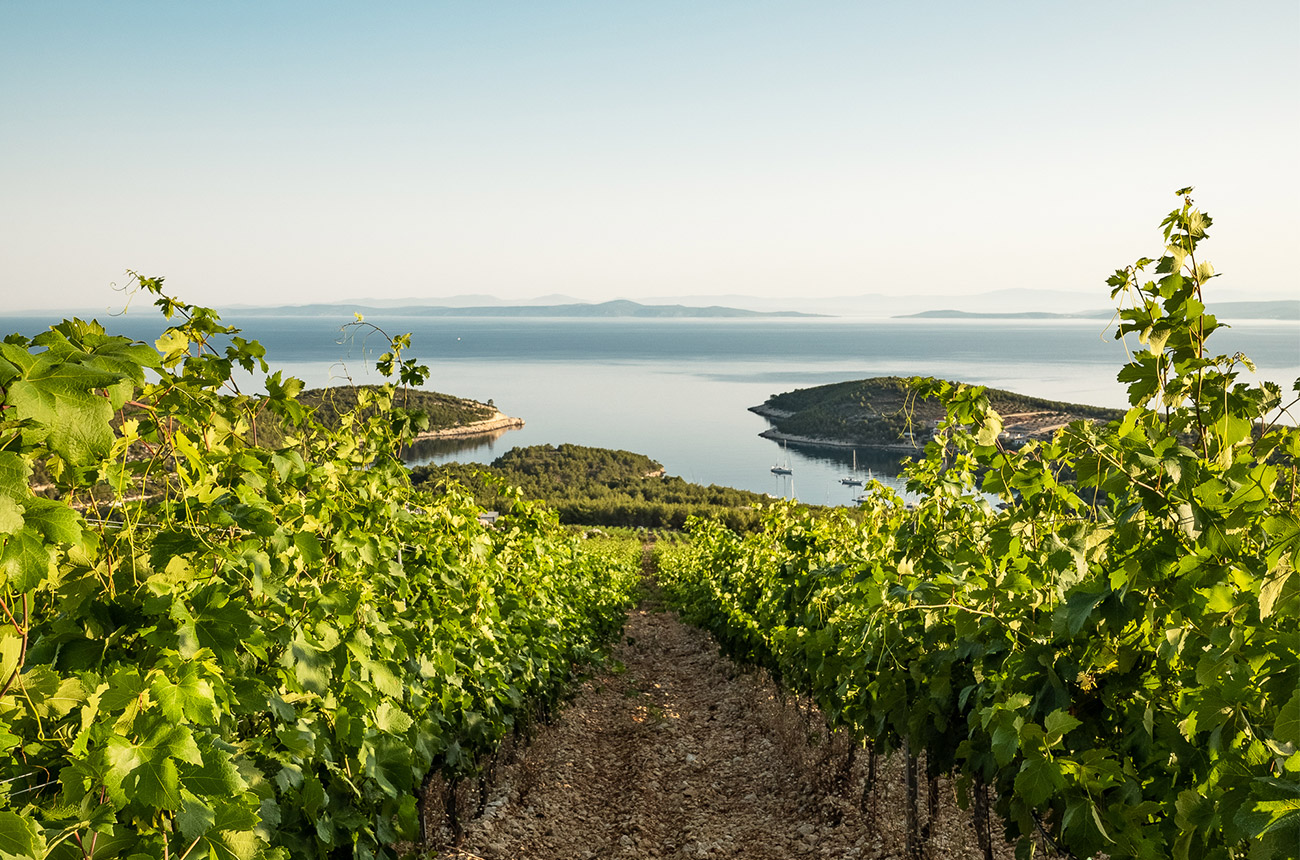 Dalmatia's hall of fame: DWWA winners
Sponsored Content Discover a selection of medal-winning Dalmatian wines from the Decanter World Wine Awards.
-
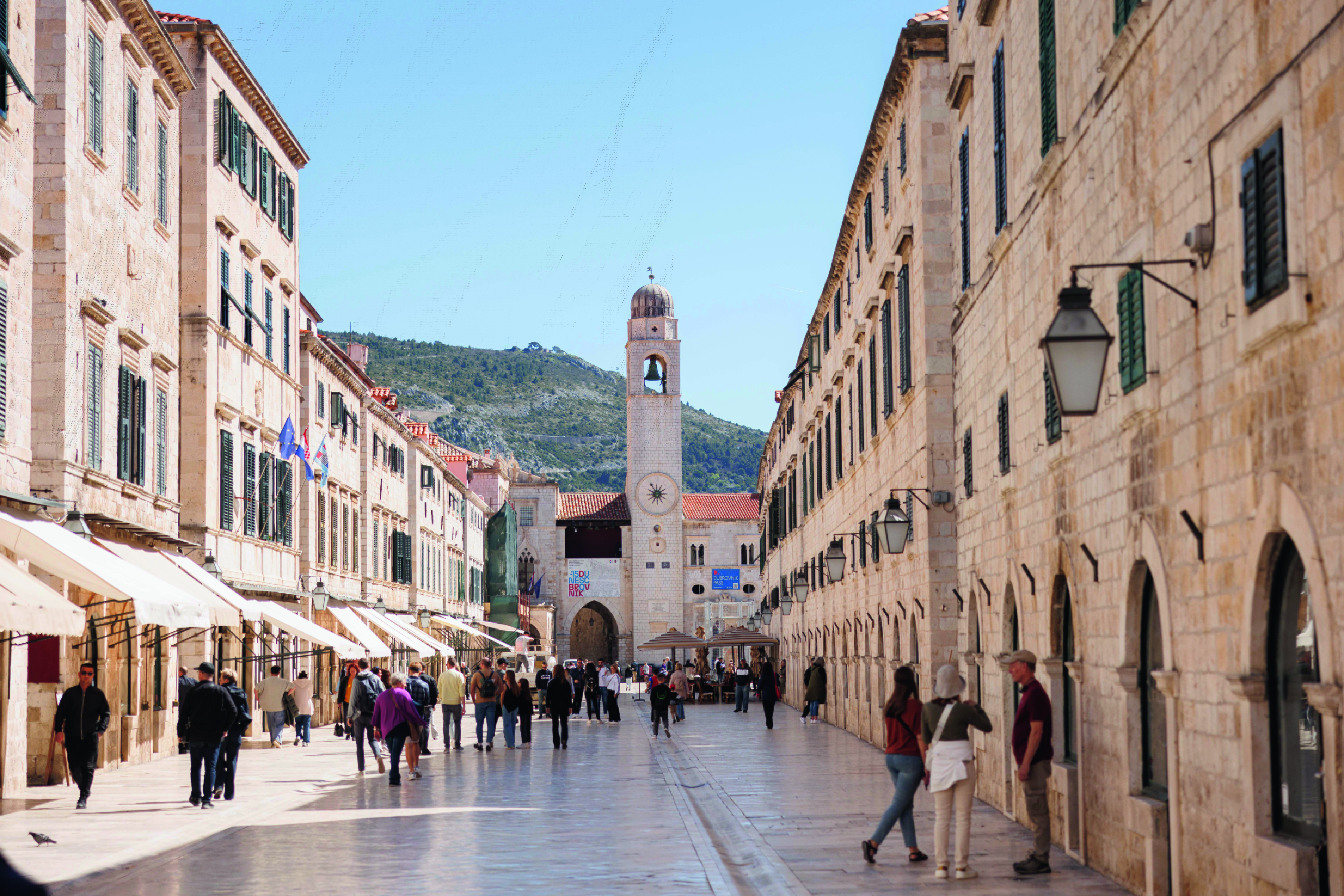 Pomalo: Dalmatia's answer to hustle culture
Sponsored Content A state of mind in Dalmatia, pomalo, which roughly translates as ‘take it easy’, sets the pace of life in this scenic region of Croatia.
-
 A Maldives paradise for wine lovers
The unique wine culture at OZEN RESERVE BOLIFUSHI extends well beyond its carefully curated list with expert tastings, creative pairings and unexpected discoveries to make lasting holiday memories.
-
 Shaping the future of wine & spirits: What’s new at ProWein Düsseldorf?
Sponsored content Returning on 15 – 17 March in Düsseldorf – discover what's new at ProWein in 2026...
-
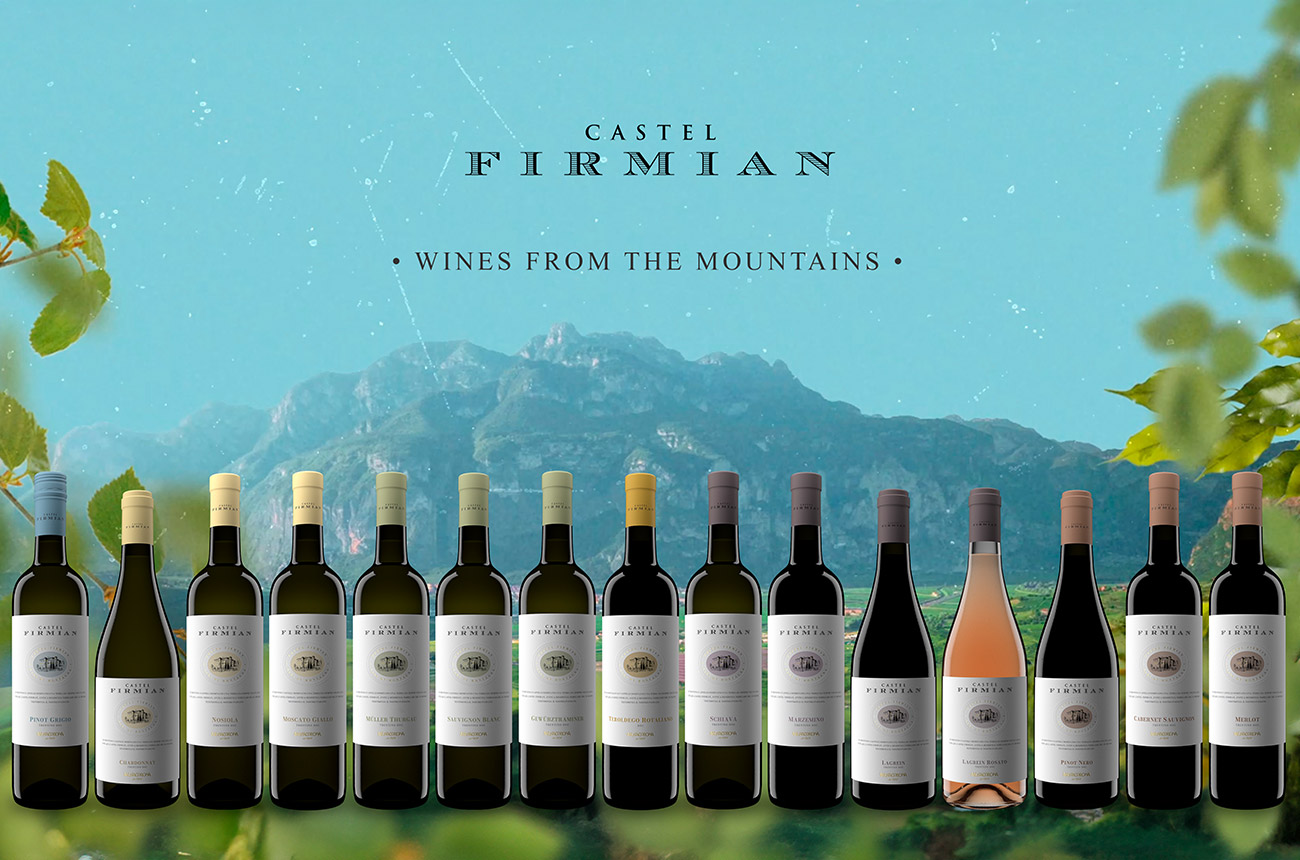 Castel Firmian presents a fresh new look with Wines from the Mountains
Sponsored Content The Trentino winery telling its story with a fresh rebrand...


