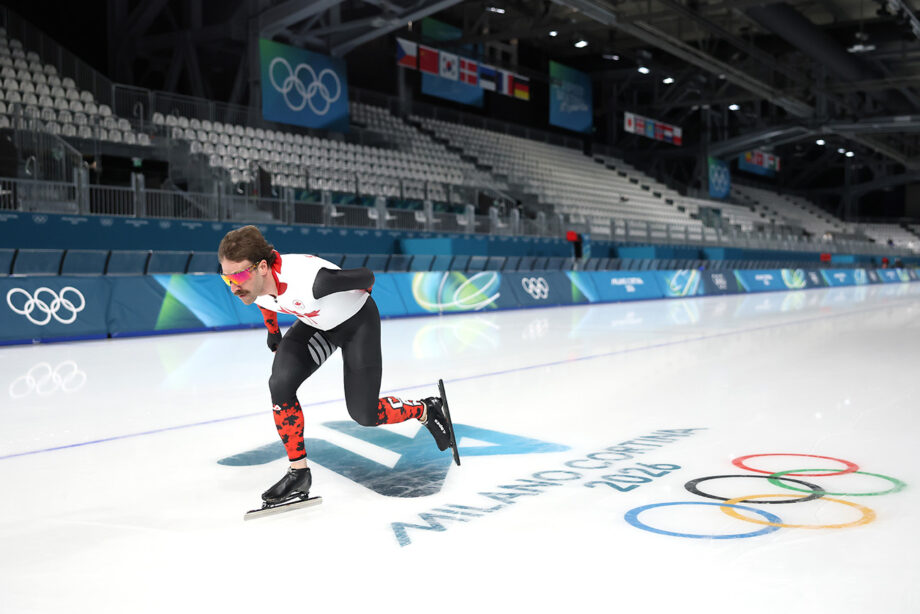
Even before counting scores, the Milano Cortina 2026 Winter Olympics is a blitz of numbers: 116 events in 16 disciplines over 17 days (6-22 February 2026). This has been the case for the past 24 winter games, but what distinguishes 2026 is its sheer geographical breadth.
Official Olympic venues dot the Lombardy and Veneto regions, spread across multiple provinces, two host cities, and dozens of municipalities in northern Italy. It’s the most widespread Winter Games in Olympic history, and when you overlay that footprint (22,000km²) on Italy’s wine map, more telling numbers emerge: 28 DOCs and 15 DOCGs – acronyms denoting silver – and gold-level regulatory rigour and historical significance.
In this lighthearted guide we’ll match the Milano Cortina 2026 disciplines with the local wines to know: when they’re Curling at Stadio Olimpico del Ghiaccio, for example, pop bottles from the nearby UNESCO heritage zone of Conegliano Valdobbiadene Prosecco Superiore DOCG. This champion sparkling is exceptionally easy to enjoy as your team clinches Gold on swingy ice with a massive takeout to clear the house (curling fans will understand).
Whether you’re waving a flag at the finish line or cheering with friends from the couch, it’s a great excuse to discover some of Italy’s champion wines.
Milan
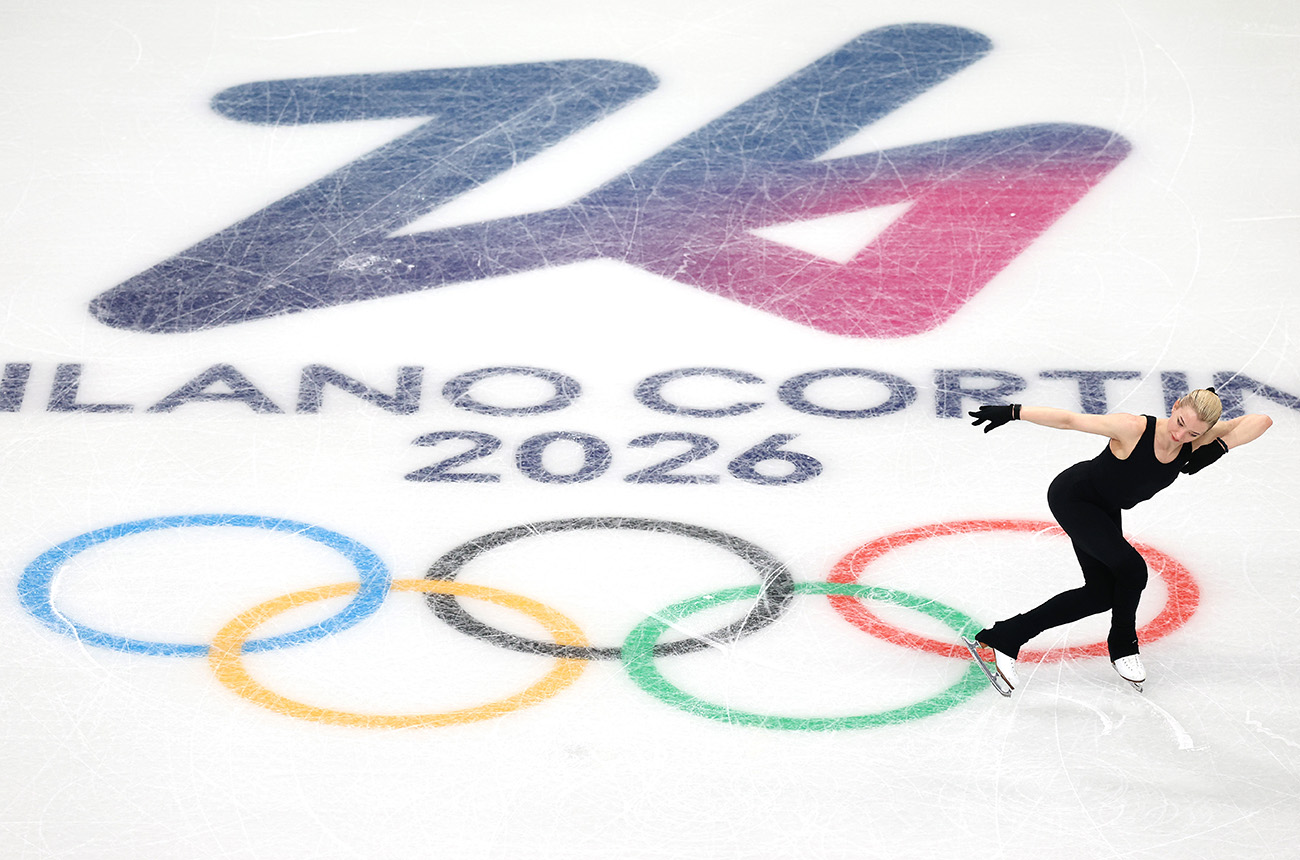
Amber Glenn of Team United States trains on day minus four of the Milano Cortina 2026 Winter Olympic Games. Credit: Matthew Stockman/ Staff/ Getty Images Sport
Opening Ceremony, Figure Skating, Short Track Speed Skating, Ice Hockey
Central and southern Lombardy pour ceremony-worthy bubbles from Franciacorta DOCG and Oltrepò Pavese Metodo Classico DOCG, but there are other notables to consider too: Moscato di Scanzo DOCG offers sweet reds made from a rare indigenous variety, while San Colombano al Lambro DOC is a true ‘vino di Milano’, grown on an isolated crest south of the city that pops out of the flat Po Valley like a pairs’ free skate lasso lift.
When wine producers want to make non-traditional wines, they hip-check formal rules and bottle under the IGT (Indicazione Geografica Tipica) designation instead. Around Lombardy, dive to the line for Sebino IGT, where declassified is code for cool and interesting.
Valtellina
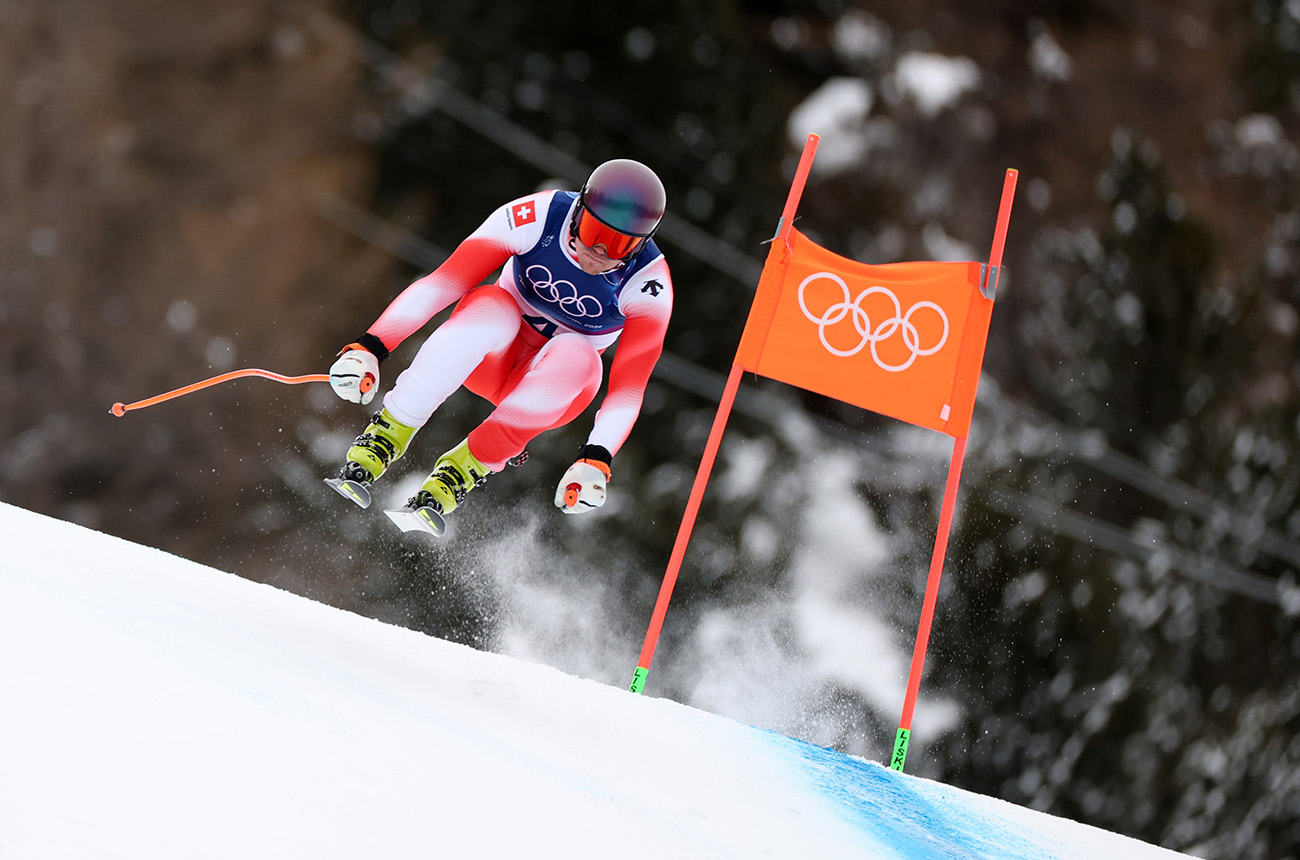
Stefan Rogentin of Team Switzerland during training ahead of the Milano Cortina 2026 Winter Olympics. Credit: Sean M. Haffey / Staff / Getty Images Sport
Men’s Alpine Skiing, Freestyle Skiing, Snowboarding, Ski Mountaineering
Thirty-percent of snow events at the 2026 Winter Olympics carve through Valtellina, where Sondrio-province vineyards share alpine air with Olympic courses.
Red wines here are predominantly made from Nebbiolo (known locally as Chiavennasca), offering rich finesse to warm you up while slalom heroes in sleek Lycra send gnarly runs above the ridgeline.
As rounds advance toward the finals, summit the quality pyramid via young and fresh Valtellina Rosso DOC, through expressive and complex Valtellina Superiore DOCG, to the concentrated and iconic Sforzato di Valtellina DOCG (made with dried grapes).
And when strict rules cramp slopestyle, Alpi Retiche IGT designates mountain whites and international-style reds grown on terraces overlooking legendary slopes.
Anterselva / Antholz
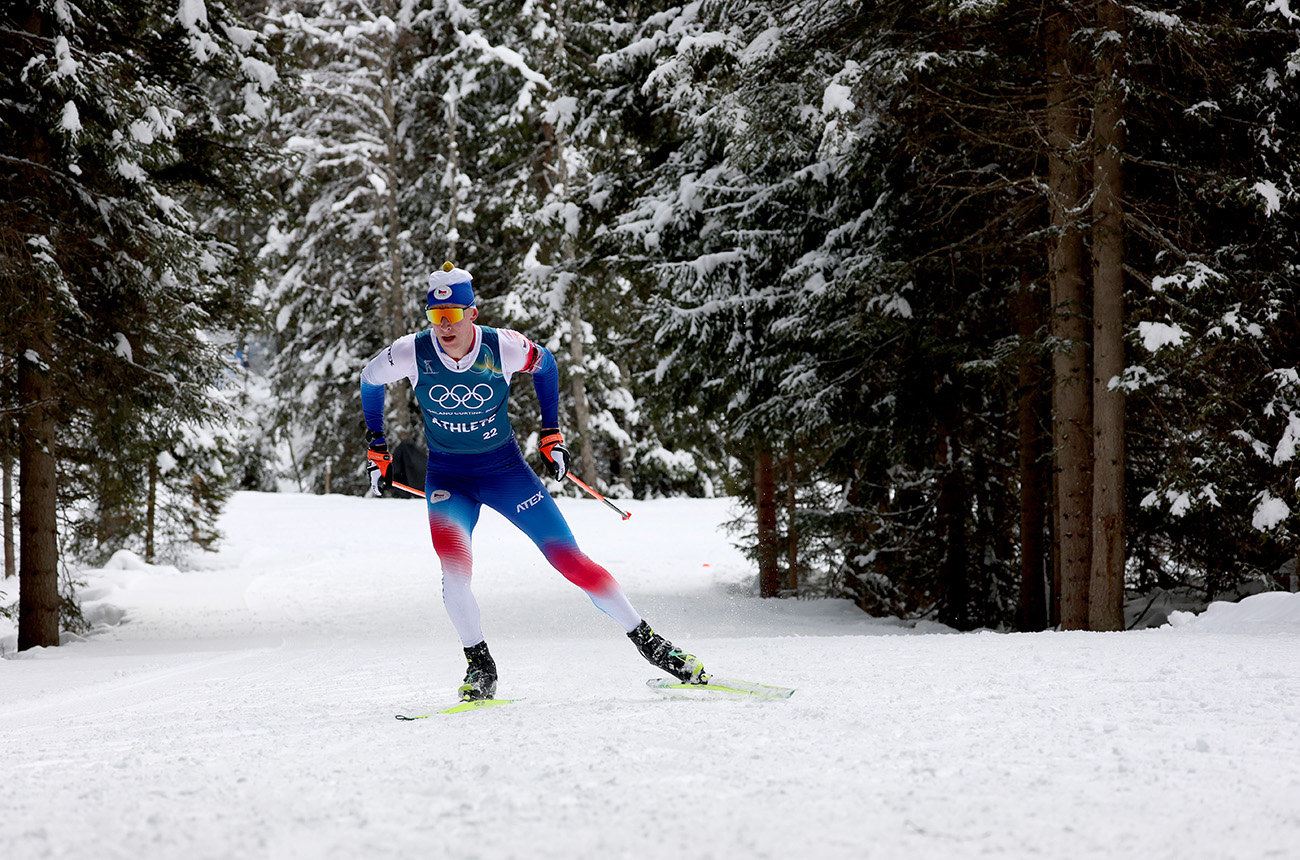
Petr Hak of Team Czechia trains on day minus three of the Milano Cortina 2026 Winter Olympic Games at Anterselva Biathlon Arena. Credit: Harry How/ Staff/ Getty Images Sport
Biathlon
In Südtirol, you’ll find the bilingual, high-amplitude wines of Alto Adige’s Bolzano province that blend German precision with Italian charm. A wall of Alpine ridges blocks cold air, while mild Mediterranean currents funnel up into the valleys.
Warm summers and sunny winters here fuel one of Europe’s most ancient wine cultures – a tradition of family wine producers hand-working tiny, steep plots. The result is a region ripe with podium expressions of crystalline minerality in Pinot Grigio, Chardonnay, Pinot Bianco and Kerner, plus Pinot Nero that’s thriving in the face of climate change.
As biathletes gasp for oxygen atop the brutal Hubertus Climb, inhale the beguiling perfume of Alto Adige Gewürztraminer.
Val di Fiemme & Baselga di Piné
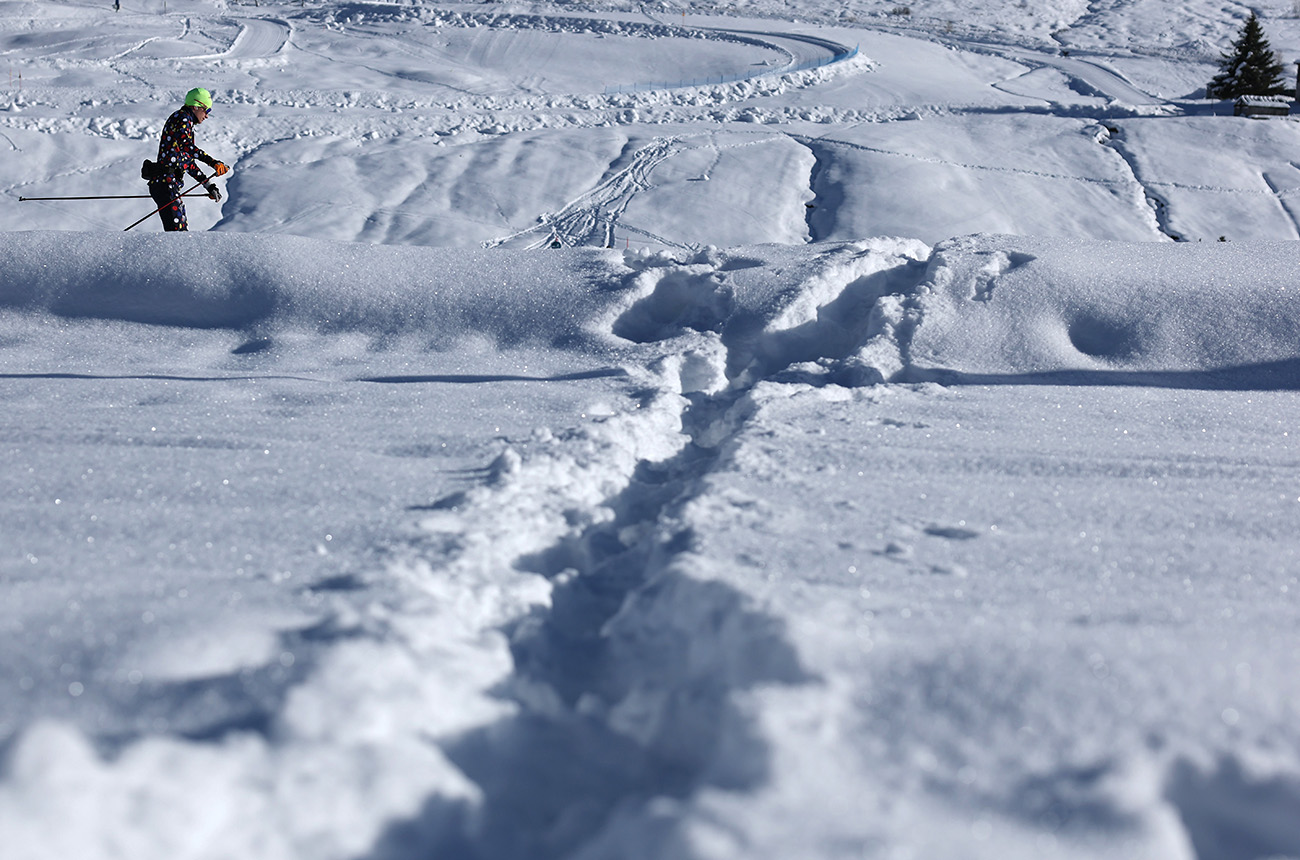
Cross country skiing prior to the Milano Cortina 2026 Winter Olympics. Credit: Patrick Smith/ Staff/ Getty Images Sport
Cross-Country Skiing, Nordic Combined, Ski Jumping
Nordic Combined is the perfect metaphor for Trento DOC’s mountain sparkling wines. High-flying temperature swings between day and night – and summer and winter – are the dramatic Ski Jumping events, while long lees ageing is the Cross-Country endurance that propels gold medal elegance, freshness and persistence.
Vigneti delle Dolomiti is a super-regional IGT spanning Trentino and Alto Adige, home to cult wines that eschew the DOC system for freedom and style points. When athletes and fans ascend from Verona to the Val di Fiemme, they’ll pass through Vallagarina IGT, a powerhouse all-rounder of the Adige Valley known for Bordeaux varieties and indigenous reds like Marzemino and Enantio.
Verona
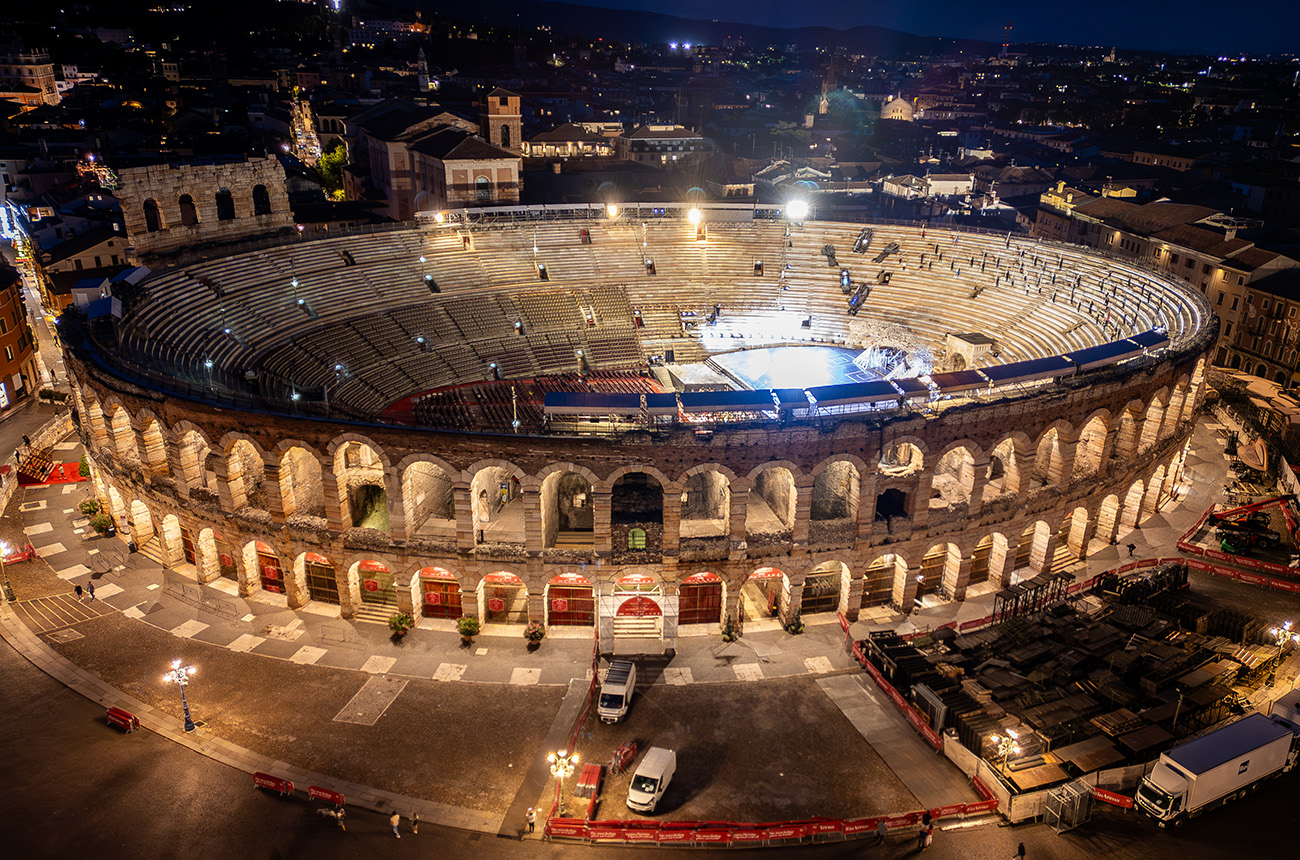
Aerial drone view from Piazza Bra looking at the Verona Arena, an old Roman amphitheatre built in the 1st century AD. Credit: K Neville/ iStock Unreleased via Getty Images
Closing Ceremonies
Olympians take their final lap inside L’Arena, Verona’s 2,000-year-old still-beating heart. Flanking this ancient amphitheatre is a sweep of wines ranging from light, bright, and crushable to full-bodied and ageable.
Soave Superiore and Amarone della Valpolicella are the flag-bearer DOCGs for Veronese white and red, but rising-star DOCs Lessini Durello and Lugana are stealing the spotlight with epic geology and native varieties.
Durella grapes make for razor-sharp bubbles from absurdly cool columnar volcanic basalt, while Turbiana grows on a postage stamp of terroir at the southern tip of Lake Garda, formed when retreating glaciers carved the lake like a fjord.
The latter variety is the grape of Lugana. These mouthwatering whites brim with sapidity – that mineral-salty-savoury snap we love in aged cheeses like Grana Padano, Parmigiano Reggiano’s creamier cousin, which originates just 25km to the west. It’s the natural pairing for a torchbearer en route to the French Alps for Winter Olympics 2030.