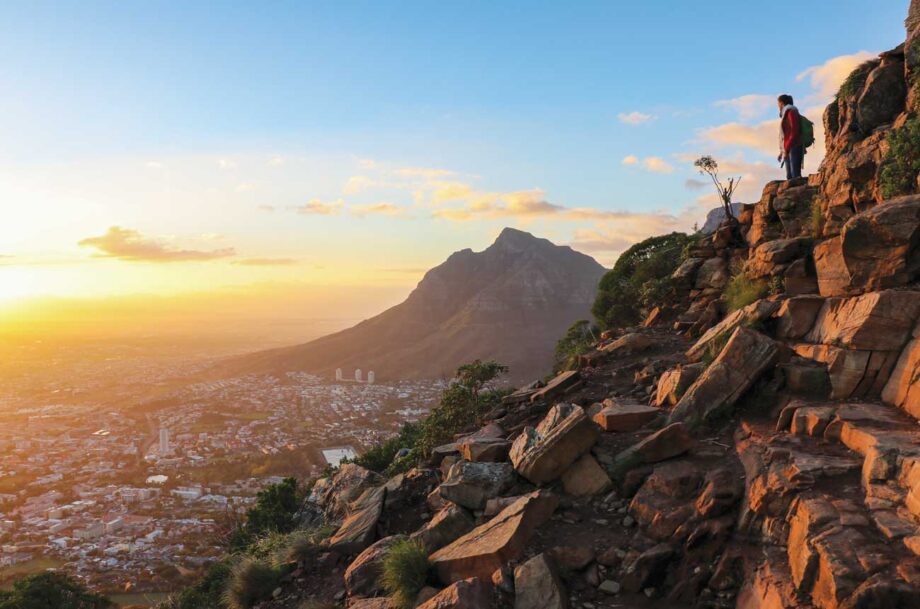
As the plane dips into Cape Town’s airspace, the granite monolith of Table Mountain rises to greet you. Its presence magnetises the city, one of the few in the world threaded by a national park. As its granitic folds amble in the direction of Cape Point, its slopes form Constantia, South Africa’s oldest wine region.
The mountain is a reminder of the Cape’s ancient geology, conservatively put at 700 million years old. Mountains are everywhere. Stellenbosch is shaped by four major ranges: Franschhoek is hugged by a bowl of them, the Swartland is the most mountainous of all, while the dramatic corridors of the Breedekloof and Robertson will have you looking out for hobbits.
With winemaking records dating back to the mid-1600s, a trip here is to be immersed in an ongoing dialogue between past and present. Visually, too, picture the white Cape Dutch architecture shrugging up from the earth and slinking side-by-side with sleek, modern wineries.
Hosts with the most
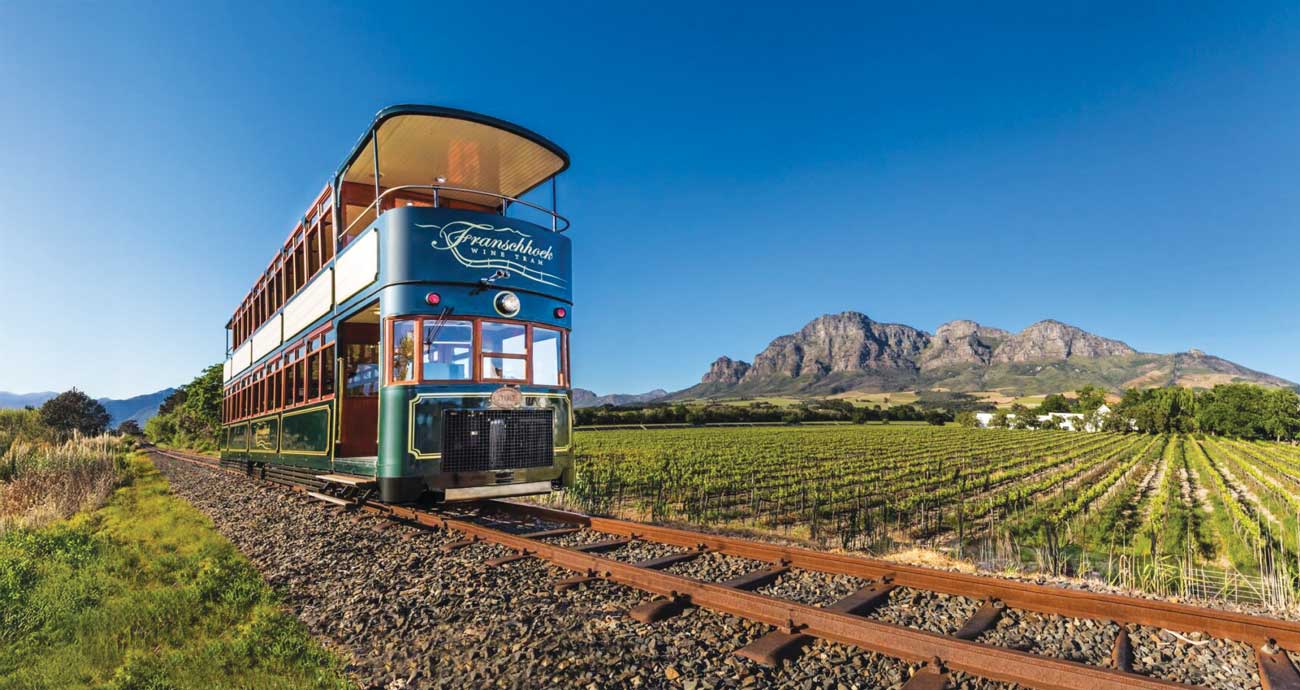
The Franschhoek Wine Tram
Hospitality here has evolved into an art form. Expect guided tastings, cellar and vineyard tours, some even done safari-style at estates such as Jordan and Villiera. Alongside this is one of the world’s most dynamic food scenes, with its highly original, seasonally focused and affordable fine dining. Places to stay range from centuries-old homesteads to luxurious hotels and nature lodges.
Connecting these experiences is a network of well-established wine routes. Some have sub-routes, such as Cap Classique in Franschhoek. Choose to self-drive or navigate via the Wine Tram: the open-air carriage rolls through vineyards, allowing passengers to hop on and off. The Durbanville Wine Safari links estates via open game-viewing vehicles; while Wellington, Tulbagh and Stellenbosch invite exploration along walkable wine routes.
Stellenbosch, Franschhoek, Paarl and Wellington lie close together and are easily explored by car or guided tour, with just 30-60 minutes between them. In under an hour you can be in the vast, open-skied Swartland, northwest of Paarl.
Harvest (January to March) is a buzzy time to visit. A rush of parties coincides with South African wine’s official birthday on 2 February – the date in 1659 when Dutch colonial administrator Jan van Riebeeck recorded the successful first pressing of grapes from the Cape. Block parties known as ‘the Stellenbosch Street Soirées’ happen in summer, too, between November and March. With experiences to suit every traveller, there has never been a better time to visit the Cape Wine Route.
My perfect day in Hermanus
Less than two hours from Cape Town, Hermanus is famous for its land-based whale watching (June to November). It’s also home to the Hemel-en-Aarde wine region – the name means ‘Heaven and Earth’. Divided into three wards, it’s known for top Chardonnay and Pinot Noir, and is ideal to explore in a day as wineries lie within easy reach of one another along the serpentine R320 Hemel-en-Aarde Road. Tim Hamilton Russell established the first modern wine farm here in 1975, marking the origin of what locals call ‘little Burgundy’.
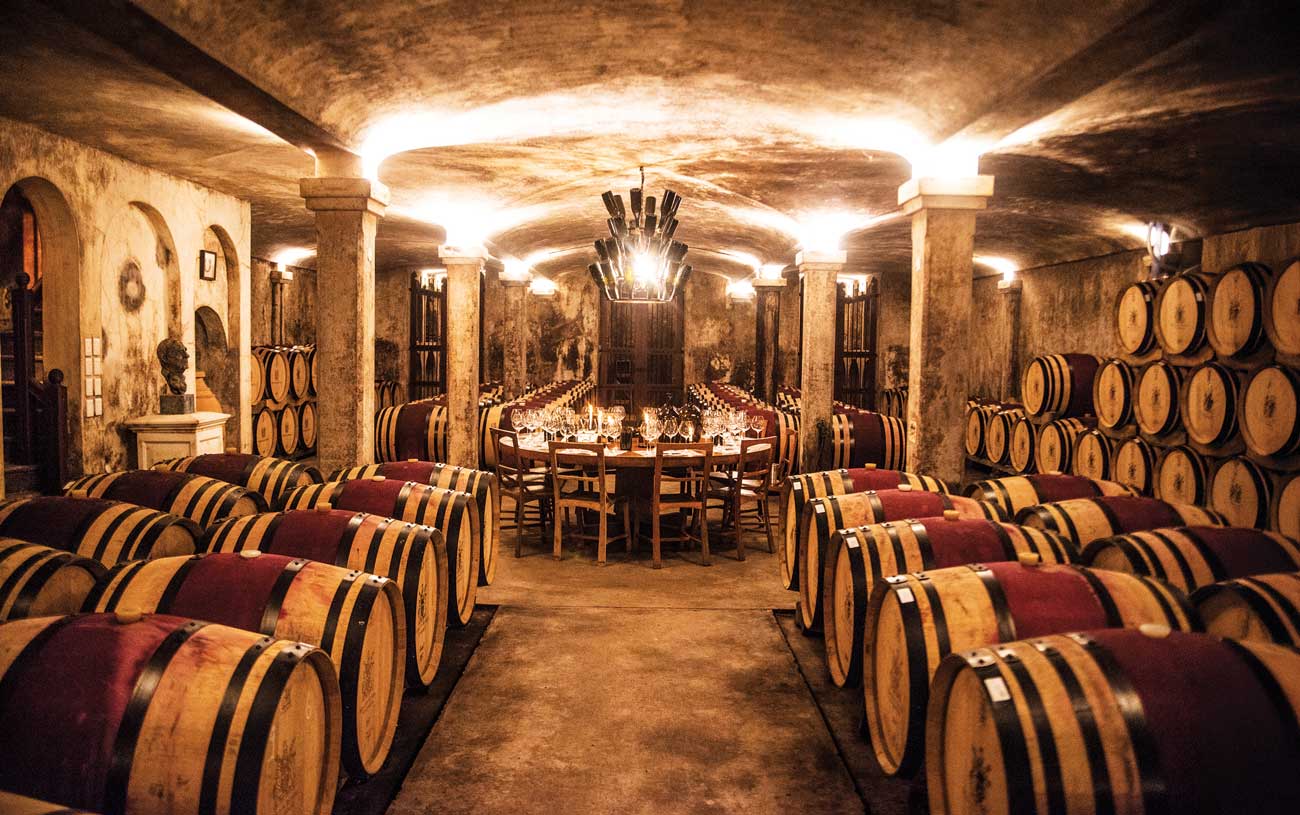
Underground barrel cellar and tasting space at Hamilton Russell, Hermanus
Morning & lunch
Begin at Hamilton Russell. Housed in a historic whitewashed cottage near the cellar, the tasting room overlooks a reed-fringed dam. Its premium Chardonnay and Pinot Noir have all but set the tone for Burgundy-style wines in South Africa. Then head to the newest kid on the block, Hasher Estate, to enjoy your tasting with snacks in the fynbos-encircled grounds. Nearby, family-operated Newton Johnson was set up in the mid-1990s and has earned a formidable reputation for the precision and purity of its Pinots and Chardonnays. Continue to Spookfontein for a seasonal-cuisine lunch, where the glass-and-stone tasting room seems to hover over the vineyards, offering sweeping views to the sea.
Afternoon
Something more intimate, just five minutes’ drive up the R320, is a producer fast gaining cult status: Restless River (Email: anne@restlessriver.com) is known for its Chardonnay and intriguing, cool-climate Cabernet Sauvignon. Visits are by appointment only, and include a vineyard and cellar tour, followed by a tasting in the family home. Across the road, Storm Wines follows the same approach, with tastings hosted by Hannes and Nathalia Storm in their boutique cellar. Here, you can taste the very pulse of Hemel-en-Aarde Pinot: Storm is the only producer crafting wines from all three of the valley’s wards.
Evening
Make your way back down to Hermanus for dinner. In the historic Old Harbour, Perlemoen, ‘abalone’ in Afrikaans, faces the water and serves casual fare. When in season, be sure to try its prized namesake local seafood delicacy. The Marine Hotel is one of South Africa’s grand old seaside hotels. Perched above Walker Bay on the Hermanus cliff path, it offers timeless elegance, ocean-facing rooms and front-row seats for whale watching.
Cape wine route highlights
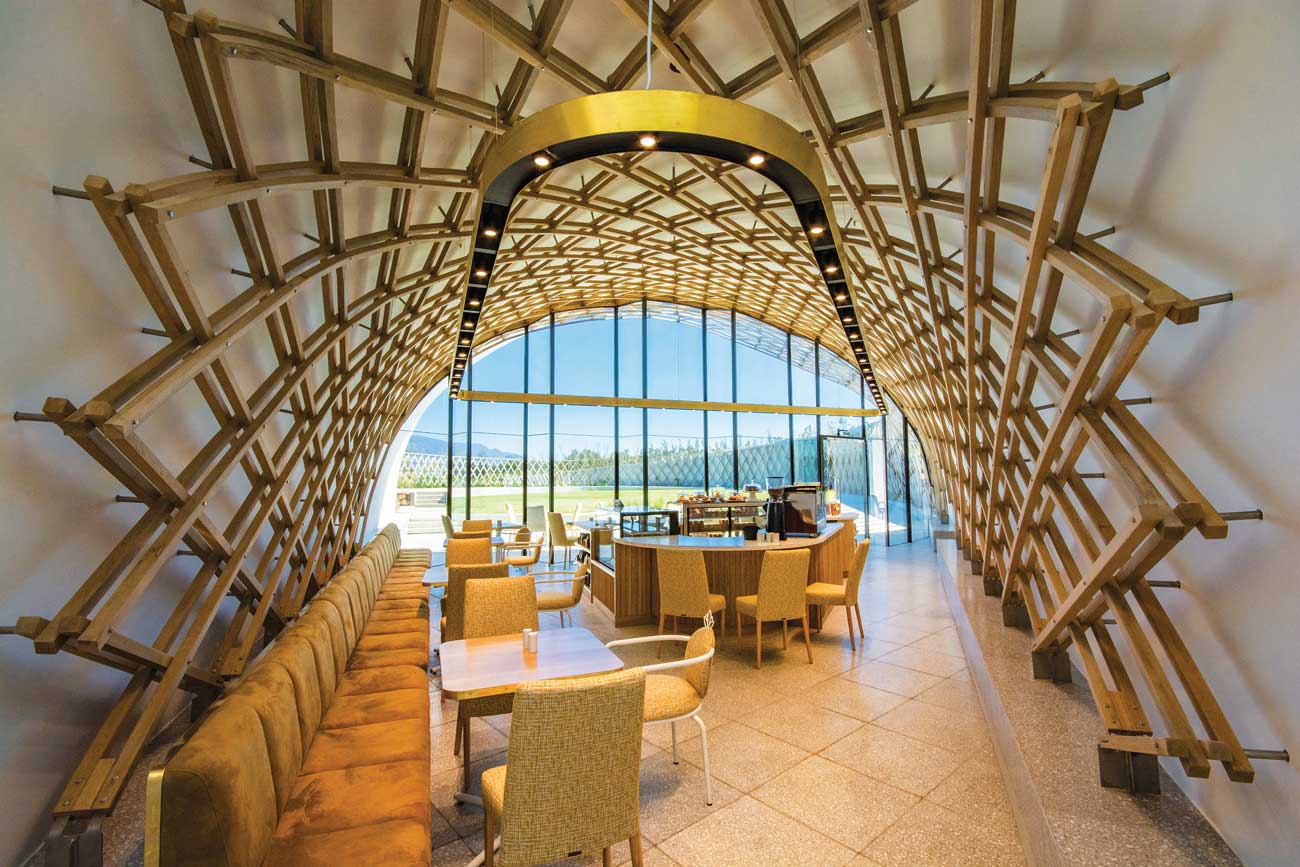
Spens restaurant at Bosjes, near Worcester. Credit: Claire Gunn
Located in leafy Constantia, often called ‘Cape Town’s Vineyard’, Groot Constantia offers some of the finest examples of Cape Dutch architecture. Founded in 1685, this national monument is the country’s oldest wine estate. Stroll through its manicured lawns, admiring the ornate gables, on-site museum and art galleries. There are two restaurants, as well as wines to taste. Don’t miss the historic sweet wine Grand Constance, which has origins back in the 18th century. Neighbour Klein Constantia makes Vin de Constance, another icon from the same period.
Under an hour from Constantia lies Stellenbosch, the country’s first official wine route, established in 1971 and now home to more than 150 wineries. Venture further south into Somerset West to reach the winelands’ crown jewel, Vergelegen. Founded in 1700, this 3,000ha estate (117ha of vineyards) is among the Cape’s most storied, with numerous themed gardens and large swathes of protected indigenous vegetation. Tastings take place in a glass-walled space overlooking the vineyards. You’ll find a variety of dining options, including regular pop-up experiences, to please most.
Between Franschhoek and Paarl, Babylonstoren sprawls at the foot of the Simonsberg. The 1692 Cape Dutch farm has been reimagined as a contemporary working estate, centred on its expansive gardens. Pick your own fruit and veg, play pétanque, swim in the farm dam, hike the conical hill that gives the farm its name, or cycle through the vineyards. The estate is home to a boutique hotel, spa, bakery and two acclaimed restaurants. Wine tastings take place in a glass-walled cellar beside The Story of Wine, a museum that’s more like an art installation, tracing winemaking mythology as well as history in Babylonstoren’s inimitable style.
Nearby Paarl (‘pearl’), takes its name from the glistening granite dome that rises above the town, a landmark you’ll spot long before you reach Fairview and its neighbour Spice Route, both owned by Charles Back. From this vantage, the dramatic sweep of the Simonsberg mountains commands attention to the south. At Fairview, enjoy estate-made cheeses and a diverse range of wines while watching the resident goats climb the spiral ramp of their famous tower. Next door, discover Spice Route’s community of local artisans, distillers, craft brewers, chocolatiers and even glassblowers.
Moving away from the coast to Robertson, check out family-run Weltevrede. On a one-hour candle-lit tour of the Chardonnay Caves you’ll go underground into a network of repurposed concrete wine tanks, where you’ll learn the grape’s history culminating with a poetry reading in the deepest part. There’s a Cap Classique sparkling wine experience along similar lines, and you can even bottle your own bubbles. The estate’s Kapokbos bistro is a delicious way to crown things off.
‘Welcome to Chenin Country’, the sign proclaims as you travel back west into the Breedekloof, and yes, this is the king grape here. Meander through the valley, soaking up the unpretentious hospitality of its down-to-earth farms, many offering accommodation with a focus on agritourism. A short drive brings you to the architectural marvel that is Bosjes. The estate’s ethereal chapel, with its swooping white roof inspired by a bird in flight, appears to float on a reflective pond. The landscaped gardens, sculpture walk and stylish restaurant add to the appeal.
Your Cape wine route address book
Accommodation
Ideally positioned between Franschhoek, Stellenbosch and Paarl, offering chic luxury in restored heritage buildings. Enjoy hiking, biking, markets and restaurants, as well as bespoke activities; the children’s Tree House programme is particularly magical.
Experience the Swartland like an insider at this boutique bolthole run by Prisca Llagostera, wife of natural winemaker Jurgen Gouws of Intellego. Expect sunrise vineyard braais with local producers and private tastings at cellars not open to the public.
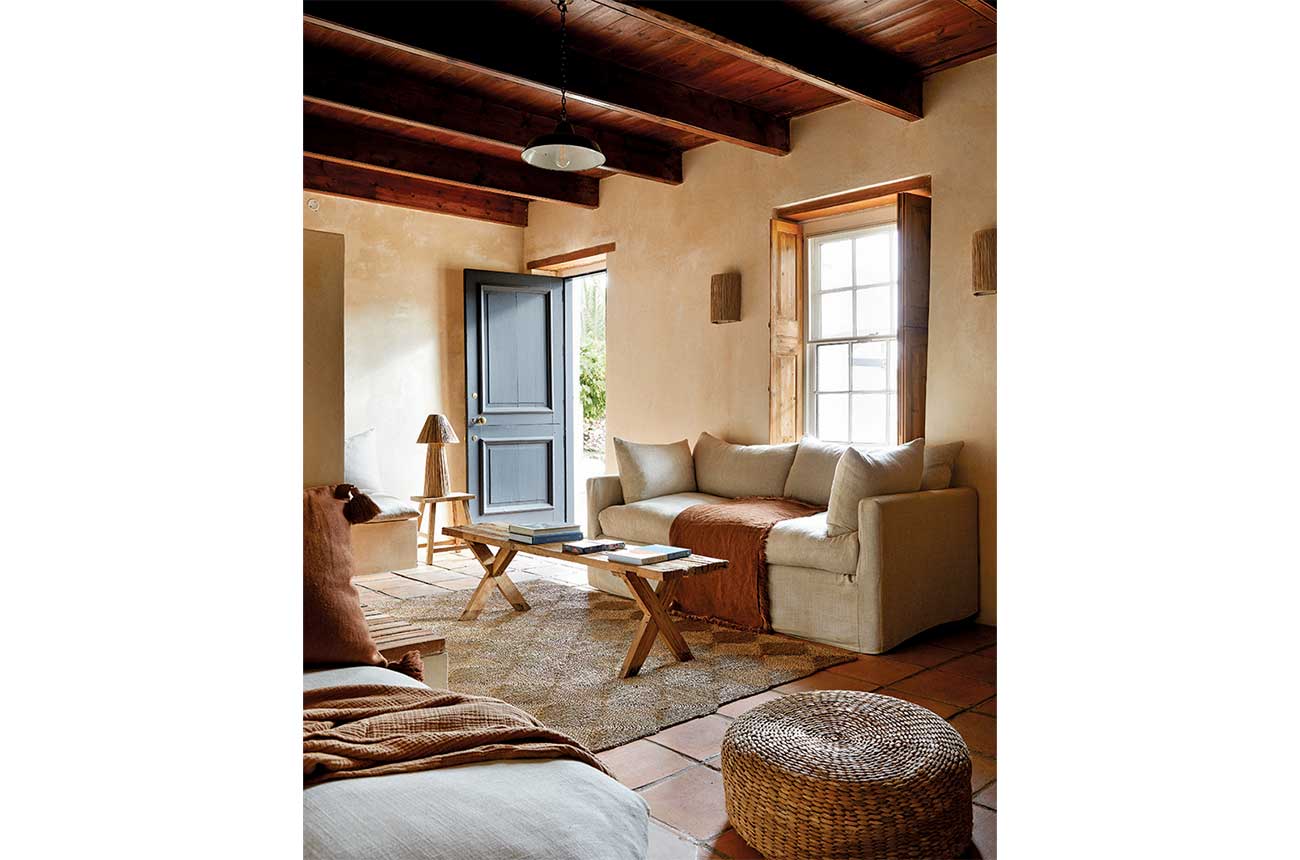
Kokos Huis. Credit: Elsa Young
Cape Dutch heritage meets modern style, with a focus on sustainability. This new hotel on the fringe of Stellenbosch is a country dream, with airy, art-filled interiors, a spa and access to all this working wine farm has to offer.
Restaurants
Chefs Warehouse at Beau Constantia
Perched above Constantia valley, Chefs Warehouse promises panoramic vineyard views while indulging in chef Ivor Jones’ punchy, seasonal small plates. The wine list features estate bottlings alongside a top local selection.
High up in the Hemel-en-Aarde, Creation is a hub of creativity. The estate offers a variety of innovative, seasonal pairing menus that engage all the senses, from touch to taste. A la carte, breakfast and brunch options are also available.
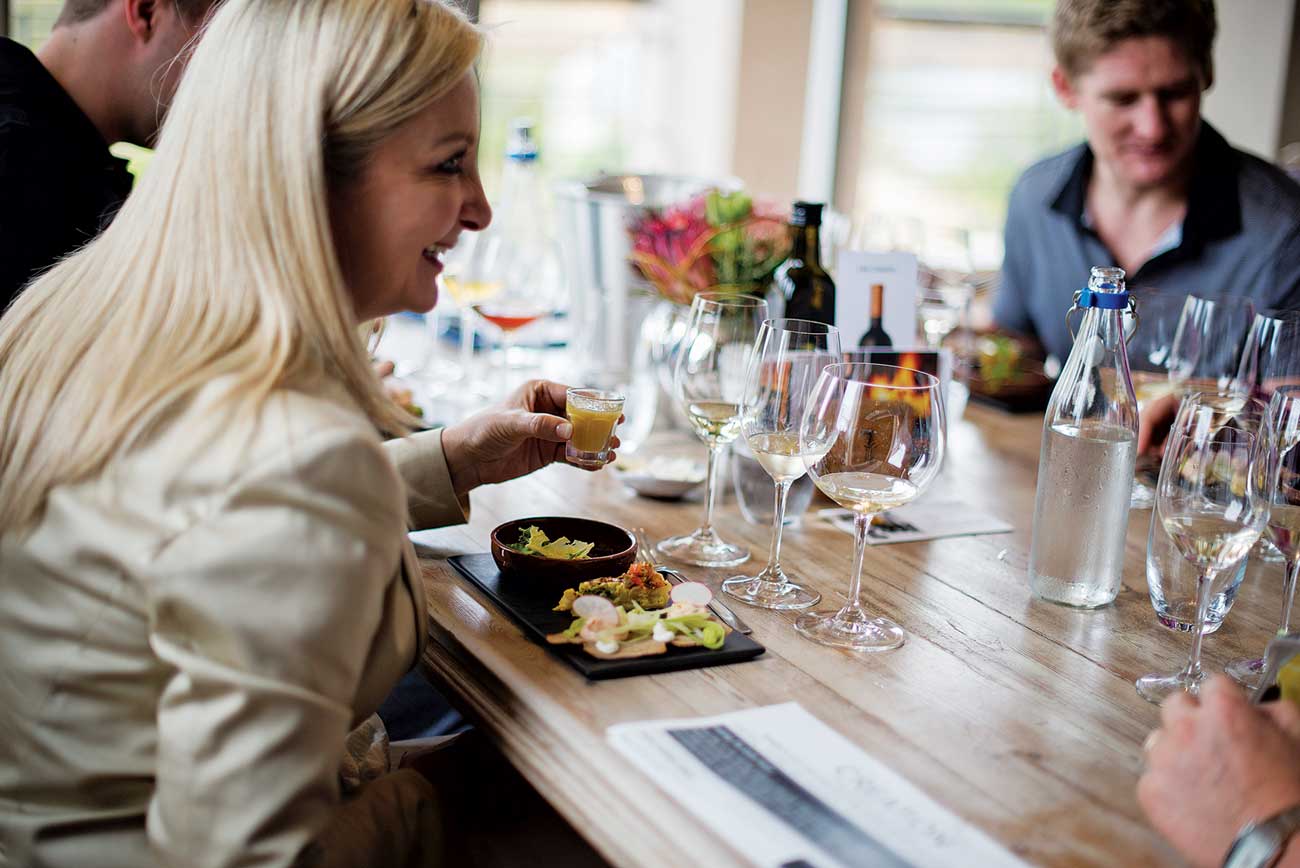
Creation Wines. Credit: Claire Gunn
In Stellenbosch’s Polkadraai Hills, offering rolling vineyard views and chef Marthinus Ferreira’s delectable, ingredient-focused dining. The terrace is ideal for long lunches paired with Jordan’s acclaimed wines.
Things to do
On the historic L’Ormarins wine estate, this museum showcases more than a century of automotive history. Join a guided tour, grab a bite at the deli and take the tram across to Anthonij Rupert Wines for a tasting.
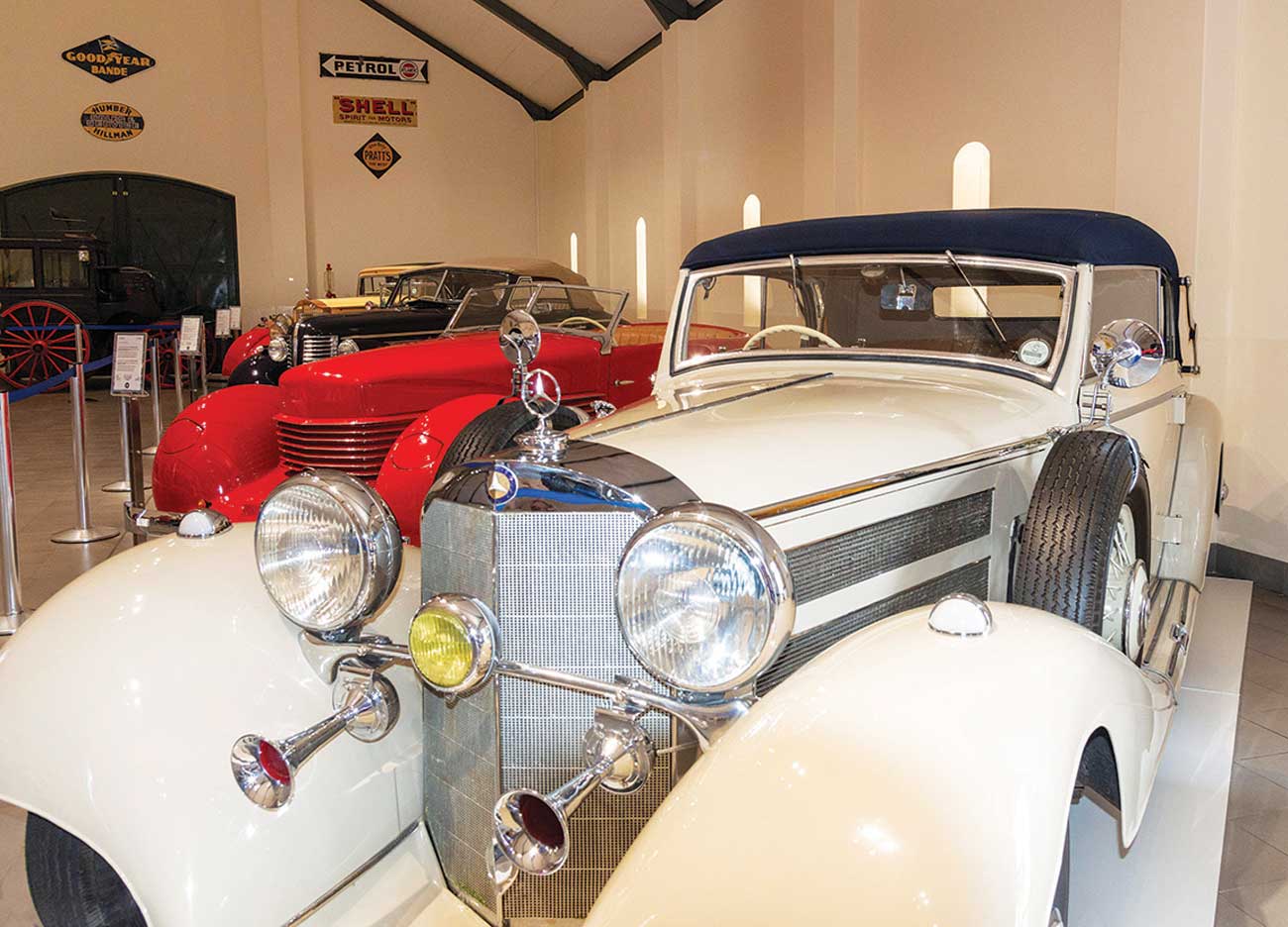
Franschhoek Motor Museum. Credit: Wendy Johnson / Alamy
Root44 Market Experience
Stellenbosch’s weekend buzz with a lively scene of local wine, craft beer, food stalls and live music under the oaks. Visit The Wine Emporium for its wine shop, restaurants and art gallery.
From booking private tastings and helicopter visits to family-friendly, cultural as well as food-and-wine pairing tours, Wine Flies has you covered.
How to get there
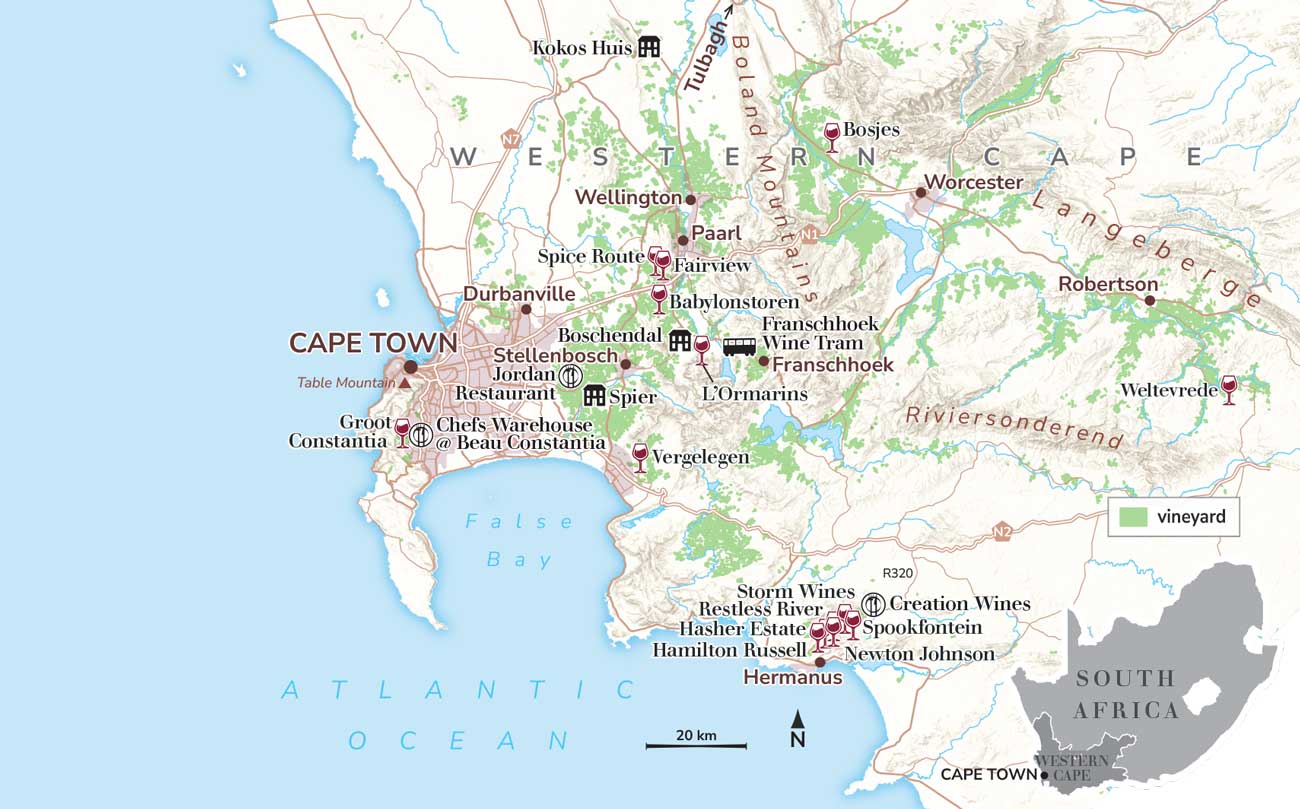
Credit: JP Map Graphics Ltd.
International flights touch down at Cape Town International (CPT), and it’s about 20 minutes to the city centre. The majority of the winelands are easily accessible from CPT: it’s about 25 minutes’ drive to Constantia and 40 minutes to Stellenbosch (the region is large, so allow up to an hour end-to-end); Franschhoek and the Swartland can be reached in just over an hour, and Hemel-en-Aarde in 90 minutes.