
Scroll down to see the latest Languedoc content
Languedoc and Roussillon in the south of France stretch from the Rhône valley in the east to the Spanish border in the southwest.
Common red varieties include Syrah, Grenache Noir, Carignan and Mourvèdre, and whites include Grenache Blanc, Carignan Blanc, Macabeu, Rolle Piquepoul, Marsanne and Roussanne.
History
Languedoc has been an important winemaking centre for several centuries, with the port of Sète and the link to the Atlantic via the 17th century Canal du Midi providing key trading routes.
Going further back, there is evidence of Roman winemaking in the area. The ruins of a first century AD winery lies near Clermont l’Herault, west of Montpellier.
The Mediterranean climate, variety of soils, and varying topology means the region has long been considered very suitable for the production of wine.
However, Languedoc-Roussillon’s heritage has often been overlooked in the modern era because the region gained a reputation for producing quantity over quality.
Phylloxera
Vast swathes of vineyard were destroyed by the deadly phylloxera bug in the late 1800s, affecting most European regions.
It was actually a botanist from Languedoc, Jules Emile Planchot, who is credited with fighting back against phylloxera after helping to discover that the American rootstock was resistant to the disease.
1907 and the rise of militant winemakers
Languedoc has always been a hotbed of political protest and it is considered the birthplace of French socialism.
In 1907, thousands of winemakers poured into the streets of the region’s major cities to complain at cheap wine imports, mainly from from North Africa, that they deemed illegal – in part because of the added sugar in the wines.
French troops were sent in to control the situation, but shots were fired and six people died. There was another death in 1976 during more winemaker protests in the region.
Languedoc is home to the Comité d’Action Viticole – or more recently, the Comité Régionale d’Action Viticole.
Known as CRAV, bands of member producers have intermittently attacked foreign wine lorries, storage areas and government buildings in the area.
21st century and beyond
Today, the face of Languedoc-Roussillon wine has drastically changed. More commercially viable grape varieties have been planted, and names such as St Chinian, Faugères, Corbières, Pic St Loup and Terrasses du Larzac are increasingly known among sommeliers and wine lovers – and the wines are often tipped as good value bets on restaurant lists.
Tourism has also surged. Long sandy beaches and striking scenery complement the region’s mix of old and new in its cities, such as regional capital Montpellier and also Nimes, Narbonne, Carcassonne and Perpignan.
-
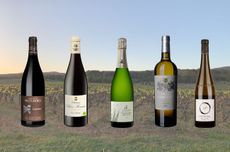
‘I tasted 700 Languedoc wines over the last year, here are my 10 best under £20’
Southern French sips that are as good as a holiday…
-
Languedoc under the lens: Vintages and voices from a region in flux
2022 and 2023: producers to know and wines to buy
-
Younger generations: Château Coupe-Roses & Boschkloof
All change in Minervois and Stellenbosch...
-
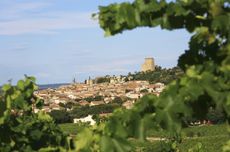
Wines of the Year 2025: The Rhône, Champagne & regional France
The best wines from across France...
-
Where to go in Carcassonne: A wine lover’s guide
Where to eat and drink...
-

Decanter Cellar: 25 glorious white & rosé wines to see out the summer in style
Beat the heat with these wines...
-
Wines of the Year 2024: Champagne, Rhône & Regional France
The best French wines of 2024...
-
Languedoc whites: Panel tasting results
It's a riot...
-
Terrasses du Larzac: The untamed freshness of the high Languedoc
With 10 wines full of Larzac charm...
-
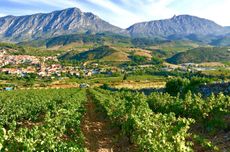
Walls: The secret to Roussillon’s stunning whites
Brilliant southern French whites that deserve more attention...
-
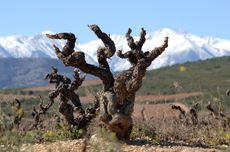
Walls: Roussillon’s old vines are its best drought defence
The old vines effect: romanticism or reality?
-
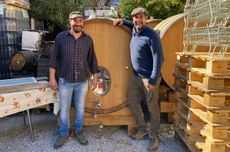
Walls: Domaine Danjou-Banessy, rising star of Roussillon
Wines to make your heart race...
-

Château Fabre Gasparets: 20 vintages from Languedoc’s Corbières Boutenac cru
History, evolution and tasting notes from 1994 to 2020…
-
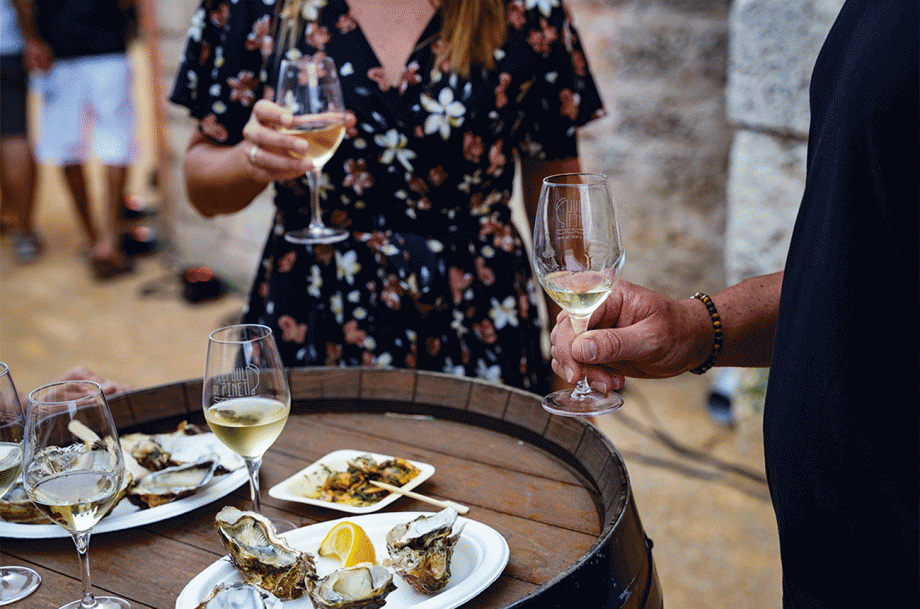
Picpoul de Pinet: 10th anniversary and 10 wines to try
Refreshing, dry white wines perfect for summer...
-
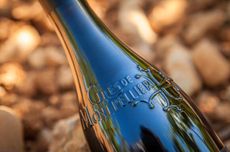
Languedoc’s Grés de Montpellier gains appellation status
The first new appellation since 2017...
-
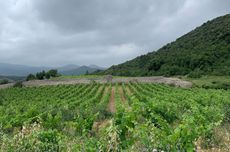
Terrasses du Larzac report 2023: Latest releases tasted
The top-scoring and best-value wines available - snap them up quick...
-
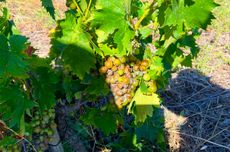
Languedoc harvest 2023: A challenging year of extremes
A year that required resilience in the face of Mother Nature...
-
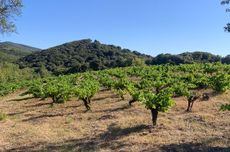
Languedoc report 2023: Latest releases tasted
The best of what France's south has to offer...
-
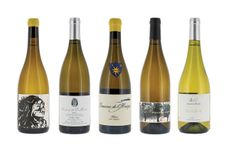
Roussillon white wines: panel tasting results
The results from a 84-wine panel tasting...
-
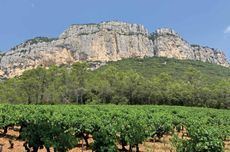
Ten reasons to rediscover Languedoc plus the wines to seek out
Rethink this vibrant and diverse region, and pick some top buys...
-
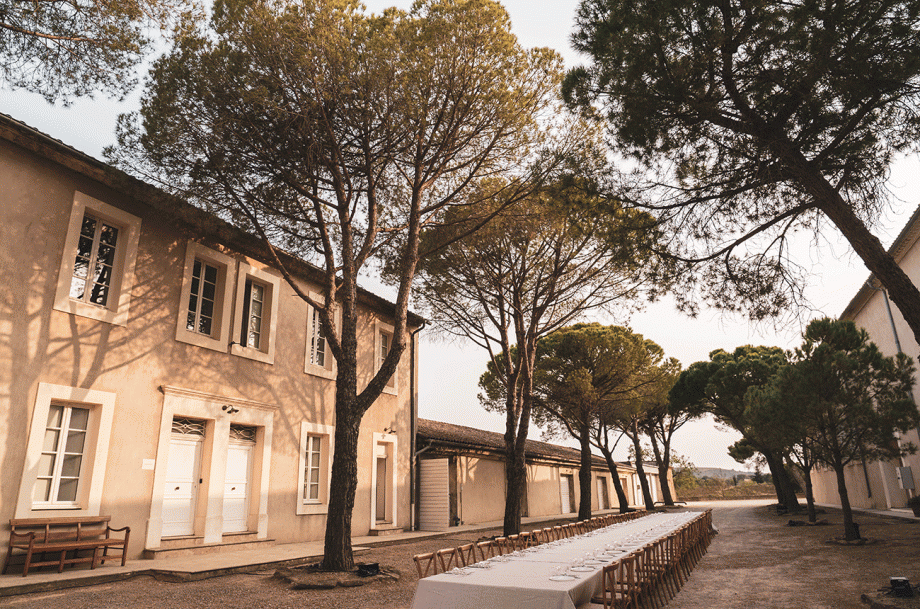
Revisiting Languedoc’s Château d’Aussières
Languedoc's Château d'Aussières joins La Place de Bordeaux...
-
St-Chinian report 2023: Latest releases tasted
Characterful wines, when not over-extracted....
-
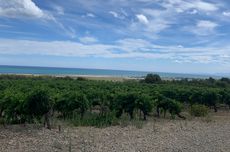
La Clape report 2023: Latest releases tasted
Don't miss the whites from this appellation...
-
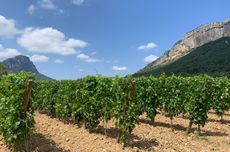
Pic St Loup report 2023: Latest releases tasted
The wines to seek out and producers worth knowing from this young appellation...
-
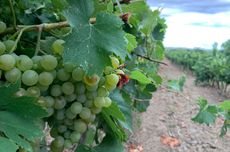
Picpoul de Pinet report 2023: Latest releases tasted
Consistency and freshness...
-
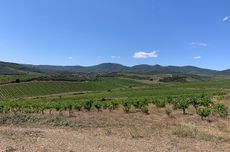
Faugères report 2023: Latest releases tasted
A source of elegant wines that can reach great finesse...
-
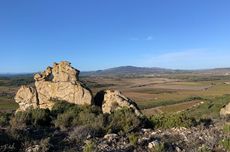
Corbières & Minervois report 2023: Latest releases tasted
It pays to know a few key names in this vast appellation...
-
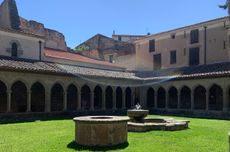
Limoux report 2023: Latest releases tasted
The new wines to seek out from the Languedoc's atypical Limoux...
-
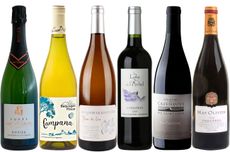
Languedoc report 2023: Best value wines
Great Languedoc wines at affordable prices...
-
Languedoc report hub page
-
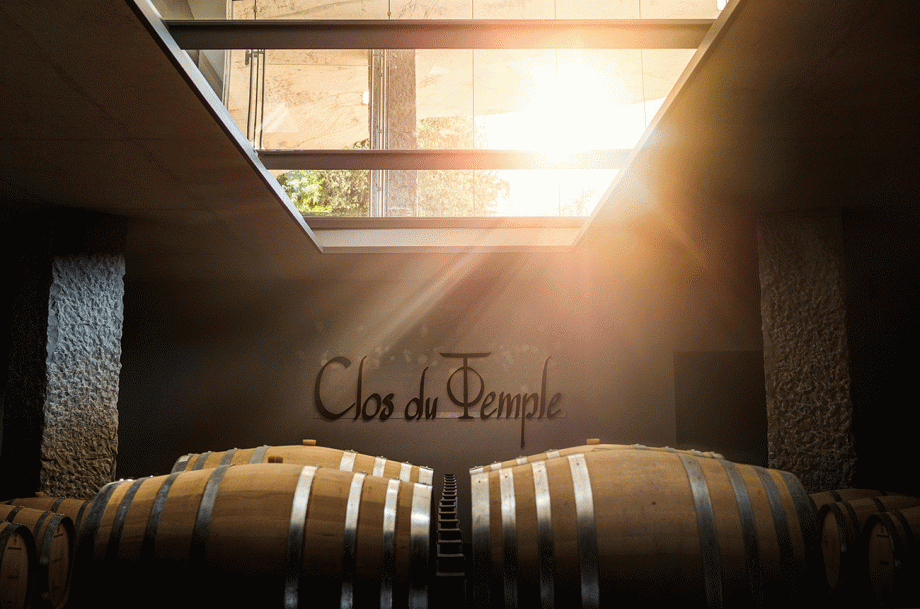
Gérard Bertrand’s Clos du Temple: Vintage vertical
Behind the scenes of this expensive, ageworthy rosé...
-
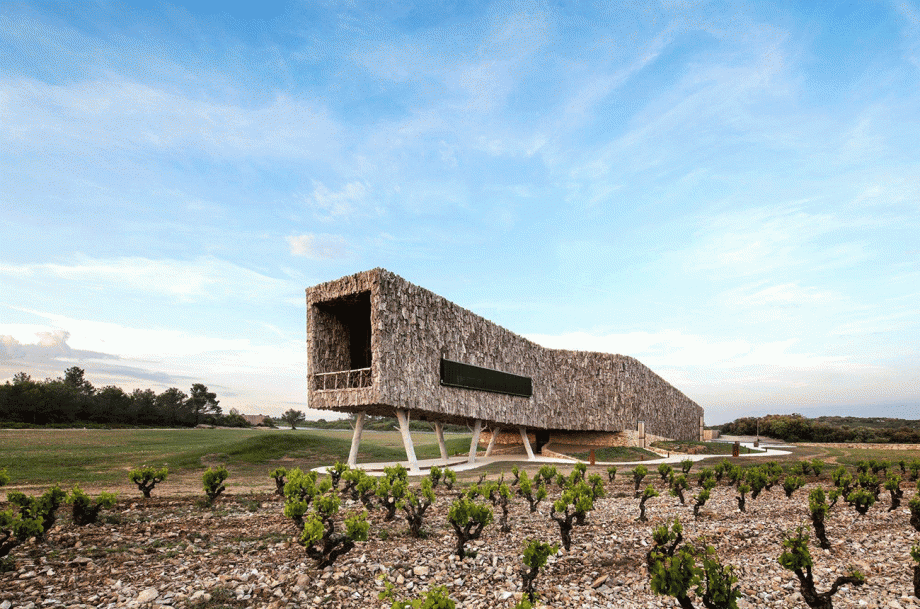
Top 10 Languedoc wineries to visit
Natalie Earl picks the 10 wineries to visit in the Languedoc...


