A guide to Sicily’s native grape varieties
Raffaele Mosca looks at some of Sicily's most important indigenous grape varieties, and picks out 12 wines which exemplify their native expressions.
It seems hard to believe that Sicily was seen as the Italian answer to the New World in the early years of its wine renaissance: creamy Chardonnay and opulent international-style reds dominated the premium segment, while indigenous grapes were often relegated to bulk wine production.
Scroll down to see tasting notes and scores for 12 top wines from native Sicilian grapes
The situation has radically changed in recent years, and although international grapes may still be widespread on the island, the newfound interest in native varieties has fostered the rediscovery of regional identity.
Climate change has further strengthened this trend: not only do indigenous varieties yield more distinctive wines, they also prove better capable of withstanding increasingly torrid weather and drought.
Accrding to the regional Sicilia DOC consorzio, Sicily is home to over 70 native varieties – yet only 16 of them are currently permitted for wine production. However, the Valorizzazione biodiversità (Bi.Vi.Si.) initiative, and the G.R.A.S.P.O. project are currently promoting research on relic grapes, with a recently rescued one, Orisi, already producing small amounts of commercial wine.
Indigenous varieties Catarratto, Grillo, Nero d’ Avola and Zibibbo account for over 60% of the total planted surface area, followed by Inzolia (Ansonica), which is mostly used for blending. Extremely adaptable to different growing conditions, these varieties give a plethora of different wine styles.
Key native Sicilian grape varieties:
Catarratto
Sicily’s most widely planted white variety, accounting for one-third of the total surface area under vine, Catarratto is slowly earning recognition for its quality after decades of bulk wine production.
The Lucido and Extra Lucido biotypes are responsible for the qualitative upsurge of single-varietal examples, giving crisper and more phenolic wines than Catarratto Comune, and becoming almost Riesling-like when coming from higher altitude areas like the Monreale subzone in western Sicily.
Get our daily fine wine reviews, latest wine ratings, news and travel guides delivered straight to your inbox.
‘Quality Catarratto is both immediately-pleasing and cellar-worthy,’ explained Benedetto Alessandro, winemaker at Alessandro di Camporeale. ‘It starts herbal and acidity-driven, then develops spicy and flinty complexity with ageing.’
Nero d’Avola
Native to the namesake town in Southeastern Sicily, Nero d’Avola has become the region’s most widespread red variety, representing approximately 15% of the total surface area under vine.
Exceptionally drought resistant, its early success derived from immediately-pleasing wines focusing on simple – and often jammy – fruit flavours.
While such wines still dominate production, forward-thinking producers have started picking earlier to preserve the grape’s naturally high acidity and achieve a brighter expression of fruit.
Geology also matters: limestone-rich soils in Noto/Pachino and Vittoria (southeast), Butera (centre), and Menfi (west) favour the production of elegant Nero d’Avola; either easy-drinking with blood orange and anchovy-like salinity complementing sweet cherry fruit, or bold and oak-influenced but still retaining excellent balance.
Zibibbo
Elsewhere known as Muscat of Alexandria, Zibibbo produces decadent sweet wines, most notably Passito di Pantelleria, obtained by letting slightly underripe grapes wither under the sun.
Declining sales of sweet wine, however, have incentivised the production of dry Zibibbo. Predominantly light and apricot-scented, the most characterful versions undergo a period of skin-contact and combine orange wine features with Passito-like aromatics.
Grillo
It is not difficult to understand why Grillo became the key grape of Marsala: a crossing of Zibibbo and Catarratto, it combines the aromatics of the former with the long-lasting phenolics of the latter.
Dry versions have become wildly popular, leading to a 400% increase in total plantings since 2000. Styles range from easygoing and bright, with reductive vinification enhancing thiol-derived herbs and florals, to richer and slightly oxidative, combining nutty complexity with tangy savouriness.
Frappato
Little-known until a few years ago, Frappato owes its recent success to its ability to defy scorching heat on the plateaus of southeastern Sicily.
Late-ripening, it yields medium-bodied, low-tannin and generally affordable reds that sport juicy red fruit flavours and moderate alcohol, pairing delightfully with tuna or swordfish.
Cerasuolo di Vittoria DOCG – a Nero d’Avola and Frappato blend – combines similar purity of fruit with a slightly richer structure and good cellaring potential.
Malvasia di Lipari
Grown on the volcanic slopes of the namesake islands, Malvasia di Lipari accounts for a small proportion of regional plantings, yet punches above its weight in terms of reputation.
Making up between 92% and 95% of the blend for Malvasia delle Lipari DOC, Malvasia di Lipari typically produces lighter sweet wines than Zibibbo Passito. The variety is also gaining momentum in dry Salina Bianco IGT: the best examples match raw seafood with their gentle terpenic aromas allied to mouthwatering salinity.
Perricone
Once the main red variety in western Sicily, producing Marsala Rubino, Perricone has only recently re-emerged from oblivion. While gritty tannins have long marred the reputation of dry examples, Marco Sferlazzo of Porta del Vento explains that, ‘excellent acidity and moderate alcohol are Perricone’s calling card in the age of global warming.’
By picking at full ripeness and downplaying extraction, top Perricone producers like Sferlazzo obtain wines achieving good fruit-tannin balance while retaining distinctive herbal freshness.
Native grapes of Etna
Assessing ampelography on Etna may prove challenging: old vineyards are home to dozens of relic varieties, such as Visparola, the progenitor of many Italian varieties, or the so-called ‘Francisi’, a group of mysterious red grapes (not necessarily originating from France as the name suggests).
However, two varieties dominate production on Etna: Carricante and Nerello Mascalese.
Carricante
Carricante accounts for at least 60% of Etna Bianco (80% for the Superiore category). ‘Carricante shows some affinity with Catarratto,’ explained Alessandro. ‘Both grapes are late-ripening, high-acid and rich in polyphenols. Carricante, however, is more neutral, requiring longer ageing to show best.’
Steeliness and tautness are commonly considered Etna Bianco’s distinctive features, but top-shelf versions – usually coming from a single contrada – go beyond that, often showing a Puligny-like combination of tension and creaminess, and evolving gracefully over time.
Nerello Mascalese
The key grape for Etna Rosso, Nerello Mascalese, defies all stereotypes about southern Italian reds. High altitude fosters its Nebbiolo-esque personality, and the wines range from perfumed and ethereal to deep, minerally and ageworthy – but still acidity-driven – especially when sourced from century-old bush vines.
Nerello Mascalese is often complemented by a dollop of Nerello Cappuccio (max. 20%), imparting darker hues to the light ruby colour and softening the palate with its richer fruit.
12 wines from native Sicilian grapes to try:
Related articles
- Sicily report 2023: Latest releases tasted from this extraordinary island
- A guide to Etna’s diverse wine styles
- Decanter Italy Experience 2024: A grand journey into Italian excellence
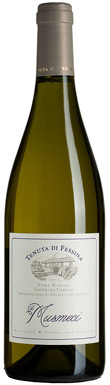
Tenuta di Fessina, Il Musmeci, Etna, Superiore, Sicily, Italy, 2021

Sourced from old alberello (bush-trained) vines in Milo – the only area where Etna Bianco can sport the Superiore category – Il Musmeci mixes varietal flintiness...
2021
SicilyItaly
Tenuta di FessinaEtna
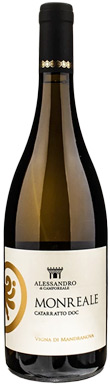
Alessandro Di Camporeale, Vigna di Mandranova, Monreale, Sicily, Italy, 2021

From a 35-year-old Extra Lucido vineyard on the foothills of the Belice mountains, the largest share of this wine spends 12 months in stainless steel,...
2021
SicilyItaly
Alessandro Di CamporealeMonreale
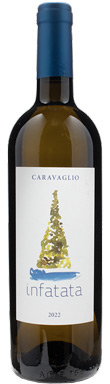
Caravaglio, Infatata, Salina, Sicily, Italy, 2022

Sporting a luminous straw colour with golden hues, this dry example of Malvasia delle Lipari displays charming aromas of orange blossom, peach candy, almond milk...
2022
SicilyItaly
CaravaglioSalina
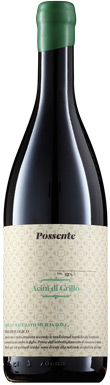
Possente, Acini di Grillo, Sicilia, Sicily, Italy, 2022

A low-intervention Grillo, fermented spontaneously and briefly macerated on the skins, then aged for four months in stainless steel on the lees. It shows a...
2022
SicilyItaly
PossenteSicilia
COS, Zibibbo in Pithos, Terre Siciliane, Sicily, Italy, 2021
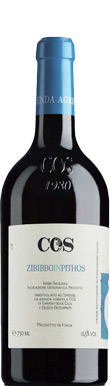
Undergoing spontaneous fermentation in terracotta amphorae, followed by seven months on the skins, this orange Zibibbo boasts an eye-catching amber colour and bursts with captivating...
2021
SicilyItaly
COSTerre Siciliane
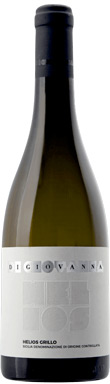
Di Giovanna, Helios Grillo, Sicilia, Sicily, Italy, 2022

Hailing from the highest Grillo vineyard in Sicily (830 metres) in the surroundings of Sambuca di Sicilia, this white spends nine months in a mix...
2022
SicilyItaly
Di GiovannaSicilia
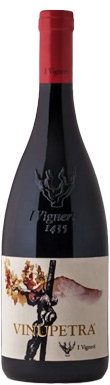
I Vigneri, Vinupetra, Etna, Sicily, Italy, 2021

Etna pioneer Salvo Foti sources the fruit for this iconic wine from mostly century-old alberelli in Castiglione di Sicilia’s Contrada Porcaria. Undergoing fermentation with pied...
2021
SicilyItaly
I VigneriEtna
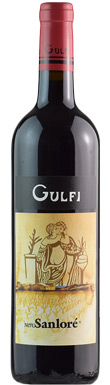
Gulfi, Nerosanlorè, Terre Siciliane, Sicily, Italy, 2018

From alberello (bush-trained) vines in the Pachino area, aged in 500l tonneaux for two years. It unveils a changeling mix of dried violets, eucalyptus and...
2018
SicilyItaly
GulfiTerre Siciliane
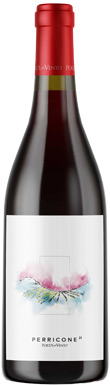
Porta del Vento, Perricone, Terre Siciliane, Sicily, Italy, 2021
From alberello (bush-trained) vineyards peaking at 600 metres above sea level, Porta del Vento’s Perricone undergoes wild fermentation in concrete, followed by ageing in Slavonian...
2021
SicilyItaly
Porta del VentoTerre Siciliane
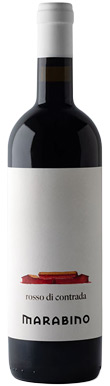
Marabino, Rosso di Contrada, Terre Siciliane, Sicily, Italy, 2019

From biodynamically farmed vineyards on limestone-rich soils in the Pachino area, fermentation with native yeasts is followed by extended ageing in stainless steel. Opening to...
2019
SicilyItaly
MarabinoTerre Siciliane
Santa Tresa, O, Terre Siciliane, Sicily, Italy, 2020
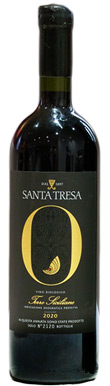
Rescued from the Nebrodi mountains and planted on the Vittoria plateaus in the southeast, the Orisi relic grape has genetic ties to Sangiovese yet shows...
2020
SicilyItaly
Santa TresaTerre Siciliane
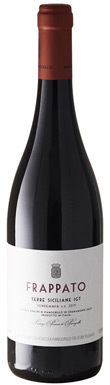
Baroni di Pianogrillo, Frappato, Terre Siciliane, Sicily, Italy, 2022

Fermented in stainless steel and aged in 25hl oak casks, this textbook Frappato displays a transparent ruby colour anticipating delicate aromas of sweet raspberries, rose...
2022
SicilyItaly
Baroni di PianogrilloTerre Siciliane