Top 20 Barolo alternatives
Get our daily fine wine reviews, latest wine ratings, news and travel guides delivered straight to your inbox.
You are now subscribed
Your newsletter sign-up was successful
With big-name Barolos commanding a hefty price tag, where can wine lovers go for their Nebbiolo fix? Susan Hulme MW highlights alternative regions of Italy, from Alto Piemonte to Valtellina, where good-value Nebbiolo is worth seeking out...
Nebbiolo has become very popular in the past 15 years, particularly in its most famous expression of Barolo. Just like the leading châteaux of Bordeaux, some of Langhe’s ‘first growths’ have become investment wines. The best have an alluring perfume of dried roses, violets and tar, along with a bright, juicy acidity and assertive tannic backbone, producing taut wines with a fantastic ability to age. These are nervy, exciting wines, that have some of the bewitching perfume of Burgundy but with more edge and tannic bite.
Scroll down for Susan Hulme MW’s top 20 Barolo alternatives
Piedmont’s most famous names – such as Angelo Gaja, Giacomo Conterno, Bartolo Mascarello and Bruno Giacosa – are synonymous with excellence, but the demand for their wines has inflated prices and put them out of reach of many consumers. Conterno’s Monfortino Barolo Riserva 2000 now costs £650 per bottle in bond. Even looking at a more recent vintage, a Bartolo Mascarello, Barolo 2010 will typically set you back at least £350 ib a bottle. The fact is that most of us will never taste these wines.
Unlike with some other varieties, it is difficult to produce Nebbiolo on a budget. Daniele Dinoia from Villa Guelpa in Lessona explains: ‘If the wine has to cost £10 on the market, it means that I have to sell it from my cellar to the exporter at €2. It’s impossible for me. We are talking about Nebbiolo, which is a low-yielding grape.’So, in the search for good-value Nebbiolo, where does one look? Nebbiolo is notoriously fastidious about where it is grown and is one of the least-travelled grape varieties. It needs hillside locations, big temperature differences between day and night, and specific soils to be at its best. It is happiest in the Langhe around the villages of Barolo and Barbaresco, so it makes sense to start close to home.
Many Barolo producers make lighter wines intended for early drinking; often from famous vineyards but made from younger vines, they are sold as Langhe Nebbiolo or Nebbiolo d’Alba. They are a great introduction to a producer’s style, and are generally priced from £20 to £30.
Close cousins
Barbaresco, north of Barolo and within sight of the Tanaro River, is often regarded as being a more ‘feminine’ expression of Nebbiolo because the wines tend to mature faster than those of its neighbour. Compared to the average price of a bottle of Barolo, Barbaresco offers some great bargains. In a fantastic vintage such as 2016 some of the best producers offer great value wines.
Then there are the reds of Roero, grown on sandier soils and hilly locations. The wines are softer and rounder, with gentle tannins and often have flavours and aromas of strawberries warmed in the sun.
Get our daily fine wine reviews, latest wine ratings, news and travel guides delivered straight to your inbox.
The beautiful and historic area of Alto Piemonte, about two hours’ drive north of Alba and centred around the town of Biella, includes the evocatively named sub-zones of Lessona, Bramaterra and Gattinara to the west of the Sesia river, and Boca, Ghemme and Fara. It has a long history of growing Nebbiolo (known locally as Spanna) and at one time the area had more hectares of Nebbiolo under vine than Langhe. In 2017, I attended a tasting of historic Alto Piemonte wines, the oldest being from 1842 and the youngest a 1965; there is no doubt these wines can age.
The location of Alto Piemonte in the foothills of the Alps means vineyards are at altitudes of 200m to 400m above sea level but protected from the cold winds from the mountains – though there is a big diurnal difference of between 10° and 15°C between day and night. All of this suits Nebbiolo, as it allows phenolic ripeness (tannins, flavour and aromas) to be closer to physical ripeness (sugar, and therefore potential alcohol accumulation).
These sites are now much sought-after as producers, witnessing the impact of climate change, look for cooler areas to plant. Recently, Roberto Conterno of Giacomo Conterno (for many critics the best Barolo producer) invested in Gattinara, buying a 90% share in Nervi, one of the oldest wineries in the area. Right now, it’s hot to be cool.
Geologically, Alto Piemonte is fascinating and varied. It contains the remains of an imploded super-volcano, now a UNESCO Global Geopark, so the soil – particularly in Gattinara and Bramaterra – contains a variety of intriguing igneous rocks such as porphyry and quartz. While they share similar soils, Bramaterra differs from Gattinara in allowing a greater percentage of other varieties to be used in its wines – up to 50% can be made up of Croatina, Uva Rara and Vespolina (believed to have a parent-offspring relationship with Nebbiolo). These blends produce much more robust, powerful, deeply coloured wines.
Over the border
By contrast, the sedimentary soil in Lessona is more obviously marine-based and very acidic. This produces highly aromatic Nebbiolo with a Burgundy-like richness of aromas, saline minerality and gentle, fine, sandy tannins. ‘Lessona wines always have a memory of the sea,’ claims Marco Rizzetti of Tenute Sella.
One outlier in our search for value Nebbiolo is the stunningly beautiful Valtellina valley in the Lombardy region of Italy, bordering Switzerland, with its sub-zones of Grumello, Inferno, Maroggia, Sassella and Valgella. Here the local name for Nebbiolo is Chiavennasca – in fact some even say the grape originated here and not in Piedmont. The wines can be beautifully delicate and ethereal, but the region also produces an amarone-style wine called sforzato (sfursat).
Rising prices and the fashion for Nebbiolo should encourage us all to broaden our search for value and discover those beautiful and historic areas such as Valtellina and Alto Piemonte, which Nebbiolo still calls home. Thankfully, there is life beyond Barolo.
See Susan Hulme MW’s top 20 Barolo alternatives
You may also like
Best Piedmont wines: Latest-release Barolo & Barbaresco
Barolo 2015: Vintage report and 89 wines rated
Barolo: Entering a new era, plus 12 of the best worth seeking out
Top Barolo 2008 wines: Panel tasting results
Albino Rocca, Ronchi, Barbaresco, Piedmont, Italy, 2016
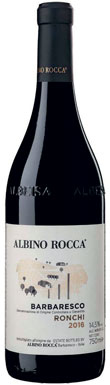
Albino Rocca’s wine are characterised by beautifully pristine aromas and a seductive texture. In this example, I was arrested by a vibrant top note of intense redcurrant and violets and very juicy acidity: I love its brightness and intensity. It needs time but has fantastic potential.
2016
PiedmontItaly
Albino RoccaBarbaresco
Antoniolo, San Francesco, Gattinara, Piedmont, Italy, 2013
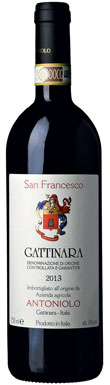
Antoniolo’s famous Gattinara from the San Francesco vineyard (first planted in the 1960s) has produced in this vintage an elegant, rounded, maturing wine with notes of sweet tobacco, sandalwood and exotic spices. Warm and spicy sun-dried cherry fruit palate, bright acidity, a velvety texture, fine silky tannins and a long, poised finish.
2013
PiedmontItaly
AntonioloGattinara
Antoniotti, Bramaterra, Piedmont, Italy, 2015
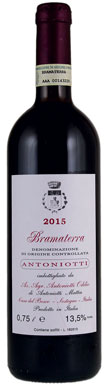
From Antoniotti’s tiny 5ha Bramaterra property, with its porphory and limestone soil, comes a wine full of life and energy. Its robust, forceful style is bursting with bright black cherry and dark brambly fruit. It emphasises the bold, firmly structured side of Nebbiolo. Less of the ethereal perfume and more of the gutsy, pleasurable food wine here. Mouthwatering acidity plus grippy, silty tannins.
2015
PiedmontItaly
AntoniottiBramaterra
Cascina Morassino, Ovello, Barbaresco, Piedmont, Italy, 2016
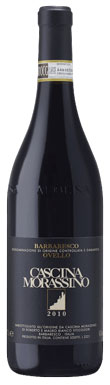
Another stunning Barbaresco from Roberto Bianco at Cascina Morassino from the fantastic 2016 vintage. These wines have wonderful precision, purity and focus, wrapped in a very firm but refined tannic structure. Sweet red fruits, gentle spice and lots of juicy, fresh acidity. Concentrated, firm, bright and linear. Very young; needs time.
2016
PiedmontItaly
Cascina MorassinoBarbaresco
GB Burlotto, Nebbiolo, Langhe, Piedmont, Italy, 2017
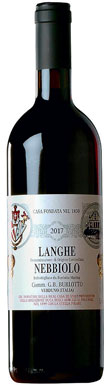
Fabio Alessandria makes such exquisitely pleasurable wines, here from the younger vines of the Monvigliero vineyard. Persistent nose of bright raspberry and rose, plus a unique iron-like mineral note. Very pure, with no make-up, it glides effortlessly across the palate and keeps you coming back for more. Better than many pricier Barolos.
2017
PiedmontItaly
GB BurlottoLanghe
Rizzi, Rizzi, Barbaresco, Piedmont, Italy, 2016
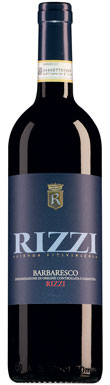
Rizzi’s Barbaresco, from the cooler sub-zone of Treiso, is beautifully taut and fresh, if a little austere now. It's clear, pure focus and forceful style are so appealing, with some sweet, ripe, black cherry fruit hinting at what’s to come. At the moment the structure is closing down the fruit and it needs time to come around, but it has great potential.
2016
PiedmontItaly
RizziBarbaresco
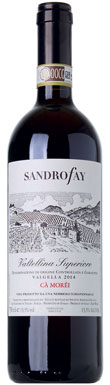
Sandro Fay, Valgella Cà Moréi, Valtellina, Superiore, Lombardy, Italy, 2014

From the stunning mountainous Valtellina region comes this elegant and pure Chiavennasca. Subtle nose of soft raspberries and red flowers with delicate cream, spice and a flinty, smoky note. Beautifully harmonious palate with a bright red-fruit start, some depth in the middle and a lingering savoury finish. A cut above many Valtellinas with its creamy, long elegance. Cool mountain-style Nebbiolo at its best.
2014
LombardyItaly
Sandro FayValtellina
Andrea Oberto, Nebbiolo, Langhe, Piedmont, Italy, 2016
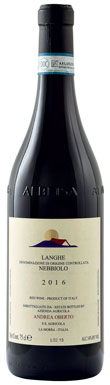
Oberto’s stylish and modern take on Langhe Nebbiolo starts with sweet vanilla cream and spice top notes, followed by wild strawberry and a fresh earth and herbal woodland character. Taut structure and creamy texture with just the right amount of pure red fruits and spice. Assertive and youthful, yet manages to be very charming at the same time.
2016
PiedmontItaly
Andrea ObertoLanghe
Castello di Verduno, Barbaresco, Piedmont, Italy, 2016
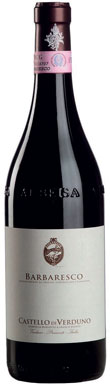
A producer who performs consistently well in blind tastings. Rich cherry nose. Sweet dark fruit and balsamic notes. Some invigorating, sappy, wild red berry and cranberry combining with vivid acidity and firm tannins to give an exciting, nervy quality. It needs time to show its best.
2016
PiedmontItaly
Castello di VerdunoBarbaresco
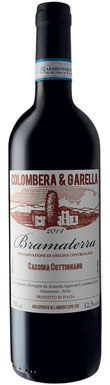
Colombera & Garella, Cascina Cottignano, Bramaterra, Piedmont, Italy, 2014

Impressively robust and gutsy. Youthful colour, sweet cherry, smoke and flinty aromas. Chunky, round and satisfying, with a full mid-palate offering flavours similar to the nose. Savoury, tangy and robust style, but with plenty of fruit to support. Soft and smooth mouthfeel; very enjoyable.
2014
PiedmontItaly
Colombera & GarellaBramaterra
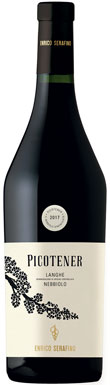
Enrico Serafino, Picotener Nebbiolo, Langhe, Piedmont, Italy, 2017

This is Enrico Serafino’s exciting rediscovery of an old, almost lost sub-variety of Nebbiolo called Picotener. And what an exciting find! Deeply coloured with firm tannins and a real spicy quality. Aromas of spice, black cherry and blue flowers, with very good concentration of flavours: contrasting notes of ripe black cherry, bitter cherry and dark chocolate. Seductive texture with firm but fine tannins.
2017
PiedmontItaly
Enrico SerafinoLanghe
GD Vajra, Nebbiolo, Langhe, Piedmont, Italy, 2016
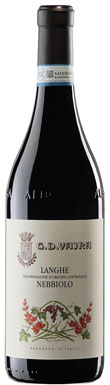
Vajra’s wines are lively and friendly, with just the right amount of ripe fruit and violet aromas held in check by a refined structure. Long and appealingly silky. This producer offers unbelievably good value and quality.
2016
PiedmontItaly
GD VajraLanghe
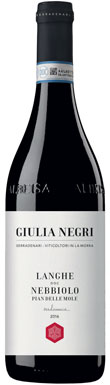
Giulia Negri, Pian delle Mole Nebbiolo, Langhe, Piedmont, Italy, 2016

Giulia Negri is a rising star of the Langhe, producing beautifully elegant and pure Nebbiolo. Alongside the more famous Barolo, she makes this fine and silky version of Langhe Nebbiolo which is ready for drinking earlier. Delicate raspberry and wild cherry combine with a fresh acidity and very fine textured tannins. Deliciously drinkable. She also makes an exciting Burgundian influenced Chardonnay.
2016
PiedmontItaly
Giulia NegriLanghe
Massolino, Nebbiolo, Langhe, Piedmont, Italy, 2015
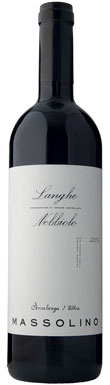
Very seductive strawberries and cream and sweet cherry nose, expressing the warmth of the vintage. Full of flavour without being heavy. Winemaker Giovanni Angeli is doing a great job with Massolino’s signature style. Beautiful texture with refined tannins: glides effortlessly.
2015
PiedmontItaly
MassolinoLanghe
Pelassa, Antaniolo Riserva, Roero, Piedmont, Italy, 2015
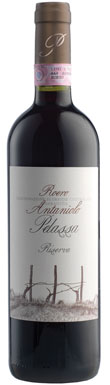
Quality at this family estate has been steadily improving, and this single-vineyard Riserva is made in a classic style from a wide range of Nebbiolo clones. The nose is still subdued, but cranberry and raspberry aromas are evident. The attack is fresh and concentrated, with ripe tannins and welcome acidity, though it does lack a little persistence. An elegant rather than powerful stye.
2015
PiedmontItaly
PelassaRoero
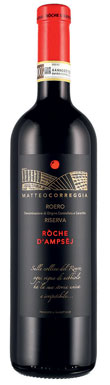
Matteo Correggia, Ròche d’Ampsèj Riserva, Roero, Piedmont, Italy, 2015

Correggia's consistently fine Riserva comes from a site with sand and silt soils. It's charmingly perfumed with seductive raspberry aromas, yet it's quite assertive. The attack shows freshness but the refined tannins soon become apparent. This is concentrated and tight, with a distinct oakiness that should diminish with further ageing. Polished and long.
2015
PiedmontItaly
Matteo CorreggiaRoero
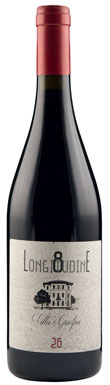
Villa Guelpa, Longitudine8 26 Vino Rosso, Piedmont, Italy, 2017

Daniele Dinoia has put his heart and soul into helping to promote Alto Piemonte and Lessona. This cuvée is his early drinking wine. Fragrantly crushed rose petals, raspberry and spice aromas and flavours are surrounded by juicy, bright acidity and lightly grippy tannins. Dinoia also makes a lovely Lessona and a delicious white wine from the Erbaluce grape.
2017
PiedmontItaly
Villa Guelpa
Manfredi, Nebbiolo d’Alba, Piedmont, Italy, 2016
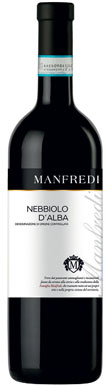
A light nose of fresh earth, semi-ripe strawberries and red and green fruit. A juicy, gluggable, easy-drinking style. Lacks the intensity and aromatic purity of the best Nebbiolo, but at this price, it’s still quite an achievement.
2016
PiedmontItaly
ManfrediNebbiolo d’Alba
Torraccia del Piantavigna, Gattinara, Piedmont, Italy, 2011
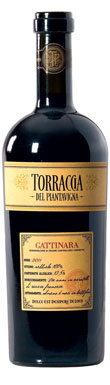
Lifted, heady aromas of new leather, spice, mushrooms and dried fruits. Smooth, creamy and leathery flavours with fresh acidity. A more traditional wine for those who like mature styles.
2011
PiedmontItaly
Torraccia del PiantavignaGattinara

Susan Hulme MW runs Vintuition, her own wine education and consultancy company, based in Windsor, which provides wine-related training and courses for both the trade and members of the public. A major part of her work is running in-house training and WSET exams for sales executives at some of the leading on-trade and retail wine companies. Aside from judging Decanter World Wine Awards, she also is a regular critic on Decanter’s panel tastings and judges for the International Wine Competition. She is a member of the Circle of Wine Writers, a former chairman of the Association of Wine Educators (AWE) and the current editor of the AWE newsletter. Since 2007 she has been on the Institute of Masters of Wine events committee. She became a Master of Wine in 2005, winning the Madame Bollinger tasting medal for outstanding performance in the tasting exam.