‘Maximum quality for minimum cost’ is my mantra when it comes to Burgundy, particularly as prices spiral and the economy seems less certain.
Searching for value seems a safe proposition, but value as a sole proposition can lead a wine lover to overlook wines of compelling beauty, and the sweet spot is the intersection of terroir, winemaking savvy, and price.
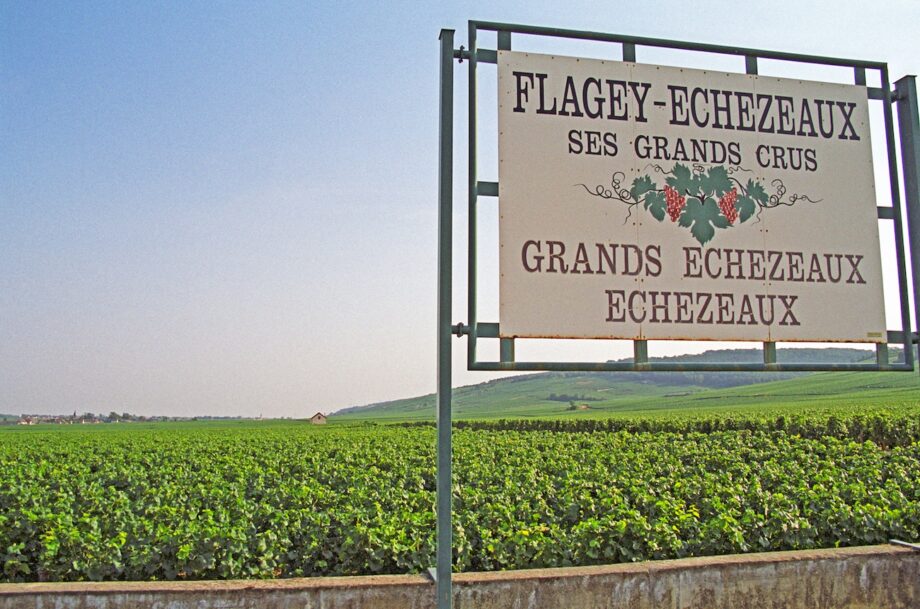
Over the past year I have been thrilled with wines that cover the broad spectrum of Echézeaux, an appellation that is often misunderstood.
Misunderstandings (and underestimations) occur because Echézeaux is a complicated appellation and the history is not exactly straightforward.
A splintered history
The vineyard was originally the property of the monks of Cîteaux Abbey. The Abbey’s 1718 Grand Atlas showing its holdings refers to a ‘Vigne des Echézeaux’.
This included Les Echézeaux Hauts (today’s Echézeaux du Dessus), Les Echézeaux Bas (our Grands Echézeaux), and several other vineyards in the vicinity, including parts of the Combe d’Orveaux that are today included in Echézeaux.
Other vines in the area were not yet planted or did not belong to the Abbey.
{"content":"PHA+SGlzdG9yaWFuIEplYW4tRnJhbsOnb2lzIEJhemluIHRlbGxzIHVzIHRoYXQgdGhlIG1vbmtzIGRpZCBub3Qgd29yayB0aGVzZSB2aW5lcyB0aGVtc2VsdmVzICh1bmxpa2UgdGhlIENsb3MgZGUgVm91Z2VvdCBhbmQgUmljaGVib3VyZyksIGFuZCBhdCB0aGUgdGltZSBvZiB0aGUgRnJlbmNoIFJldm9sdXRpb24sIG11Y2ggb2YgdGhpcyBsYW5kIHdhcyByZW50ZWQgdG8gdGhlIGdyb3dlcnMgdGVuZGluZyB0aGUgdmluZXMuIEZvciB0aGlzIHJlYXNvbiwgdGhlIFZpZ25lcyBkZXMgRWNow6l6ZWF1eCB3YXMgbm90IGNvbmZpc2NhdGVkIGFzIG90aGVyIGhvbGRpbmdzIHdlcmUuPC9wPgo8ZGl2IGNsYXNzPSJhZC1jb250YWluZXIgYWQtY29udGFpbmVyLS1tb2JpbGUiPjxkaXYgaWQ9InBvc3QtaW5saW5lLTMiIGNsYXNzPSJpcGMtYWR2ZXJ0Ij48L2Rpdj48L2Rpdj4KPHA+SW4gdGhlIGVhcmx5IHllYXJzIG9mIHRoZSAxOXRoIGNlbnR1cnksIE5hcG9sZW9u4oCZcyBnb3Zlcm5tZW50IGRyZXcgdXAgdGhlIDxlbT5jYWRhc3RyZTwvZW0+LCBvciBsYW5kIHJlZ2lzdHJ5LCBhbmQgZWFjaCBvZiB0aGVzZSBhcmVhcyB3YXMgZ2l2ZW4gYSBkaWZmZXJlbnQgbmFtZSBvciBsaWV1LWRpdCwgYnV0IHRoZSBncm93ZXJzIGNvbnRpbnVlZCB0byBzZWxsIHRoZWlyIHByb2R1Y2UgYXMg4oCYRWNow6l6ZWF1eOKAmS48L3A+CjxwPlRoZSBwcmFjdGljZSB3YXMgY2hhbGxlbmdlZCBpbiBjb3VydCBpbiAxOTI1IGJ5IEV0aWVubmUgQ2FtdXpldCBhbmQgRXVnw6huZSBNb25nZWFyZC1NdWduZXJldC4gVGhlIHBhaXIgbG9zdCB0aGVpciBjYXNlLCBob3dldmVyLCBhbmQgd2hlbiB0aGUgYXBwZWxsYXRpb24gd2FzIGNyZWF0ZWQgaW4gMTkzNiwgdGhlIHN1cnJvdW5kaW5nIHZpbmVzIHdlcmUgYWxsIGluY2x1ZGVkIGluIEVjaMOpemVhdXguPC9wPgo8ZGl2IGNsYXNzPSJhZC1jb250YWluZXIgYWQtY29udGFpbmVyLS1tb2JpbGUiPjxkaXYgaWQ9InBvc3QtaW5saW5lLTQiIGNsYXNzPSJpcGMtYWR2ZXJ0Ij48L2Rpdj48L2Rpdj4KPHA+VG9kYXkgRWNow6l6ZWF1eCBpbmNsdWRlcyBzb21lIG9yIGFsbCBvZiBubyBmZXdlciB0aGFuIDExIGxpZXV4LWRpdHMgKHNlZSBiZWxvdykuPC9wPgo8cD5UaGUgY2VudHJhbCBrZXJuZWwgb2YgdGhlIEVjaMOpemVhdXggSGF1dHMgaGFkIGV4cGFuZGVkIGZyb20gMi42M2hhIHRvIDMuNTVoYSBieSAxODU1LCBhbmQgZm9sbG93aW5nIHRoZSBkZWNpc2lvbiBvZiB0aGUganVkZ2VzIGluIEJlYXVuZSwgYSB0b3RhbCBvZiAzNi4yN2hhIHdhcyBpbmNsdWRlZCBpbiB0aGUgYXBwZWxsYXRpb24sIGFjY29yZGluZyB0byB0aGUgQklWQi48L3A+CjxkaXYgY2xhc3M9ImFkLWNvbnRhaW5lciBhZC1jb250YWluZXItLW1vYmlsZSI+PGRpdiBpZD0icG9zdC1pbmxpbmUtNSIgY2xhc3M9ImlwYy1hZHZlcnQiPjwvZGl2PjwvZGl2Pgo8cD5BIGNsb3NlIHJlYWRpbmcgb2YgdGhlIHJlZ3VsYXRpb25zIGdpdmVzIGFuIGV2ZW4gaGlnaGVyIHRvdGFsLCBob3dldmVyLCBhbmQgbG9jYWwgZXhwZXJ0IExhdXJlbnQgR290dGkgcGxhY2VzIHRoZSBmaWd1cmUgYXQgMzguMTRoYS48L3A+CjxkaXYgaWQ9ImF0dGFjaG1lbnRfNTcyODk3IiBzdHlsZT0id2lkdGg6IDEwNTVweCIgY2xhc3M9IndwLWNhcHRpb24gYWxpZ25ub25lIj48aW1nIGZldGNocHJpb3JpdHk9ImhpZ2giIGRlY29kaW5nPSJhc3luYyIgYXJpYS1kZXNjcmliZWRieT0iY2FwdGlvbi1hdHRhY2htZW50LTU3Mjg5NyIgY2xhc3M9Imxhenlsb2FkIGJsdXItdXAgc2l6ZS1mdWxsIHdwLWltYWdlLTU3Mjg5NyIgZGF0YS1wcm9jZXNzZWQgc3JjPSJodHRwczovL3d3dy5kZWNhbnRlci5jb20vd3AtY29udGVudC90aGVtZXMvc2ltYmEtdGhlbWUvYXNzZXRzL2ltYWdlcy9wbGFjZWhvbGRlci5wbmciIGRhdGEtc3JjPSJodHRwczovL2tleWFzc2V0cy50aW1laW5jdWsubmV0L2luc3BpcmV3cC9saXZlL3dwLWNvbnRlbnQvdXBsb2Fkcy9zaXRlcy8zNC8yMDI1LzEyLzJDRzFQSFkuanBnIiBhbHQ9IiIgd2lkdGg9IjEwNDUiIGhlaWdodD0iMTMwMCIgZGF0YS1zaXplcz0iYXV0byIgZGF0YS1zcmNzZXQ9Imh0dHBzOi8va2V5YXNzZXRzLnRpbWVpbmN1ay5uZXQvaW5zcGlyZXdwL2xpdmUvd3AtY29udGVudC91cGxvYWRzL3NpdGVzLzM0LzIwMjUvMTIvMkNHMVBIWS5qcGcgMTA0NXcsIGh0dHBzOi8va2V5YXNzZXRzLnRpbWVpbmN1ay5uZXQvaW5zcGlyZXdwL2xpdmUvd3AtY29udGVudC91cGxvYWRzL3NpdGVzLzM0LzIwMjUvMTIvMkNHMVBIWS0zMDB4MzczLmpwZyAzMDB3LCBodHRwczovL2tleWFzc2V0cy50aW1laW5jdWsubmV0L2luc3BpcmV3cC9saXZlL3dwLWNvbnRlbnQvdXBsb2Fkcy9zaXRlcy8zNC8yMDI1LzEyLzJDRzFQSFktNjMweDc4NC5qcGcgNjMwdywgaHR0cHM6Ly9rZXlhc3NldHMudGltZWluY3VrLm5ldC9pbnNwaXJld3AvbGl2ZS93cC1jb250ZW50L3VwbG9hZHMvc2l0ZXMvMzQvMjAyNS8xMi8yQ0cxUEhZLTEwOXgxMzUuanBnIDEwOXcsIGh0dHBzOi8va2V5YXNzZXRzLnRpbWVpbmN1ay5uZXQvaW5zcGlyZXdwL2xpdmUvd3AtY29udGVudC91cGxvYWRzL3NpdGVzLzM0LzIwMjUvMTIvMkNHMVBIWS0yNTd4MzIwLmpwZyAyNTd3LCBodHRwczovL2tleWFzc2V0cy50aW1laW5jdWsubmV0L2luc3BpcmV3cC9saXZlL3dwLWNvbnRlbnQvdXBsb2Fkcy9zaXRlcy8zNC8yMDI1LzEyLzJDRzFQSFktNDk4eDYyMC5qcGcgNDk4dywgaHR0cHM6Ly9rZXlhc3NldHMudGltZWluY3VrLm5ldC9pbnNwaXJld3AvbGl2ZS93cC1jb250ZW50L3VwbG9hZHMvc2l0ZXMvMzQvMjAyNS8xMi8yQ0cxUEhZLTc0MHg5MjAuanBnIDc0MHcsIGh0dHBzOi8va2V5YXNzZXRzLnRpbWVpbmN1ay5uZXQvaW5zcGlyZXdwL2xpdmUvd3AtY29udGVudC91cGxvYWRzL3NpdGVzLzM0LzIwMjUvMTIvMkNHMVBIWS05ODF4MTIyMC5qcGcgOTgxdyIgc2l6ZXM9IihtYXgtd2lkdGg6IDEwNDVweCkgMTAwdncsIDEwNDVweCIgLz48cCBpZD0iY2FwdGlvbi1hdHRhY2htZW50LTU3Mjg5NyIgY2xhc3M9IndwLWNhcHRpb24tdGV4dCI+TWFwIG9mIFZvdWdlb3QsIFZvc25lLVJvbWFuZWUgYW5kIEZsYWdleS1FY2jDqXplYXV4IGJ5IENhbWlsbGUgUm9kaWVyPC9wPjwvZGl2Pgo8aDI+TG9jYXRpb24gYW5kIGFzcGVjdDwvaDI+CjxwPkVjaMOpemVhdXggaXMgYXQgdGhlIGNlbnRyZSBvZiB0aGUgc3RyZXRjaCBvZiBjb250aWd1b3VzIGdyYW5kIGNydSBzbG9wZSB0aGF0IGJlZ2lucyB3aXRoIE11c2lnbnkgYW5kIGluY2x1ZGVzIHRoZSBDbG9zIGRlIFZvdWdlb3QuPC9wPgo8cD5UaGUgdmluZXlhcmQgaXMgbG9jYXRlZCBlbnRpcmVseSB3aXRoaW4gdGhlIHZpbGxhZ2Ugb2YgRmxhZ2V5LUVjaMOpemVhdXgsIGFsdGhvdWdoIEZsYWdleSBpdHNlbGYgc2VsZG9tIGFwcGVhcnMgb24gYSB3aW5lIGxhYmVsIHNpbmNlIHRoZSB3aW5lcyBhcmUgc29sZCBhcyBWb3NuZS1Sb21hbsOpZS48L3A+CjxwPkVjaMOpemVhdXggZHUgRGVzc3VzIGlzIHRoZSBoaXN0b3JpYyBoZWFydCBvZiB0aGUgYXBwZWxsYXRpb24sIGxvY2F0ZWQgaW4gdGhlIG1pZGRsZSBvZiB0aGUgc2xvcGUgYW5kIHN1cnJvdW5kZWQgYnkgb3RoZXIgZ3JhbmRzIGNydXMuPC9wPgo8cD5JdCBpcyBzaGVsdGVyZWQgZnJvbSB0aGUgY29vbGluZyBpbmZsdWVuY2Ugb2YgdGhlIENvbWJlIGTigJlPcnZlYXV4IGFuZCBsb2NhdGVkIGF0IHRoZSBiYXNlIG9mIHRoZSBzbG9wZSBvbiBhIGhlYWx0aHkgZGVwdGggb2YgSnVyYXNzaWMgbWFybHMuIFRoZSBvd25lcnNoaXAgaGVyZSBpcyBzcGxpdCBiZXR3ZWVuIGVpZ2h0IGRvbWFpbmVzLjwvcD4KPHA+SW1tZWRpYXRlbHkgbm9ydGggb2YgRWNow6l6ZWF1eCBkdSBEZXNzdXMgaXMgTGVzIFBvdWxhaWxsw6hyZXMuIFRoaXMgbGlldS1kaXQgaXMgbG9jYXRlZCBtb3JlIGRpcmVjdGx5IG9uIHRoZSByb2NreSBhbGx1dmlhbCBjb25lIG9mIHRoZSBDb21iZS4gSXQgaXMgYWxtb3N0IGV4Y2x1c2l2ZWx5IHRoZSBwcm9wZXJ0eSBvZiBEb21haW5lIGRlIGxhIFJvbWFuw6llLUNvbnRpLjwvcD4KPHA+Qm9yZGVyaW5nIEVjaMOpemVhdXggZHUgRGVzc3VzIGlzIExlcyBMb8OkY2hhdXNzZXMsIGEgbW9ub3BvbGUgb2YgdGhlIEdyb3MgZmFtaWx5LCB3aXRoIGhvbGRpbmdzIGZyb20gQW5uZSBHcm9zLCBBRiBHcm9zLCBhbmQgR3JvcyBGcsOocmUgZXQgU8WTdXIuPC9wPgo8cD5Cb3JkZXJpbmcgTGVzIExvw6RjaGF1c3NlcyB0byB0aGUgc291dGggaXMgTGVzIENydW90cyBvdSBWaWduZXMgQmxhbmNoZXMsIG1hZGUgZmFtb3VzIGJ5IEhlbnJpIEpheWVyLCB3aG8gc2FpZCBpdCB3YXMgdGhlIGJlc3QgdGVycm9pciBvZiB0aGUgYXBwZWxsYXRpb24uPC9wPgo8cD5GdXJ0aGVyIHVwIHRoZSBzbG9wZSBsaWVzIHRoZSAzaGEgUm91Z2VzIGR1IEJhcywgcGxhbnRlZCBvbiBzdGVlcGVyIHNsb3BlcyB3aXRoIGEgdGhpbm5lciBsYXllciBvZiBtYXJsIGF0b3AgdGhlIGxpbWVzdG9uZS4gVGhlIG1vc3QgZmFtb3VzIEVjaMOpemVhdXggcHJvZHVjZWQgaGVyZSB3YXMgdGhhdCBvZiBEb21haW5lIE3DqW8tQ2FtdXpldCwgd2hvc2UgbGFiZWwgdW50aWwgMjAyMSBmZWF0dXJlZCB0aGUgbmFtZSBvZiB0aGUgbGlldS1kaXQuPC9wPgo8cD5MZXMgQmVhdXggTW9udHMgQmFzIGJvcmRlcnMgUm91Z2VzIGR1IEJhcyB0byB0aGUgc291dGgsIGJ1dCBvbmx5IGEgc21hbGwgcG9ydGlvbiBvZiB0aGUgYm90dG9tIG9mIHRoaXMgYXBwZWxsYXRpb24gaXMgaW5jbHVkZWQgaW4gRWNow6l6ZWF1eDsgdGhlIHJlc3Qgb2YgdGhlIGNsaW1hdCBpcyBjbGFzc2lmaWVkIGluIHByZW1pZXIgY3J1LjwvcD4KPHA+Tm9ydGggb2YgUm91Z2VzIGRlIEJhcyBvbmUgZmluZHMgTGVzIENoYW1wcyBUcmF2ZXJzaW5zLCB3aG9zZSB2aW5lcyBhcmUgcGxhbnRlZCBub3J0aC1zb3V0aCBhY3Jvc3MgdGhlIHNsb3BlIHRvIGxpbWl0IGVyb3Npb24uPC9wPgo8cD5Tb3V0aCBvZiBHcmFuZHMgRWNow6l6ZWF1eCBhbmQgZnVydGhlciBkb3duIHRoZSBzbG9wZSBsaWUgdGhyZWUgbGlldXgtZGl0cyB0aGF0IHdlcmUgcmVnYXJkZWQgaW4gdGhlIDE5dGggY2VudHVyeSBjbGFzc2lmaWNhdGlvbiBvZiBEciBMYXZhbGxlIGFzIGEgc3RlcCBsb3dlciBpbiBxdWFsaXR5IHRoYW4gdGhlIHJlc3Qgb2YgdG9kYXnigJlzIGFwcGVsbGF0aW9uLjwvcD4KPHA+VGhlc2UgaW5jbHVkZSBMZXMgVHJldXgsIGltbWVkaWF0ZWx5IHNvdXRoIG9mIEdyYW5kcyBFY2jDqXplYXV4LCB0aGUgQ2xvcy1TdC1EZW5pcyAobm90IHRvIGJlIGNvbmZ1c2VkIHdpdGggdGhlIGdyYW5kIGNydSBvZiB0aGUgc2FtZSBuYW1lIGluIE1vcmV5LVNhaW50LURlbmlzKSwgYW5kIExlcyBRdWFydGllcnMgZGUgTnVpdHMsIGxvY2F0ZWQgYmV0d2VlbiB0aGUgc291dGhlcm4gZW5kIG9mIHRoZSBDbG9zIGRlIFZvdWdlb3QgYW5kIHRoZSB2aWxsYWdlLWxldmVsIFZvc25lIHZpbmV5YXJkIG9mIE1hemnDqHJlcy1IYXV0ZXMuPC9wPgo8cD5BdCB0aGUgbm9ydGhlcm4gZXh0cmVtaXR5IG9mIHRoZSBhcHBlbGxhdGlvbiBsaWVzIGFuIDhoYSBzZWN0aW9uIG9mIHRoZSB2aW5leWFyZCBjYWxsZWQgRW4gT3J2ZWF1eC4gVGhlc2UgdmluZXMgZm9ybWVkIHBhcnQgb2YgdGhlIGVzdGF0ZSBvZiB0aGUgbW9ua3Mgb2YgQ8OudGVhdXguPC9wPgo8cD5UaGlzIGxpZXUtZGl0IGxpZXMgc3F1YXJlbHkgaW4gdGhlIENvbWJlIGTigJlPcnZlYXV4LiBUaGUgY29tYmUgbWFrZXMgaXQgYSB2ZXJ5IGNvb2wgdGVycm9pciwgYnV0IGV2ZW4gaWYgdGhlIG5vcnRoZXJuIHBvcnRpb24gZmFjZXMgZHVlIHNvdXRoIGFuZCB0aGUgYWxsdXZpYWwgc29pbHMgaGVyZSBhcmUgdmVyeSB3ZWxsLWRyYWluZWQsIGl0IHJpcGVucyBsYXRlLjwvcD4KPGgyPlRlcnJvaXI8L2gyPgo8cD5UaGUgdGVycm9pciBvZiB0aGUgYXBwZWxsYXRpb24gaXMgZmFyIGZyb20gY29uc2lzdGVudC4gQXQgdGhlIGJhc2Ugb2YgdGhlIHNsb3BlLCB0aGUgdmluZXlhcmQgaXMgbmVhcmx5IGZsYXQgKGFzIGFyZSB0aGUgbmVhcmJ5IEdyYW5kcyBFY2jDqXplYXV4IGFuZCBDbG9zIGRlIFZvdWdlb3QpLCBidXQgdGhlIGdyYWRlIGlzIG5lYXJseSAxNSUgYXQgdGhlIHRvcCBpbiBMZXMgQmVheCBNb250cyBCYXMuPC9wPgo8ZGl2IGNsYXNzPSJpbmplY3Rpb24iPjwvZGl2Pgo8cD5UaGUgc29pbCBpcyBKdXJhc3NpYy1lcmEgbWFybCBtaXhlZCB3aXRoIGNsYXksIGJ1dCBpdCB2YXJpZXMgZnJvbSA4MCBjbSBkZWVwIGF0IHRoZSBib3R0b20gYW5kIGxlc3MgdGhhbiBoYWxmIG9mIHRoYXQgYXQgdGhlIHRvcC48L3A+CjxwPlRoZSBzb2lsIHNpdHMgb3ZlciBhIGxpbWVzdG9uZSBiZWRyb2NrIHRoYXQgYWxzbyB2YXJpZXMsIGZyb20gb29saXRpYyBsaW1lc3RvbmUgYXQgdGhlIHRvcCB0byBQcsOpbWVhdXggYW5kIENvbWJsYW5jaGllbiwgd2l0aCBub3RhYmxlIHF1YW50aXRpZXMgb2YgcGViYmxlcywgc3RvbmVzIGFuZCBsYXJnZXIgcm9ja3MgaW4gdGhlIHZhbGxleSBjYWxsZWQgdGhlIENvbWJlIGTigJlPcnZlYXV4LjwvcD4KPHA+TXVjaCBvZiB0aGUgdmluZXlhcmQgZmFjZXMgZWFzdCwgYnV0IHRoZSBzZWN0aW9ucyBpbiB0aGUgQ29tYmUgZOKAmU9ydmVhdXggYXJlIG1vcmUgdmFyaWVkLjwvcD4KPGhyPgo8YmxvY2txdW90ZT4KPGgzPlRoZSBsaWV1eC1kaXRzPC9oMz4KPHA+RWNow6l6ZWF1eCBkdSBEZXNzdXMgNC40OGhhPGJyIC8+CkxlcyBQb3VsYWlsbMOocmVzIDUuMjRoYTxiciAvPgpMZXMgTG\/DpGNoYXVzc2VzIDIuMjJoYTxiciAvPgpMZXMgQ3J1b3RzIG91IFZpZ25lcyBCbGFuY2hlcyAzLjE2aGE8YnIgLz4KTGVzIFJvdWdlcyBkdSBCYXMgMy4wOWhhPGJyIC8+CkxlcyBCZWF1eCBNb250cyBCYXMgMC43N2hhPGJyIC8+CkxlcyBDaGFtcHMgVHJhdmVyc2lucyAzLjU4aGE8YnIgLz4KTGVzIFRyZXV4IDQuNzZoYTxiciAvPgpDbG9zLVN0LURlbmlzIDEuNjZoYTxiciAvPgpMZXMgUXVhcnRpZXJzIGRlIE51aXRzIDEuMTVoYTxiciAvPgpFbiBPcnZlYXV4IDguMDNoYTwvcD4KPC9ibG9ja3F1b3RlPgo8cD4K"}
Ten wines from Echézeaux:
{}
{"wineId":"104332","displayCase":"standard","paywall":true}
{"wineId":"78854","displayCase":"standard","paywall":true}
{"wineId":"104333","displayCase":"standard","paywall":true}
{"wineId":"104336","displayCase":"standard","paywall":true}
{"wineId":"104335","displayCase":"standard","paywall":true}
{"wineId":"104334","displayCase":"standard","paywall":true}
{"wineId":"104338","displayCase":"standard","paywall":true}
{"wineId":"104339","displayCase":"standard","paywall":true}
{"wineId":"104337","displayCase":"standard","paywall":true}
{"wineId":"104340","displayCase":"standard","paywall":true}
{}
Related articles