
Expert's Choice: 18 wines to toast the revival of German and Austrian fizz
Top-tier Germanic sparkling wines are challenging Champagne’s hegemony. Caro Maurer MW catches up with the best of German and Austrian Sekt.


The Germans are world champions in consumption of sparkling wine (or Sekt in German), even though the level has fallen in recent years – down to around 4.8 bottles (or 36 glasses) per person aged 16 and over in 2024.
Ten years earlier, that figure was 6.1 bottles. Consumers are drinking better, however; the quality of German Sekt has improved enormously and the best are now on par with their international peers.
The Sekt revival

German and Austrian traditional method fizz
Related articles


Weingut Keller, Grande Cuvée No. 003, Rheinhessen, Germany
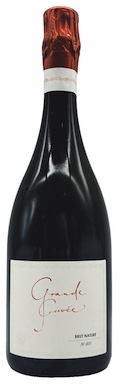

From an estate renowned for its outstanding Rieslings, Klaus-Peter Keller’s son, Felix, focuses on producing sparkling wine. The Grande Cuvée No. 003 is a blend...
Weingut Keller

Raumland, Triumvirat XVI Grande Cuvée, Rheinhessen, Germany, 2016
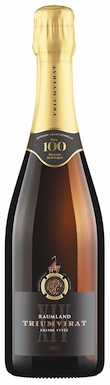
Raumland is regarded as a pioneer of high-quality Winzersekt. Founded by Volker Raumland, the business is now run by his daughters Marie-Luise and Katharina. The...
2016
Raumland
Barth, Hassel Grosse Lage Riesling, Rheingau, Germany, 2018
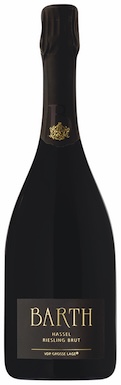
The estate under the management of Mark Barth has established itself as a leading producer of sparkling Riesling, primarily from single-vineyard plots. This wine is...
2018
Barth
Griesel & Compagnie, Grande Cuvée Dosage Zéro, Hessische Bergstrasse, Germany, 2020
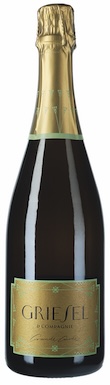
Griesel & Compagnie was founded in 2013 with the sole aim of producing sparkling wine in the Francophile style. The 58-month ageing on lees has...
2020
Griesel & Compagnie
Loimer, Langenlois Grosse Reserve Blanc de Blancs, Kamptal, Niederösterreich, Austria, 2020
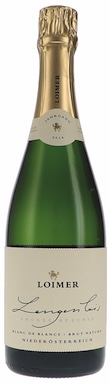
Fred Loimer’s Grosse Reserve opens with notes from lees ageing: toasted nuts and bread crust, followed by ripe fruit with hints of apple peel and...
2020
LoimerKamptal
Christian Madl, Signature Collection Blanc de Noirs, Weinviertel, Austria, 2019
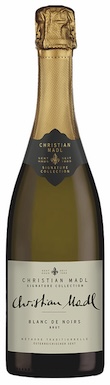
Christian Madl has devoted himself exclusively to sparkling wine production. He focuses on a distinctive Austrian style of sparkling wine rather than imitating Champagne. Here,...
2019
Christian Madl
Schlossgut Diel, Prestige Cuvée Mo VDP Sekt Prestige, Nahe, Germany, 2013
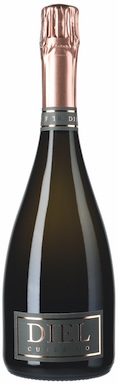
Schlossgut Diel, run by the lovely Caroline Diel and her husband Sylvain Taurisson-Diel, has a long tradition of sparkling wine production. The base wine was...
2013
Schlossgut Diel
Aldinger, VDP Sekt Prestige, Württemberg, Germany, 2019
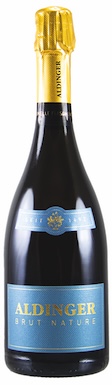
With this classic blend, brothers Hansjörg and Matthias Aldinger have created a ‘champagne pirate’. Even the first impression is distinctly Champagnesque: very vinous, with yellow...
2019
Aldinger
Harkamp, Zero Dosage, Südsteiermark, Steiermark, Austria
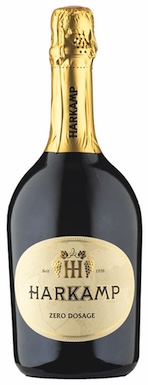
An insider tip from Southern Styria, where Hannes and Petra Harkamp practice biodynamic viticulture. The resulting sparkling wine is minimalist; it is crystal-clear, fresh and...
HarkampSüdsteiermark
Bamberger, Grand Pinot Réserve, Nahe, Germany, 2017
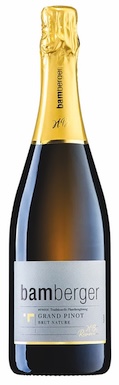
The Bamberger wine and sparkling wine estate has been producing high-quality sparkling wines for over 40 years. This one was fermented in wooden barrels and...
2017
Bamberger
Krack, Blanc de Blancs, Pfalz, Germany, 2023
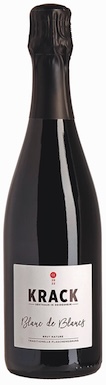
Anna and Christian Krack are among the most exciting representatives of the new generation of German sparkling wine producers. An unconventional style. The base wine,...
2023
Krack
Rings, Calcaire Blanc et Noirs, Pfalz, Germany, 2021
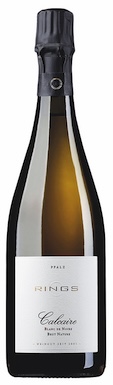
Brothers Steffen and Andreas Rings take risks and come out on top when it comes to wine and sparkling wine. The Calcaire is reminiscent of...
2021
Rings
Schloss Gobelsburg, Vintage Grosse Reserve, Kamptal, Niederösterreich, Austria, 2012
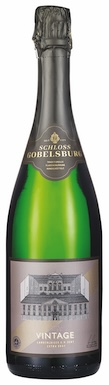
Schloss Gobelsburg is one of Austria’s oldest wineries, run by Michael Moosbrugger since 1996. Having spent more than 10 years on lees, it is impossible...
2012
Schloss GobelsburgKamptal
Jurtschitsch, Grosse Reserve, Kamptal, Niederösterreich, Austria, 2020
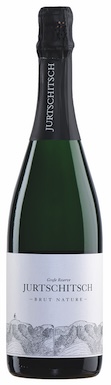
The oldest bottle of sparkling wine in the wine cellar dates back to 1936 and was produced by Alwin Jurtschitsch’s great-grandfather. In 2007, this long-forgotten...
2020
JurtschitschKamptal
Schloss Vaux, Geisenheimer Rothenberg Riesling, Rheingau, Germany, 2019
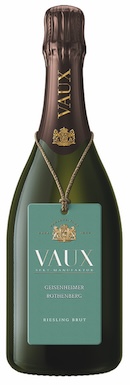
A sparkling wine producer steeped in tradition, now based in the Rheingau and owned by a small circle of shareholders. The Rothenberg is a single...
2019
Schloss Vaux
Franz Keller, Streitweg Blanc de Blancs, Baden, Germany, 2018
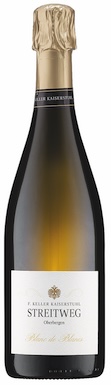
The winery owned by Fritz Keller and his son Friedrich is situated in the heart of the Kaiserstuhl’s volcanic landscape. The region is primarily home...
2018
Franz Keller
Christmann & Kauffmann, Gimmeldinger Kapellenberg Rosé, Pfalz, Germany, 2021
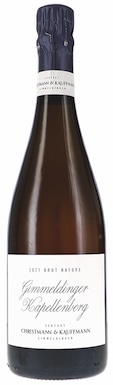
The Christmann & Kauffmann sparkling winery was founded in 2019 in the Palatinate by Sophie and Steffen Christmann, together with former Bollinger cellar master Mathieu...
2021
Christmann & Kauffmann
Bründlmayer, Reserve Rosé, Kamptal, Niederösterreich, Austria
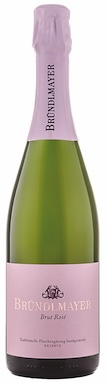
Bründlmayer is one of Austria’s leading family-run wineries, renowned for its Grüner Veltliner and Riesling wines. But its sparkling rosé is everyone’s favourite. Ageing on...
BründlmayerKamptal
