Amarone for Christmas: 30 great bottles to try
‘The undeniable feel-good factor with Amarone makes it a top pick for Christmas,’ says Michael Garner.
Get our daily fine wine reviews, latest wine ratings, news and travel guides delivered straight to your inbox.
You are now subscribed
Your newsletter sign-up was successful
Though Amarone may be easy to like, how to get the best from a bottle is not always quite so straightforward. Two major reasons behind its inexorable rise in popularity – a high alcohol content and its inherent sense of sweetness – can make the wine difficult to match with food.
Scroll down to see tasting notes and scores for 30 great Amarone for Christmas
Traditionally, Amarone was seen as a vino da meditazione, a wine to be enjoyed on its own, perhaps as a post-prandial tipple, much in the same way that a glass of port can round off a celebratory meal. As the wine to accompany a cheese board, it has few peers, and legendary producer, Romano Dal Forno believes Amarone is the perfect wine to enjoy with friends in a convivial social setting.
In order to meet burgeoning demand over the last couple of decades, production figures have soared, leaving producers with something of a dilemma. From a pre-millenium annual average production of around eight million bottles, to today’s – 18 million, Amarone is no longer a niche wine.
A drier approach
The current trend across a growing number of wineries is to reduce sugar levels to just a couple of grams per litre in order to make the wine more versatile and take on a wider role with food. Its rich, round and velvety palate with those enticing, spicy, dried fruit aromas and flavours that remain its distinguishing features immediately bring thoughts of game-based, festive dishes to mind. A slice of game pie or a hearty venison casserole, perhaps? Winter is certainly the right time of year for Amarone!
Amarone production
Production regulations allow Amarone to contain up to 12g/l of residual sugar at the minimum 14% abv (rising incrementally with higher alcohol levels) which, when coupled with an alcohol content of up to 17 or even 17.5% abv can result in something that simply overpowers most dishes.
A unique production methodology means that fruit destined for Amarone is dried for months on either the traditional bamboo racks know as arele, customarily on the winery’s upper floor for improved ventilation, or – more likely these days – in easier to sterilise plastic crates stacked high in large warehouses under carefully controlled atmospheric conditions.
Either way, up to 40% of the grapes’ weight is lost via evaporation of their water content through the skins, leaving highly concentrated juice which is then fermented slowly over many weeks as the sugars are gradually transformed into alcohol.
Get our daily fine wine reviews, latest wine ratings, news and travel guides delivered straight to your inbox.
A protracted period of ageing, usually in wood, follows. Regulations state 24 months of ageing as a minimum, though many choose to extend the stay for several additional years until the wine approaches full maturity. Likewise, the bottled wine is frequently stored longer still at the cellars before release. Inevitably, the costs of such a painstaking process are high, a factor reflected in the final price to the consumer. Premium wines from hallowed names like Dal Forno, Masi or Quintarelli are correspondingly expensive and demand to be opened on special occasions.
A question of provenance
A further consideration when choosing the right bottle of Amarone is clearly the wine’s provenance. Three distinct production areas are designated: Classico (just east of Lake Garda), the valley of Valpantena (immediately north of Verona), and, further east again, Valpolicella Orientale, as it has now become known.
Many but by no means all of the finest examples of Amarone come from the Classico area which, as a rule of thumb, show an intense, spicy, aromatic style. Wines from the Valpantena valley, with its slightly cooler growing conditions, tend to be just a little lighter yet finely-balanced, while Amarone from Orientale can often be the fullest and most powerful style as temperatures further from the Garda lake tend to be a little warmer.
To take advantage of Amarone’s new-found glory status, a whole raft of new names has appeared in recent years, many of them smaller-scale, ‘artisanal’ producers making wine in highly limited quantities. Similarly, the movement towards the production of organic and, more rarely, biodynamic wines is on the increase as Italy cements its position as world leaders in the production of wines with ‘green’ credentials.
All things considered, the undeniable feel-good factor with Amarone makes it a top pick for Christmas!
Michael Garner’s 30 Amarone for Christmas
Related articles
- Expert’s Choice: Valpolicella
- Touring Valpolicella
- Bertani Amarone della Valpolicella Classico: a 43 vintage vertical
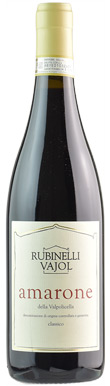
Rubinelli Vajol, Amarone della Valpolicella, Classico, Veneto, Italy, 2016

Smoke, charcoal, and ripe red fruit aromas. Flavours of ripe red fruit with a meaty note, dark chocolate, liquorice, spices, and high alcohol. Almost vermouth-like, with a burning alcohol and sweetness on the finish.
2016
VenetoItaly
Rubinelli VajolAmarone della Valpolicella
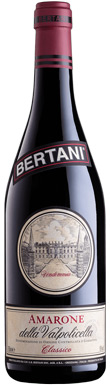
Bertani, Amarone della Valpolicella, Classico, Veneto, Italy, 2013

The current-release 2013 vintage features a nose of dried cherries combined with spice and smoke, adding a savoury element. The tannins are still tight but fine-grained, and balanced by the firm, linear acidity. There's weight and breadth on the palate due to the immense fruit concentration, with a persistent finish. Elegant and poised.
2013
VenetoItaly
BertaniAmarone della Valpolicella
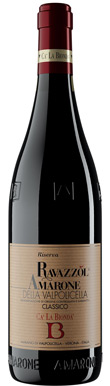
Ca' La Bionda, Ravazzòl, Amarone della Valpolicella, Classico, Veneto, Italy, 2013

Alessandro Castellani, an articulate champion of the potential of the Corvina grape, may be best known for his pioneering work with fresh grapes (Casal Vegri and Decennale) but demonstrates similar skill with the appassimento process too. His Ravazzol vineyard lies midway along the Marano valley, from where he produces a stylish Amarone. Aromas of Christmas pudding and hints of smoke and molasses are followed by a fleshy and round palate with well-defined fruit flavours and balanced acidity. Almost sotto voce: expressive yet also restrained and lyrical.
2013
VenetoItaly
Ca' La BiondaAmarone della Valpolicella
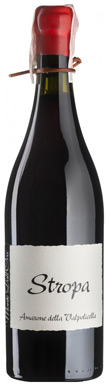
Monte dall'Ora, Stropa, Amarone della Valpolicella, Classico, Veneto, Italy, 2013

Carlo Venturini and partner, Alessandra Zantedeschi run the delightful Monte Dall’Ora estate at Castelrotto following biodynamic principles. Carlo’s intuitive approach to winemaking is vindicated by a range of stylish and authentic wines with strong personalities. Full and spicy, lifted by a light touch of cherry menthol volatility, this Amarone is rich and mouth filling with a juicy mix of fresh, dried and candied fruits, lovely acidity, and a long and defined finish. Nearing its peak.
2013
VenetoItaly
Monte dall'OraAmarone della Valpolicella
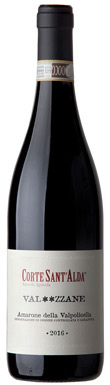
Corte Sant'Alda, Val (Me)zzane, Amarone della Valpolicella, Veneto, Italy, 2016

Local legend, Marinella Camerani was one of the first in the area to take the plunge and convert to biodynamic viticulture (although not certified) after meeting Nicolas Joly back in 2002. Her Amarone, from vineyards in the Mezzane di Sopra valley, is ripe and fresh with dominant red fruit aromas, yet shows underlying richness too. A juicy, round and seductive mix of red and candied fruit flavours is accompanied by twinkling flashes of spice. Very expressive and beautifully balanced.
2016
VenetoItaly
Corte Sant'AldaAmarone della Valpolicella
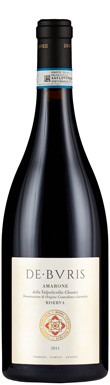
Tommasi, De Buris Riserva, Amarone della Valpolicella, Classico, Veneto, Italy, 2011

The Tommasi family are important landowners in Valpolicella and produce a wide range of Veronese reds. Their super-premium De Buris selection is produced from the two-hectare La Groletta vineyard overlooking Lake Garda. The wine offers a strong menthol note up front with aromas of fig, prune and dark chocolate. Full and sweet, the palate displays ripe, juicy fruit flavours in an unobtrusive structure, with a gentle and relaxed finish. Fully ready.
2011
VenetoItaly
TommasiAmarone della Valpolicella
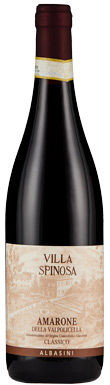
Villa Spinosa, Albasini, Amarone della Valpolicella, Classico, Veneto, Italy, 2016

Based at Jago above the town of Negrar, Villa Spinosa has vineyards close to the winery at Costa del Buso, high on the eastern side of the valley, and at Figari, just over the Masua hillside in neighbouring Marano. Wines are made by talented young enologist, Gian Maria Ciman, a disciple of the late, great Roberto Ferrarini. Full, ripe and spicy aromas, with flashes of dark fruit, chocolate and woodsmoke, lead into a full, round and juicy palate with firm underlying tannins and crisp acidity. Good length and a poised, satisfying finish.
2016
VenetoItaly
Villa SpinosaAmarone della Valpolicella
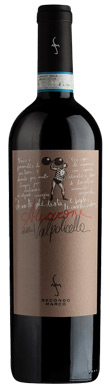
Secondo Marco, Amarone della Valpolicella, Classico, Veneto, Italy, 2015

Fumane-based Marco Speri was an early champion of reducing sugar levels in Amarone to produce a drier, more food-friendly wine. Lengthy fermentation at cool temperatures and plenty of ageing in traditional large botte results in a wine in the typically spicy Fumane style. Notes of black pepper, nutmeg, cinnamon and clove overlay dark dried fruit aromas. Full and juicy with rich, dark, fruit flavours, it's balanced by lovely acidity. ending with a long and gentle, undulating finish. Firm, satisfying and dry.
2015
VenetoItaly
Secondo MarcoAmarone della Valpolicella
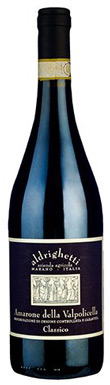
Aldrighetti, Amarone della Valpolicella, Classico, Veneto, Italy, 2015

Aldrighetti is a tiny producer with just four hectares of vineyard at Valgatara, near the bottom of the Marano valley. Traditional winemaking includes appassimento of Amarone grapes in wooden crates and 3-4 years ageing in botte. Full and scented aromas with sweet pomander spice (clove and orange peel) lead to a full round and ripe palate with very juicy fruit flavours of plum and cranberry, and decent freshness, while the firm tannins are balanced by acidity. Really good effort.
2015
VenetoItaly
AldrighettiAmarone della Valpolicella
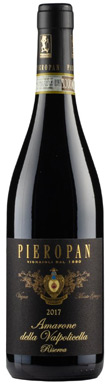
Pieropan, Vigna Garzon, Amarone della Valpolicella, Veneto, Italy, 2017

Legendary Soave producers, the Pieropan family bought vineyards high in the Illasi valley on the Monte Garzon hillside in 2000, which provide the fruit for their Amarone. Winemaking follows a classic formula, with ageing for 24 to 30 months in French oak of varying sizes. Dense and lush aromas with a whisper of dried and candied fruits and exotic spices are followed by a full, sumptuously textured palate with chewy, ripe fruit flavours balanced by fabulous fresh acidity. Plenty of scope for further development.
2017
VenetoItaly
PieropanAmarone della Valpolicella
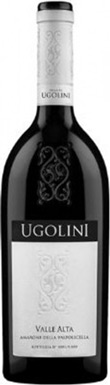
Tenute Ugolini, Valle Alta, Amarone della Valpolicella, Classico, Veneto, Italy, 2011

Based at the bottom of the Fumane valley, Tenute Ugolini produce a range of individually-styled, uncompromising wines of forceful personality. Following a fermentation lasting over seven months, the Amarone is stored in glass demijohns for no fewer than seven years, plus a further year in bottle before release. Its mature nose of dried fruits and toasted spice has tremendous lift. Balanced and juicy, the palate shows good definition of dark and spicy dried fruits, with good structure and a long, balanced finish. Right at its peak.
2011
VenetoItaly
Tenute UgoliniAmarone della Valpolicella
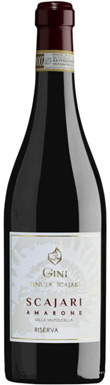
Gini, Tenuta Scajari, Scajari Riserva, Amarone della Valpolicella, Veneto, Italy, 2011

Brothers Sandro and Claudio Gini make some of the very best Soave on the market but also own Tenuta Scajari at Campiano, high above Cazzano di Tramigna in the Valpolicella Orientale. Their Amarone is a singular wine with a restrained yet succulent nose; gentle, wafting dried fruit aromas combine with spice and tertiary notes on the breeze. The warm and soft palate shows good freshness of acidity; a gentle, relaxed style with exquisite balance.
2011
VenetoItaly
GiniAmarone della Valpolicella
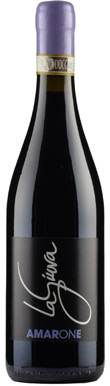
La Giuva, Amarone della Valpolicella, Veneto, Italy, 2018

Owner Alberto Malesani, an ex-football manager who successfully coached several teams in Italy’s Serie A, is a native of Verona and founded this estate at Trezzolano in the Valsquaranto with daughters, Giulia and Valentina. The house style aims for richness, roundness and opulence, and this Amarone definitely fits the bill: heady and spicy with molasses-like notes over powerful fruit aromas, it is round, ripe and juicy with mouth filling fruit flavours balanced by acidity and firm but ripe tannins, with hints of oak. Impressively hedonistic.
2018
VenetoItaly
La GiuvaAmarone della Valpolicella
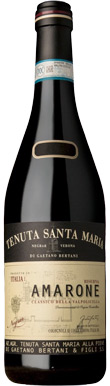
Tenuta Santa Maria di Gaetano Bertani, Riserva, Amarone della Valpolicella, Classico, Veneto, Italy, 2017

With headquarters at Arbizzano near the bottom of the Negrar valley, the Bertani family produce a wide range of Veronese reds from the walled vineyards surrounding the magnificent, neoclassical, 18th century Villa Mosconi. Their Amarone is made as a Riserva, with five years of oak ageing. The wine shows a ripe and chocolatey nose of surprising freshness, and the palate lives up to this initial promise: balanced and firm with juicy fruit flavours. Plenty of life left ahead of it.
2017
VenetoItaly
Tenuta Santa Maria di Gaetano BertaniAmarone della Valpolicella
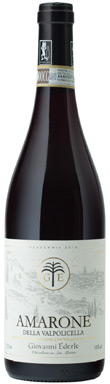
Cantina Giovanni Éderle, Amarone della Valpolicella, Veneto, Italy, 2018

Giovanni Ederle’s vineyards perch on the ridge between the valleys of Avesa and Valpantena, above the historic centre of Verona. His Amarone is fermented at cool temperatures (less than 20℃, to maximise aroma) for 30-40 days, followed by 18 months in French oak tonneaux. Seasoned oak appears up front with spicy, dried fruit notes. Lovely sculpted dried cherry and cranberry fruit flavours are accompanied by precise acidity, with great length and presence. Lovely.
2018
VenetoItaly
Cantina Giovanni ÉderleAmarone della Valpolicella
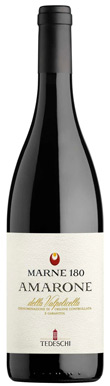
Tedeschi, Marne 180, Amarone della Valpolicella, Veneto, Italy, 2019

The family run Tedeschi winery produces several versions of Amarone, and even at their simplest level maintains enviably high standards. The ‘generic’ Amarone, Marne 180 is made in very much the classic style. The nose is full, rich and ripe with good freshness, while the big, ripe and round palate features sweet fresh and juicy fruit flavours backed up by fair acidity. Classic and cleanly made, this is a paradigm of authenticity.
2019
VenetoItaly
TedeschiAmarone della Valpolicella
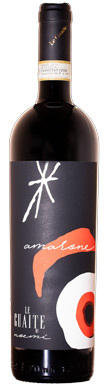
Le Guaite di Noemi, Amarone della Valpolicella, Veneto, Italy, 2011

This family winery in the upper Mezzane valley is run by Noemi Pizzighella. The Amarone undergoes a period of no fewer than 10 years before release (four years in barrel and six years in bottle) and it's a one-off: edgy and volatile up front, then aromatic notes of spice and dried fruits with tobacco and camphor hints. The palate heads straight down the tertiary route yet retains remarkably sweet fruit flavours that are plump and juicy still, accompanied by seductively gentle aromas to the finish.
2011
VenetoItaly
Le Guaite di NoemiAmarone della Valpolicella
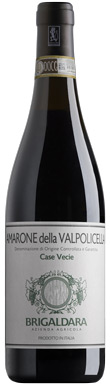
Brigaldara, Case Vecie, Amarone della Valpolicella, Veneto, Italy, 2017

The Cesari family’s Case Vecie estate sits at 450m above the town of Grezzana in the Valpantena valley. The slightly unusual blend here features similar percentages of Corvina, Corvine and Rondinella, aged for four years in oak. Dried and candied fruit aromas with strong spice notes are reminiscent of christmas pudding, while the full and juicy palate boasts very ripe, well-modulated fruit flavours within a balanced structure. Seamless.
2017
VenetoItaly
BrigaldaraAmarone della Valpolicella
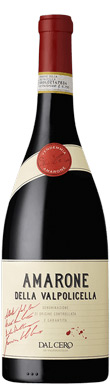
Dal Cero, Amarone della Valpolicella, Veneto, Italy, 2017

Important Soave producers at Ronca on the eastern edge of the DOC area, the Dal Cero family followed up on their success by investing in vineyards on the San Briccio hillside at Lavagno. Enologist Davide’s talent shines through in this Amarone: big and full with powerful black and blue fruit aromas and a tell-tale note of black pepper, then a rich palate of juicy fruit, balanced structure and impressive length, with firm but trim tannins.
2017
VenetoItaly
Dal CeroAmarone della Valpolicella
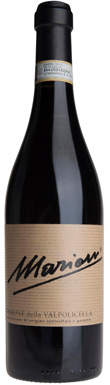
Marion, Amarone della Valpolicella, Veneto, Italy, 2018

The Marion winery is surrounded by around 20 hectares of vineyard close to Marcellise, between the valleys of Squaranto and Mezzane and just above the town of San Martino Buon Albergo. The Amarone is a wine of classical proportions, fermented in stainless steel and then aged in large old oak botte. Broad and spicy with crushed black peppercorn, cinnamon and clove inflections to the full fruit aromas, it's a big, rich and juicy wine with fair freshness of fruit and some candied notes. Balanced and ready.
2018
VenetoItaly
MarionAmarone della Valpolicella
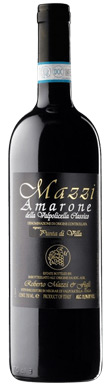
Mazzi, Punta di Villa, Amarone della Valpolicella, Classico, Veneto, Italy, 2018

The Mazzi brothers are based on the eastern flanks of the Negrar valley, where they farm seven hectares of vines. Their Punta di Villa, from a southwest-facing site at 250m, is aged for some 30 months in oak and a further year in bottle before release. A shy nose of cherry and herbs is followed by a full, rich and juicy palate with flavours of fig, cranberry and cherry, and fair acidity. The 6.2 g/l of residual sugar is not too obvious alongside the 17% alcohol content.
2018
VenetoItaly
MazziAmarone della Valpolicella
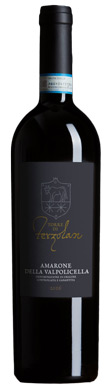
Torre di Terzolan, Amarone della Valpolicella, Veneto, Italy, 2017

The Valsquaranto valley is very much an up and coming area for Amarone. Just three hectares of vines are wrapped around the small Torre di Terzolan winery at 350m on the eastern side of the valley. The Amarone is mainly a Corvina (50%) and Corvinone (40%) blend. Vinification follows classic lines with plenty of oak, plus some amphora ageing. Impressively fresh still for its age with well-defined fruit aromas, it's mouth-filling yet with good acid and a balanced finish. Just 2g/l residual sugar.
2017
VenetoItaly
Torre di TerzolanAmarone della Valpolicella
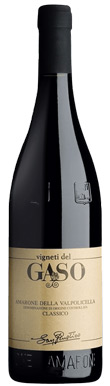
San Rustico, Gaso, Amarone della Valpolicella, Classico, Veneto, Italy, 2015

The well-exposed Gaso vineyard sitting high up at 400m, close to the border between the Fumane and Marano valleys in central Classico, is one of the area’s finest and provides the fruit for the Campagnola family’s premium Amarone. There’s plenty of seasoned oak and liquorice up front, while the palate is round and ripe with full, juicy fruit flavours. Intense spice and balsamic notes define the long and balanced finish.
2015
VenetoItaly
San RusticoAmarone della Valpolicella
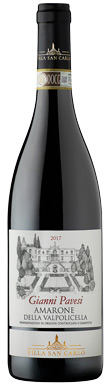
Villa San Carlo, Gianni Pavesi, Amarone della Valpolicella, Veneto, Italy, 2017

Another fairly new name in terms of wine production, the elegant Villa San Carlo is surrounded by 20 hectares of south- and southwest-facing vineyards at Montorio Veronese. The Pavesi family’s Amarone is matured for around 30 months in different sizes of french oak. The wine is broad, sweet and oaky, with a hint of nutmeg. The luscious palate features very ripe and fleshy fruit flavours, and an understated structure. Well done in a more elegant style.
2017
VenetoItaly
Villa San CarloAmarone della Valpolicella
Terre di Leone, Amarone della Valpolicella, Classico, Veneto, Italy, 2012

Terre di Leone is a small family-run winery high up in the Marano valley at 450m, with seven hectares of vineyard towards the communal boundary with Fumane. The family’s Amarone undergoes lengthy oak ageing (up to eight years) before release. A mature, slightly edgy and oaky nose features notes of herbs and tobacco with rich dried fruit aromas. The palate still shows commendable freshness; round, full and juicy with a long, nuanced finish. Holding up very well.
2012
VenetoItaly
Terre di LeoneAmarone della Valpolicella
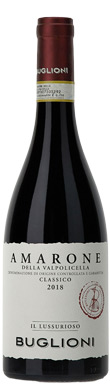
Buglioni, Il Lussurioso, Amarone della Valpolicella, Classico, Veneto, Italy, 2018

Produced from 20-year-old vines at Sant’Ambrogio, this classically styled Amarone undergoes maceration on the skins for between three and four weeks, followed by 30 months in a mix of tonneaux and large botte, and finally 12 months in bottle before release. Fresh and very youthful fruit aromas are followed by a round ripe and luscious palate with dense liqueur cherry flavours, balanced acidity and a clean finish. 3g/l residual sugar.
2018
VenetoItaly
BuglioniAmarone della Valpolicella
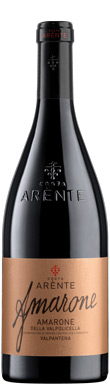
Costa Arènte, Amarone della Valpolicella, Valpantena, Veneto, Italy, 2018

Part of Genagricola, Italy’s largest insurance group, Costa Arente is a recent venture based in the Valpantena valley, with 17 hectares of vineyards between Grezzana and Romagnano. The Amarone is made in a traditional manner with plenty of wood ageing. Aromas of plum and dried cranberry are followed by a round, ripe and juicy palate with brisk acidity. It's a little closed in terms of development but there’s plenty of substance, and shadings of spice and candied fruits emerge with time. It has fair length, with alcohol and some sweetness evident on the finish.
2018
VenetoItaly
Costa ArènteAmarone della Valpolicella
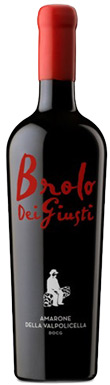
Cantine di Verona, Brolo dei Giusti, Amarone della Valpolicella, Veneto, Italy, 2013

The Cantine di Verona group comprises three cooperatives, including Cantina Valpantena which, historically, has accounted for a substantial proportion of the valley’s production. The Brolo di Giusti label is reserved for the group’s premium range, and this Amarone Riserva is produced along classical lines with two years’ wood ageing. Balanced aromas with some richness and hints of fig and cedar are followed by a well rounded palate with ripe fruit flavours, good persistence and a spreading finish. Carefully crafted.
2013
VenetoItaly
Cantine di VeronaAmarone della Valpolicella
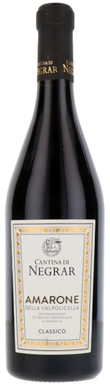
Cantina di Negrar, Domìni Veneti, Amarone della Valpolicella, Classico, Veneto, Italy, 2019

Under the guidance of enologist, Daniele Accordini this Negrar-based cooperative produces good wines at sensible prices. Domini Veneti is the winery’s premium range and the current Amarone is from the cooler 2019 vintage, which produced wines with good aromas and fine acidity. It has clean, fresh, fruit cordial aromas while the palate displays fresh and dried cherry fruit flavours with decent oak integration. Cleanly made in a commercial style with sensibly restrained sugar levels.
2019
VenetoItaly
Cantina di NegrarAmarone della Valpolicella

Michael Garner has worked in the wine business for 40 years, mostly specialising in the wines of Italy. He is the co-author of Barolo: Tar and Roses, taught for the WSET for many years and is a regular contributor to Decanter. He is also co-owner of Italian Wine Specialists Tria Wines with business partner Paul Merritt. His second book: Amarone and The Fine Wines of Verona was published in 2017, and a third is on its way. Garner was first a DWWA judge in 2007. Having judged on the Italian panels at the DWWA for a number of years, Michael Garner joined the team of Regional Chairs in 2019, heading up the Northern Italy panel.