
Another Campania: The varying shades of a volcanic terroir
In a region shaped by its volcanic heritage, a few big names dominate the wine scene, but Campania has so much more to offer in terms of grapes and wine styles that can only be found here.


Campania’s trio of Taurasi, Greco di Tufo and Fiano di Avellino in the Irpinia region receive the majority of critical acclaim, but while that acclaim is deserved, they tend to overshadow what is, in reality, a much more complex region than we’re led to believe.
It’s a land bursting at the seams with historical grape varieties, pre-phylloxera vines, volcanic terroirs – and winemakers working hard to unlock the success of their better-known peers in the Irpinian DOCGs.
Scroll down for notes and scores of 12 volcanic Campania wines
Forging an identity

Campania has an unsurpassed heritage when it comes to the grapevine.
When the first Greek settlers arrived on the southern half of the Italian peninsula in the 8th century BCE, they brought with them vines, presumably not expecting to find an existing healthy viticultural tradition.
Pithecusae, located on the island of Ischia, is thought to be the oldest Greek settlement in Italy.
According to Pliny the Elder, its name derives from pythos (amphorae), of which there was a significant production industry – particularly for wine storage – and there’s plenty of archaeological evidence today.
The Romans, who began expanding into southern Italy in the 4th century BCE, knew these lands as ‘Magna Graecia’ (Greater Greece), but by the 1st century CE, Campania was very much Roman.
The vine-covered mountain
Stabiae, for example, located southwest of Pompeii, overlooking the Bay of Naples, was a prestigious resort for well-to-do Romans, with luxury clifftop villas.
It was here that Pliny’s life was extinguished during the explosive Vesuvius eruptions of 79CE, as he first attempted an ill-fated rescue mission by ship to save residents of Herculaneum, before being forced to divert to nearby Stabiae, where his friend Pomponianus had a villa.
Baiae, on the northern side of the Bay of Naples, was notorious among ancient writers, including Seneca, Cicero and Propertius, for its hedonism, moral corruption and debauchery, boasting renowned thermal springs thanks to the volcanic landscape of Campi Flegrei.
Advanced aquaculture techniques resulted in a lucrative oyster farming industry, particularly around the Bay of Naples, generating vast wealth for the most successful entrepreneurs.
The celebrated Roman wine Falernian was also made in Campania, from vines growing on the slopes of Mount Falernus, now Monte Massico, northwest of modern-day Naples in the province of Caserta.
Pliny the Elder wrote that Falernian reached its peak at 15-20 years. This amphora-aged, rich, amber-coloured liquid was served to senators, consuls and emperors, and fetched the highest prices: a price list on the wall of a tavern in Pompeii declares:
‘For one “as” [coin] you can drink wine
For two you can drink better
For four you can drink Falernian’
Vesuvio

The 200 hectares (2022) of Vesuvio DOC’s vineyard surrounding Mount Vesuvius are home to the likes of varieties Caprettone, Coda di Volpe, Falanghina, Greco, Aglianico, Guarnaccia Nera, Sciascinoso and Piedirosso.
They produce a variety of white, rosé and red wines, not least the historical, sumptuously titled Lacryma Christi (‘Christ’s tears’ – see box), which can only be made using the native grapes of Vesuvius that reach the fullest levels of ripeness – the wines can be made in a range of colours and styles, including still, sparkling, passito and liquoroso.
Despite such a long history of viticulture (vines were grown on Vesuvius in Roman times), the wineries of Vesuvio DOC are all relatively new – the majority under 20 years old, making them contemporaneous with the modern pioneers of one of southern Italy’s other standout volcanic terroirs: Etna.
Fourth-generation winemaker Ciro Giordano (pictured, above) at Cantine Olivella (founded in 2004), located on Monte Somma on Vesuvius’ north side, remembers a simpler time when families would grow grapes and other produce to feed themselves and to sell as wine locally, before socio-economic development led to commercial operations springing up during the early 2000s.
Today, he spearheads a progressive program of change as president of the Vesuvio DOC consorzio.
Believing wholeheartedly in the precious indigenous varieties planted around Vesuvius, he explains that the first step was to encourage Vesuvio’s producers to move away from oak in favour of neutral vessels to better show both the territory and the grape – only one notable winery continues to stick solely to wood.
Giordano also tells me, proudly, that he has succeeded in curtailing corruption, which was once rife, and has helped to bring the various consorzios closer together in order to communicate in unison the message about Campania’s wines.
Lacryma Christi
The name ‘Lacryma Christi’ has its roots in the Roman myth of Bacchus/Dionysus shedding tears of joy that gave life to the vines of Vesuvius; it was later adapted by Christian monks, who asserted that when Jesus ascended to Heaven, he looked down and wept at the beauty of the Bay of Naples and Mount Vesuvius. Where his tears fell, vines sprang up.
A more prosaic explanation is that the name comes from those same monks using a canvas or cloth to filter the wine, ‘tears’ forming as the liquid dripped through.
Catalanesca

Cantine Olivella was the first to take on the challenge of raising the rare Catalanesca to new heights, releasing the first varietal wine in the same year, 2006, that it was registered in the national catalogue of wine grapes.
In 2011, the variety was further recognised with a dedicated IGT: Catalanesca del Monte Somma, covering several municipalities of Monte Somma, the ancient extinct volcano where Cantine Olivella is situated.
This high-yielding white variety was traditionally a sweet and juicy table grape, but grown in the ashen, volcanic soils of the area and then vinified, it achieves a level of acidity and sapidity that balances its soft, ripe flavours perfectly.
Although only produced by a handful of wineries across a handful of hectares, Catalanesca is worth tracking down; it rewards with its immediate appeal but also with its ageability, developing petrolly, Riesling-like notes after a few years in the bottle.
The famous San Marzano DOP and smaller, lesser-known Piennolo del Vesuvio DOP tomatoes also thrive on Monte Somma thanks to the complex, mineral-rich soils, which are older than those of Vesuvius, and a pincer grip of winds both from the sea in front and the Apennines behind.
The cool evening breezes endow the vegetables, grapes and other fruits grown here with both balance and freshness, and provide the perfect conditions for organic agriculture.
Caprettone

Meanwhile, on the south side of Vesuvius, Massimo Setaro (pictured, above) of Casa Setaro proclaims, ‘my goal is to put the focus on Caprettone’, a white grape named after the appearance of the bunches, which look like a goat’s beard.
It was only recognised as a distinct variety in 2014, having frequently been confused with Coda di Volpe previously.
Since Setaro’s father’s first vintage in 2004, the estate has prized its 25ha of ungrafted vineyards of red and white varieties, gnarled and twisted with age, some as old as 150 years or more, according to Setaro.
Setaro tells me he has no need to buy saplings at a nursery. Thanks to the volcanic soils, the dreaded phylloxera bug never ravaged the vineyards in the Vesuvio DOC to the extent it did elsewhere, so a surprisingly high proportion of vines remain on their original rootstock.
Like other producers in the area, Setaro practices the ancient art of calaturo: burying a shoot of an ungrafted vine with the tip exposed, separating it from the mother plant only once the shoot has established its own root system.
Setaro makes a range of reds and whites, including the first metodo classico sparkling wine of the Vesuvio DOC, a 100% Caprettone that harnesses the grape’s body, structure and acidity for a saline, zesty and apricotty glass of sunshine.
While Caprettone works well as a sparkling wine, Setaro proves that it’s also a delicious still wine, both as a single varietal and in a blend. ‘I think it’s the best grape of this area,’ he asserts.
Aryete spends six months on the skins in amphorae for a complex and zesty, almost smoky white, while the Contradae 61.37, from a mixed vineyard with plantings that date back to the 19th century, is about half Caprettone with Greco and Fiano, co-fermented in stainless steel.
The result is out of this world: flint, stone fruits, apple, lemon peel, a leesy backbone and bright minerals all pull together.
Piedirosso

While much of Campania is dominated by white grapes, in Vesuvio and Campi, Flegrei Piedirosso (aka Pèr e Palummo) is the star.
This late-ripening red grape, with its small bunches, can be a bit of a diva. The first bud always dies, so it requires long shoots and a long growing season to be productive.
The grapes have a high pH (low acidity), and if the must isn’t well oxygenated with pumpovers during fermentation, it’s prone to a reductive stink.
But managed carefully, Piedirosso can turn out beautifully light and fragrant red wines in the same vein as Schiava from Alto Adige, Valpolicella from Veneto or Frappato from Sicily.
While there’s still some work to do here, the best examples shine for their fragrance, energy, balance and transparency.
Falanghina

Campi Flegrei is a DOC with 101ha of vineyard (2021).
The area is a volcanic caldera of near-super volcano proportions, which extends from the western outskirts of Naples out into the Gulf of Naples, consisting of 24 craters that still possess tremendous explosive potential.
Earth tremors here are a weekly affair, according to Cristina Varchetta (pictured, above), whose family founded the Astroni winery in 1999 on the steep eastern slope of the Astroni crater, which rises up to 261m above sea level.
The air dense with wafts of sulphurous fumes venting from the earth, Campi Flegrei feels a bit post-apocalyptic – especially since some of the small villages in the area have been permanently evacuated in recent years due to the increasing risk from earthquakes.
The main plantings in Campi Flegrei’s volcanic yellow tuff and sand soils are Falanghina and Piedirosso.
The name Falanghina is thought to have derived from phalanga, the ancient Greek term for the poles used to train the variety’s vigorous shoots.
Today, there are two recognised biotypes, Falanghina Flegrea from Campi Flegrei’s volcanic soils and Falanghina Beneventana from the alluvial soils of Sannio (the ancient land of the Samnites) in the province of Benevento.
Falanghina Flegrea differs from the more fruit-forward Falanghina Beneventana; instead, expect supremely savoury, mineral expressions that perfectly reflect its otherworldly, volcanic terroir.
As with Cantine Olivella in Vesuvio, Astroni is seeing excellent results with amphorae. Its Tenuta Jossa project has, since the 2018 vintage, produced a blend of Falanghina and Fiano aged in Clayver and Tava amphorae.
Varchetta explains that they are also finding the neutral character and oxygenating effect of these vessels perfect for Piedirosso, and hope to have a commercial release soon.
Heroic Amalfi

Things get much steeper along the Amalfi Coast, about an hour’s drive south. Winemakers here practice ‘heroic’ viticulture, working the pergola-trained vineyards on the steep terraces by hand.
Along with Falanghina, Aglianico and Piedirosso, local varieties include Biancolella, Fenile, Ginestra, Pepella and Ripoli, all white.
The soils are mostly limestone with clay, rather than volcanic, yet many of the older vines are nonetheless ungrafted; some planted horizontally into the face of the terraces.
One of the most celebrated producers here, Marisa Cuomo, tells me her workers put in 2,000 hours per hectare every year.
She and her husband own 6ha and rent or buy from another 40ha – do the maths and you can see why they call it heroic!
Wherever you look, the spirit of Campania’s wines is the same: reds of mineral composition and full of energy, and versatile, structured whites.
Next time you’re in Naples, on the Amalfi Coast or Cinque Terre, I urge you to seek out some of these undersung wines and sip the heritage of this incredible part of Italy.
Lesser-known Campania in 12 wines
Italy newsletter: Sign up today
Get the best recommendations, vintage analysis, regional and cultural insights and more delivered to your inbox once a month, helping you to stay up-to-date with the latest in Italian wine.

Related articles
- Wine news from Italy: A round-up
- Cool Barolo: The sites and techniques driving fresher styles in Piedmont
- Where to eat and drink around Lake Garda: Unmissable local gems for wine lovers
Cantine Olivella, Hébon Metodo Classico Extra Brut, Vesuvio, Campania, Italy, 2021
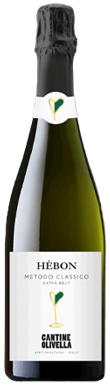

A brand new metodo classico sparkler from Cantine Olivella, made in a modern extra brut style, so a versatile match for foods. A blend of...
2021
Cantine OlivellaVesuvio

Astroni, Vigna Astroni Falanghina, Campi Flegrei, Campania, Italy, 2020
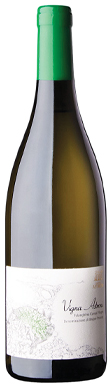
From the outer slopes of the Astroni crater, just west of Naples, this wine is produced from a 1.5ha terraced cru of Falanghina Flegrea –...
2020
AstroniCampi Flegrei
Cantine Olivella, Summa, Catalanesca del Monte Somma, Campania, Italy, 2023
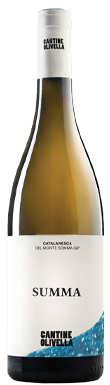
The grapes for this superb single-vineyard wine come from 80-year-old Catalanesca vines high up on Monte Somma, the remains of an ancient volcanic eruption within...
2023
Cantine OlivellaCatalanesca del Monte Somma
Casa Setaro, Aryete Caprettone, Vesuvio, Campania, Italy, 2022
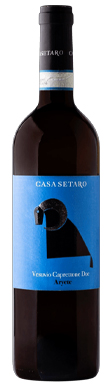
Ripe and aromatic, Aryete is a 100% Caprettone that spends six months on the skins in various sizes of amphora. Flinty scents of apricot skin,...
2022
Casa SetaroVesuvio
Fattoria La Rivolta, Falanghina del Sannio, Taburno, Campania, Italy, 2024
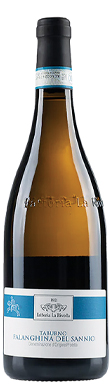
From a historic, organic estate in Torrecuso, at the foot of the Taburno mountain, this Falanghina is zesty and mineral, with a spicy aroma and...
2024
Fattoria La RivoltaFalanghina del Sannio
Marisa Cuomo, Furore Bianco, Costa d'Amalfi, Campania, Italy, 2024
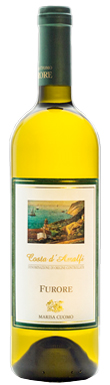
Produced from Falanghina and Biancolella vines grown at 100m-750m overlooking the Tyrrhenian sea, Furore Bianco is a great way to experience Marisa’s beautiful wines –...
2024
Marisa CuomoCosta d'Amalfi
Marisa Cuomo, Rosato, Costa d'Amalfi, Campania, Italy, 2024
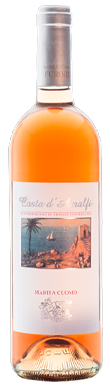
This is a delightful coastal rosé made from vines indigenous to this part of Campania. From the lower-altitude vines of the estate, it's a blend...
2024
Marisa CuomoCosta d'Amalfi
Ettore Sammarco, Pietre di Tramonti Riserva, Costa d'Amalfi, Tramonti, Campania, Italy, 2018
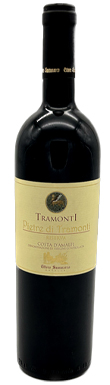
This bold red from the steep vineyards of Tramonti on the Amalfi coast is chocolatey and balsamic in aroma, with violet and black cherry overtones....
2018
Ettore SammarcoCosta d'Amalfi
Casa Setaro, Fuocoallegro Piedirosso, Vesuvio, Campania, Italy, 2023
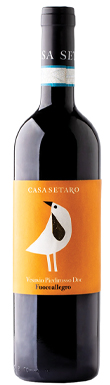
The 2019 vintage of this wine won Best in Show for Southern Italy at the 2021 Decanter World Wine Awards, and it’s easy to see...
2023
Casa SetaroVesuvio
De Falco, Lahar Lacryma Christi Superiore, Vesuvio, Campania, Italy, 2023
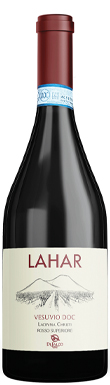
Made with grapes picked in the second half of October, this wine is fermented in stainless steel then aged for six months in used barriques....
2023
De FalcoVesuvio
Mario Portolano, Piedirosso, Campi Flegrei, Campania, Italy, 2024
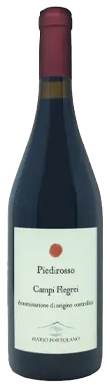
From a historic family of leather glove makers who have expanded into the wine world, this Piedirosso has a herbal cherry and strawberry waft. Succulent...
2024
Mario PortolanoCampi Flegrei
Antonio Mazzella, Nero 70, Ischia, Campania, Italy, 2022
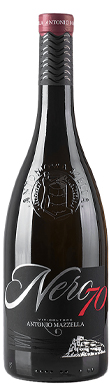
Aged in oak for 12 months, this Piedirosso hails from steep vineyards only accessible by ancient paths, on the south side of the island of...
2022
Antonio MazzellaIschia
Cantine Olivella, Hébon Metodo Classico Extra Brut, Vesuvio, Campania, Italy, 2021
A brand new metodo classico sparkler from Cantine Olivella, made in a modern extra brut style, so a versatile match for foods. A blend of...
2021
Cantine OlivellaVesuvio
Astroni, Vigna Astroni Falanghina, Campi Flegrei, Campania, Italy, 2020
From the outer slopes of the Astroni crater, just west of Naples, this wine is produced from a 1.5ha terraced cru of Falanghina Flegrea –...
2020
AstroniCampi Flegrei
Cantine Olivella, Summa, Catalanesca del Monte Somma, Campania, Italy, 2023
The grapes for this superb single-vineyard wine come from 80-year-old Catalanesca vines high up on Monte Somma, the remains of an ancient volcanic eruption within...
2023
Cantine OlivellaCatalanesca del Monte Somma
Casa Setaro, Aryete Caprettone, Vesuvio, Campania, Italy, 2022
Ripe and aromatic, Aryete is a 100% Caprettone that spends six months on the skins in various sizes of amphora. Flinty scents of apricot skin,...
2022
Casa SetaroVesuvio
Fattoria La Rivolta, Falanghina del Sannio, Taburno, Campania, Italy, 2024
From a historic, organic estate in Torrecuso, at the foot of the Taburno mountain, this Falanghina is zesty and mineral, with a spicy aroma and...
2024
Fattoria La RivoltaFalanghina del Sannio
Marisa Cuomo, Furore Bianco, Costa d'Amalfi, Campania, Italy, 2024
Produced from Falanghina and Biancolella vines grown at 100m-750m overlooking the Tyrrhenian sea, Furore Bianco is a great way to experience Marisa’s beautiful wines –...
2024
Marisa CuomoCosta d'Amalfi
Marisa Cuomo, Rosato, Costa d'Amalfi, Campania, Italy, 2024
This is a delightful coastal rosé made from vines indigenous to this part of Campania. From the lower-altitude vines of the estate, it's a blend...
2024
Marisa CuomoCosta d'Amalfi
Ettore Sammarco, Pietre di Tramonti Riserva, Costa d'Amalfi, Tramonti, Campania, Italy, 2018
This bold red from the steep vineyards of Tramonti on the Amalfi coast is chocolatey and balsamic in aroma, with violet and black cherry overtones....
2018
Ettore SammarcoCosta d'Amalfi
Casa Setaro, Fuocoallegro Piedirosso, Vesuvio, Campania, Italy, 2023
The 2019 vintage of this wine won Best in Show for Southern Italy at the 2021 Decanter World Wine Awards, and it’s easy to see...
2023
Casa SetaroVesuvio
De Falco, Lahar Lacryma Christi Superiore, Vesuvio, Campania, Italy, 2023
Made with grapes picked in the second half of October, this wine is fermented in stainless steel then aged for six months in used barriques....
2023
De FalcoVesuvio
Mario Portolano, Piedirosso, Campi Flegrei, Campania, Italy, 2024
From a historic family of leather glove makers who have expanded into the wine world, this Piedirosso has a herbal cherry and strawberry waft. Succulent...
2024
Mario PortolanoCampi Flegrei
Antonio Mazzella, Nero 70, Ischia, Campania, Italy, 2022
Aged in oak for 12 months, this Piedirosso hails from steep vineyards only accessible by ancient paths, on the south side of the island of...
2022
Antonio MazzellaIschia
