Expert’s choice: Madeira
Few things are more sumptuously delicious as the nights draw in than a glass of good Madeira. From entry-level to exquisite and rare, here are 18 of the island’s top treats.
Get our daily fine wine reviews, latest wine ratings, news and travel guides delivered straight to your inbox.
You are now subscribed
Your newsletter sign-up was successful
If ever there was a bottle of wine to take to a desert island, Madeira has to be the one.
The Portuguese island of Madeira, situated in the Atlantic, 700km off the coast of north Africa, is far from being a desert (or deserted) island itself, despite being on the same latitude as the northern Sahara. Because of its topography (rising to nearly 1,900m above sea level), the vegetation is lush and sub-tropical. Bananas and sugar cane flourish alongside grape varieties that curiously retain naturally high levels of acidity. The fertile volcanic soils, naturally high yields and mesoclimatic factors all contribute to this.
Scroll down for a selection of 18 Madeiras to try
All Madeira wine is fortified to between 17% and 22% alcohol with grape spirit that is 96% in strength.
The pale red Tinta Negra is the catch-all grape responsible for volume Madeira, much of which is artificially heated (a process called estufagem) to create that singular maderised taste. But there’s really no substitute for age, and the best Madeiras often spend decades in wooden casks (vinhos do canteiro), benefiting from the island’s warm temperatures. The resulting wines can be truly ethereal – heaven scent, if you pardon the pun!
Lasting pleasure
Sercial, Verdelho, Boal (Bual) and Malvasia (Malmsey) – all white grapes – are the names to know, their styles generally increasing in levels of sweetness from ‘dry’ (less than 50g/L residual sugar) to ‘rich’ or ‘sweet’ (more than 100g/L). But there are other grapes: Tinta Negra has been permitted as a variety on labels since 2015 and produces soft, easygoing wines in all style categories. Terrantez and Bastardo are rarities but worth seeking out for their individual character.
When it comes to age (and price) there is a clear hierarchy, from basic corrente (bottled at about three years old) through reserva (about five years old) to 10, 20, 30, 40 and 50-year-old blends. These blends are usually greater than the sum of their parts, benefiting from the expert fine-tuning that goes on in the tasting room, the nerve centre for each of the seven shippers that make up Madeira’s wine industry.
Understanding the different Madeira styles
But if you’re seeking a date on your label there’s nothing better than colheita and frasqueira. Sometimes bottled as ‘single harvest’, the former is effectively an early bottled vintage, which must have aged for at least five years in wood. Frasqueira wines (often termed ‘vintage’) must have aged for at least 20 years in wood and are often kept for considerably longer. They start life in the warmest wine stores (called armazéns) where evaporation is highest and are gradually moved to cooler stores, often ending their pre-bottled life in large glass demijohns.
Get our daily fine wine reviews, latest wine ratings, news and travel guides delivered straight to your inbox.
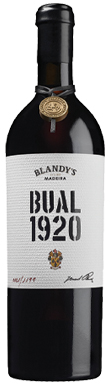
For example, the remaining stock of Blandy’s Bual 1920 has only recently been transferred from cask to demijohn after spending a century in wood. The inherent streak of acidity and controlled exposure to the warm atmosphere gives these wines unshakeable stability, combining freshness with profound depth and complexity. It is by no means uncommon to find Madeiras well over a century old that still have the vibrancy of the day they were made.
And so back to that desert island. If you uncork a bottle of well-aged Madeira you can come back to it again and again for months, even years without it deteriorating. It is the world’s most thrillingly resilient wine.
NB: no drink dates have been given for the wines that follow, as they are all ready to drink at bottling and, unopened, can last for decades or even centuries…
Tasting notes and scores for 18 Madeiras to try
Related articles
- Sweet and fortified wines: how to serve and preserve
- Storing Madeira – Ask Decanter
- Long Read: Wine had a past with sailboats. Does it have a future too?
Blandy’s, Bual 1920, Madeira, Portugal, 1920

The 2020 bottling of an iconic wine after it has spent a century in cask: deep mahogany; rich, pungent thick-cut tawny marmalade character, scented, floral too and slightly singed around the edges; powerfully concentrated, candied orange peel with a touch of malt, racy acidity and honeyed richness in perfect balance. Utterly ethereal.
1920
MadeiraPortugal
Blandy’s
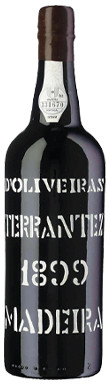
D’Oliveira, 1899 Terrantez, Madeira, Portugal, 1899

Where else would you find a wine from the 19th century that has only just been bottled? Bottled for the first time in 2020 and there is more still ageing in cask: deep mahogany, powerfully concentrated yet also restrained with a hint of woodsmoke on the nose; singed, slightly toasted with glorious texture and mouthfeel, bitter-sweet mid-palate, just as it should be, leading to a magnificent flourish on the finish. Sublime.
1899
MadeiraPortugal
D’Oliveira
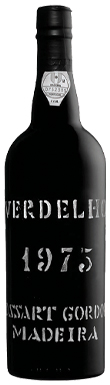
Cossart Gordon, 1975 Verdelho, Madeira, Portugal, 1975

Made during the verão quente (‘hot summer’) of the Portuguese revolution from grapes grown Madeira’s cooler north coast: mid-deep amber with a reddish glint; very expressive, lifted but still tight-knit on the nose, classic dried fruit (figs, raisins, Elvas plum), nuts, hickory and exotic, peppery spices, perhaps a bit funky but awe-inspiring complexity; savoury, mouthfilling yet taut, seemingly off-dry yet rich and intense with a wonderfully spicy, slightly saline finish. Idiosyncratic undoubtedly but a ‘wow’ of a wine to savour.
1975
MadeiraPortugal
Cossart Gordon
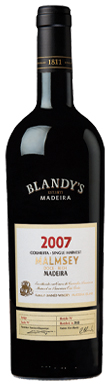
Blandy’s, Colheita 2007 Malmsey, Madeira, Portugal, 2007

Mid-amber with a coppery glint; lovely leathery complexity on the nose with raisins, dried figs and crystalised fruit; very smooth and suave with, glorious richness offset by a streak of acidity with a long, mouthfilling, figgy finish. A classic Malmsey with complexity and poise. Serve on its own after dinner or alongside a crème brûlée.
2007
MadeiraPortugal
Blandy’s
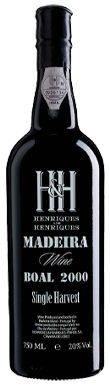
Henriques & Henriques, Single Harvest Boal 2000, Madeira, Portugal, 2000

A worthy platinum winner at the Decanter World Wine Awards earlier this year: deep amber-mahogany, lovely savoury richness with spicy, dried fig concentration and a touch of savoury beef tea. Great purity and definition. Boal stands up well to curry – like chutney – or serve with caramelised oranges!
2000
MadeiraPortugal
Henriques & Henriques
HM Borges, 20 Year Old Verdelho, Madeira, Portugal
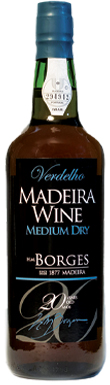
Helena Borges always says ‘never underestimate blends’ and she is responsible for some exquisite blended wines like this medium-dry Verdelho: pale-to-mid amber/orange with lovely smoked, slightly singed gun flint aromas, sings from the glass; fine savoury-toasted, slightly saline flavours with wonderful focus and concentration from age, long and lithe. Perfect with consommé.
MadeiraPortugal
HM Borges
Justino’s, 50 Year Old Terrantez, Madeira, Portugal
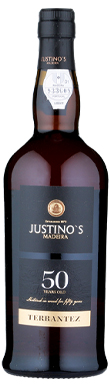
Mid-deep green tinged mahogany; glorious leathery-spicy complexity, cinnamon toast; rich and suave initially (though medium-dry in style) with spicy astringency and a classic ‘sweet and sour’ with racy acidity all the way through to the finish. Sublime.
MadeiraPortugal
Justino’s
Barbeito, 20 Year Old Malvasia, Lote 21333, Madeira, Portugal
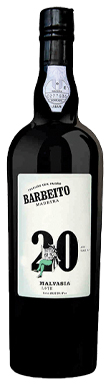
Barbeito make a speciality of these small, lot-numbered Malvasia blends: an earlier lot (No12089) won a trophy in the 2013 Decanter World Wine Awards. Gentle, floral figgy character on the nose with similarly gentle flavours, redolent of quince marmalade with seamless length and real poise.
MadeiraPortugal
Barbeito
Henriques & Henriques, 15 Year Old Verdelho, Madeira, Portugal
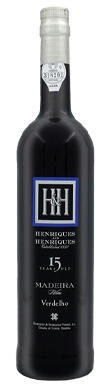
The H&H 10-, 15- and 20-year-old blends are emblematic varietals and regular gold medal winners at the Decanter World Wine Awards. I am a big fan of Verdelho: deep amber with a tangy lime marmalade character, a touch richness mid-palate offset by lovely streak of acidity and a fabulous toffee apple finish. Drink on its own as an off-dry aperitif or with clear soup.
MadeiraPortugal
Henriques & Henriques
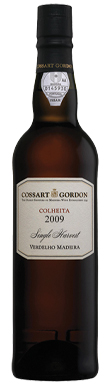
Cossart Gordon, Colheita 2009 Verdelho, Madeira, Portugal, 2009

Pale-mid amber with a golden glint: lovely, savoury-smoky aromas, a hint of tea leaf, quite expressive of Verdelho; beautifully clean and incisive, medium dry with a touch of raisiny sweetness offset by a lovely streak of acidity and a long toasty finish.
2009
MadeiraPortugal
Cossart Gordon
Barbeito, The Rare Wine & Co. Historic Series, Baltimore Rainwater Special Reserve, Madeira, Portugal
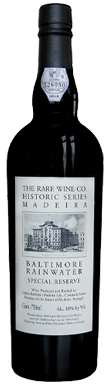
Made by Barbeito, mostly from Verdelho, for the US market where this lighter style is much appreciated. (The name comes from some casks that were left on a beach and diluted by the rain). Deep golden colour with lovely smoky aromas and savoury-toasted flavours offset by a touch of dried apricot sweetness. Pure and appetising: drink on its own or with clear soup.
MadeiraPortugal
Barbeito
Barbeito, 10 Year Old Três Pipas Reserva Velha Bastardo, Madeira, Portugal
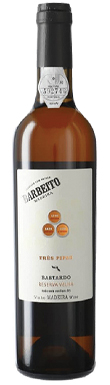
Barbeito have revived this nearly forgotten grape, now grown at São Jorge on the north side of the island: savoury almond-like aromas which continue on the palate (salted peanuts) with dried apricots and slightly caramelised citrus. Medium dry in style: a wine to savour and ponder.
MadeiraPortugal
Barbeito
Blandy’s, 10 Year Old Sercial, Madeira, Portugal
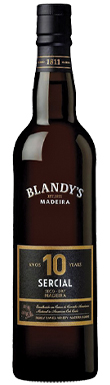
Sercial is not the easiest grape to appreciate but this amber-coloured wine has lovely, lifted savoury-nutty aromas and clean spicy flavours with characteristic acidity. Text book Sercial: a wonderful aperitif or try a glass to accompany sushi and sashimi.
MadeiraPortugal
Blandy’s
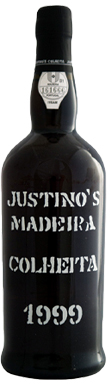
Justino’s, Colheita 1999, Madeira, Portugal, 1999

Made from Tinta Negra which, at this level, makes up for what it lacks in complexity with deep, easy-going satisfaction: mid-deep amber-mahogany with aromas and flavours of raisin and dried fig and a finish akin to Madeiran honey cake (bolo de mel). Gorgeous at the end of a meal with a slice of strong cheese accompanied by dates and nuts.
1999
MadeiraPortugal
Justino’s
Blandy’s, 5 Year Old Reserva, Madeira, Portugal
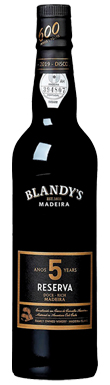
A 50:50 blend of Malvasia and Bual with a touch of new oak, intended as a dessert wine. Amber-mahogany with a soft, smooth caramelised style, well -defined figgy richness and a touch of coconut and spice on the finish. Great with cheese, plum pudding and this also stands up well to caramelised or chocolate desserts.
MadeiraPortugal
Blandy’s
Henriques & Henriques, 5 Year Old Finest Medium Rich, Madeira, Portugal
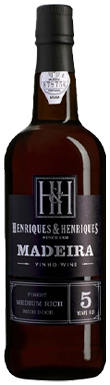
A mellow and readily approachable wine made entirely from Tinta Negra, hence the figgy aromas and simple but satisfying heady-raisiny fruit offset by citrusy acidity and savoury-sweet finish. Delicious with a slice of fruit cake or a piece of cheese.
MadeiraPortugal
Henriques & Henriques
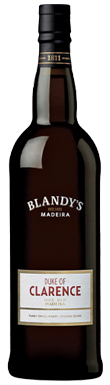
Blandy’s, Duke of Clarence, Rich, Madeira, Portugal

The best-selling brand of madeira, much improved of late, made from Tinta Negra and subject to estufagem for three months then aged for up to three years in old oak: red-mahogany in colour with lovely fruit cake aromas and straight forward raisiny fruit, its soft richness offset by a fresh acidity that prevents the finish from cloying. A good pick-me-up at any time of day, especially with a slice of fruit cake or a treacle tart.
MadeiraPortugal
Blandy’s
Barbeito, Rainwater Reserva, Madeira, Portugal
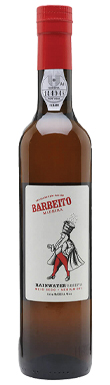
Mostly Tinta Negra with some Verdelho, aged for five years in wood: pale gold, soft and aromatic with dried apricot flavours and a fresh finish (medium-dry). Light and easy-going in style, hence the designation ‘Rainwater’. A good aperitif, with salted nuts, olives, consommé, and Comté cheese.
MadeiraPortugal
Barbeito

Richard Mayson began his career working for The Wine Society, winning the Vintner’s Company Scholarship in 1987 during his time there. Now specialising in the wines of Iberia, especially fortified wines, he owns a vineyard and produces wine in the Alto Alentejo, Portugal, and is the author of four books, including The Wines and Vineyards of Portugal (winner of the André Simon Award 2003) and Port and the Douro. Mayson writes regularly for Decanter and The World of Fine Wine, contributes to the Oxford Companion to Wine and lectures for the WSET diploma and Leith's School of Food and Wine in London. In 1999, he was made a Cavaleiro of the Confraria do Vinho do Porto in recognition of his services to the Port wine trade, and he was an associate editor of Oz Clarke’s Wine Atlas. Mayson runs his own website for fortified wine enthusiasts, portandmadeirapages.com, is currently writing a book on the wines of Madeira.