GB Burlotto: producer profile plus top wines tasted
Michaela Morris visits the GB Burlotto estate in Verduno to speak with fifth-generation winemaker, Fabio Alessandria.
Get our daily fine wine reviews, latest wine ratings, news and travel guides delivered straight to your inbox.
You are now subscribed
Your newsletter sign-up was successful
Gazing out over the hills of Barolo from the belvedere of Verduno, Fabio Alessandria points out Monvigliero as well as Verduno’s lesser-known crus. Besides two hectares in the former, his family has vineyards in Breri, Rocche dell’Olmo, Boscatto and Neirane.
It’s a mild sunny morning in mid-November. All is quiet as Piedmont has been declared a red zone – again. Normally the park would be buzzing with tourists and kids. ‘I spent my youth playing ball here,’ says Fabio. The fifth-generation winemaker at GB Burlotto, he is deeply rooted in Verduno.
Scroll down for 13 GB Burlotto wine tasting notes and scores
One of Barolo’s historic names, Giovan Battista Burlotto was born in 1842. He inherited a working farm from an uncle when he was just a young boy and decided to focus exclusively on viticulture and winemaking. ‘At that time in Piedmont, this was very uncommon,’ recounts Fabio. A true pioneer, Giovan Battista sold by the bottle rather than the cask, and his esteemed wines were even sent to the Royal House of Savoy.
A family affair
After his death in 1927, the estate was passed down to Fabio’s great-grandfather Francesco, who passed it on in turn to his son – Fabio’s grandfather – Ignazio. When Ignazio passed away in 1968 Fabio’s mother, Marina inherited the property at the age of 17. She married Giuseppe Alessandria a few years later and together they grew the estate.
Throughout the 1970s and early 1980s, Piedmont was still emerging from post-war depression. Fabio, who watched his parents work tirelessly with little gratification, had no plans to follow in their footsteps. With an aptitude for maths, he considered becoming an accountant, ‘until a friend convinced me I was crazy,’ he discloses.
He switched to Alba’s oenology school and went on to earn a degree in vinification and viticulture from the University of Turin in 1999. Since then, Fabio has worked full time alongside his parents and sister, Cristina: GB Burlotto is unequivocally a family affair.
The Burlotto approach
The estate now counts over 16 hectares in four of Barolo’s communes, with plantings dating back to 1958. Viticulture is essentially organic, though not certified. ‘We haven’t used chemical fertilisers for over 20 years, and we don’t use herbicides or synthetic products,’ states Fabio.
Get our daily fine wine reviews, latest wine ratings, news and travel guides delivered straight to your inbox.
In the cellar, the approach has changed little. When stainless steel and roto-fermenters were introduced in Piedmont in the 1990s, Burlotto continued using upright wooden vats for fermentation. Nevertheless, winemaking is anything but dogmatic.
Fermentation temperatures as well as maceration and ageing times vary according to the vintage. Above all, Fabio strives for a gentle extraction. He has switched to manual filling and pump-overs within the last six years in the quest for less invasive tannins.
Large casks, mostly 35hl, are favoured for ageing and the Barolos mature anywhere from 20 to 36 months.
In the mid-1990s, the family began replacing Slavonian with French oak mainly due to the inconsistent quality of the former. ‘French wood is less tannic and more refined,’ Fabio adds. ‘It is better adapted for the elegance of Verduno.’
GB Burlotto: Fact box
Date founded: 1850
Owner: Marina Burlotto
Winemaker: Fabio Alessandria
Hectares under vine: 16ha (8ha for Barolo)
Key vineyards: Monvigliero, Rocche dell’Olmo, Neirane, Breri, Cadìa, Cannubi, Castelletto,
Wines produced: Barolo, Pelaverga, Barbera, Freisa, Dolcetto, Sauvignon Blanc
Annual production: 90,000 bottles
The crus
Early adopters of cru bottlings, Marina and Giuseppe introduced their Cannubi and Monvigliero labels in 1982.
The winery’s flagship, Monvigliero has always been made with 100% Nebbiolo stem inclusion and lengthy macerations – just as Fabio’s grandfather Ignazio crafted all of his Barolo.
The distinct style captures the finesse and fragrance of Monvigliero, and its success has contributed to the renown of this great cru. The estate’s other two Barolos bring together diverse parcels in Verduno. ‘We don’t want to lose that history of blending,’ Fabio explains. As with the Cannubi, grapes for these are typically destemmed.
A third cru bottling has been added to Burlotto’s stable as of the 2018 vintage, thanks to the purchase of a one-hectare plot in the Monforte d’Alba subzone, Castelletto. ‘We couldn’t pass up the opportunity,’ says Fabio. The family had long considered having vineyards in Barolo’s three valleys, and with Monvigliero in the extreme north, Cannubi right in the middle and Castelletto in the far southeast, ‘our experience in Barolo is complete.’
Not just Barolo
As deserving as Burlotto’s Baroli are of their accolades, it is a mistake to overlook the rest of the range. Over eight of the estate’s 16 hectares are planted to other Langhe grapes, in large part on the hill of Cadìa which abuts Monvigliero. Dolcetto and Barbera are distinctly Verduno-esque, and the Freisa is among the region’s most seriously delicious examples of the grape.
The only interloper is Sauvignon Blanc, which Marina and Giuseppe planted in 1986 on a patch of chalky soil.
Above all, Burlotto is also a reference for the now fashionable Pelaverga grape. A local speciality of Verduno, it was widespread in the township’s vineyards in the 1800s but by the middle of the last century, plantings were scarce. ‘My grandfather, Ignazio was the only one left vinifying and bottling a pure Pelaverga,’ says Fabio.
A keen bond with the past is palpable at GB Burlotto. The tasting room is housed in Verduno’s first church. Built in 1704, the Cappella di S. Rocco al Pasquero was purchased by Francesco Burlotto in 1932 after it was deconsecrated. It was here that Fabio presented the new releases from 2019. These varietal bottlings brilliantly capture the freshness of the vintage. ‘It is a classic year with lots of acidity and tension,’ he describes.
These 2019s were followed by Burlotto’s 2016 Barolos, each well-defined and deliberate. The loveliness and immediacy of the ‘classico’ Barolo is countered by the intensity and profundity of the Acclivi. And as beautiful as the Monvigliero is, the Cannubi in 2016 is thrillingly visceral. I recall being similarly moved to tears when I tasted Burlotto’s 2013 Monvigliero in 2017.
While unquestionably ageworthy, Burlotto’s Barolos don’t need decades to come around. Even the cru bottlings are typically accessible and harmonious at seven to eight years old. They reflect Fabio’s own personal preference. He describes drinking a well-aged Barolo as an emotional experience, best enjoyed on its own. ‘But when I am eating, I prefer a Barolo between seven to 15 years old that still has energy, acidity and tannins to balance the dish.’
To illustrate his point, Fabio opened a 2011 and 2004 Monvigliero to accompany a simple lunch of classic piedmontese fare: vitello tonnato, carne cruda, insalata russa… Both were poised, in their optimal drinking windows yet not on the precipice of decline.
Throughout all of Burlotto’s wines, there is a precision and balance suggestive of a mathematician, but their individuality and eloquence reveals the soul of an artist.
Michaela’s GB Burlotto picks:
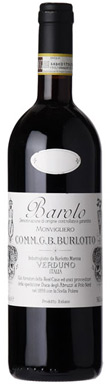
The flagship: GB Burlotto, Monvigliero, Barolo
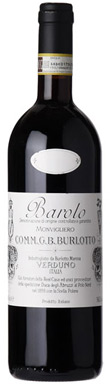
The must try: GB Burlotto, Barolo
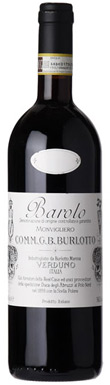
The hidden gem: GB Burlotto, Pelaverga
Tasting the wines of GB Burlotto:
You may also like:Barolo & Barbaresco: 10 high-flying vineyard sitesBarolo 2016 ‘MGA’ late releases tastedFinding value: smart picks from Italy’s top producers
GB Burlotto, Dives Sauvignon, Langhe, Piedmont, Italy, 2019
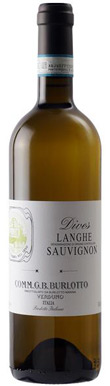
Burlotto produces two Sauvignon Blancs. Viridis is crafted from younger vines and is aged in stainless steel, while Dives hails from the estate’s original 1986 plantings and matures in untoasted acacia wood casks. The 2019 is honeyed and scented with elderflower and fennel. On the palate the fruit has a tropical edge with a sweet, citrussy core, all offset by a savoury tang. Juicy, limpid and creamy, this is generous but not opulent and should continue evolving attractively over the next five years.
2019
PiedmontItaly
GB BurlottoLanghe
GB Burlotto, Pelaverga, Verduno, Piedmont, Italy, 2019
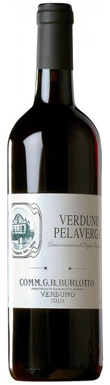
Burlotto possesses diverse plots of Pelaverga for a total of 2.5 hectares. Fabio explains that the different expositions lend complexity, with cooler sites giving a spiciness and warmer spots expressing forest fruit. Light in body but loaded with flavour, this is simply a joy to drink. Fragrant strawberry, pepper and cherry blossom aromas lead the way to a red-fruited palate. Tannins are barely there, leaving the brisk acidity to provide backbone. The finish is succulent, with blood orange, ginger and anise compelling another sip.
2019
PiedmontItaly
GB BurlottoVerduno
GB Burlotto, Dolcetto d'Alba, Piedmont, Italy, 2019
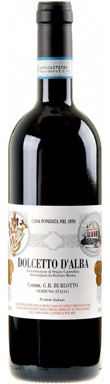
Besides the estate’s Monvigliero, Burlotto’s Dolcetto is the only other wine that consistently sees whole-bunch fermentation – anywhere from 40 to 60%. Fabio believes this preserves fragrance, fruit and freshness while building a bit of structure. It has striking elements similar to the estate's Pelaverga, with a peppery spiciness as well as cherry and red liquorice. Pillowy fruit is framed by soft, fine tannins, and violet notes linger on the finish.
2019
PiedmontItaly
GB BurlottoDolcetto d'Alba
GB Burlotto, Barbera d'Alba, Piedmont, Italy, 2019
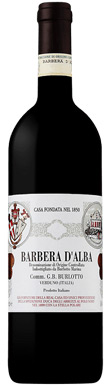
Fabio crafts two Barbera from grapes grown principally between the towns of Verduno and Roddi. While the best fruit is reserved for Aves, this bottling respects the classic concept of Barbera: an unpretentious, easy to drink, sprightly red. It’s aged for just a few months in used botte rather than small barriques in order to retain the purity and crunchiness of fruit. Pretty, with mouthwatering red berries and a lively tension, this is all about unadulterated drinking pleasure.
2019
PiedmontItaly
GB BurlottoBarbera d'Alba
GB Burlotto, Aves, Barbera d'Alba, Piedmont, Italy, 2019
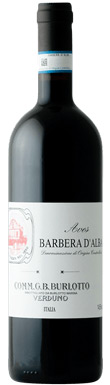
Rather than a selection of extra-ripe grapes, Aves is made from bunches that have the greatest potential for complexity, depth and longevity. Quantities can vary significantly from year to year and in some, this bottling isn’t made at all. Aromas veer towards sweet spice rather than floral nuances. Concentrated, plush and dripping with dark red cherries, the 2019 is velvety in texture but exhibits no lack of freshness or acidity. It stands up confidently to ageing in 500-litre barrels.
2019
PiedmontItaly
GB BurlottoBarbera d'Alba
GB Burlotto, Freisa, Langhe, Piedmont, Italy, 2019
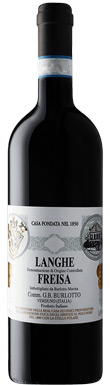
Closely related to Nebbiolo, Freisa behaves very much like its country cousin - though Burlotto’s is more charming than rustic. Plantings are in a warm, south-facing plot which is essential for ripening Freisa’s stubborn tannins. This bursts with vivid rose, strawberry and raspberry aromas. Vibrant and exuberant, it offers impressive concentration and crisp tannins that cleanse the palate. An accomplished balance between fruit and structure.
2019
PiedmontItaly
GB BurlottoLanghe
GB Burlotto, Nebbiolo, Langhe, Piedmont, Italy, 2019
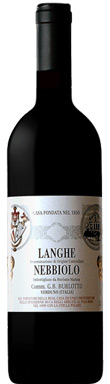
According to Fabio Alessandria, the 2019 vintage in Verduno - where his winery is based - registered heat peaks followed by rain, so the wine features less alcohol than average but more tension, positioning it between 2016 and 2013 in style. The estate's Pelaverga 2019 is delicious and this Nebbiolo is no less good. Aromas are vinous and focused on strawberry puree and Parma violets, followed by red berries and and black pepper on the palate. It's soft and velvety with crunchy tension.
2019
PiedmontItaly
GB BurlottoLanghe
GB Burlotto, Barolo, Piedmont, Italy, 2016
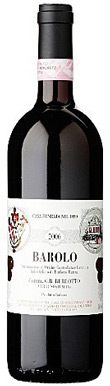
The backbone of Burlotto’s ‘classico’ Barolo comes from the cru of Breri. Neighbouring Monvigliero, it is similarly south-facing on white marly soil but sits at lower altitudes. While it may not have the sheer depth or force of Burlotto’s Monvigliero bottling, it is a lovely wine in its own right and shouldn't be overlooked. Midweight, perfumed, elegant and mouth-caressing, it is all flowers and sweet red fruit at the moment. Bright acidity pierces through the palate and a touch of hazelnut on the finish gives an intriguing earthy tug.
2016
PiedmontItaly
GB BurlottoBarolo
GB Burlotto, Acclivi, Barolo, Piedmont, Italy, 2016
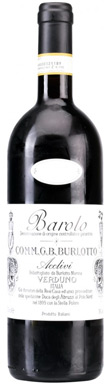
Fabio Alessandria describes Acclivi as the old concept of Barolo Riserva: a selection and blend which best represents the vintage. With varying proportions of the Monvigliero, Rocche dell'Olmo and Neirane crus, it is always made exclusively from Verduno fruit. Initially closed, the 2016 eventually reveals a captivating balsamic personality with winter mint and sage joining Verduno’s telltale spice and wildflowers. Despite compact fruit and tactile, clayey tannins, this remains fluid and tangy with a pomegranate lift. There's plenty of stuffing and power to carry it through a couple of decades.
2016
PiedmontItaly
GB BurlottoBarolo
GB Burlotto, Cannubi, Barolo, Barolo, Piedmont, Italy, 2016
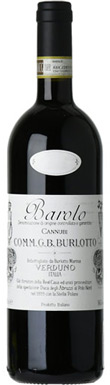
In the Valletta sector of Cannubi, Burlotto’s 0.7ha plot was acquired in the early 1900s. East facing, on a mix of sand and calcareous clay, it is a relatively cool pocket within this warm cru. Intense and piercing, the 2016 marches out with a gorgeous precision of cherry, rose and mint blossom. Whispers of star anise and plum ensue, leading to a salted liquorice core. Long, silky tannins wrap around the palate, clinging on with powdery finesse. This is simultaneously mouthfilling and nimble, and so very deeply penetrating.
2016
PiedmontItaly
GB BurlottoBarolo
GB Burlotto, Monvigliero, Barolo, Verduno, Piedmont, Italy, 2016

GB Burlotto’s two hectares of Monvigliero are in the historic amphitheatre of this cru, facing due south. According to Fabio, the warm site produces consistently ripe stems which allows for their inclusion every vintage. Immediately expressive and evocatively fragrant, the spicy, floral aromas of pepper, pressed rose and fresh herbs are spine tingling. This flows with grace and purpose as layers of fine, sandy tannins build up stealthily without upsetting its balance. The finish is a crescendo of blood orange and violets. An energetic and energising Barolo.
2016
PiedmontItaly
GB BurlottoBarolo
GB Burlotto, Monvigliero, Barolo, Verduno, Piedmont, Italy, 2011

The warm spring of 2011 brought an early and vigorous start to the growing season, and autumn was marked by above-average temperatures. Unsurprisingly, the Monvigliero is generous and extraverted. At almost 10 years old, it is skipping along in its evolution though remains vivacious. A magnificent potpourri of dried petals, cinnamon and cloves waft from the glass, while the palate is full of strawberry fruit punctuated by accents of black olives. Lovely and silky, and completely accessible now, this is really quite easy to drink.
2011
PiedmontItaly
GB BurlottoBarolo
GB Burlotto, Monvigliero, Barolo, Verduno, Piedmont, Italy, 2004

Since it was first produced in 1982, Burlotto’s Monvigliero sees 100% whole-bunch fermentation and a long two-month submerged-cap maceration. Sunny with even heat throughout, the 2004 vintage produced high quantities of high quality grapes. This has transformed from a spicy, floral youngster to a decidedly savoury Barolo. The bouquet shows distinctive notes of tapenade, dried herbs, cedar forest and wet soil. Tobacco, tar and crushed lavender add nuance to the elegantly framed mid-palate. The grainy tannins are supple and yielding, though this still has plenty to give.
2004
PiedmontItaly
GB BurlottoBarolo