Pio Cesare: Introducing Mosconi
Pio Cesare has released a new single-vineyard Barolo from the Mosconi cru. How does it compare to the rest of the range?
Get our daily fine wine reviews, latest wine ratings, news and travel guides delivered straight to your inbox.
You are now subscribed
Your newsletter sign-up was successful
Pio Boffa is the fourth-generation owner of the Pio Cesare estate. He and his relatives are the only winemaking family still based in Alba, the main town that divides the Barolo and Barbaresco zones. Many other wineries were established by growers close to their farms in the surrounding hills.
When he acquired the Mosconi vineyard, for a hefty sum, people took notice with intrigue into what the estate was going to do with the fruit.Pio Cesare already has a long reputation for producing wines from the Barolo and Barbaresco appellations, which usually can be identified by two main traits; incredible freshness allied to an old-school cedar, tobacco and earthy savouriness.This classicism is also reflected in the history of the bottles’ surroundings, lying in the 18th century cellars on Roman foundations. Their other single-vineyard bottling, Ornato, sets a high standard which Mosconi will inevitably be benchmarked against.
Mosconi
In December 2014, just days before his 60th birthday, Boffa acquired a small 9.7ha in the Monforte cru of Mosconi. This was originally supposed to provide fruit for the ‘classic’ Barolo, but a test vinification with his enologist and head winemaker, Paolo Fenocchio – to fully understand the terroir – resulted in the decision to bottle the old-vine fruit as a single-vineyard Barolo.
The Mosconi cru
Widely considered to be an outstanding site, Mosconi is a small cru populated by vineyards owned by some top names, including Conterno Fantino, E Pira & Figli, and Giovanni Rocca.
Location On the eastern slopes of the Monforte d’Alba commune, close to Serralunga d’Alba
Exposure East- to south-facing
Altitude 310-530m
Get our daily fine wine reviews, latest wine ratings, news and travel guides delivered straight to your inbox.
Hectares under vine ~30ha
2015 is the first release of Pio Cesare’s Mosconi, which sits alongside the well-established Ornato bottling from Serralunga. The 2015 vintage has been widely seen as potentially great after a hard 2014.
Barolo 2015 vintage report – Stephen Brook
Neither the Mosconi or the Ornato are shrinking violets but there is certainly enough contrast between the two crus to justify purchasing both. The Mosconi is lighter than the denser Ornato showing more red fruit, but, like its sibling is surprisingly light on its feet for such a substantial wine. The Ornato has been produced for 30 years and the ‘recipe’ has been perfected – Mosconi, will carve its own style and surely only improve as they dial everything in over the next few years.
Tasting the wines of Pio Cesare:
Pio Cesare: Factbox
Founded 1881 by Cesare Pio
Current owners Cesare’s great-grandson Pio Boffa runs the winery along with his cousin Augusto, his nephew Cesare, and his daughter Federica.
Vineyards The estate owns around 70ha in total, including 31.78ha in Barolo and 26.9ha in Barbaresco. The single-vineyard bottlings are made from 16ha in Ornato, Serralunga d’Alba, 9.7ha in Mosconi, Monforte d’Alba and 18ha in Il Bricco, Treiso.
Wines Pio Cesare produces the full gamut of Piedmont wines, from Langhe Chardonnay, Moscato d’Asti and Gavi, to Dolcetto, Barbera, Barolo and Barbaresco. The estate even produces a Barolo Chinato and a Vermouth from an original 1950s recipe.
You may also like:
Best Piedmont wines: Latest-release Barolo & Barbaresco
Ten of the best Italian vineyards & terroirs
Gaja Barbaresco crus: Costa Russi & Sorì San Lorenzo verticals
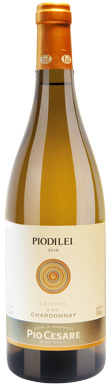
Pio Cesare, Piodilei Chardonnay, Langhe, Piedmont, Italy, 2016

Pio Cesare's Chardonnay comes from estate vines in the Cascina Il Bricco vineyard in Treiso and the Colombaro vineyard in Serralunga d'Alba. A cool and rainy spring gradually gave way to plenty of warmth in late summer, allowing for slow ripening. This is a rich, oaky style thanks to barrel-fermentation and maturation on its lees for 10 months in one-third new wood. It's broad on the palate, with lovely freshness and a lick of lime accompanying the oak-spiced mid-palate. Despite the richness, the acidity brings elegance and balance. It will pair well with a feta salad or tempura squid.
2016
PiedmontItaly
Pio CesareLanghe
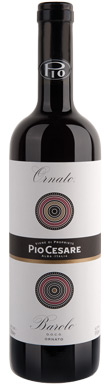
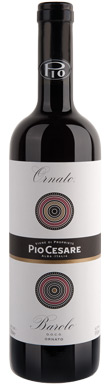
Pio Cesare, Ornato, Barolo, Serralunga d’Alba, Piedmont, Italy, 2015

The fruit for this wine is sourced from Pio Cesare's plots in the Ornato vineyard in Serralunga d'Alba. It has a big, bold palate impression with lovely fresh acidity framing a core of delicate red fruits and heavier plummy notes. The tannins are fine and chalky, and despite this vineyard's reputation for producing heavily structured wines, it's relatively light on its feet, juicy and moreish. Although delicious, it seems a waste to drink it so early in its life - I would leave it for at least another couple of years for all the elements to fully integrate and then decant after opening. Vinified in stainless steel before spending 18 months in barriques and a further 12 months in botti.
2015
PiedmontItaly
Pio CesareBarolo
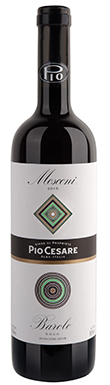
Pio Cesare, Mosconi, Barolo, Monforte d’Alba, Piedmont, Italy, 2015

Pio Cesare's newest wine, this is produced from the recently purchased Mosconi vineyard in Monforte d'Alba. The sale went through just a few days before Pio Boffa's 60th birthday, and 30 years after the first release of the estate's original single-vineyard Barolo, Ornato.<br><br>Originally purchased to enrich the 'classic' Barolo, the wine Mosconi's old vines - dating back to 1947 and 1971 - produced was deemed exceptional enough that Pio Cesare decided to make it into a standalone wine. Unlike most of Pio Cesare's other reds, this spends the majority of time in barrique rather than botti, which seems to suit its powerful personality.<br><br>It has a red hedgerow fruit aroma with a touch of orange peel and a savoury edge. The palate has good density with very fine tannins, combined with very fresh acidity and rich, plummy fruits with some cedary notes. It's lighter than the denser Ornato showing more red fruit, but, like its sibling is surprisingly light on its feet for such a substantial wine. It finishes with a lovely lick of sweet, elegant cherry fruit and a touch of woody vanilla. A very good first attempt, I expect we will see the estate refining the recipe for this wine over the next few vintages.
2015
PiedmontItaly
Pio CesareBarolo
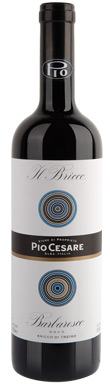
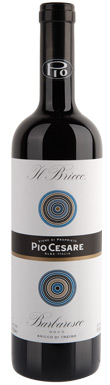
Pio Cesare, Il Bricco, Barbaresco, Treiso, Piedmont, Italy, 2015

The Bricco vineyard in Treiso is known for producing solid, ageworthy wines. Combined with Pio Cesare's use of stainless steel for vinification and then botti and barrique for maturation, the result is an elegant, fresh yet structured wine with hidden power. The broad palate has a chocolate edge to it, with oak astringency and plummy hedgerow fruit in tow. The fine, delicate tannins give grip but there's a lovely juicy character just waiting to break out. If you need to drink this right away it deserves decanting. Approximately 5,000 bottles produced.
2015
PiedmontItaly
Pio CesareBarbaresco
Pio Cesare, Barolo, Piedmont, Italy, 2015

2015 saw drought conditions in late June and July but there were reserves of water from earlier heavy snow in winter and heavy rain in mid-May. Like the Barbaresco, Pio Cesare prefer to call this its 'classic' Barolo, which certainly suits the old-school style of the wine. Fruit comes from seven vineyards scattered around Barolo, including - for the first time - 10% fruit from the young vines of Mosconi in Monforte d'Alba. The older vines from Mosconi have been used for a new single-vineyard bottling. True to form, this has dusty hedgerow fruit aromas with a touch of new leather. It's lighter, softer and more savoury than the single-vineyard bottlings, but the palate is quite tight, with some good acidity peeking through. Some sweet red fruits appear on the mid-palate, followed by Parma violet lift on the finish. Since the 1960s, the estate has only produced around 5,000 cases of this wine each vintage.
2015
PiedmontItaly
Pio CesareBarolo
Pio Cesare, Barbaresco, Piedmont, Italy, 2015
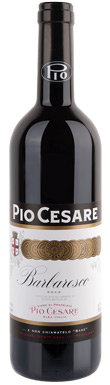
The label states: 'Please don't call it "Regular"'. Pio Boffa doesn't see this as a 'basic' or 'regular' bottling of Barbaresco, rather referring to it as the estate's 'classic' bottling, as opposed to the single-vineyard Il Bricco. And it's certainly 'classic' in outlook: the wine is matured for 24-30 months in mostly large oak botti, with a small amount in barrique. Sourced from four vineyards, three of which are in Treiso - the most elevated Barbaresco village - this has very fine, ripe yet fresh tannins with some gentle, savoury-edged red fruits. There's a slight strawberry plushness on the finish. A great match for lamb served pink.
2015
PiedmontItaly
Pio CesareBarbaresco
Pio Cesare, Barbaresco, Piedmont, Italy, 2008
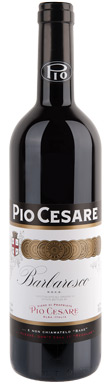
2008 was a tricky year with lower than average yields due to parasitic infestation and hail damage. A cool, wet early- to mid-summer was followed by a dry, sunny September and October which helped to achieve full ripeness. With age has come beautiful elegance. This displays pure autumnal fruit aromas accompanied by a cedar-scented edge, leading to a savoury, peppery palate showing hints of black cherry, damp earth, leather and tobacco. It has good freshness, and some structure still remains evident.
2008
PiedmontItaly
Pio CesareBarbaresco
Pio Cesare, Barolo, Piedmont, Italy, 2006
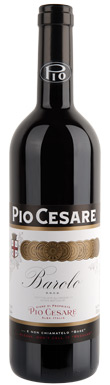
2006 has been hailed as a top year in Barolo, although questions have been raised around whether the tannins will ever resolve in some wines. It was a difficult year with a very hot July followed by a cool, wet August. September was mixed, demanding lots of attention in the vineyards. This has more grip than the 2008 Barbaresco tasted just before it - evidence of the tannic nature of the 2006 vintage. It has an elegant, spicy nose and a palate full of lively, punchy black and red fruits with a damp earth character and some raspberry-like acidity. It's not so much juicy, more fruity and savoury, with a slightly austere nature despite the freshness. You can definitely drink this now but I would decant it first to loosen up those tannins.
2006
PiedmontItaly
Pio CesareBarolo
Pio Cesare, Il Bricco, Barbaresco, Treiso, Piedmont, Italy, 2004

This single-vineyard Barbaresco is now 15 years old and is in a lovely place. A late bud-break was caused by wet weather through until early May, but this was followed by a warm and dry summer. This has a lovely juicy cherry aroma with a sweet hint of vanilla and leathery tobacco notes. The palate is slightly firm still, but the cherry and brambly fruits have a delicious sweet ripeness to them and the finish is long endearing. Pure, fresh and softening nicely, there is still some power lurking in the background.
2004
PiedmontItaly
Pio CesareBarbaresco
Pio Cesare, Barolo, Piedmont, Italy, 2000
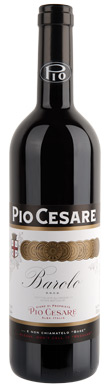
2000 was a hot and dry growing season, with the vines leaning on water reserves built up from spring rains. The vintage is characterised by a higher diurnal range than normal, which allowed the grapes to ripen well in the sun's warmth but retain their freshness and fragrance as temperatures cooled at night. There's a pruney, figgy quality on the nose, with a sweet, damp earth note and overtones of pot-pourri. The palate is still grippy, with some alcoholic warmth alongside soft, mulchy hedgerow fruits and a current of sweet red-fruit acidity. The finish is lined with herbal mulch, damp earth and old wood. Ready to drink, this could be left for a few more years but I can't see it improving any further.
2000
PiedmontItaly
Pio CesareBarolo
Pio Cesare, Ornato, Barolo, Serralunga d’Alba, Piedmont, Italy, 2009

2009 was a very hot vintage with virtually no rainfall through the summer, although water reserves built up the preceding winter and spring helped the vines to battle on through. Now 10 years old, this 2009 offers a lovely combination of sweet and savoury hedgerow fruits. It has opened up beautifully with time, revealing a soft, mulchy core surrounded by plenty of spice and herb notes. The finish is full of elegant but fading cherry.
2009
PiedmontItaly
Pio CesareBarolo

James Button is Decanter’s regional editor for Italy, responsible for all of Decanter's Italian content in print and online.
Like many others, he started his wine career at Majestic Wine, giving him a strong grounding in the subject before successfully completing the WSET Level 4 Diploma in 2010. From 2014 to 2016 he managed the fine wine department of a startup wine company in London, before joining Decanter as digital sub-editor.
Outside of wine, James enjoys cooking, skiing, playing guitar and cycling.