(Re)Discovering Pinot Noir: 12 great bottles to try from around the world
Will the elegance and delicacy of Pinot Noir be the next victim of global warming? As alcohol levels rise and wines from classic regions get ever richer, Decanter’s Burgundy correspondent Charles Curtis MW looks at alternative sources for great Pinot Noir.
Get our daily fine wine reviews, latest wine ratings, news and travel guides delivered straight to your inbox.
You are now subscribed
Your newsletter sign-up was successful
Recent vintages in the Côte d’Or have produced spectacular wines. But how ‘Burgundian’ are they? The qualities people look for in great Burgundy – elegance, finesse, perfume – are more elusive than ever as wines from classic appellations become darker, richer, more tannic and more concentrated.
The July 2022 International Pinot Noir Celebration in Oregon’s Willamette Valley not only provided an informal platform for producers to collaborate on producing cool- climate Pinot Noir but showcased some thought- provoking examples from regions once considered too marginal to make great wine.
The time has come to open our perspectives and rediscover how delicious Pinot Noir can be, no matter what part of the world it is from.
Scroll down to see Charles Curtis MW’s selection of 12 Pinot Noirs to try from around the world
Oregon
A logical place to start our search is in Oregon, as the US state has been linked to Pinot Noir since its founding as a wine region in the 1970s. The late David Lett at The Eyrie Vineyards and other pioneers started in the warmer, south-facing slopes of Willamette Valley’s Dundee Hills. An alternative to this is the cooler climate found to the south in Eola-Amity Hills AVA, where the vineyards are refreshed by bracing ocean breezes from the Pacific ocean through the Van Duzer gap. Ted Casteel at Bethel Heights was one of the pioneers here in the late 1970s, and his son Ben is still making outstanding wines.
California
Down the Pacific coast in California, many well-known regions are too warm to consistently deliver the finesse and elegance that lovers of Pinot Noir crave. But even here, elevation and location can provide cooler sites, such as Fort Ross-Seaview. This recent AVA (approved in 2012) exploits both proximity to the cooling breezes of the Pacific and elevation (between 280m and 550m) to deliver wines with delicate body, perfumed red fruit character and a fine line of tannin. Mendocino’s Yorkville Highlands AVA is even higher in elevation, with vineyards that reach above 700m.
New York
New York State is the third largest wine-producing state in the US – more than 140m bottles in 2018, according to WineAmerica – and the (very) cool-climate region of the Finger Lakes AVA has begun to produce delicious Pinot Noir in recent years. In this marginal climate, Vitis vinifera grapes can only be grown in the pockets of warmth provided by the bodies of water. Still, the best sites can produce magnificent results. A prime example is the Argetsinger vineyard (see Charles’ feature on Ravines Wine Cellars) on the southeast shore of Seneca Lake, where the retreating glaciers of the last ice age exposed a vein of limestone that makes this a prime area for growing Pinot Noir.
Patagonia
Parts of Patagonia are as far south of the equator as New York’s Finger Lakes region is north. Río Negro, one of Argentina’s most southerly wine regions, lies in the northern reaches of Patagonia, and vines are planted along the river in loamy soils at an average elevation of 300m – mostly without grafting, as phylloxera does not pose a significant risk here. Another advantage of the gentle climate and lack of pests is the presence of many old-vine vineyards, giving the wines character and depth. At Bodega Chacra, near General Roca, Piero Incisa della Rocchetta, the young scion of Italy’s Sassicaia dynasty, has assembled a collection of vineyards planted from 1932 to 1990. The cool temperatures and long days at 39°S help the grapes to ripen well without losing acidity, enabling producers to deliver wines of great balance and finesse.
Get our daily fine wine reviews, latest wine ratings, news and travel guides delivered straight to your inbox.
Tasmania
Further south still, at 41°-42°S, but on the western shore of the Pacific, Australia’s island state of Tasmania is an idyllic, temperate outpost of Australian wine-growing. According to WineRegions Australia (April 2022), nearly one third of Tasmania’s grapes are grown in the Tamar valley, which hugs the coastline of the Bass Strait that separates Tasmania from the rest of Australia. The powerful westerly winds from the Indian Ocean, known as the Roaring Forties, help make this Australia’s coolest region. Pinot Noir is by far the most widely planted grape in Tasmania, occupying more than 40% of the vineyard surface, and the cool climate results in delicious, vibrant wines, both sparkling and still.
Germany
Spätburgunder – German for Pinot Noir – is nothing new. Some suggest that it was planted as early as the 4th century. But until 20 years ago, the wines often lacked colour and body and were sometimes bottled slightly sweet. There has been a revolution in style in recent years, however, as the wines become richer and more substantial due to global warming. Spätburgunder is finally finding an international audience, and in 2020 represented 11.3% of the planted surface in Germany (DWI, 2021/22). The grape has long been found in the Ahr, Baden, Pfalz and the Rheingau, but it can turn up anywhere: Erni Loosen recently told of buying a parcel of vines in the Mosel vineyard of Urziger Würzgarten that was unexpectedly planted to Spätburgunder. Loosen puts the vines to good use, producing both a sparkling rosé sekt and a red Spätburgunder (not yet released).
Austria
While much of Austria is devoted to white grapes, red wine is also important, and Pinot Noir plays a part, with its total of nearly 590ha accounting for 1.3% of the country’s planted area (Austrian Wine, July 2022). Known locally as Blauburgunder, the grape is planted in the Thermenregion around the city of Vienna and in Burgenland in the south. Pinot Noir vineyards are even found in Austria’s premier region, the Wachau. Although seldom planted in the most promising sites, Pinot Noir can produce lovely lighter styles of wine here, including rosé wines perfect for summer sipping.
Italy
Pinot Nero in Italy is primarily grown for sparkling wine production in regions such as Lombardy and Franciacorta. While red wines from Pinot Noir are far from common, the grape has been cultivated since the 19th century in the alpine vineyards of the Alto Adige, also known as Südtirol, where its 522ha represent 9.3% of total area planted (Vini Alto Adige). It is grown on terraces cut into the chalky gravel soils south of Bolzano at elevations beginning at 400m, where the high elevation and varied exposures produce a range of different expressions. Respected local producer J Hofstätter, based in the heart of wine country in Tramin, makes no fewer than five single-vineyard wines from Pinot Nero.
France
Wine lovers searching for fresh, crisp Pinot Noir should not neglect the full range of expressions available in France. The once-obscure still red wines of Champagne (Coteaux Champenois) are quickly gaining ground. Coteaux is produced throughout Champagne, with some of the most delicious examples found on the northern and southern slopes of the Montagne de Reims, where styles range from crisp and fruity to rich, tannic and powerful. Many in the region believe these wines will be the next sensation from Champagne.
In Burgundy, much attention is (deservedly) lavished on the headline villages of the Côte d’Or, but there is good reason to climb to the top of the slope as well. The region known as the Hautes- Côtes (see Curtis’ 11 May 2022 feature: ‘Finding Value in the Côtes de Nuits’) is an excellent source for wines of intensity, structure, freshness and value. Domaine Henri Naudin-Ferrand is a perfect example. The domaine is run by Claire Naudin (wife of superstar winemaker Jean-Yves Bizot), who produces an exceptional range of wines from her 22ha, located mainly in the Hautes-Côtes.
Blagny is a notable example of the village appellations at higher elevations. This hamlet is located at the top of the slope at the juncture of Puligny-Montrachet and Meursault. Although most of the vines here have been replanted to Chardonnay, 5.3ha of Pinot Noir remains. Boutique négociant Benjamin Leroux farms 1.65ha in Blagny, making him one of the largest producers. He loves the reds from this village, noting the potential as temperatures continue to rise: ‘With a small crop, you will be ripe even here – some grapes in 2018 were picked at 14%.’
Wines to try: 12 Pinot Noirs from around the world
Related articles
- Adam Lee: California’s Pinot Noir whisperer and 10 top wines
- 15 top-scoring Pinot Noir wines to try
- South American Pinot Noir: 20 to try
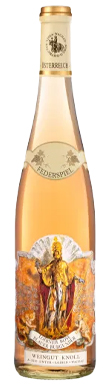
Emmerich Knoll, Loibner Rosé Blauerburgunder, Wachau, Niederösterreich, Austria, 2020

A lovely shade of pink – more colour than Côtes de Provence, less than Bandol – and the bright, high-toned raspberry and violet fruit is immediately seductive. The bone-dry palate has fresh acidity and an approachably gulpable silky texture. The grapes are crushed but not destemmed and macerated for 10-12 hours before pressing and fermentation in stainless steel tanks. The vines are planted in alluvial soils on the flat land between Oberloiben and Unterloiben. Delightful.
2020
NiederösterreichAustria
Emmerich KnollWachau
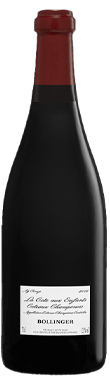
Bollinger, La Côte aux Enfants, Coteaux Champenois, Champagne, France, 2016

This newly released vintage is a profound wine that will take time to show its full potential. At first glance it is relatively closed, and the texture is not very expressive. But with time in the glass, it opens to display ripe plummy fruit alongside earth, smoke and spice notes. It is not astringent, yet powerful and tannic; ripe, but not fruity – almost brooding. Give this five to 10 years in your cellar, and you will own an impressive wine.
2016
ChampagneFrance
BollingerCoteaux Champenois
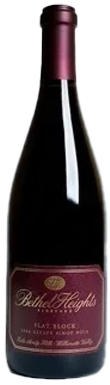
Bethel Heights, Flat Block Pinot Noir, Willamette Valley, Eola-Amity Hills, Oregon, USA, 2018

For second-generation vigneron Ben Casteel, his Flat Block Pinot Noir is where it all began. The vines were planted (on their own roots) in 1979 in the poor soils and steep slopes of the western side of Eola-Amity Hills. Today, the vines are giving deep, concentrated wines. The 2018 vintage shows a lovely plummy fruit character and a texture that is silky but not lacking structure. The grapes are destemmed, briefly cold-macerated, then fermented at cool temperatures before ageing 11 months in 45% new cask.
2018
OregonUSA
Bethel HeightsWillamette Valley
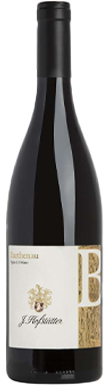
J. Hofstätter, Barthenau Vigna S Urbano Pinot Noir, Trentino-Alto Adige, Italy, 2015

Martin Foradori Hofstätter is the fourth generation of his family to manage their estate in Tramin. This beautiful singlevineyard Pinot is ripe and lush, with more black fruit than red on the nose and hints of earth, truffle and spice. The texture is silky and dense with very fine-grained tannins. The grapes come from old vines (many planted in 1945) near their country house in Mazon, planted in limestone soils at above 400m.
2015
Trentino-Alto AdigeItaly
J. Hofstätter
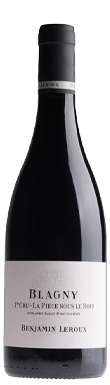
Benjamin Leroux, Blagny, 1er Cru La Pièce Sous Le Bois, Burgundy, France, 2017

Superbly silky, redolent of fresh raspberry, rose petal and chalky mineral notes. The texture is approachable and elegant, with enough density to ensure a long life. Leroux farms both Chardonnay and Pinot Noir here; the 0.44ha holding of Pinot on the lower part of the vineyard at 320m faces southeast in thin limestone and marl soils. The grapes are completely destemmed, fermented on native yeasts and aged in used casks over two winters.
2017
BurgundyFrance
Benjamin LerouxBlagny
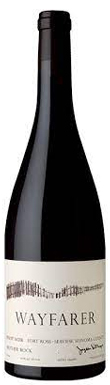
Wayfarer, Mother Rock Pinot Noir, Sonoma County, Fort Ross-Seaview, California, USA, 2019

A seductive Pinot that opens with bright, concentrated aromas of pomegranate and cherry and a suggestion of violets and sea salt. The lightweight, ethereal palate also has structure, with crisp acidity and firm tannins to spare. The grapes were mostly destemmed, given a week’s cold soak, and fermented on native yeasts before ageing for 15 months in cask, two-thirds new. The property is located 8km from the Pacific at high elevation, giving an almost electric energy to the wine, which is a blend of 11 different clones planted in 2002 by David Abreu.
2019
CaliforniaUSA
WayfarerSonoma County
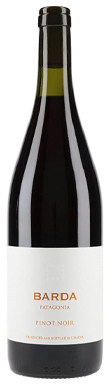
Bodega Chacra, Barda Pinot Noir, Patagonia, Argentina, 2021

This liltingly fresh Pinot Noir is a world apart from many New World examples, with its high-toned currant and pomegranate fruit, hints of violets and firm minerality, and a purity that is astonishing. The texture is approachably supple, but not lacking depth or structure. The grapes are mostly destemmed, fermented on native yeasts in concrete, and aged in older barrels. The vines are own-rooted and biodynamically farmed. The result is nothing short of revolutionary for Argentinian wine.
2021
PatagoniaArgentina
Bodega Chacra
Dr Loosen, Urziger Würzgarten Spätburgunder, Mosel, Germany, 2018

Barrel sample. The production of Spätburgunder from Urziger Würzgarten was a happy accident when Dr Loosen acquired Pinot Noir vines in this famous, predominantly Riesling vineyard on volcanic sandstone and red slate on the steep slopes above Erden along the Mosel river. The result is superb – ethereal aromas of bright redcurrant and pomegranate with floral notes and the vineyard’s trademark notes of spice. Light body and fresh acidity do not impede a satisfyingly long finish.
2018
MoselGermany
Dr Loosen
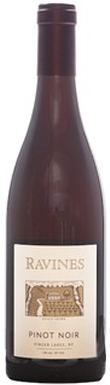
Ravines, Argetsinger Vineyard Pinot Noir, Finger Lakes, New York State, USA, 2020

Ravishing! With pronounced cherry and rose petal on the nose, underscored by saline minerality, it is more perfumed and fresh than dense and powerful. The grapes are mostly destemmed and fermented slowly in open-top fermenters with gentle punching down before ageing in cask for 11 months and then in bottle. This cool-climate limestone site is one of the premier US sources for Pinot Noir, as it is for Riesling.
2020
New York StateUSA
RavinesFinger Lakes
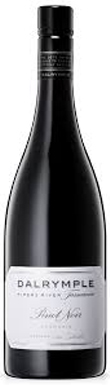
Dalrymple, PInot Noir, Tasmania, Australia, 2021

Seductively lush, with plump mulberry aromas and hints of earth and smoke. The fruit character is ripe but not overly so, and the texture is dense but not heavy due to the fresh acidity and mid-palate density. The grapes are blended from three sites and fermented with 25% whole clusters, three punch-downs daily before being pressed and racked into cask (21% new) for ageing. A crowd-pleasing Pinot that balances richness with structure and freshness.
2021
TasmaniaAustralia
Dalrymple
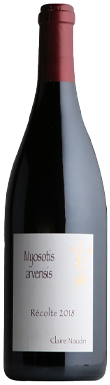
Domaine Henri Naudin-Ferrand, Myosotis Arvensis, Bourgogne, Hautes Côtes de Nuits, Burgundy, France, 2020

Pronounced aromas of fresh cherries, lavender and mint on the attack and a firm tannic structure with balancing freshness. It has an authentic appeal that comes from the whole-cluster fermentation and minimal use of sulphur, yet it is faultlessly clean. The grapes come from three specially selected sites and are vinified as whole bunches. After a gentle extraction, the wine is racked into barrels (6% new) for ageing. A delicious wine that wine lovers should esteem above its regional appellation.
2020
BurgundyFrance
Domaine Henri Naudin-FerrandBourgogne
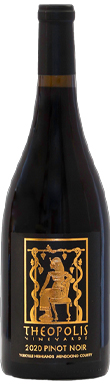
Theopolis Vineyards, Pinot Noir, Mendocino County, Yorkville Highlands, California, USA, 2020

A bit of a surprise with its rich and slightly mysterious aroma. There is ripe, plummy fruit, a strong earthy undertone of woodsmoke and truffle, and firm minerality. The texture is ripe – but not too much – and there is a density that is very Californian. The vineyard is located above 425m, providing a reasonably cool climate for the Dijon clone 667 Pinot planted there. A wine to watch for those who like their Pinot on the wild side.
2020
CaliforniaUSA
Theopolis VineyardsMendocino County