While it may lack the dimensions of Chardonnay, Sauvignon Blanc’s greatest attributes lie in its fabulous array of aromatic qualities, which vary according to growing location and its treatment in the cellar.

At the same time, it’s a component in the sweet, rich and luscious whites of Sauternes and Barsac. It can do well in cooler areas within Europe, including parts of Austria and Hungary.
New World
In New Zealand’s Marlborough, it produces a stunning array of pungently, assertive characters, from the green grass, green bean, tinned pea and asparagus flavours to the more tropical, ripe spectrum of grapefruit, guava, passion fruit and mango.
The Sauvignon cause has also been taken up to good and affordable effect by Chile and South Africa, whose cooler spots are proving ideal for this wonderfully zingy, fresh grape variety.
On Decanter Premium:
40 years of Domaine de Chevalier white wines
Loire 2018 preview: appellations to know & top wines
What does it taste like?
Sauvignon Blanc is at its most fragrant and fresh in the cooler climate of the Loire Valley where cut-grass, nettles, elderflower, blackcurrant leaf and gooseberries are the key flavours with minerally, zesty, flinty undertones.
It’s at its most assertive in the pungently catty, elderflower style of Marlborough in New Zealand, where, depending on ripeness levels, it ranges from green bean, tinned pea and asparagus flavours to the riper, more tropical characters of grapefruit, guava, passion fruit and mango.
Food matching with Sauvignon Blanc: Whole grilled Squid, red rice and fresh herbs | Mushroom Agnolotti | Asian style stone-bass | Mackerel with cucumber, paprika tzatziki | Leek Terrine with Goat’s Cheese
-
Uncover hidden gems: Affordable Bordeaux and Burgundy wines
Fourteen top buys for less than £30...
-
Alto Adige: 24 expert-rated wines to try
Over 20 wines picked from over 20 varieties...
-
Smell: How our most overlooked sense can ground us
Exploring the rhythms of seasons and scent...
-
Mining for value in the Napa Valley: Over 20 of the best wines for under $75
The people all considered these, the values of the valley...
-

Sancerre vs Pouilly-Fumé: Decoding the delicate differences in Sauvignon Blanc
Two appellations, both alike in dignity…
-
What does Sancerre wine taste like? Plus 10 top picks
What is Sancerre wine, and how does it taste?
-
Geneva – A wine lover’s guide
Geneva doesn’t always get the credit it deserves...
-
The star producers from Sancerre and the Centre-Loire you need to know about
Keep your eye on these names...
-
Bordeaux’s style counsel: The perpetual rise of the region’s white wines
Bordeaux blancs hitting their straps...
-

What is Fumé Blanc?
What is Fumé Blanc and how does it differ from Sauvignon Blanc...
-
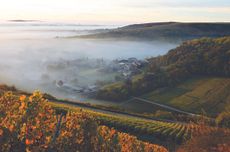
Sincere Sancerre: A Loire revival and eight wines to seek out
Supreme French Sauvignon returns...
-
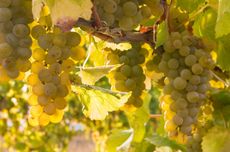
Cristaldi: The age of cellar-worthy California Sauvignon Blanc
Napa's other ageworthy wine...
-
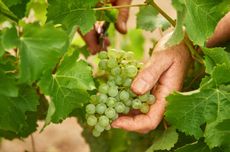
Margaret River whites: Beyond Chardonnay
Top Semillon and Sauvignon Blanc blends from Western Australia...
-
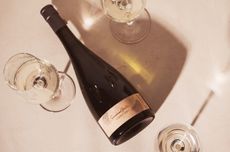
Susana Balbo Signature White Blend: Talking about a revolution
The evolution and potential of a pioneering South American white...
-
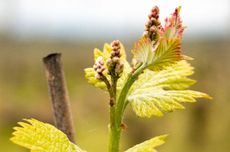
Loire Valley 2023 vintage report: White wines and the best new releases
The best 2023 whites and other latest releases...
-
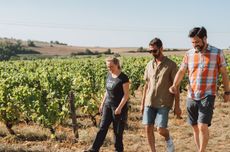
Hubert Brochard: Change in store for the Bollinger-owned Sancerre estate
Investment in the region puts a spotlight on quality...
-
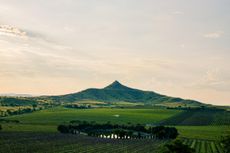
An introduction to Indian wine
With 12 Indian wines to seek out...
-
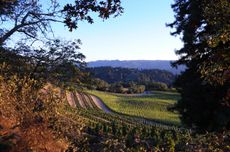
Spring Mountain Vineyard: producer profile & 10 wines to try
Exploring the history and wines of this remarkable property...
-
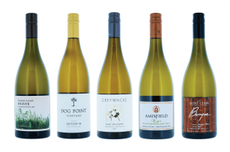
New Zealand Sauvignon Blanc: Panel tasting results
The results of a 197-wine panel tasting...
-
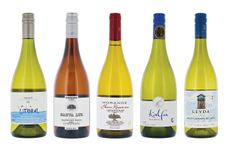
Chilean Sauvignon Blanc £10-£30: Panel tasting results
The results from a 78-wine panel tasting...
-
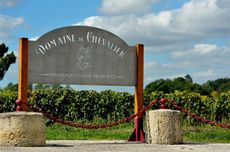
Producer profile: Domaine de Chevalier & 12 wines tasted
Exemplary wines from a Graves standard-bearer...
-
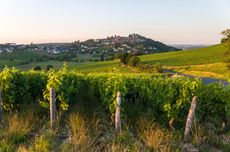
Loire whites 2022 plus top new releases
Don't miss these top whites from a great vintage...
-
International Sauvignon Blanc Day: California rising plus 15 wines to try
A selection of Californian Sauvignon Blancs to try...
-
Looking back: Margaret River icon wines and top vintages
Leeuwin Estate, Cullen Wines, Moss Wood, Vasse Felix, Xanadu, Deep Woods and Stella Bella…
-
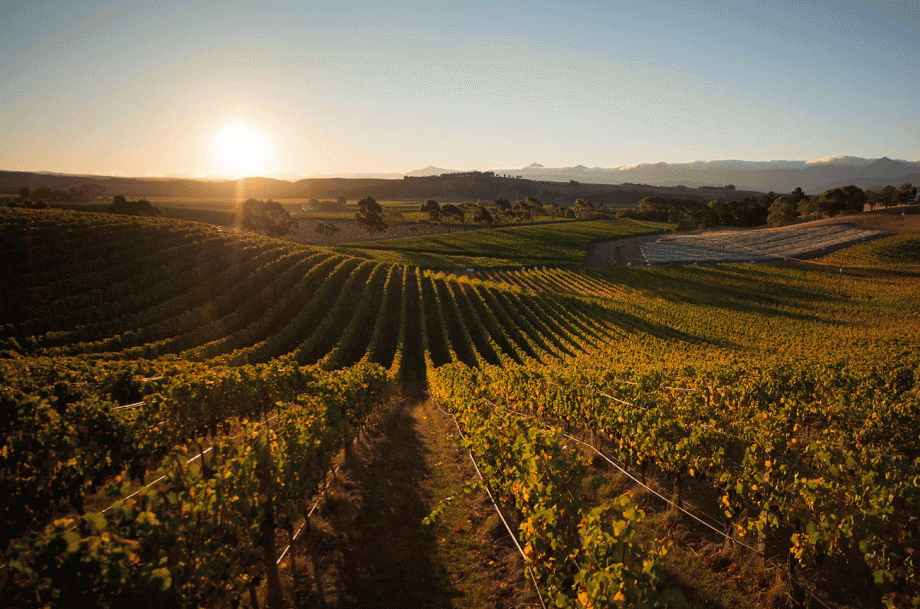
Marlborough Sauvignon Blanc 2022: 15 wines under £20
New Zealand's most famous white wine style…
-
Napa Valley’s Favia to get new winery and home
Founders to move Favia base to Oakville vineyard estate via new partnership...
-
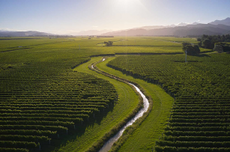
Cloudy Bay: a Sauvignon Blanc success story
The new 2022 releases…
-
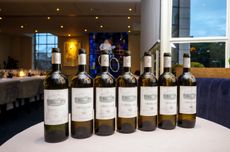
Ornellaia Bianco: A link to the past
A rare tasting of all seven vintages released so far, from 2013 to 2019...
-
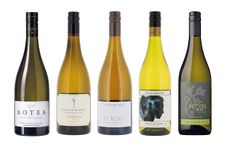
New Zealand Sauvignon Blanc: panel tasting results
116 wines were tasted and here are the results...
-
Loire 2021 white wines: vintage report and new releases
36 new releases from 2021 and 2020...
-
South African Sauvignon Blanc: 10 top producers to know
The 10 names to know showcasing the best of this grape...
-
Château d’Yquem 2019 vintage release alongside new initiative
The 2019 vintage marks a change in direction...


