Bolgheri 2017 vintage report: Experience counts
The hot, dry 2017 vintage was tough for many in Bolgheri but, as Aldo Fiordelli reports, some excellent wines were produced...
Get our daily fine wine reviews, latest wine ratings, news and travel guides delivered straight to your inbox.
You are now subscribed
Your newsletter sign-up was successful
Imagine a berry more similar to a blueberry than a grape: this is essentially a snapshot of the 2017 vintage in Bolgheri, one the hottest, driest years on record in Tuscany. There was not much confidence in this vintage, to be honest, nor were there many expectations after the great 2015 and the extraordinary 2016.
Bolgheri 2017
The best wines strike a balance between power and elegance despite the arid conditions of the vintage. 2017 is not up to the quality levels of 2015 and 2016, but is better than warm vintages such as 2012, 2007 and 2003.
4/5
Overview
A particularly mild winter, with temperatures over three degrees higher than the seasonal average and rains within the norm, prompted the vines to bud almost two weeks earlier than usual. A sudden drop in temperature on 9 April caused frost in various parts of the region. Thanks to the mitigating effect of the sea, five kilometres from the closest vineyards, temperatures remained above zero along the coast, preventing damage to the young buds. Both sides of the Bolgherese road – the western portion known as ‘sotto strada’ and the more esteemed, eastern portion called ‘sopra strada’ – were just barely grazed by the frost.
Flowering occurred under excellent conditions, but hot, dry weather resumed in May, limiting vegetative development and bunch size. There was virtually no rain in July and August – the first precipitation arriving on 15-16 September, benefitting only the late-ripening varietals still hanging on the vine, such as Cabernet Sauvignon.
The 25% loss in production across the territory was ultimately credited mainly to the dry vintage rather than the frost. ‘The individual grapes were very small,’ claimed Piero and Lodovico Antinori’s nephew, Niccolò Marzichi Lenzi of Le Crocine. Stefano Granata from I Luoghi, one of the top boutique wineries in Bolgheri, noted that ‘we suffered from the hot winds of August, which changed the shape of the leaves and were never able to recover.’
Factors
Meanwhile Axel Heinz, managing director of Ornellaia and Masseto recalled, ‘It was a very quick harvest. We harvested not by single plot, but following the age of the vineyards, beginning with the youngest which started to suffer. In the end, it was an easy harvest because we needed only to pick everything as soon as possible, without worrying over selections.’
Get our daily fine wine reviews, latest wine ratings, news and travel guides delivered straight to your inbox.
Despite these less than fond recollections, there are several factors to consider in favour of 2017.
First of all, the higher average age of the vines supported the hot harvest in 2017 better than in 2003, 2007 or 2012 – half of Bolgheri’s vineyards were planted between 2000 and 2009, which means they are now approaching maturity. Even older vines exist, of course: the first vintage of Sassicaia was 1968, the first Ornellaia 1985 (planted in 1981), and Guado al Tasso 1990.
Secondly, as Niccolò Marzichi Lenzi explains, ‘the year was hot from the beginning, thus the vines were prepared for a warm vintage, without having suffered the same stress that ensued in 2012.’ Moreover, the vines stopped maturing earlier, never to recommence, which meant that tartaric acid and overall acidity remained high. The pH of the grapes was kept at bay due to the incapability of the roots to bring water and potassium from the soil. Quite surprisingly, almost all of the producers recorded low levels of pH in 2017, an arguably critical point for the evolution and longevity of this vintage.
The final aspect to consider is the changing panorama of grape varieties in Bolgheri. Today, 1,190 hectares are accounted for by Bolgheri DOC out of 1,370 total hectares. The next census is planned for the end of this year. According to the Consorzio’s managing director, Riccardo Binda, ‘Cabernet Franc is rising, mostly at the expense of Merlot.’ Between 2010 and 2017 the only red grape that showed an increase in planting was Cabernet Franc, rising from 8.9% to 12%.
Several producers are emerging with wines led by this varietal, following historic examples like Le Macchiole’s Paleo or Dedicato a Walter from Poggio al Tesoro. Tenuta Argentiera is working on a cru selection from a stunning vineyard called ‘Ventaglio’, appropriately named for its fan shape. Renowned technicians Alberto Antonini and Pedro Parra are launching the first Cabernet Franc of Tenuta Meraviglia fermented in concrete and aged in large oak vessels, producing a fairly different and more ‘northern’ style of this grape. Angelo Gaja was one of a handful of top producers to alter his top wine, Camarcanda, firstly inverting the amount of Cabernet Franc and Merlot within the blend, then removing entirely the early ripening Merlot.
Experience counts
In the end, the expertise of producers who survived the 2003 heatwave vintage proved an advantage for enduring the 2017 season. Among top producers, almost no wines showed jammy or cooked flavours. Of course, the phenolic ripeness of the grapes was challenging, making this vintage far from the perfection of 2016, but it was clear from the moment grapes arrived at the cellar that handling should be as delicate as possible. ‘Low temperatures, gentle extraction and short macerations were essential,’ reported Axel Heinz of Ornellaia and Masseto.
Initial impressions
The first tastings of the 2017 vintage were fairly surprising. Wines such as Sassicaia, Ornellaia, Grattamacco and also Masseto (100% Merlot) show precision on the nose with tamed extractions on the palate, striking a balance between both power and elegance. The significant lack in quantity alone makes 2017 a vintage to buy. Overall, I would give the vintage 4 out of 5 stars for the top wines, maybe less for the others. It may be one step below 2015 and two steps below 2016, but in my opinion it is definitely better than other warm vintages such as 2012, 2007 and 2003, and is more refined than 2011.
‘The 2017 vintage, despite some complications,’ said Albiera Antinori, president of the Consorzio Bolgheri DOC, ‘gave us great results. The most difficult challenge for the region will be to achieve an unmistakable style throughout the entire appellation in the future and a higher, broader quality in all categories of the DOC, which will be not easy considering the impressive levels we have already achieved.’
Bolgheri today is indeed facing an evolution. Notable investors have arrived in the region: Banfi, San Felice (Allianz), Tenuta Meraviglia (Bulgheroni), Feudi San Gregorio. They will exploit the top reputation of the appellation as a brand as well as invest in its quality. If history teaches us to look at the first wave at the end of the 1990s when producers such as Allegrini, Gaja and Folonari arrived in the region, this second wave could be just as beneficial.
Bolgheri 2017 – 35 wines rated:
You may also like:
Tuscany report: Top scoring new releases from Brunello di Montalcino to Chianti Classico
1996 Piedmont: A retrospective
Chianti Classico alternatives: Top Tuscany IGT wines
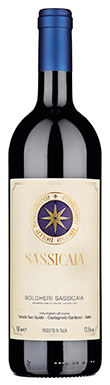
Tenuta San Guido, Sassicaia, Bolgheri, Sassicaia, Tuscany, Italy, 2017

This 2017 Sassicaia is wonderfully fragrant on the nose, but it needs an hour or more to really open up. 2017 was a very difficult vintage mainly because it was so dry it didn't rain for most of the summer and for much of the spring. The vines were stressed, and a lot of fine tuning and management was needed in the vineyards and in the winery to get the best results. But what I love so much about this 2017 is that Carlo Paoli and the Tenuta San Guido team have done a brilliant job. There is a lovely harmony on the palate and a lovely mouth-watering freshness and acidity which is a signature of Sassicaia but more of a challenge in this vintage. There is a little dry twist to the tannins on the finish, but they are beautifully integrated into the rest of the wine and this after all is a signature of the 2017.
2017
TuscanyItaly
Tenuta San GuidoBolgheri
Grattamacco, Bolgheri, Superiore, Tuscany, Italy, 2017
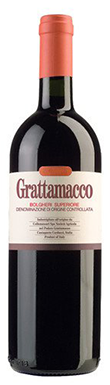
The contribution of Sangiovese (15%) in the blend of Grattamacco makes it a distinctive Bolgheri Superiore. If on the nose Cabernet Sauvignon and Merlot are prevailing with cassis fruit, cedar and kiwi, full of balsamic depth, the indigenous grape pushes the fragrance of the wine with chewy wild fruit flavours. An exceptional expression in the hot vintage. Complex and layered, without any foursquare character, this organic wine is waiting for extra complexity over its liquorice finish.
2017
TuscanyItaly
GrattamaccoBolgheri
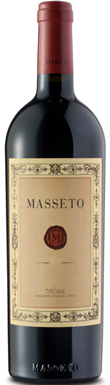
Masseto, Toscana, Tuscany, Italy, 2017

According to Axel Heinz, managing director of the estate, 'the 2017 vintage for Masseto was analytically close to 2011 but with more elegance'. The grapes were harvested between 24 and 30 August, so relatively early, in just three tries - quicker than usual. A powerful wine displaying grace in a warm, dry vintage, it's dominated by bright blueberry and blackberry fruit, raw butter and balsamic whiffs. The palate is focused on mulberry and dark chocolate, polished but concentrated with a thick finish due to its youthfulness. Firm yet creamy tannins and lively acidity balance the hefty 15.5% of alcohol. An outstanding wine that will reward further ageing with more complexity.
2017
TuscanyItaly
MassetoToscana
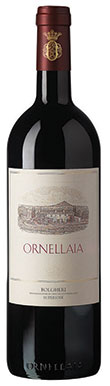
Ornellaia, Bolgheri, Superiore, Tuscany, Italy, 2017

A rich nose of glossy, violet-scented fruit beckons, but prominent tannins and charry, toasty oak have a firm grip on the palate. Currently foursquare and somewhat astringent. Going back, the alcohol makes for a warm finish with raisined fruit. Needs time. One to review.
2017
TuscanyItaly
OrnellaiaBolgheri
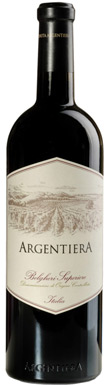
Tenuta Argentiera, Argentiera, Bolgheri, Superiore, Tuscany, Italy, 2017

Despite its position at the southern end of the appellation Tenuta Argentiera is one of the highest estates in Bolgheri, with vineyards between 120 and 240 metres above sea level providing the grapes for this wine. The altitude increases the night and day average temperature differences, improving phenolic ripeness. The conversion from cordon to guyot training is increasing the freshness of the grapes. The blend doesn’t change, remaining 50% Cabernet Sauvignon, 40% Merlot and 10% Cabernet Franc. In 2017 the winery decided to avoid the production of Ventaglio, the 100% Cabernet Franc cru. Argentiera, however, is really good, confirming the usual grace of the wine with more density and power. On the nose a funky note of merde de poule follows clean, dark fruits with buttery and slightly leafy aromas, while the firm yet ripe palate ends with a dark chocolate character.
2017
TuscanyItaly
Tenuta ArgentieraBolgheri
Tenuta Sette Cieli, Scipio, Toscana, Tuscany, Italy, 2017
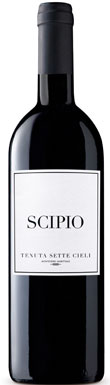
Marked nutmeg and cedar notes over blueberry and blackberry aromas. Quite concentrated, round and soft. Very juicy and well-layered.
2017
TuscanyItaly
Tenuta Sette CieliToscana
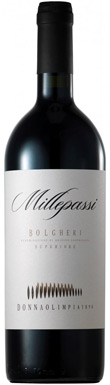
Donna Olimpia 1898, Millepassi, Bolgheri, Superiore, Tuscany, Italy, 2017

Millepassi, Italian for '1,000 steps', refers to an ancient Roman road crossing the estate and to the Roman measurement of length - 'milium' - that corresponds to 1,480 metres. It's the top wine of Guido Folonari’s winery, a blend of Cabernet Sauvignon, Petit Verdot and Merlot. Restrained bramble fruits, floral scents of rose and violet, and a slight pyrazine note are joined by some white chocolate toastiness. It has a great tight-knit structure with velvety tannins and impressive natural refreshing acidity. It lacks a bit of complexity now but will evolve.
2017
TuscanyItaly
Donna Olimpia 1898Bolgheri
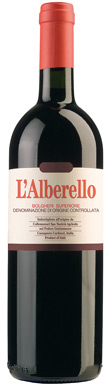
Grattamacco, Alberello, Bolgheri, Superiore, Tuscany, Italy, 2017

Alberello is the classic Bordeaux blend of Grattamacco in Bolgheri, a mix of 70% Cabernet Sauvignon, 25% Cabernet Franc, and 5% Petit Verdot, sourced from a 2ha vineyard planted with bush vines ('alberello'). Clay and earth aromas are joined by intense floral notes of violet. It's a muscular wine, large and powerful, smooth and just chalky on the finish, with an amazing mineral vibrancy.
2017
TuscanyItaly
GrattamaccoBolgheri
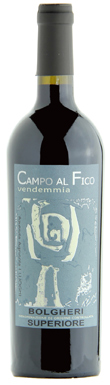
I Luoghi, Campo al Fico, Bolgheri, Superiore, Tuscany, Italy, 2017

Just 1,200 instead of the usual 3,000 bottles were produced in 2017 for Stefano Granata and his wife at I Luoghi, the top garagiste of Bolgheri. It's a blend of 80% Cabernet Sauvignon and 20% Cabernet Franc aged for at least 18 months in 50% new French oak, without any Merlot and almost all 'sotto strada' (below the Bolgherese road). Campo al Fico shows an amazing nose full of spice, from clove to black pepper, then cola followed by cassis and pencil lead. It's almost 'Figeac' in style, showing earthy tones and firm tannins that flow over the mid-palate with a ripe finish, good freshness and relatively moderate 14% alcohol.
2017
TuscanyItaly
I LuoghiBolgheri
Le Macchiole, Messorio, Toscana, Tuscany, Italy, 2017
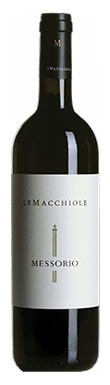
The harvest of Merlot for Messorio in 2017 commenced on 17 August and finished on 7 September, producing around 12,000 bottles. Since 2015 it has been fermented with selected yeasts in concrete vessels at a moderate 26°C then aged in 100% new French oak with a light and progressive toastiness. The result is a slightly herbal Merlot with precise sweet cassis and plum fruit and depth of star anise and leather. Dense on the palate with red fruit flavours, it imposes powerful yet ripe tannins with crisp acidity and balanced alcohol.
2017
TuscanyItaly
Le MacchioleToscana
Le Macchiole, Paleo, Toscana, Tuscany, Italy, 2017
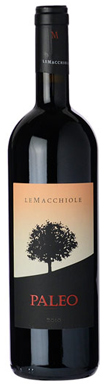
A slight decrease in quantity on 2017 from 27,000 to 24,000 bottles due to the heat and the selection process. The result is a dark wine dominated by dried eucalyptus leaf and vermouth depth, with bright cassis flavours followed by cedar wood. It's full bodied and refreshing, with thick tannins and a slightly austere finish.
2017
TuscanyItaly
Le MacchioleToscana
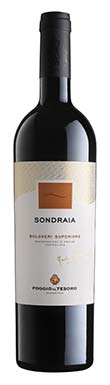
Poggio al Tesoro, Sondraia, Bolgheri, Superiore, Tuscany, Italy, 2017
While Dedicato a Walter, a 100% Cabernet Franc, is the top wine of the estate, and Seggio is becoming the bestseller of the winery, Sondraia has increased in quality (and price). In 2017 it has an earthy minerality with spice complexity of clove, bark and walnut husk, supporting vibrant, ripe fruit. The mid-palate is very extracted yet velvety, leading to a warming finish.
2017
TuscanyItaly
Poggio al TesoroBolgheri
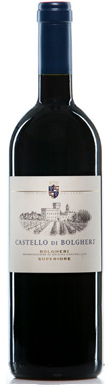
Castello di Bolgheri, Bolgheri, Superiore, Tuscany, Italy, 2017

Castello di Bolgheri is one of the most representative estates in Bolgheri. The winery is within the walls of the village, the vineyards around 70 metres above sea level, 'sopra strada', in the heart of the appellation. The 2017, deep crimson in the glass, shows great intensity on the nose with ripe cassis, incense and an almost Port-like minerality. Velvety and broad, it's a bit hollow on the mid-palate and austere on the finish, but produces a ripe and chewy wine with a savoury, mineral finish.
2017
TuscanyItaly
Castello di BolgheriBolgheri
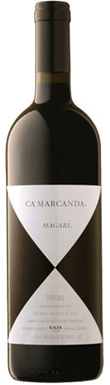
Gaja, Camarcanda Magari, Bolgheri, Superiore, Tuscany, Italy, 2017

The Gaja family at its Camarcanda estate is leading a silent revolution. Certified organic, although this is not mentioned, the winery has overturned Merlot for Cabernets and cordon training for guyot in the vineyards. Since 2015 it has introduced concrete and oak along with stainless steel for fermentation. Now it is experimenting with whole clusters, and the oak ageing was sensibly reduced. The 2017 vintage shines for its bright cassis fruit, melded with blackberry and cherry, then leafy and cedary notes to develop garrigue in depth. The creamy and dense palate has almost firm acidity and shows a bit of a dry finish, but otherwise this is hedonistically supple.
2017
TuscanyItaly
GajaBolgheri
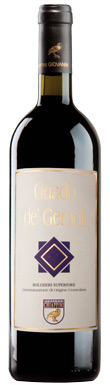
Giovanni Chiappini, Guado de' Gemoli, Bolgheri, Superiore, Tuscany, Italy, 2017

The first vintage of this wine was 2000, but the vineyards of this Giovanni Chiappini label date back to 1978 (Le Grottine) and 1986 (Felciaino), and the average age of the vines was helpful in the hot 2017 vintage. This blend of 70% Cabernet Sauvignon, with the rest divided between Merlot and Cabernet Franc, shows a restrained Bordeaux style with clove, leather, bramble fruits and a whiff of coffee powder. The palate is dominated by firm tannins and acidity, with warming alcohol. It maybe lacks a bit of suppleness, yet the finish is sweet and toasty.
2017
TuscanyItaly
Giovanni ChiappiniBolgheri
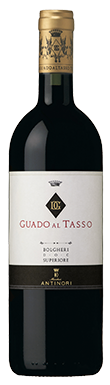
Guado al Tasso, Bolgheri, Superiore, Tuscany, Italy, 2017

The opulent style typical of Guado al Tasso is confirmed this year. In warm vintages such as 2011, for example, it demonstrated character and power not without grace or personality. This vintage shows great fruit concentration with a floral touch, with ripe, forward cassis aroma and dark chocolate flavour. Still vinous on the palate, it shines for its youthfulness. Silky tannins give a slightly drier finish, but this is very well balanced for long ageing.
2017
TuscanyItaly
Guado al TassoBolgheri
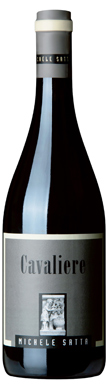
Michele Satta, Cavaliere, Bolgheri, Superiore, Tuscany, Italy, 2017

Giacomo Satta is now authoritatively leading the winery of his father Michele. In 2017, the interpretation of the Sangiovese could be, if possible, harder than the hardest vintage yet. However, among the Bordeaux blends, Cavaliere shines for its fragrance. It was harvested in the last week of September and the first week of October - a gift in this vintage. It is fermented in 30hL open oak vats and maceration is completed with a gentle manual submersion of the cap and one pumping over per day. It has an earthy nose of graphite, chocolate powder and carob, supported by wild red fruits. The firm palate has velvety tannins and integrated acidity, fragrant and savoury on the finish. Extracted, slightly warming yet balanced.
2017
TuscanyItaly
Michele SattaBolgheri
Podere Sapaio, Toscana, Tuscany, Italy, 2017
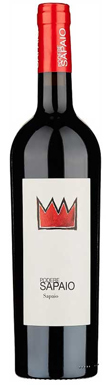
Sapaio is a blend based on Cabernet Sauvignon with 15% Merlot and 15% Petit Verdot. Its muscular reputation put it in danger in 2017, however it shows a better balance than usual considering the vintage conditions. Crimson in colour, it is restrained on the nose with youthful, almost estery fruit, elegant, vinous and balsamic. The tight yet ripe palate displays grainy tannins and integrated acidity. The toasty finish completes a very good picture indeed in 2017.
2017
TuscanyItaly
Podere SapaioToscana
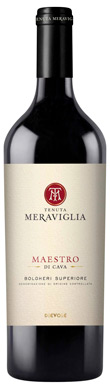
Tenuta Meraviglia, Maestro di Cava, Bolgheri, Superiore, Tuscany, Italy, 2017
A new entry for Bolgheri, Maestro di Cava is the 100% Cabernet Franc made by Alberto Antonini with Pedro Parra consulting. The grapes were picked earlier rather than later, the extraction and maceration were kept as light as possible, and the wine was matured in - quite unusually for Bolgheri - big oak vessels. Its style is more northern than typical Bolgheri. The result is an earthy wine with bell pepper notes well integrated with restrained cassis and kiwi. It's delicious for its drinkability and lightness, and the tannins are velvety and graceful, while the finish is focused on freshness and savoury character.
2017
TuscanyItaly
Tenuta MeravigliaBolgheri
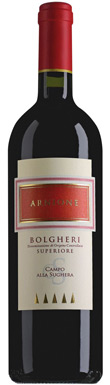
Campo Alla Sughera, Arnione, Bolgheri, Superiore, Tuscany, Italy, 2017

Arnione at the moment seems to be not at its best level. Crimson in colour, it has dual aromas of bell pepper and almost jammy blueberry. It shines for its muscular palate with concentrated, velvety tannins. Well extracted, polished, and refreshing on the finish, it needs time to evolve.
2017
TuscanyItaly
Campo Alla SugheraBolgheri
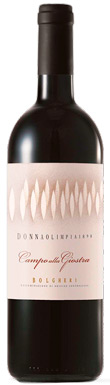
Donna Olimpia 1898, Campo alla Giostra, Bolgheri, Tuscany, Italy, 2017

Campo alla Giostra is not a Bolgheri Superiore but just a selection by Guido Folonari for the Bolgheri DOC with a postponed release. The result is one of the best price/quality ratios in this report. Based on Cabernet Sauvignon, it floats in perfect balance between the leafy notes of the variety and cassis, displaying a floral sense of place. On the palate the tannins are crunchy and velvety, very well handled and balanced with supple, savoury fruit, gaining more complexity on the pipe tobacco finish.
2017
TuscanyItaly
Donna Olimpia 1898Bolgheri
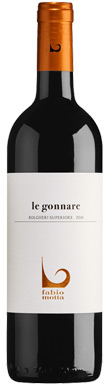
Fabio Motta, Le Gonnare, Bolgheri, Superiore, Tuscany, Italy, 2017

Fabio Motta, one of the emerging growers in Bolgheri and son-in-law of Michele Satta, is currently building his new winery. His past vintages of Le Gonnare have gifted him with a good reputation. A consistent blend of 80% Merlot and 20% Syrah, it confirms its fierce 'bolgherese' character even in the 2017 vintage. It's not as concentrated as other Superiores, but is conversely crunchy and fragrant. Dark wild fruit aromas with cassis and blueberry are well defined, showing great length of tobacco and chocolate and not without mineral depth. On the palate there is good extraction, showing some drying on the tannins yet balanced and drinkable overall.
2017
TuscanyItaly
Fabio MottaBolgheri
Giorgio Meletti Cavallari, Impronte, Bolgheri, Superiore, Tuscany, Italy, 2017

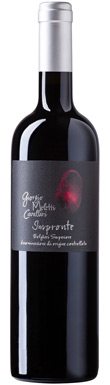
Impronte is Meletti Cavallari's cru located in the Piastraia vineyard in Bolgheri. It’s a blend of 70% Cabernet Sauvignon and 30% Cabernet Franc, which in 2017 benefitted from the lack of early-maturing grapes. On the nose it displays restrained dark fruits, earthy minerality and well-integrated toastiness (the wine is transferred into new oak for malolactic fermentation), then a good progression on the palate due to great extraction and maturity of the tannins, with a refreshing finish. More muscular than supple, yet with an enjoyable creamy palate.
2017
TuscanyItaly
Giorgio Meletti CavallariBolgheri
Michele Satta, Marianova, Bolgheri, Superiore, Tuscany, Italy, 2017

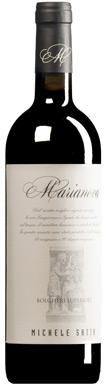
The new blend of Marianova (Syrah plus Sangiovese) seems consistent even in a difficult vintage, showing a good freshness overall. It has great complexity and depth of dark fruit, with a slight leathery note. It's full-bodied, with liquorice, chocolate and cassis flavours and firm yet ripe tannins. The finish is grainy and quite raw. Not ready to drink just yet.
2017
TuscanyItaly
Michele SattaBolgheri
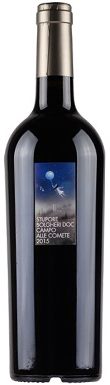
Campo alle Comete, Bolgheri, Superiore, Tuscany, Italy, 2017

The dreamlike website of Campo alle Comete is a unique way to showcase the wines - a new project of Feudi San Gregorio in Tuscany which has begun to show some consistency despite the trick vintage. The blend of Cabernet Sauvignon, Merlot, Cabernet Franc and Petit Verdot is dominated by a clay minerality and thick extraction, not without intriguing notes of violet, plums and a blonde pipe tobacco finish. Firm, grainy, youthful tannins need more time to evolve.
2017
TuscanyItaly
Campo alle CometeBolgheri
Fornacelle, Guarda Boschi, Bolgheri, Superiore, Tuscany, Italy, 2017

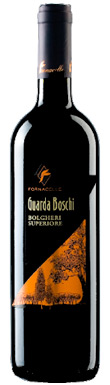
Guarda Boschi is the blend of 60% Cabernet Sauvignon and 40% Merlot of Fornacelle, a boutique winery. As well as a delicious Vermentino in 2017, their Superiore is crunchy and drinkable and not without complexity. The vineyards were planted in 1998, and their maturity was essential for counteracting the heat of 2017. The wine is leathery and buttery initially, then showing restrained cherry flavours. Very intense both on the nose and on the palate, it has grainy, elegant tannins without bitterness, with a balanced finish between freshness and alcohol. Its great drinkability is embellished by a Morning Pipe tobacco finish.
2017
TuscanyItaly
FornacelleBolgheri
I Luoghi, Podere Ritorti, Bolgheri, Superiore, Tuscany, Italy, 2017

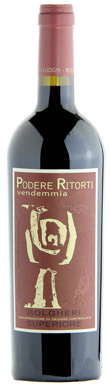
Podere Ritorti, the second wine of I Luoghi, is a blend of mostly Cabernet Sauvignon (80%) with 15% Cabernet Franc and a dash of Merlot and Syrah. In 2017, 'the sum of tannin and acidity was difficult to manage,' according to owner Stefano Granata. The wine is full of intensity and complexity with restrained cassis, ash, and balsamic minerality in depth. Clean and rich chocolatey flavours characterise the palate, joined by a sweeter cherry profile. Full, creamy and refreshing, this has crunchy tannins with a thick finish.
2017
TuscanyItaly
I LuoghiBolgheri
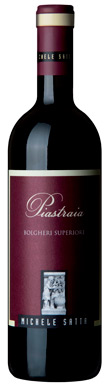
Michele Satta, Piastraia, Bolgheri, Superiore, Tuscany, Italy, 2017

Piastraia is the estate's blend based on Cabernet Sauvignon, Merlot, Syrah and Sangiovese, from vines over 20 years old. The grapes were harvested from the first week of September (Merlot) to the first week of October (Cabernet Sauvignon), than aged for 18 to 24 months in oak. It's not too concentrated in the glass, mostly focussed on dark fruits, black pepper and dark chocolate. It shows a tight-knit structure with good mid-palate weight, and velvety tannins with a dusty finish. The fresh acidity melts into the red fruit flavours, while curry and leather notes emerge on the finish.
2017
TuscanyItaly
Michele SattaBolgheri
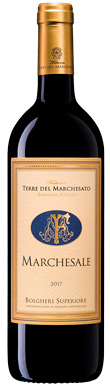
Terre del Marchesato, Marchesale, Bolgheri, Superiore, Tuscany, Italy, 2017

This is the flagship wine by Terre del Marchesato, a blend based on 50% Syrah with Merlot and Cabernet Sauvignon. The property irrigated during the 2017 growing season, yet there's a good vinosity to this Bolgheri Superiore. It has great freshness of fruit, with garrigue complexity, some vinous character, and super-refined tannins which are almost silky. Very drinkable.
2017
TuscanyItaly
Terre del MarchesatoBolgheri
Le Macchiole, Scrio, Toscana, Tuscany, Italy, 2017
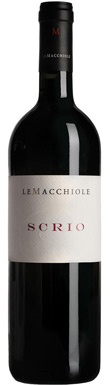
Scrio, the 100% Syrah wine of Le Macchiole, is completely changed in style, with the amount of new French oak reduced from 100% to just 15%. From its concentrated character to the drinkability of today, it seems to be more Hermitagé than Cote-Rotie in style. Intensely spicy on the nose, it has notes of black olives, black peppers and flowers. In the mouth it shines for its red fruit flavour alongside curry notes and a sweet finish. The tannins are ripe yet slightly dusty. Light bodied despite the vintage, this is a deliciously easy-drinking wine.
2017
TuscanyItaly
Le MacchioleToscana
Mulini di Segalari, Soloterra, Toscana, Tuscany, Italy, 2017
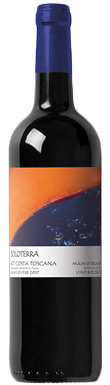
Segalari is one of the greatest sub-regions in Bolgheri, on the northeast flank of the village of Castagneto Carducci. Organic winery Mulini di Segalari is distinguished for its funky natural wines, from the beginning focussed on drinkability rather than concentration. Fresh raspberry flavours characterise the warm 2017 here, with good definition of fruit and crunchy tannins with good texture on the finish. Refreshing length not without some savouriness.
2017
TuscanyItaly
Mulini di SegalariToscana
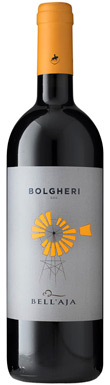
San Felice, Bell'Aja, Bolgheri, Superiore, Tuscany, Italy, 2017

Bell’Aja 2017 is the second harvest in Bolgheri by Agricola San Felice and Allianz group. It's a precise wine from which now on should be expected a bit more character, as done with wines from Chianti Classico and Montalcino. Buttery and vinous with a cola note, it is focussed on elegance, grace and finesse, with sweetness of oak and roundness of body. It's supported by refreshing acidity despite the warming 15% alcohol which appears on the finish.
2017
TuscanyItaly
San FeliceBolgheri
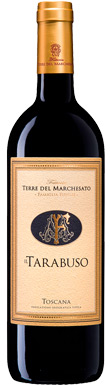
Terre del Marchesato, Tarabuso, Bolgheri, Superiore, Tuscany, Italy, 2017

Tarabuso is the 100% Cabernet Sauvignon of Terre del Marchesato. This 'masculine' grape variety is well matched with the round style of the winery. The vines were planted at the end of the 1990s. This wine is pretty classic, with restrained cassis and cedar fruit followed by eucalyptus notes and a toasty finish. The tannins are very well tamed, with a mid-weight body and creamy palate supported by refreshing acidity and an evident warming finish, however it lacks a bit of complexity.
2017
TuscanyItaly
Terre del MarchesatoBolgheri
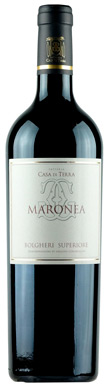
Fattoria Casa di Terra, Maronea, Bolgheri, Superiore, Tuscany, Italy, 2017

Mostly from Ferrugini and Sondraie vineyards in Bolgheri 'sopra strada', Maronea is a 100% Cabernet Sauvignon with 18 months ageing in barrels. Slightly pirazinic on the nose, it's dominated by herbal touches, while the palate is focussed on bright cassis flavours with grainy texture and refreshing natural acidity. The finish of chocolate and toasty notes is complex without any dryness of tannins. This is not too concentrated yet is a well balanced interpretation of the 2017 vintage.
2017
TuscanyItaly
Fattoria Casa di TerraBolgheri
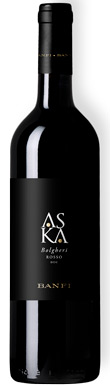
Castello Banfi, Aska, Bolgheri, Superiore, Tuscany, Italy, 2017

Banfi arrived quietly in Bolgheri with Aska. The hot 2017 vintage did not help, compared to conditions in Banfi's home in Montalcino. However a prudent approach produced a delicious wine to drink. Full of vinous character, it's savoury, firm yet crunchy on the palate, and despite a thick finish it shows an easy-drinking style with a lovely toasty finish.
2017
TuscanyItaly
Castello BanfiBolgheri

Aldo Fiordelli is an Italian wine critic, journalist and wine writer. He has published four books about food, wine and art and is a regular Decanter contributor.
In Italy he is an editorial board member of L’Espresso restaurant and wine guide (one of Italy’s most prominent) since 2004. He also writes for Corriere della sera in Florence, as well as Civiltà del Bere (Italy’s oldest Italian wine magazine).
A certified sommelier since 2003, he is currently a 2nd stage student at the Institute of the Masters of Wine.
In 2017 he was named Chevalier de l’Ordre des Coteaux de Champagne.
Aldo joined DWWA for the first time as a judge in 2019.