
Expert’s Choice: Vinho Verde
Light, fresh, summery wines – yes of course; but Vinho Verde in Portugal’s verdant northwest increasingly offers an array of styles that showcase its sub-regional diversity and the nuance its wines can achieve.


Stories of appellations and wine regions hamstrung by their commercial success abound. A boom in popularity can sometimes come at the cost of diversity – both stylistic and viticultural – and identity.
Perhaps this could have been said of Vinho Verde in the late 1990s, when its off-dry, fruit-driven, slightly fizzy iterations were ubiquitous. Not so today.
Scroll down to see notes and scores for 18 dazzling Vinho Verde wines
A world of flavour
All in the detail
See notes and scores for 18 dazzling Vinho Verde wines of all hues
Related articles
Anselmo Mendes, Parcela Unica, Monção e Melgaço, Vinho Verde, Portugal 2021
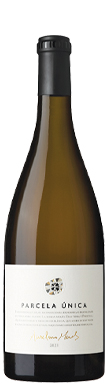

Layered aromas of clementine, orange peel and candied lemon, camomile and hay. Precise and deliciously saline with a juicy mid-palate of green apple, quince and...
2021
Anselmo MendesMonção e Melgaço

Quinta do Tamariz, Edição Limitada Garrafeira, Cávado, Vinho Verde, Portugal 2018
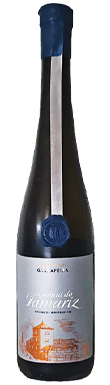
A smart blend of Alvarinho and Arinto that opens fully after some time in the glass. Focused but generously fruited, with a fleshy core of...
2018
Quinta do Tamariz
Soalheiro, Primeiras Vinhas, Monção e Melgaço, Vinho Verde, Portugal 2022
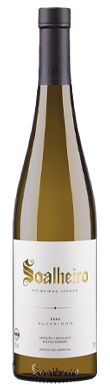
Amazing power and concentration, with weighty citrus and white orchard fruit, flintiness and a fine layer of spice. Incredibly focused, yet with a buttery softness...
2022
SoalheiroMonção e Melgaço
A&D Wines, Quinta de Santa Teresa Unfiltered Avesso, Vinho Verde, Portugal 2021
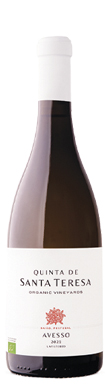
Ripe pear, red apple peel, melon, white grapefruit and quince at the core, with wild oregano, thyme and dried mint. The acid is soft but...
2021
A & D Wines
Quinta de Santa Cristina, Cave Azal, Basto, Vinho Verde, Portugal 2020
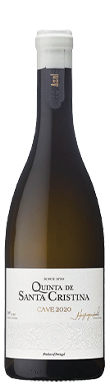
Restrained and nuanced, this needs time to open in the glass. When it does, it reveals a core of peach, nectarine, pear peel and candied...
2020
Quinta de Santa Cristina
Quinta de Santiago & Mira do Ó, Sou Alvarinho, Monção e Melgaço, Vinho Verde, Portugal 2021
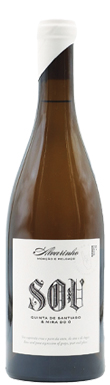
Textured and assertive, with a firm acid backbone offset by gentle creaminess. Lime, peach and pear, topped with crushed mint and toasted almonds. A touch...
2021
Quinta de Santiago & Mira do ÓMonção e Melgaço
Quinta do Regueiro, Maturado Alvarino, Monção e Melgaço, Vinho Verde, Portugal 2019
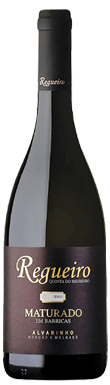
A lovely balance of Burgundian elegance, Atlantic salinity and continental fruit: pineapple, mango, yellow plums and apricot mingle with beeswax, honey-glazed almonds and buttered toast....
2019
Quinta do RegueiroMonção e Melgaço
Casa de Cello, Quinta de San Joanne Herança, Amarante, Vinho Verde, Portugal 2019
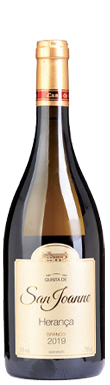
This accomplished blend of Avesso and Malvasia Fina weds the former’s fleshy stone fruit and lively citrus to the latter’s floral and tropical nuances. Lemon,...
2019
Casa de Cello
Portugal Boutique Winery, Gorro Loureiro, Lima, Vinho Verde, Portugal 2022
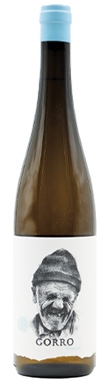
There’s something Rheingau Riesling-esque about this off-dry Loureiro, with its juicy orchard fruit, creamy citrus, floral nuances and hints of beeswax and petrol. The herbal...
2022
Portugal Boutique Winery
Quinta do Ameal, Solo Unico, Lima, Vinho Verde, Portugal 2021
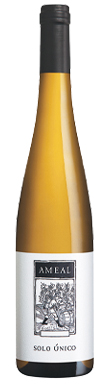
An elegant and focused Loureiro, with a filigree mineral framework holding its classical linden leaf, bay and oregano aromas over a core of peach, pear...
2021
Quinta do Ameal
Sem Igual, Ramadas Metal, Sousa, Vinho Verde, Portugal 2021
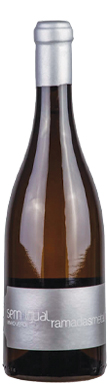
Chiselled, with velvety creaminess on the side palate and a fine acid line. Frangipane, geranium, red apple and lemon curd rest on a fleshy layer...
2021
Sem Igual
Adega de Monção, Alvarinho Deu La Deu, Monção e Melgaço, Vinho Verde, Portugal 2023
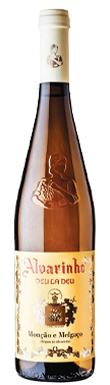
Fruit-driven, with fleshy peach, pineapple, yellow apple and mango, and top notes of jasmine, rose petals and chrysanthemum. There's a mineral undercurrent and a refreshing...
2023
Adega de MonçãoMonção e Melgaço
Quinta da Lixa, Unico 360, Vinho Verde, Portugal 2018
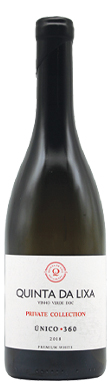
A blend with textural complexity and a pleasant phenolic grip. Sour fruit such as lemon, white grapefruit, gooseberry and green apple, underpinned by fresh, gravelly...
2018
Quinta da Lixa
Quinta da Raza, Raza Single Vineyard Padeiro, Basto, Vinho Verde, Portugal 2022
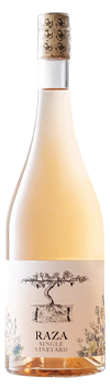
A lifted nose of pink grapefruit, cranberry and pomegranate gives way to a fleshy palate with a pleasant zesty grip. The fruit core has a...
2022
Quinta da Raza
Constantino Ramos, Zafirah, Monção e Melgaço, Vinho Verde, Portugal 2019
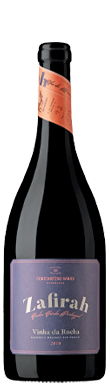
Juicy yet crunchy, with fine tannins and vibrant acidity. Pomegranate, red cherry and plum fruit, with hints of petrichor, Earl Grey and thyme. Gentle spiciness...
2019
Constantino RamosMonção e Melgaço
Márcio Lopes, Pequenos Rebentos Touché, Monção e Melgaço, Vinho Verde, Portugal 2021
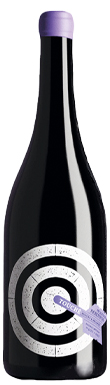
A complex, detailed red wine, with transparent flavours of red cherry, wild strawberry and pomegranate, and an alluring smokiness. Márcio Lopes uses fruit from a...
2021
Márcio LopesMonção e Melgaço
Aphros, Ouranus, Vinho Verde, Portugal 2020
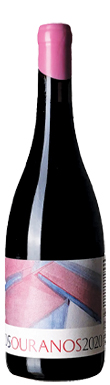
Bright pomegranate, cranberry and redcurrant fruit is lifted by fragrant rosemary, pine and tarragon. A broody background of forest floor and cedar adds complexity and...
2020
Aphros
Anselmo Mendes, Pardusco, Vinho Verde, Portugal 2022
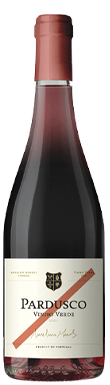
This blend of Alvarelhão, Pedral and Verdelho Feijão (a red mutation of Verdelho) is full of lively pomegranate, cranberry and ripe strawberries, alongside intense blood...
2022
Anselmo Mendes
